





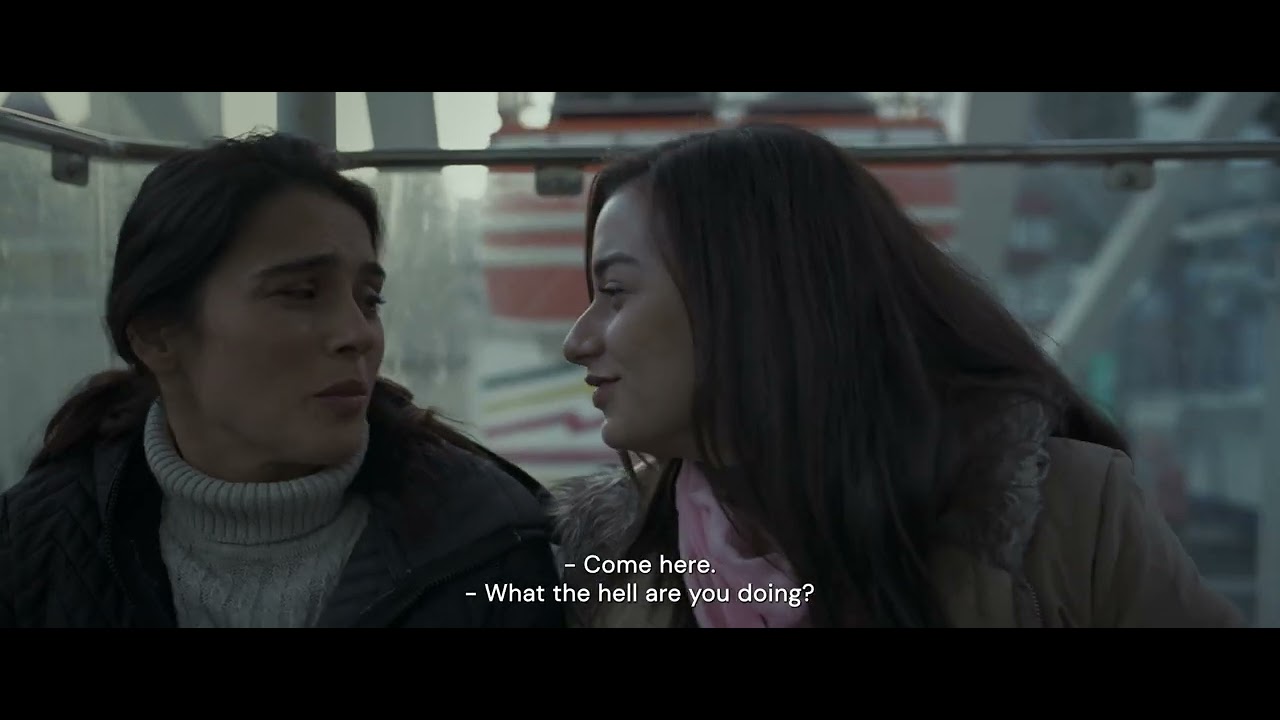
Unfruitful Times (2024) by Doğuş Algün

TR, IT, MK | 2024 | 120 min | DramaOriginal title: Ölü Mevsim
➡️ Where to Watch: TR
Two Sisters Struggle to Move Forward Under the Weight of Family Expectations
After a miscarriage, Nimet struggles with grief in a conservative Istanbul neighbourhood where personal suffering remains entangled with other people’s expectations. Her younger sister Öznur carries a different family burden, leaving both women caught between their own needs and the roles surrounding them. Their shared history connects them, but finding a way forward requires confronting pressures that closeness alone cannot resolve.
➡️ Storyline: Two sisters face the difficult distance between the lives expected of them and the lives they might choose.
Why to Watch Unfruitful Times: Award-Winning Performances Give Family Conflict Its Weight
Funda Eryiğit and Ece Yaşar provide the strongest reason to investigate this drama: they shared the Best Actress award at the 2024 Adana Golden Boll Film Festival. The film also received screenplay and supporting-performance recognition there, giving audiences concrete reasons to look beyond its difficult subject matter.
For viewers who enjoy emotionally demanding ensemble dramas, the appeal lies in relationships where affection, resentment and obligation coexist. This is also Doğuş Algün’s debut feature, followed by the Film-Yön Best Director award at the 2025 Istanbul Film Festival—a useful discovery point for audiences interested in new Turkish filmmaking voices.
➡️ Reason to Watch: Recognised lead performances and an emerging director give this intimate family drama an appeal beyond its premise.
Why Unfruitful Times Stands Out: Family Pressure Takes Different Forms for Two Sisters
Unfruitful Times gives family drama a specific angle by placing two sisters’ different struggles within the same restrictive environment. Nimet’s grief after a miscarriage sits alongside Öznur’s separate burden, allowing the story to explore how the same family expectations affect women differently. Their relationship connects these experiences without making them interchangeable.
Within the genre, this shifts attention from a single family crisis toward the everyday pressures that make change difficult. The tension comes from the overlap between private suffering, family obligation and neighbourhood judgment. Sisterhood becomes a complicated relationship within that pressure, giving the film more to explore than the familiar promise of relatives coming together to overcome adversity.
➡️ Why it stands out: A dual perspective shows how one family can impose different limits on women’s lives, making sisterhood both an emotional bond and a meeting point for conflicting needs.
Movie Trend: Family Drama — Women Struggle to Move Beyond the Roles Expected of Them
Unfruitful Times places pressure inside everyday relationships. The sisters’ difficulties emerge within a network of family obligations and neighbourhood expectations, making personal change a relational problem as well as an individual decision. Choosing differently can mean unsettling the arrangements through which everyone else understands them.
As a storytelling approach, this expands family drama beyond a confrontation between one controlling person and one person seeking independence. Restrictions can be sustained through habits, assumptions and emotional dependencies. The film offers a signal of this approach: freedom becomes difficult because the relationships that matter also carry expectations that limit change.
➡️ Movie Trend Insight: Family drama becomes more revealing when it examines how ordinary relationships sustain restrictive roles.
Broad Trend: The Search for Freedom — Personal Choice Becomes Difficult When Belonging Has Conditions
Freedom includes the ability to change direction without having every decision measured against an established role. Expectations around marriage, parenthood and family responsibility can make personal choices feel like obligations to an audience. Within this tension, independence means having room to decide what a meaningful life looks like.
Beyond cinema, the same question applies to careers, caregiving, relationships and cultural identity: how much can someone change while remaining accepted by the people around them? The search for freedom involves negotiating both practical independence and the emotional cost of disappointing others. Belonging becomes more sustainable when it allows people to evolve.
➡️ Broad Trend Insight: Freedom becomes meaningful when acceptance does not depend on continuing to fulfil a prescribed role.
Viewer Profile: Drama Audiences Interested in International Cinema, Contemporary Culture and the Arts
The likely audience chooses films for performances, character complexity and a distinctive cultural perspective. These viewers are comfortable with sustained emotional tension and often discover titles through festivals, curated streaming and specialist recommendations. Ages below are indicative targeting estimates.
Profile | Audience Insight |
Core Audience | Viewers of international independent cinema and performance-led drama. |
Age / Generation | Millennials and Gen X, approximately 30–60, with established interests in character-led cinema. |
Lifestyle | Cultural interests may include reading, theatre, festivals and curated film programmes. |
Cinema Taste | Ensemble dramas, social realism and psychologically complex characters. |
Story Motivation | Credible relationships, layered performances and perspectives outside familiar settings. |
Discovery Mindset | Acting awards, trusted critics, festival selections and specialist streaming catalogues. |
Emotional Driver | Absorption and reflection, including films that leave tensions unresolved. |
Key Profiles: Performance Recognition and Cultural Discovery Attract Different Viewers
1. The Performance-Focused Viewer
Audience Description: Adults approximately 30–65 who follow actors across projects. The shared acting recognition for Eryiğit and Yaşar provides a specific reason to explore their work together.
2. The Contemporary Turkish Cinema Follower
Audience Description: Adults approximately 25–60 interested in discovering filmmakers beyond established names. Algün’s debut and recognition across Turkish festivals provide a clear entry point.
3. The Women-Led Drama Enthusiast
Audience Description: Adults approximately 25–55 drawn to films that give several female characters distinct perspectives. The two-sister structure offers an attraction beyond a story organised around one protagonist.
➡️ Audience Insight: Acting recognition, emerging authorship and the dual female perspective give the film three different routes to discovery.
What This Movie Means for the Industry: Ensemble Recognition Can Give a Debut Drama a Clear Identity
Unfruitful Times demonstrates how an established genre can be differentiated through a specific social setting and a dual-protagonist structure. Its creative proposition rests on the relationship between two women’s distinct experiences, supported by an ensemble whose performances received festival recognition. Professionally, this gives a debut feature usable positioning assets: recognisable leads, independently recognised writing and acting, and a clear dramatic focus. Its Türkiye–Italy–North Macedonia production framework, Turkish theatrical release and subsequent domestic streaming listings also illustrate complementary production and distribution routes for culturally specific drama. The broader opportunity is to connect a precise creative identity with targeted promotion and accessible viewing, while treating awards as discovery signals rather than proof of mass-market demand.
➡️ Industry Insight: A debut drama can strengthen its positioning by aligning a distinctive character perspective, performance recognition and targeted distribution.
Final Verdict: A Family Drama About the Cost of Becoming Someone Different
Unfruitful Times has a clear proposition for audiences drawn to demanding, performance-led cinema. Its two sisters provide different ways into a shared environment, while the film’s acting and writing recognition gives that proposition substance beyond promotional claims.
Its family-drama angle connects naturally with The Search for Freedom. The central tension concerns how personal needs can be acknowledged within relationships that already assign everyone a place—and what it may cost to move beyond that place.
➡️ Final Verdict Insight: The film’s strongest point of interest is the conflict between remaining connected and becoming free to change.
Final Insights: Belonging Becomes Stronger When It Allows Change
The search for freedom is closely connected to the quality of relationships. Independence can require resources and distance, but it also requires permission to reconsider familiar roles. Stories about families make this tension visible because affection and restriction can exist within the same bond.
For cinema, this creates space for nuanced accounts of change that examine hesitation, dependency and competing loyalties. Future family dramas can deepen the conversation by exploring what relationships must change to make individual freedom possible.
➡️ Final Insight: Personal freedom includes the right to outgrow an assigned role. Relationships become more durable when they can accommodate that change. Family drama can explore this transition without reducing either independence or belonging to a simple choice.
Comments