

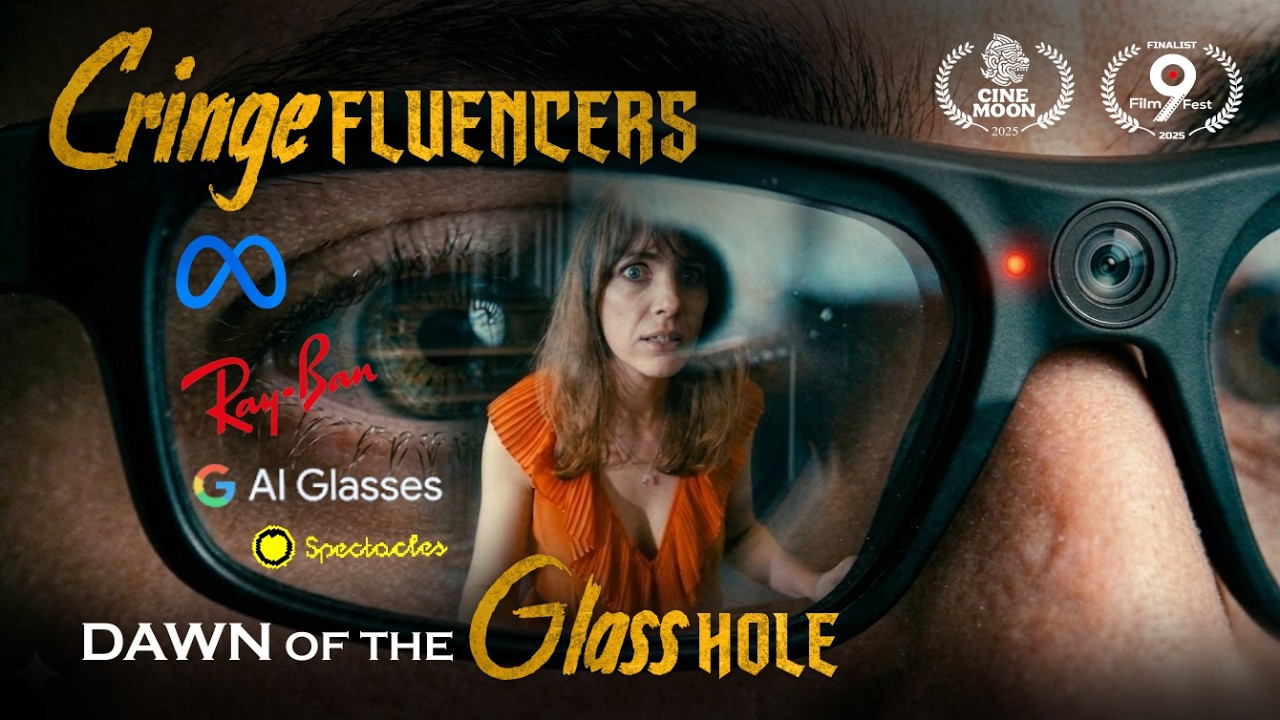

Cringefluencers (2026) by Saie Surendra

UK | 2026 IMDb listing | Horror, Comedy
➡️ Where to Watch: Plentifilm
A Horrific Curse Targets Influencers at the Level of Their DNA
Self-absorbed influencers become the targets of a curse that threatens their bodies rather than their online reputations. Their talent for attracting attention offers little protection against a nightmare they cannot curate. The project’s promotional materials describe a zombie-related threat, turning disruptive influencer behaviour into the starting point for a grotesque reversal of power.
➡️ Storyline: People accustomed to directing attention towards themselves face a threat they cannot control through their public image.
Why to Watch Cringefluencers: Internet Irritation Gets a Horror-Comedy Release
The attraction is immediate for audiences who enjoy irreverent genre films: recognisable online behaviour collides with exaggerated supernatural consequences. The premise offers a darkly comic outlet for frustration with attention-seeking conduct, particularly when content creation intrudes on other people’s lives.
Its independent origins provide another reason to investigate. The short won Best Short at Cinemoon Film Festival in 2025, while the project’s Kickstarter attracted 58 backers who pledged £1,955. These are modest but concrete signs of support. They make this a small genre discovery with documented backing, rather than an established viral success.
➡️ Reason to Watch: A concise, confrontational premise and a recognised short-film version offer an entry point for audiences seeking emerging independent horror.
Why Cringefluencers Stands Out: Influencer Satire Becomes a Threat to the Body
Influencer satire commonly builds tension around exposure: a reputation collapses, a performance is revealed or an audience turns hostile. Cringefluencers shifts the threat towards physical vulnerability. Its characters’ public identities become less useful when the danger targets something that presentation and persuasion cannot repair.
Within horror comedy, the distinction is the combination of obnoxious online behaviour and a zombie-curse premise. The filmmaker’s wider concept specifically targets influencers who disrupt public spaces, giving the satire a concrete social irritation to work with. Its potential lies in making that behaviour shape the horror, rather than simply placing social-media personalities inside a conventional monster story.
➡️ Why it stands out: It connects influencer entitlement with bodily vulnerability, moving the consequences beyond embarrassment or lost followers.
Movie Trend: Horror Comedy — Influencer Self-Obsession Meets Physical Vulnerability
The premise turns confidence in a managed public persona into a source of comic weakness. Characters who expect to command attention encounter a threat that operates outside their usual methods of influence. Horror supplies the loss of control; comedy comes from the mismatch between their self-importance and their actual vulnerability.
This offers a specific approach to social-media storytelling within genre cinema. Online culture provides recognisable habits and attitudes, while horror makes their contradictions physical. The creative challenge is to give those habits consequences within the story: the satire becomes more distinctive when the characters’ behaviour drives events rather than merely decorating them.
➡️ Movie Trend Insight: Influencer horror becomes more distinctive when digital behaviour shapes the danger and the characters’ responses to it.
Broad Trend: The Search for Control — Managing an Image Does Not Mean Managing Reality
Public presentation offers a limited form of control. People can choose what to show, how to describe themselves and which reactions to encourage, but that influence does not extend equally to their bodies, circumstances or other people. Cringefluencers exaggerates the gap between controlling a representation of life and controlling life itself.
Beyond cinema, the tension applies to personal branding, work identities and everyday social-media use. A carefully maintained image may create confidence while also making unpredictability harder to accommodate. The search for control becomes more sustainable when it includes the ability to respond to change, rather than depending entirely on appearances remaining intact.
➡️ Broad Trend Insight: Control based on presentation becomes fragile when circumstances demand adaptation rather than another performance.
Viewer Profile: Horror-Comedy Fans Interested in Internet Culture and Independent Creators
The likely audience enjoys unusual premises, abrasive humour and emerging filmmakers. These viewers often discover short films through online recommendations, genre communities and festival coverage, and may accept modest production resources when the central idea is engaging. Ages below are indicative targeting estimates.
Profile | Audience Insight |
Core Audience | Independent horror, horror-comedy and short-film viewers. |
Age / Generation | Adult Gen Z and Millennials, approximately 18–40, particularly viewers comfortable with internet-referential humour. |
Lifestyle | Online video, creator channels, gaming, genre communities and digital cultural commentary. |
Cinema Taste | Compact genre stories, outrageous concepts, satire and unconventional characters. |
Story Motivation | Discovering an unusual idea and seeing how far a filmmaker takes it. |
Discovery Mindset | Trailers, filmmaker uploads, festival selections, crowdfunding pages and peer recommendations. |
Emotional Driver | Surprise, uneasy laughter and the enjoyment of finding an unfamiliar creative voice. |
Key Profiles: Genre Curiosity and Creator Discovery Offer Different Entry Points
1. The Horror-Comedy Explorer
Audience Description: Adults approximately 18–40 attracted to grotesque reversals and protagonists whose confidence gets them into trouble. The zombie-curse premise supplies the genre hook.
2. The Internet-Satire Viewer
Audience Description: Adults approximately 20–45 interested in fictional treatments of online behaviour. The project’s focus on disruptive content creation gives its satire a recognisable target.
3. The Independent-Film Supporter
Audience Description: Adults approximately 25–50 who follow emerging filmmakers and crowdfunded projects. The completed short, festival recognition and development ambitions provide reasons to track the creators’ progress.
➡️ Audience Insight: The project can reach viewers through its horror concept, its cultural target or interest in how independent films develop.
What This Movie Means for the Industry: A Specific Cultural Irritation Can Give a Small Genre Project an Identity
Cringefluencers demonstrates how an independent project can distinguish familiar horror conventions through a tightly defined contemporary subject. Its pairing of disruptive influencer behaviour with a zombie-related threat creates an easily communicated proposition for promotional material. The filmmaker’s decision to complete one character arc as a short also provides a tangible demonstration of a broader concept before a larger production is established. Crowdfunding, a confirmed short-film award and filmmaker-hosted previews offer different forms of support and exposure, although none establishes demand for a feature or series. The wider industry relevance lies in aligning thematic specificity with staged development and clear audience access; inconsistent dates, titles and format descriptions can weaken that positioning if viewers cannot identify which version is available.
➡️ Industry Insight: A distinctive premise becomes more useful commercially when the project’s format, development stage and viewing route are equally clear.
Final Verdict: A Promising Satirical Hook With a Small-Film Discovery Appeal
Cringefluencers has an accessible genre proposition: influencer self-importance meets a threat that cannot be managed through attention or presentation. The confirmed short-film award gives the project a concrete discovery credential, while the limited public evidence supports assessing its concept more confidently than its overall execution.
Its horror-comedy angle connects directly with The Search for Control. The premise exposes the limits of image management by confronting characters with physical vulnerability. That is the project’s strongest analytical distinction and the clearest reason for genre audiences to investigate further.
➡️ Final Verdict Insight: Its appeal rests on turning a familiar online irritation into a physical nightmare, with the short offering the clearest verified expression of that idea.
Final Insights: Digital Personas Give Horror New Forms of Vulnerability
A public persona can make someone appear more influential and less vulnerable than they are. Horror can exploit that discrepancy by placing characters in situations where visibility offers no protection. Comedy adds another layer when the habits that once attracted attention become inadequate responses to danger.
For filmmakers, the opportunity extends beyond mocking recognisable online personalities. More durable stories can examine the behaviours that visibility rewards, how those behaviours affect others and what happens when they stop working. That gives internet-inspired genre films a stronger foundation than topical references alone.
➡️ Final Insight: A managed image can create an impression of control. Horror exposes the limits of that impression. The strongest digital-culture stories connect recognisable behaviour with consequences that matter beyond the screen.
Comments