





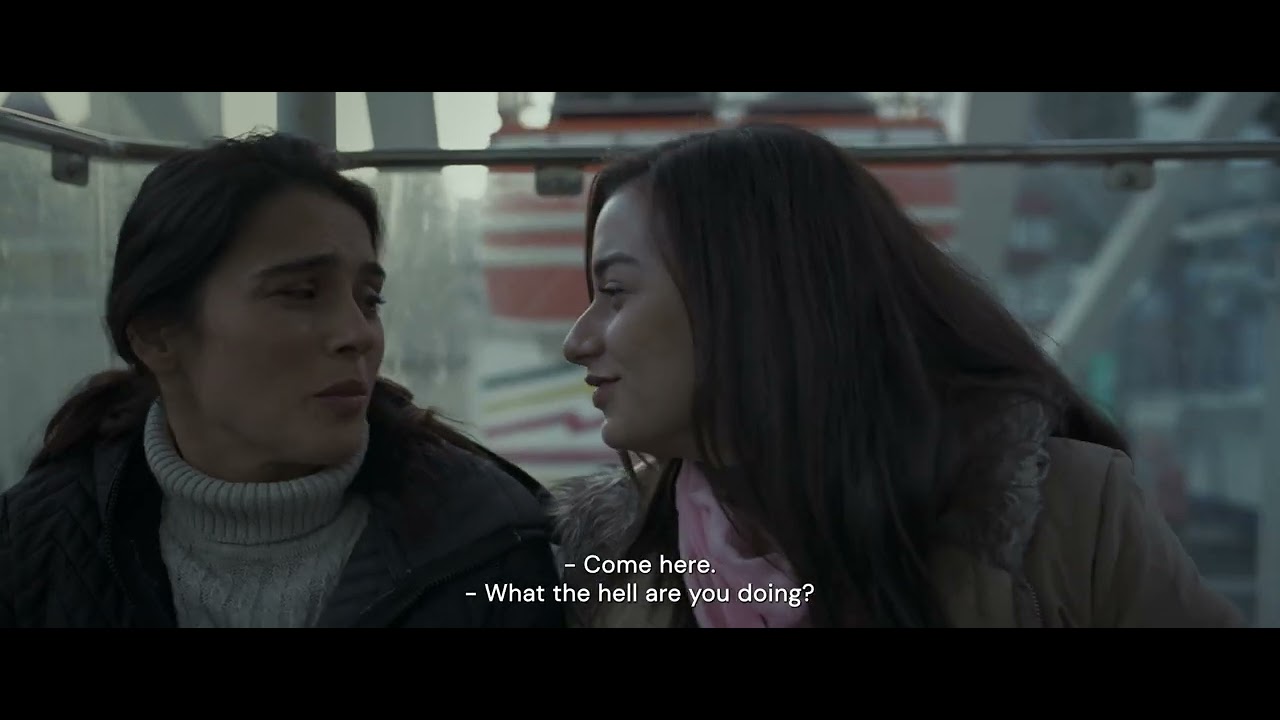
Men Die Sooner (2026) by Federico Montero

CR, UY | 2026 | 78 min | Drama
➡️ Where to Watch: Festival Scope Pro — industry professionals, Festival circuit
A Man Returns Home and Sees His Nephew Being Raised With the Cruelty He Remembers
Felipe returns to the family farm for the anniversary of his father’s death. There, alongside his mother Sandra and brother Sebastián, he watches young Sebas absorb familiar lessons about becoming a man: hide pain, accept humiliation and confuse toughness with affection. Recognising his own childhood in his nephew’s upbringing, Felipe confronts a difficult question: can he interrupt a pattern that still shapes his own behaviour?
➡️ Storyline: A family reunion becomes a confrontation with the emotional rules one generation passes to the next.
Why to Watch: A Filmmaker Turns the Question of Masculinity Inward
Federico Montero’s first feature approaches masculinity through an uncomfortable contradiction: someone can recognise an oppressive system while continuing to carry its habits. His stated interest in how gay men internalise patriarchal expectations gives the premise a personal dimension, making Felipe’s position more complicated than that of an outsider returning with all the answers.
The film also offers a discovery opportunity within Costa Rican cinema. Montero arrives with short films including Loop and Umbral, while producer Alexandra Latishev brings her own filmmaking experience. The ensemble includes José Antonio Ventura, Tatiana Sobrado, Pablo Morales and Teo Yuja. Selection for Warsaw’s 2026 Competition 1–2 and development through Locarno Open Doors provide concrete industry credentials for this debut.
➡️ Reason to Watch: A debut that asks how people challenge inherited harm when they have not fully escaped it themselves.
Why Men Die Sooner Stands Out: Family Drama Makes the Potential Protector Part of the Problem
The returning relative is a familiar figure in family drama: distance allows someone to notice what everyone else accepts. Men Die Sooner complicates that position by placing Felipe inside the emotional inheritance he wants to question. His awareness does not guarantee that he can respond differently when familiar pressures return.
That gives the generational conflict a distinctive focus. The father is absent, but his influence remains in everyday lessons about affection, authority and shame. The family’s inheritance becomes a way of behaving, with Sebas learning its rules while Felipe struggles to loosen their hold.
➡️ Why It Stands Out: The person who recognises the family’s harmful patterns is also someone those patterns helped create.
Movie Trend: Family Drama — Harmful Ideas of Masculinity Pass From One Generation to the Next
Men Die Sooner fits a strand of family drama concerned with how ordinary interactions reproduce damaging expectations. Its central tension emerges from what a boy learns through the adults around him: which feelings are acceptable, whose authority matters and what must remain unspoken.
Within this genre, the emphasis shifts the question of inheritance toward emotional behaviour. Conflict can develop through an apparently routine correction or gesture of affection, giving small domestic encounters substantial dramatic weight. Change depends on what family members do differently when the same situation happens again.
➡️ Movie Trend Insight: Family drama gains complexity when inherited behaviour connects the person harmed, the person intervening and the next generation.
Broad Trend: The Search for Freedom — Recognising a Pattern Is Only the Beginning
The film can be read through the search for freedom from identities learned before they could be questioned. Felipe’s return suggests that physical distance and adult independence do not necessarily remove the emotional authority of home. Familiar relationships can reactivate expectations that seemed easier to resist elsewhere.
Beyond cinema, this raises a distinction between choosing personal values and practising them under pressure. Freedom involves tolerating the discomfort of behaving differently, especially when belonging has depended on following established rules. The difficult work begins when a new understanding meets an old reflex.
➡️ Broad Trend Insight: Personal freedom requires the ability to act differently within relationships that once defined the limits of acceptable behaviour.
Viewer Profile: Independent Drama Audiences Interested in Cultural Criticism and Emerging Cinema
The likely audience is comfortable discovering unfamiliar filmmakers through festival programmes and specialist recommendations. The following profile is an editorial positioning assessment, rather than measured audience data.
Dimension | Audience description |
Core audience | Viewers who regularly choose international independent dramas. |
Age / generation | Indicatively 25–55, with potential appeal to younger film students and festival audiences. |
Lifestyle | Engaged with cultural journalism, independent arts venues and long-form interviews. |
Cinema taste | Character-focused films, regional perspectives and emotionally ambiguous storytelling. |
Story motivation | Interested in how filmmakers develop a perspective through relationships and behaviour. |
Discovery mindset | Willing to try first features without familiar stars or extensive publicity. |
Emotional driver | Values films that leave room for interpretation and post-screening discussion. |
Key Profiles: A Regional Debut Can Reach Several Distinct Film Communities
Festival Discovery Viewers
Audience Description: Adults approximately 25–45 who follow debut competitions, emerging directors and specialist film publications. Montero’s first feature and its Warsaw selection give this group a clear discovery hook.
Queer Culture and Independent Arts Audiences
Audience Description: Adults approximately 25–50 who engage with queer film programmes, cultural essays and independent creative work. The director’s interest in internalised masculine expectations offers a perspective extending beyond identity disclosure.
Latin American Cinema Followers
Audience Description: Adults approximately 30–60 who explore national cinemas through festivals, cinematheques and curated catalogues. The Costa Rican setting and collaboration with Uruguay provide an entry point into a less internationally visible production context.
➡️ Audience Insight: The film’s strongest positioning combines an emerging filmmaker, a specific regional perspective and a clearly articulated thematic question.
What This Movie Means for the Industry: A Specific Perspective Strengthens an Established Dramatic Framework
Men Die Sooner illustrates how a first feature can differentiate a familiar family-return narrative through its treatment of masculinity and internalised authority. Its creative proposition places the returning adult within the behaviour he challenges, providing a precise editorial and marketing angle. The Costa Rican–Uruguayan collaboration, international development programmes and public funding demonstrate how regional partnerships can support this kind of specialised production. Warsaw selection and professional access through Festival Scope provide routes to programmers and potential buyers, although they do not establish commercial demand or guarantee wider distribution. Its broader relevance lies in aligning a distinctive perspective with development support and an appropriate initial exhibition context.
➡️ Industry Insight: First features can strengthen their position by connecting a clearly defined creative perspective with production partnerships and targeted festival exposure.
Final Verdict: Returning Home Tests the Distance a Person Believes They Have Travelled
Based on its published premise and director’s intentions, Men Die Sooner offers a compelling family-drama proposition: Felipe can see the danger facing his nephew, yet understanding it does not place him beyond its reach.
That tension connects its genre identity with the search for freedom. The film’s strongest analytical hook is the gap between rejecting a family’s values intellectually and finding another way to behave within it.
➡️ Final Verdict Insight: The possibility of change becomes more demanding when the person seeking it must also examine his own reactions.
Final Insights: Inheritance Can Survive Without Being Named
The premise draws attention to how expectations persist through gestures, corrections and silences. A family need not explicitly defend a belief for a child to learn it.
Within family drama, this makes everyday behaviour a consequential form of storytelling. The next generation’s future is shaped through exchanges that adults may consider ordinary.
➡️ Final Insight: Recognising inherited harm creates an opening for change. Acting differently requires confronting habits that once secured belonging. Men Die Sooner places that difficult transition at the centre of its family drama.

Comments