





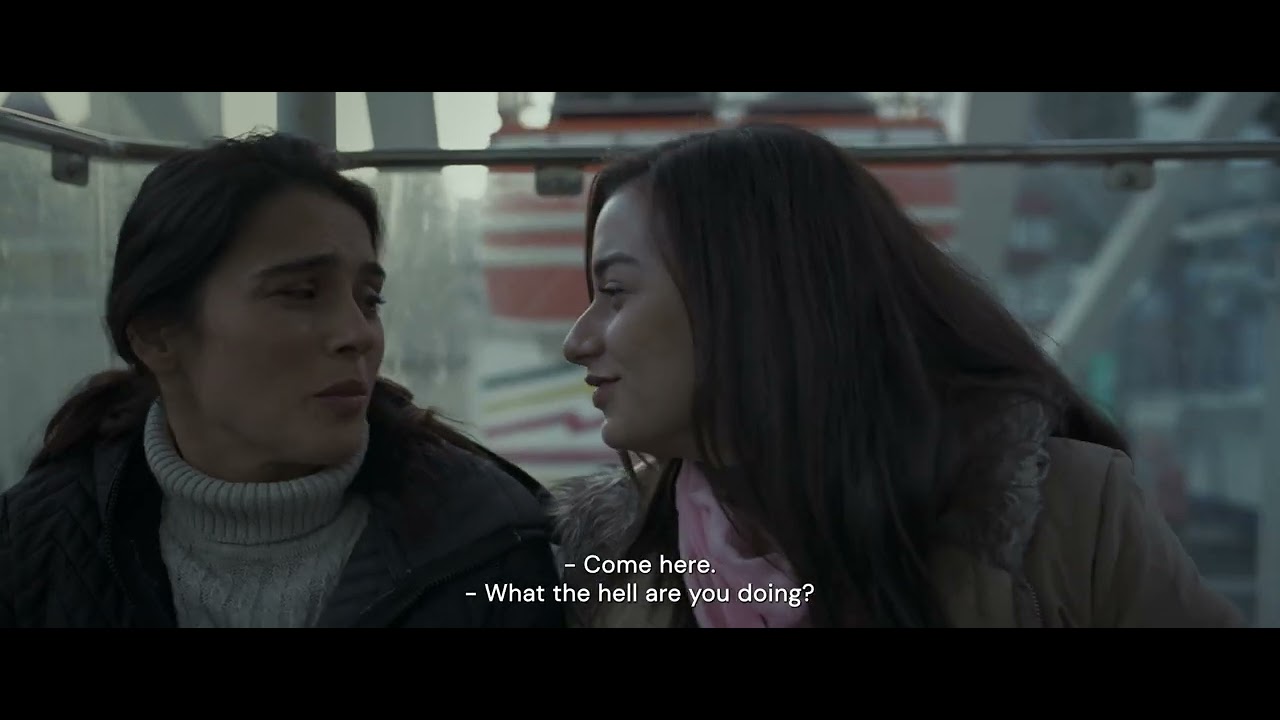
The Storm (2026) by Josephine Bornebusch

SE | 2026 | 101 min | Comedy, Drama
A Storm Traps Old Friends at a Birthday Party Where Long-Held Grudges Erupt
Filip invites his old university friends to celebrate his 45th birthday at a luxurious estate in northern Sweden. A violent storm leaves the group stranded, turning a carefully arranged gathering into an uncomfortable extended stay. As grievances and betrayals surface, the guests lose more than their good manners: they begin questioning the relationships that brought them together.
➡️ Storyline: A celebration of longstanding friendship becomes a test of whether that friendship still exists beyond shared memories.
Why to Watch The Storm: A Swedish Ensemble Lets the Celebration Fall Apart
Gustaf Skarsgård, Aliette Opheim, Filip Berg, Jonas Karlsson and Johan Rheborg give the film a substantial ensemble draw. The attraction is watching a group of recognisable performers navigate escalating embarrassment, hostility and shifting loyalties. For audiences who enjoy disastrous gatherings, the premise makes a clear promise: nobody can leave when the conversation becomes unbearable.
Josephine Bornebusch writes, directs and appears in the film, following directing work on Let Go and episodes of Baby Reindeer. That background provides another reason for interest, particularly for viewers drawn to uncomfortable character relationships. The supplied audience reviews are sharply divided over the film’s exaggeration and humour, suggesting that its abrasive tone will be an important part of its appeal—or its limitation.
➡️ Reason to Watch: An established ensemble and a filmmaker experienced in uncomfortable relationships take a birthday gathering into dark-comedy territory.
Why The Storm Stands Out: The Reunion Comedy Loses Its Escape Routes
The Storm combines two familiar devices: the reunion that exposes old tensions and the isolated setting that forces people to stay together. Its particular genre angle is the collision between luxury hospitality and a situation the hosts cannot manage. A property intended to impress becomes somewhere everyone must endure one another, making status and good manners increasingly ineffective.
Within friendship comedy, that shifts the function of shared history. Familiarity supplies ammunition as well as affection, while the weather prevents characters from ending an awkward encounter on their own terms. The premise does not reinvent the disastrous dinner party; it intensifies it by making social discomfort and physical confinement operate together.
➡️ Why it stands out: It turns the friendship reunion into a confined ensemble comedy where knowing one another well makes the conflict more personal.
Movie Trend: Dark Comedy — Forced Togetherness Exposes the Cracks in Longstanding Friendships
The Storm uses compulsory proximity to test the difference between maintaining a friendship and merely maintaining its rituals. A birthday invitation confirms that the group still belongs together on paper. Once the celebration breaks down, the characters must confront feelings that ordinary, shorter encounters might allow them to avoid.
This is a useful dark-comedy approach because a familiar social occasion provides both recognition and tension. The audience understands the rules before watching them collapse. Rather than assuming that reunions restore closeness, this form of storytelling asks whether shared history has become a reason to preserve relationships that no longer work comfortably.
➡️ Movie Trend Insight: Reunion comedy becomes sharper when the gathering tests the friendship instead of simply celebrating its survival.
Broad Trend: The Search for Connection — Shared History Needs Present-Day Understanding
Longstanding relationships can offer continuity, but continuity is not the same as emotional closeness. People change while groups retain familiar roles: the successful one, the difficult one, the dependable one. Connection becomes strained when those inherited identities leave little room for who someone has become.
Beyond cinema, this tension applies to university friendships, family gatherings and professional networks. Reunions and shared experiences create opportunities to reconnect, but the occasion cannot do the relational work by itself. Meaningful connection requires curiosity, attention and the willingness to revise old assumptions.
➡️ Broad Trend Insight: Relationships remain meaningful when people update their understanding of one another rather than relying entirely on their shared past.
Viewer Profile: Dark-Comedy Audiences Interested in Social Behaviour, Satire and Nordic Culture
The likely audience enjoys ensemble performances, awkward exchanges and characters who are entertaining without being especially likeable. These viewers often choose films through a recognisable cast, a director’s previous work or a trailer that establishes a distinctive tone. Age ranges below are indicative targeting estimates.
Profile | Audience Insight |
Core Audience | Viewers of dark comedy, ensemble drama and Nordic entertainment. |
Age / Generation | Millennials and Gen X, approximately 30–60, with an interest in adult comedy and character-led films. |
Lifestyle | Cultural interests may include television drama, comedy, podcasts and international streaming discoveries. |
Cinema Taste | Verbal conflict, social observation, escalating situations and morally imperfect characters. |
Story Motivation | Watching personalities collide and seeing how a manageable situation becomes unpredictable. |
Discovery Mindset | Familiar actors, filmmaker recognition, trailers and recommendations from trusted viewers. |
Emotional Driver | Amusement, surprise and the uncomfortable pleasure of watching social rules break down. |
Key Profiles: Familiar Faces and Social Discomfort Offer Different Reasons to Watch
1. The Nordic Ensemble Follower
Audience Description: Adults approximately 30–65 who follow Swedish actors across film and television. The concentration of established performers provides the clearest entry point.
2. The Awkward-Comedy Enthusiast
Audience Description: Adults approximately 25–50 who enjoy films that push embarrassment beyond polite limits. The trapped-party setup offers a sustained opportunity for escalating conflict.
3. The Filmmaker-Led Viewer
Audience Description: Adults approximately 25–55 interested in Bornebusch’s work across comedy and drama. Her combined writing, directing and acting roles make this a particularly clear expression of her creative choices.
➡️ Audience Insight: The film can attract viewers through its ensemble, its promise of social chaos or curiosity about Bornebusch’s move between dramatic tones.
What This Movie Means for the Industry: A Familiar Comedy Format Can Support Distinct Local Positioning
The Storm illustrates how an established ensemble-comedy structure can be differentiated through regional casting, setting and authorial tone. Its creative proposition combines a friendship reunion with physical confinement, allowing character conflict to carry an easily communicated premise. From a production perspective, a concentrated setting places particular importance on ensemble coordination, staging, editing and sustained escalation; it does not by itself establish a low-cost model. Marketing can draw on Bornebusch’s directing profile and the cast’s domestic recognition, while the selected Swedish theatrical release followed by global Netflix availability provides complementary exhibition routes. The broader implication is that locally recognisable talent and culturally specific social behaviour can support an internationally accessible genre proposition, although accessibility alone does not guarantee that its humour will travel equally well.
➡️ Industry Insight: Local casting and a clear tonal identity can distinguish a familiar comedy format, while distribution strategy determines how widely that proposition can be tested.
Final Verdict: A Friendship Reunion Built to Become Uncomfortable
The Storm’s clearest appeal is its ensemble-driven escalation: a polished celebration becomes an occasion where nobody can keep appearances intact. Its established cast and Bornebusch’s involvement make it a credible discovery for viewers who actively enjoy abrasive humour, while the divided supplied reactions suggest a more uncertain fit for those seeking warmth or sympathetic characters.
Its dark-comedy premise connects with The Search for Connection by questioning what keeps an old group together. The storm forces everyone into the same space, but the relationships still have to account for the distance that has developed between them.
➡️ Final Verdict Insight: The film turns togetherness into a provocation: being unable to leave is very different from wanting to stay.
Final Insights: Connection Requires More Than Keeping the Group Together
The search for connection involves the quality of attention within relationships, not simply their duration or frequency. A gathering can preserve a tradition while revealing how little its participants understand one another’s current lives. Stories about reunions make that gap especially visible.
For entertainment, this creates room for comedies that examine friendship without treating longevity as proof of success. Future versions can explore how groups adapt, renegotiate expectations or acknowledge that some relationships have changed, giving humour a role in examining bonds that are difficult to discuss directly.
➡️ Final Insight: Shared memories can sustain a relationship without keeping it close. Connection depends on recognising who people are becoming. Reunion stories remain relevant when they test whether familiar bonds can accommodate that change.
Comments