



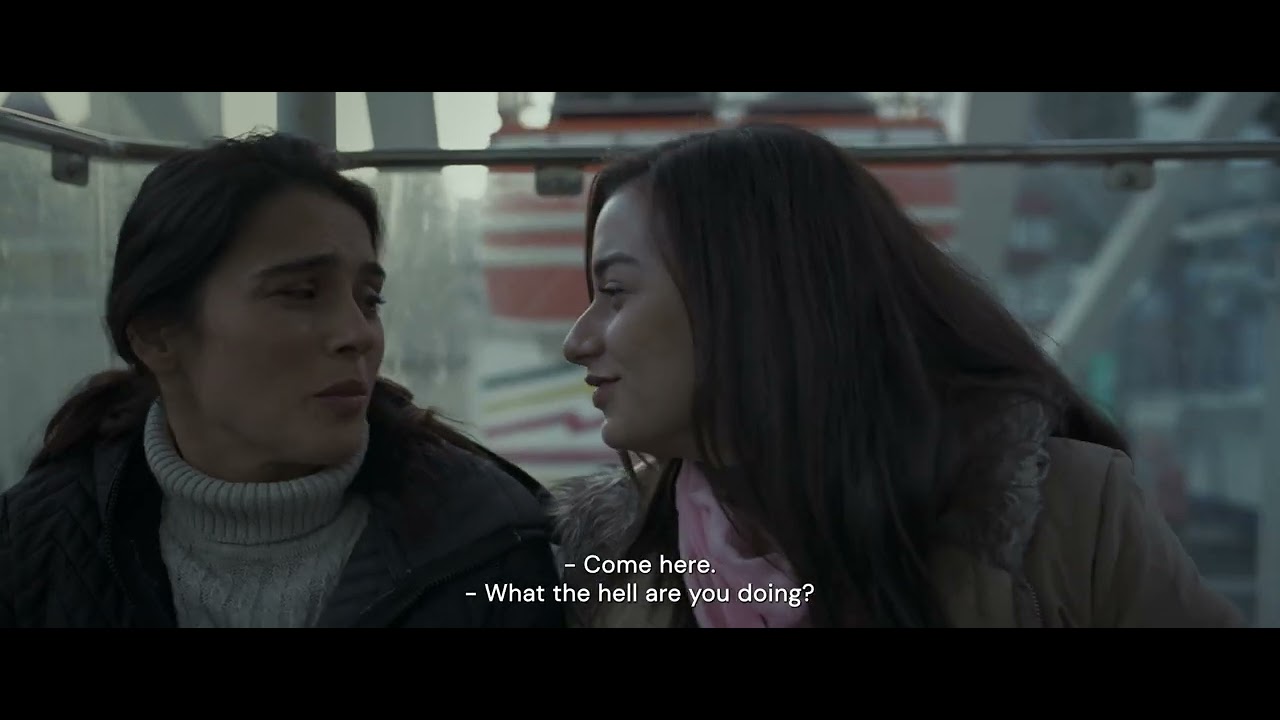
Avemmaria (2025) by Fortunato Cerlino

IT, HU | 2025 | 109 min | Drama
➡️ Where to Watch: IT
Growing Up in Two Dark Rooms, a Boy Dreams Beyond His Circumstances
Felice grows up in Pianura, on the outskirts of Naples, in a crowded home where his father’s unemployment, his mother’s grief and his grandmother’s resentment leave little space for childhood. Outside, violence narrows his possibilities further. Yet his imagination refuses to stay within those two dark rooms, and a teacher who recognises his singing talent encourages him to picture a different future.
➡️ Storyline: A boy’s struggle to grow begins with believing that his circumstances do not have to become his destiny.
Why to Watch Avemmaria: A Familiar Face From Gomorrah Tells a More Personal Story
Fortunato Cerlino’s feature directing debut offers a clear point of interest for audiences familiar with his acting career, particularly Gomorrah. Adapted from his own novel, Se vuoi vivere felice, the film brings a personal connection to its portrait of childhood. Salvatore Esposito, Marianna Fontana and young lead Mario Di Leva provide further cast appeal.
The emotional hook is the tension between what adults accept and what a child can still imagine. For viewers drawn to intimate Italian drama, that creates a reason to engage beyond the hardship itself: Felice’s curiosity and ambition keep another version of life within reach. The film’s presentation at Torino adds a festival discovery angle without implying an award win.
➡️ Reason to Watch: A recognisable actor moves behind the camera to explore the childhood experiences behind a deeply personal story.
Why Avemmaria Stands Out: Imagination Pushes Against a World of Limited Choices
Stories about difficult childhoods often draw their force from what a young protagonist endures. Avemmaria’s distinctive premise also gives weight to what Felice imagines. His singing and his teacher’s encouragement introduce possibilities that the adults around him struggle to recognise.
That perspective shifts the emphasis within a familiar setting of deprivation and neighbourhood violence. The central attraction is a child attempting to preserve an inner life in an environment that demands practical survival. Its autobiographical foundation gives this tension a specific personal origin, although the underlying coming-of-age framework remains familiar.
➡️ Why it stands out: A harsh childhood is approached through the fragile space between inherited expectations and a boy’s imagined future.
Movie Trend: Coming-of-Age Drama — Childhood Becomes a Struggle to See Beyond Inherited Hardship
Avemmaria frames growing up as a negotiation with circumstances that arrive before personal choice. Felice inherits a home, a neighbourhood and adults’ expectations about what someone in his position can become. His development depends partly on finding encouragement outside that immediate environment.
This offers a useful lens on socially grounded coming-of-age storytelling: maturity involves recognising unequal starting points as well as discovering individual strengths. Such stories become more persuasive when they give imagination and support meaningful roles without suggesting that determination alone can remove structural barriers.
➡️ Movie Trend Insight: Coming-of-age drama gains depth when personal ambition is understood alongside the conditions that make pursuing it possible.
Broad Trend: The Search for Security — An Unstable Home Makes the Future Harder to Imagine
Security includes reliable income, a safe home and the emotional capacity to think beyond the next difficulty. Avemmaria connects these needs through a household where unemployment and distress affect everyday relationships. The home provides shelter, but its occupants struggle to provide one another with reassurance.
Beyond cinema, this perspective applies to work, housing, education and family life. Predictability creates room to plan, learn and take manageable risks. The search for security therefore includes a desire for breathing space: enough stability to make choices before circumstances make them on someone’s behalf.
➡️ Broad Trend Insight: Security becomes most valuable when it gives people room to build a future rather than continually respond to immediate pressures.
Viewer Profile: Drama Audiences Interested in Italian Culture, Literature and Independent Cinema
The likely audience favours performances, local detail and character development. These viewers often choose films through filmmakers, literary connections and curated recommendations, and are comfortable with reflective pacing. The ages below are indicative targeting estimates.
Profile | Audience Insight |
Core Audience | Viewers of Italian cinema and character-led independent drama. |
Age / Generation | Millennials and Gen X, approximately 30–60, with established interests in international cinema and literary adaptations. |
Lifestyle | Cultural interests may include reading, theatre, film festivals and curated streaming. |
Cinema Taste | Intimate dramas, regional storytelling and films built around believable characters. |
Story Motivation | An interest in developed perspectives and emotionally credible storytelling. |
Discovery Mindset | Familiar actors, filmmaker interviews, festival programmes and specialist film coverage. |
Emotional Driver | Immersion and reflection, with room for complexity after the film ends. |
Key Profiles: Familiar Talent and Personal Authorship Create Different Entry Points
1. The Cast-Led Explorer
Audience Description: Adults approximately 25–50 who recognise Cerlino or Esposito and are curious to follow familiar talent into a different dramatic setting.
2. The Literary Adaptation Viewer
Audience Description: Adults approximately 35–65 interested in how an author translates personal experience from a book into cinema, particularly when the writer also directs.
3. The Italian Cinema Discoverer
Audience Description: Adults approximately 25–60 who seek regional voices and first features, with the Naples setting and Torino presentation providing reasons to investigate.
➡️ Audience Insight: The film can attract viewers through recognisable names, the relationship between book and screen, or curiosity about an emerging directorial voice.
What This Movie Means for the Industry: Personal Authorship Can Differentiate Familiar Social Drama
Avemmaria demonstrates a positioning opportunity within an established genre: combining an autobiographical source with a recognisable actor’s move into feature directing. Its contribution lies in the particular perspective it brings to childhood and aspiration, rather than a new narrative format. From a marketing standpoint, Cerlino’s existing recognition and the adaptation provide clear material for interviews, trailers and editorial coverage. Its Torino presentation, Italian theatrical release through Europictures and subsequent digital rental availability offer complementary routes to discovery. The broader implication is that culturally specific dramas can connect personal authorship, recognisable talent and accessible distribution, while retaining a clear identity beyond their cast’s previous work. These elements support positioning; they do not establish commercial demand.
➡️ Industry Insight: Familiar genres can acquire a distinct market identity through personal authorship, carefully framed talent recognition and a coherent release strategy.
Final Verdict: A Childhood Story About the Space Needed to Grow
Avemmaria’s strongest appeal is the relationship between a tightly constrained environment and a child’s expansive imagination. Cerlino’s personal connection to the material gives the project a compelling foundation for audiences interested in intimate Italian filmmaking.
Its coming-of-age perspective connects directly with The Search for Security: imagining a future becomes harder when everyday life offers little stability. Felice’s aspirations matter because they reveal what insecurity can threaten before a child has had the chance to choose.
➡️ Final Verdict Insight: The film’s central tension is the distance between having dreams and having the conditions to pursue them.
Final Insights: Stability Creates Room for Possibility
The search for security extends beyond protection from immediate danger. It includes dependable relationships, continuity and the confidence that plans will not be overturned at every step. Stories about childhood make these needs tangible because young people depend so heavily on conditions they did not create.
For filmmakers, this opens space for dramas that connect aspiration with practical support. The most insightful versions can explore who provides encouragement, which opportunities become available and how environments shape choices—while preserving the individuality of the people living within them.
➡️ Final Insight: Security creates room to imagine a different life. Support helps turn that possibility into a choice. Future storytelling can deepen this connection by showing both individual initiative and the conditions that sustain it.
Comments