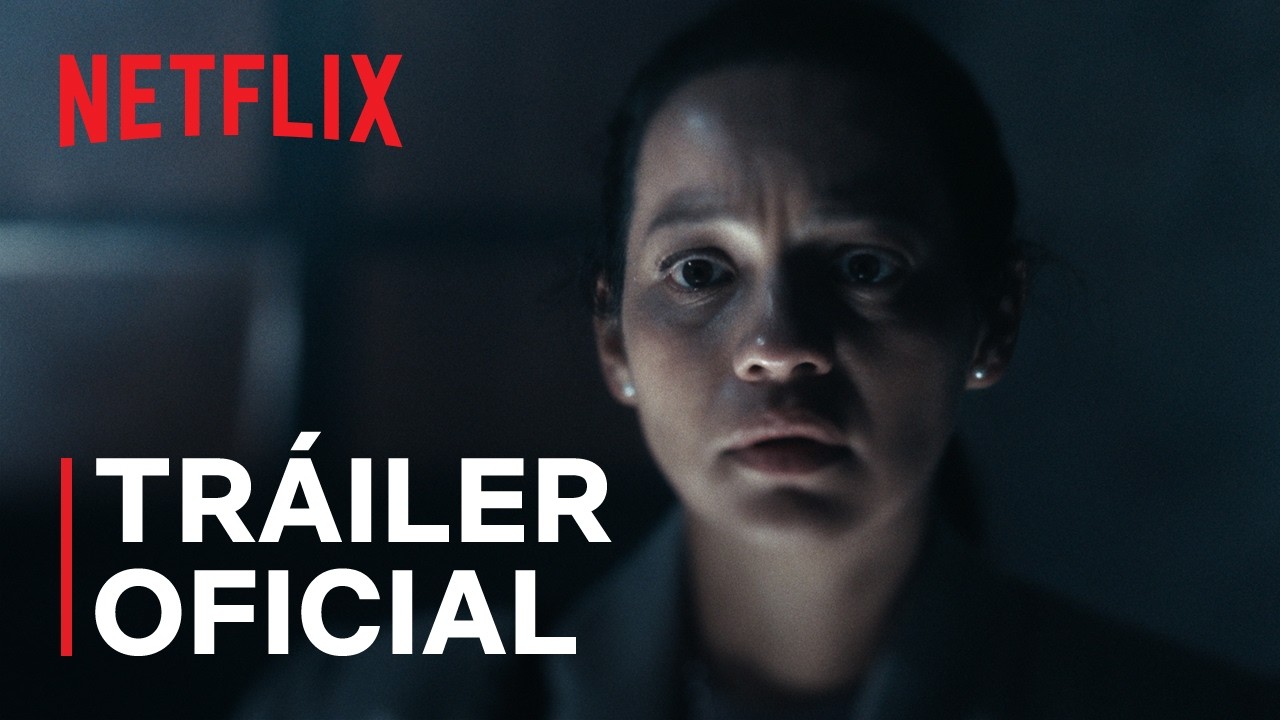



Under Siege (2026) by Jayro Bustamante, Edgar Nito and Samir Oliveros

CO | 2026 | 8 episodes | Historical Drama / Political Thriller
➡️ Where to Watch: Netflix from November 6, 2026
Colombia’s Palace of Justice Siege Leaves Families Searching for Answers
On November 6, 1985, an M-19 guerrilla commando seized Colombia’s Palace of Justice, taking more than 300 people hostage. The next day, the Colombian Army retook the building. This eight-part fictional series recounts the siege and its aftermath, including the deaths and disappearances of at least 94 people. It also follows victims’ families as they pursue justice over the decades that follow.
➡️ Storyline: A national tragedy unfolds through the siege, its aftermath and families’ long search for justice.
Why to Watch Under Siege: A Major Colombian Production Revisits a National Trauma
The series offers a chance to explore a pivotal Colombian event through a fictionalized drama built on more than seven years of research involving documents, testimonies and interviews. Netflix describes the production as its second most ambitious Colombian series after One Hundred Years of Solitude. The team recreated the Palace of Justice on a large Bogotá set, including a 30-metre façade, to give the story a substantial physical setting.
The creative team adds another audience draw. Jayro Bustamante, one of three directors, is an internationally recognized filmmaker whose work has received major festival attention. The series is produced by Dynamo, the Colombian company behind Narcos, and features a local ensemble that includes Natalia Reyes, Robinson Díaz and Nicole Santamaría. The November 6 Netflix premiere offers viewers a way into a difficult chapter of Colombian history through serialized storytelling.
➡️ Reason to Watch: A researched, large-scale Colombian production brings together an experienced creative team and local cast to revisit an event whose consequences extended far beyond the siege itself.
Why Under Siege Stands Out: The Crisis Continues After the Palace Is Retaken
Many siege dramas build toward the moment the immediate danger ends. Under Siege also follows the prolonged pursuit of justice by victims’ families, widening its focus from the people inside the Palace to those left to seek answers afterward. That broader timeline makes the aftermath part of the story’s central stakes.
The series is fictional, inspired by real and publicly known events. Its research base and multiple perspectives may help viewers engage with the event, while the dramatic format inevitably shapes how those events are presented. That makes its framing worth attention: the series is an interpretation of history, rather than a documentary record.
➡️ Why it stands out: It connects the two-day siege to a decades-long aftermath, centering the families’ pursuit of justice alongside the crisis itself.
Movie Trend: Political Docudrama — Archival Research and Testimony Become Serial Storytelling
Under Siege draws on documents, testimony and interviews to construct a dramatic account of a politically charged historical event. Its eight-episode structure gives the story room to move among people, institutions and consequences, rather than remaining solely within the Palace during the siege.
This reflects a wider appeal of political docudrama: audiences can encounter history through characters and narrative tension, while a series can connect the central event to its longer human aftermath. The challenge is to make clear where documented history ends and fictional reconstruction begins. Here, the stated research process and the series’ fictional status are both important context for viewers.
➡️ Movie Trend Insight: Political docudrama can turn a complex historical record into an accessible serial narrative, while requiring care about how that record is interpreted.
Broad Trend: The Search for Truth — Public Memory Remains Open to Questions
The Search for Truth emerges when an event has lasting consequences and important questions remain part of public memory. Under Siege connects the immediate violence of the Palace’s seizure and retaking to the families’ continuing efforts to establish what happened and seek justice.
That search reaches beyond television. Communities affected by political violence often rely on archives, testimony, legal processes and public storytelling to preserve memory and challenge incomplete accounts. A fictional series can bring attention to those questions, but it should prompt viewers to distinguish dramatic interpretation from historical evidence.
➡️ Broad Trend Insight: Truth-seeking continues when families and communities use testimony, records and public memory to confront the unresolved consequences of violence.
Viewer Profile: Historical Drama Viewers Seeking Context and Human Stories
This is a potential audience profile based on the series’ subject and format, rather than measured viewer demographics.
Profile | Audience Insight |
Core Audience | Viewers interested in historical and political dramas centered on real events and their human consequences. |
Age / Generation | Adult Gen Z, Millennials and Gen X, approximately 25–60, may be drawn to history-led serial storytelling and questions of public accountability. |
Lifestyle | Viewers who follow international series and seek stories that connect entertainment with historical context. |
Cinema Taste | Political thrillers, historical dramas, docudramas and ensemble stories told across multiple perspectives. |
Story Motivation | Understanding the events, the people affected and the search for justice that followed. |
Discovery Mindset | May discover the series through Netflix, Colombian drama, the cast, the directors or interest in the 1985 siege. |
Emotional Driver | A desire to understand how families live with unanswered questions after national trauma. |
Key Profiles: Three Ways Into the Historical Drama
1. The Colombian History Seeker
Audience Description: Viewers interested in the country’s recent history and how it is represented through local voices and stories. The series’ Colombian cast, production and setting provide a direct entry point.
2. The Political Docudrama Viewer
Audience Description: Audiences drawn to dramatizations of real political events, particularly when the narrative explores more than one perspective and the consequences continue beyond the central crisis.
3. The Human Aftermath Viewer
Audience Description: Viewers who focus on families and communities living with loss, uncertainty and long struggles for recognition. The pursuit of justice gives them a sustained emotional thread through the historical events.
➡️ Audience Insight: Some viewers may come for Colombian history, others for political reconstruction, and others for the families’ long effort to find answers.
What This Series Means for the Industry: Local History Can Support Global-Scale Storytelling
Under Siege shows how a streaming platform can invest in a locally grounded historical story with substantial production design and an international creative team. Netflix’s scale, Dynamo’s experience and the seven-year research process give the project a strong positioning proposition. Its reception will depend on whether the series makes the historical context accessible while handling its contested memories with care.
➡️ Industry Insight: Large-scale production can bring local history to international audiences, while the storytelling must preserve the complexity behind the spectacle.
Final Verdict: A Siege Story With a Long Aftermath
Under Siege draws on a consequential moment in Colombian history and gives substantial narrative space to the families seeking justice after the crisis. Its research-led approach, eight-episode scope and large-scale recreation of the Palace make it an ambitious historical drama.
The connection between Political Docudrama and The Search for Truth lies in how the series turns a historical record into a dramatic account of questions that remained meaningful for decades. Its strongest audience promise is not only to revisit the siege, but to follow what the search for answers demands of those left behind.
➡️ Final Verdict Insight: Under Siege links a national crisis to the families’ continuing need for truth and justice.
Final Insights: Truth-Seeking Requires More Than One Account
Historical events with unresolved consequences continue to shape public memory. Archives, testimonies and family accounts can challenge gaps in the record, while dramatizations can make the human stakes visible to new audiences. Each form contributes differently, and viewers benefit from knowing which one they are encountering.
As international streaming platforms invest in stories rooted in local histories, responsible storytelling becomes central to audience trust. The strongest projects can create interest in the event while encouraging viewers to seek out historical sources and perspectives beyond the screen.
➡️ Final Insight: Historical crisis → contested memory → testimony and research → public understanding. Dramatic storytelling can bring more viewers to difficult histories. Its lasting value depends on how carefully it represents the difference between evidence and interpretation.
Comments