


Tell Me What You Feel (2026) by Lukasz Ronduda:A volatile Polish romance where art, trauma, and class collide
- dailyentertainment95

- 23 minutes ago
- 8 min read
Summary of the Movie: When Trauma Becomes the Love Language
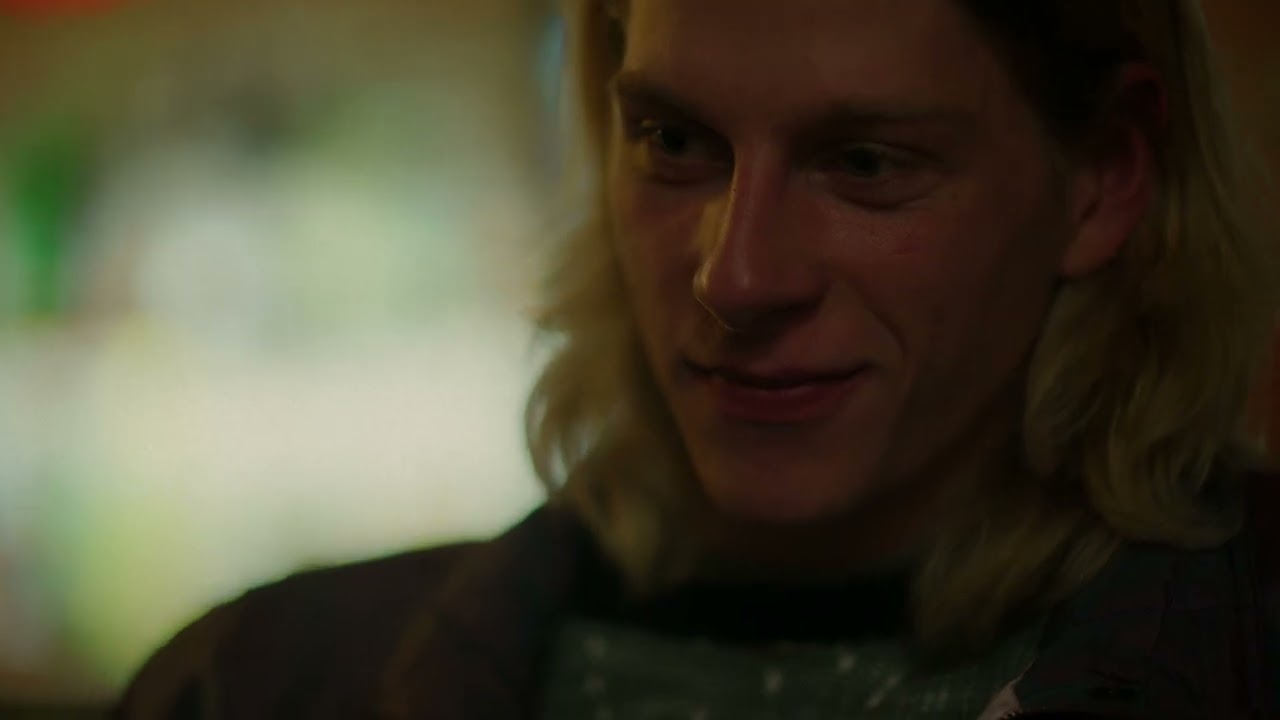
Patryk can't sell his paintings and can't cry on demand—two failures that collide when he stumbles into Tear Dealer, an art project paying people in poverty for their tears. Maria conceived it, runs it, and comes from the kind of family that funds art rather than needs money from it. Their class difference charges the romance before either acknowledges it, creating a relationship where vulnerability and performance become indistinguishable.
The film builds through emotional volatility rather than plot mechanics, two people using art-making and trauma-sharing as substitutes for the direct communication neither can manage. Ronduda's direction stays close and physical, capturing the exhilaration of early intimacy alongside its instability. The pacing mirrors the relationship itself—intense, searching, occasionally airless.
Patryk and Maria discover shared wounds beneath opposite circumstances, building connection in the charged space where class, creativity, and emotional need intersect uncomfortably.
Where to watch: https://pro.festivalscope.com/film/tell-me-what-you-feel (industry professionals)
Link IMDB: https://www.imdb.com/title/tt39602504/
Link Review: https://cineuropa.org/en/newsdetail/488384/
Genre: Volatile art-world romance with emotional rawness. Feels less like conventional drama and more like witnessing two people trying to invent a language for each other in real time.
Movie themes: Vulnerability as currency. The film dissects how trauma gets exchanged, performed, and weaponized between two people whose emotional needs don't quite align.
Movie trend: Art-world intimacy cinema. Romance unfolds through creative practice rather than conventional courtship, using artistic collaboration as both connection and conflict.
Social trend: Emotional labor made visible. Tear Dealer literalizes the economy of feeling, reflecting cultural conversation around who profits from vulnerability and who pays for it.
Movie director: Ronduda brings art-world credibility to narrative film. His background in contemporary Polish art gives the creative environments authentic texture rather than aesthetic decoration.
Top casting: Salasinski and Dudziak carry the film on physical and emotional presence. Their chemistry operates in the volatile register of two people simultaneously drawn together and pulling apart.
Awards and recognition: Limited critical attention at this stage. Pure discovery positioning with festival circuit momentum building.
Release and availability: Theatrical January 31, 2026 in Netherlands. Polish production with European festival trajectory building platform discovery pipeline.
Why to watch movie: The romance film that takes art seriously as emotional language. Tear Dealer as concept alone signals a filmmaker thinking beyond conventional dramatic mechanics.
Key Success Factors: The Tear Dealer concept is genuinely original, transforming grief into economic transaction and romantic catalyst simultaneously—a premise no studio would greenlight and only independent cinema can sustain.
Insights: The film works now because it literalizes what contemporary audiences already sense—that emotional vulnerability has become transactional, and intimacy increasingly requires negotiating whose pain counts more.
Industry Insight: Polish art cinema finds European distribution through festival momentum, building niche but loyal audiences platforms increasingly value for catalog depth. Original conceptual premises differentiate independent productions from formulaic romance content. Consumer Insight: Audiences respond to romance narratives where emotional complexity replaces conventional courtship, reflecting appetite for intimacy stories acknowledging power dynamics and class alongside feeling. Brand Insight: Tell Me What You Feel positions art-world romance as emotionally serious genre territory, signaling that conceptually ambitious premises generate deeper engagement than familiar romantic frameworks.
The film trends within art-world adjacent audiences and European cinema communities drawn to romance that refuses emotional safety. Patryk's inability to cry on demand becomes the film's central metaphor—authenticity under pressure, performed vulnerability versus genuine feeling, the impossible demand that intimacy be both spontaneous and legible. Ronduda's conceptual precision elevates the material beyond conventional romance into something that lingers precisely because it refuses easy resolution.
Why It Is Trending: Raw Intimacy in a Calculated World
The film arrives when audiences exhausted by sanitized romance seek something physically and emotionally unfiltered. Tear Dealer as concept generates curiosity beyond conventional film audiences, circulating through art-world communities and cultural discourse around emotional labor. Polish cinema's growing international visibility creates appetite for Eastern European voices addressing intimacy outside Hollywood frameworks. The film's volatility resonates with younger audiences navigating relationships where vulnerability feels simultaneously necessary and dangerous.
Elements driving the trend:
Atmosphere that sticks: The Tear Dealer environment—mirrors, sobs, transactional grief—creates imagery that lingers long after the romance fades from memory.
Relatable emotional tension: The class divide between Patryk and Maria reflects lived experience of relationships where different economic realities silently destabilize genuine connection.
Word-of-mouth discovery: Circulates through art-world networks and European cinema communities as "the romance that takes feeling seriously," spreading through recommendation rather than algorithm.
Contrast with the market: Where mainstream romance sanitizes vulnerability, this film treats emotional rawness as both subject and aesthetic, refusing comfortable distance.
Trauma as intimacy language: Reflects cultural normalization of therapy-speak and emotional disclosure in relationships, where sharing wounds replaces conventional romantic gestures.
Art-world authenticity: Ronduda's contemporary art background gives creative environments genuine texture, attracting audiences tired of films that aestheticize art without understanding it.
Class tension as romantic fuel: The wealth gap between characters adds friction mainstream romance consistently softens, reflecting growing audience appetite for stories acknowledging economic reality within intimacy.
Physical volatility: The film's fierce physicality signals a register of romantic intensity streaming comfort content systematically avoids.
Insights: Audiences increasingly reward romance that acknowledges power dynamics and emotional labor rather than suspending them for the sake of fantasy.
Industry Insight: Polish art cinema builds international visibility through European festival circuits, converting critical momentum into platform discovery for audiences seeking alternatives to English-language romance content. Conceptually original premises generate press and community circulation that marketing budgets cannot replicate. Consumer Insight: Younger audiences invest in volatile romance narratives reflecting the emotional complexity of real relationships rather than aspirational fantasy. Trauma-sharing as intimacy resonates with generations who process relationships through therapeutic frameworks. Brand Insight: The film's value builds through art-world and festival community circulation, positioning conceptual ambition as discovery engine beyond conventional romance audiences.
The film trends because it occupies the uncomfortable space most romance avoids—where genuine feeling and performed vulnerability become indistinguishable, where class quietly determines who absorbs whose pain. Patryk and Maria's dynamic resonates because it reflects how contemporary intimacy actually operates, charged with unspoken negotiation around emotional currency and creative identity. Ronduda's refusal to resolve the tension earns trust from audiences tired of romance that mistakes comfort for honesty.
What Movie Trend Is Followed: Volatile Intimacy Cinema Claims Serious Territory
The film belongs to a movement where romantic relationships become pressure chambers for class tension, creative identity, and emotional labor rather than vehicles for conventional courtship resolution. Intimacy cinema matures from will-they-won't-they mechanics into excavations of power, vulnerability, and the negotiation underneath attraction. Tell Me What You Feel exemplifies how conceptual art premises elevate romantic drama beyond genre convention, using creative practice as emotional battleground. The trend solidifies as audiences demonstrate appetite for romance acknowledging that intimacy is never power-neutral.
Macro trends influencing: Romance genre fatigue drives audiences toward relationships portrayed as volatile and unresolved rather than aspirational and comfortable.
Macro trends influencing — economic & social context: Growing class awareness and wealth inequality make economic tension within intimate relationships dramatically urgent rather than incidental.
Description of main trend: Volatile intimacy cinema frames romantic relationships as charged spaces where class, trauma, and creative identity collide without resolution or reassurance.
Implications for audiences: Viewing shifts from romantic escapism toward emotional recognition, offering validation for relationships that resist the clarity conventional romance demands.
Audience motivation: Viewers seek permission to find volatile, unresolved intimacy dramatically meaningful rather than narratively unsatisfying.
Related movie trends: Connects to class-conscious romance, art-world drama, and autofiction intimacy cinema where personal emotional experience drives narrative rather than plot convention.
Related audience trends: Aligns with therapy culture normalization, growing class consciousness among younger audiences, and social media discourse around emotional labor in relationships.
Movies using this trend:
Blue Is the Warmest Color (2013): Two young women navigate fierce physical and emotional intimacy across class difference without comfortable resolution.
Portrait of a Lady on Fire (2019): Desire articulated through artistic observation rather than conventional declaration, restraint generating more intensity than expression.
Titane (2021): Identity and intimacy pushed to extreme physical registers, refusing psychological safety or narrative reassurance.
Aftersun (2022): Emotional volatility conveyed through accumulation and absence rather than dramatic confrontation, leaving audiences with unresolved feeling.
All of Us Strangers (2023): Intimacy as simultaneously healing and destabilizing, vulnerability generating connection and damage simultaneously.
Monster (2023): Emotional reality examined from multiple perspectives, refusing singular interpretation of complex relational dynamics.
Insights: Volatile intimacy cinema resonates now because audiences recognize that real relationships operate in unresolved emotional registers mainstream romance systematically avoids.
Industry Insight: European art cinema builds sustainable international audiences through festival momentum and platform discovery, reducing distribution risk for conceptually ambitious content. Low-budget volatile intimacy films generate critical conversation disproportionate to production cost, attracting platform investment in catalog depth. Consumer Insight: Younger audiences align with romance narratives reflecting emotional complexity over fantasy resolution, investing in films validating the volatile, unresolved texture of real intimacy. Brand Insight: Volatile intimacy cinema reshapes romance genre perception by proving that discomfort and unresolution generate deeper audience engagement than aspirational comfort.
The trend positions emotional volatility as romantic authenticity rather than narrative failure, challenging filmmakers to trust audiences with relationships that don't resolve cleanly. The industry can respond by investing in intimate two-character studies where conceptual premises replace conventional plot mechanics, recognizing that creative environments generate dramatic tension studios consistently undervalue. Distribution should prioritize European festival pipelines for art-world adjacent content, allowing conceptually ambitious romance to find audiences through critical community rather than algorithmic promotion.
Final Verdict: Some Relationships Leave Marks, Not Lessons
The film's cultural role lies in validating relationships that resist narrative tidiness, arriving when audiences need permission to find meaning in intimacy that doesn't resolve. Ronduda refuses both romantic reassurance and clean psychological explanation, trusting the volatile space between two people to generate its own meaning. The impact accumulates through festival circulation and art-world community discovery rather than theatrical momentum. The film outlasts its limited release because unresolved intimacy never loses cultural relevance.
Meaning — Feeling Without Translation: The film ultimately says that genuine connection resists articulation, and that the attempt to find language for intimacy is itself the relationship. Patryk and Maria's failure to fully understand each other isn't tragic—it's honest.
Relevance — Trauma Economy Made Visible: It connects now because Tear Dealer literalizes what younger generations already navigate—the transactional dimension of emotional vulnerability in relationships where class and creative identity quietly determine whose pain gets validated. The concept resonates beyond art-world audiences because the dynamic is universal.
Endurance — Concept Over Comfort: The film's shelf life depends on the Tear Dealer premise remaining culturally generative rather than dated, positioning it for sustained discovery among audiences drawn to conceptually ambitious romance. Films asking genuinely original questions outlast films providing familiar answers.
Legacy — Art-World Romance Grows Up: Tell Me What You Feel contributes to genre evolution by proving that contemporary art practice generates dramatic tension equal to any conventional romantic mechanic. Ronduda establishes a template for filmmaker-artists bringing conceptual precision to intimate narrative, expanding what European romance cinema can claim as serious territory.
Insights: The film's longevity stems from asking questions about emotional authenticity and vulnerability that grow more urgent rather than less, ensuring ongoing discovery as trauma-sharing culture deepens across generations.
Industry Insight: Conceptually original premises build catalog value beyond release cycle, generating sustained critical and community interest that conventional romance content rarely maintains. Polish art cinema's international visibility creates distribution infrastructure for ambitious intimate films reaching global platform audiences. Consumer Insight: Audiences return to volatile intimacy films at personally resonant moments rather than on release date, building long-tail loyalty around narratives validating emotional complexity over resolution. Brand Insight: Tell Me What You Feel signals that conceptual ambition and romantic authenticity generate more durable cultural credibility than genre comfort, establishing art-world intimacy as serious and sustainable cinema territory.
The entertainment industry can respond by commissioning intimate two-character studies where artistic environments replace conventional romantic settings, recognizing that creative practice generates emotional stakes studios consistently underestimate. Investment in Eastern European and Polish cinema expands beyond festival novelty into genuine platform strategy, acknowledging that non-English intimate drama builds loyal international audiences algorithmic content cannot replicate. The future belongs to romance honest enough to leave audiences unsettled—Tell Me What You Feel earns that discomfort completely.

Comments