
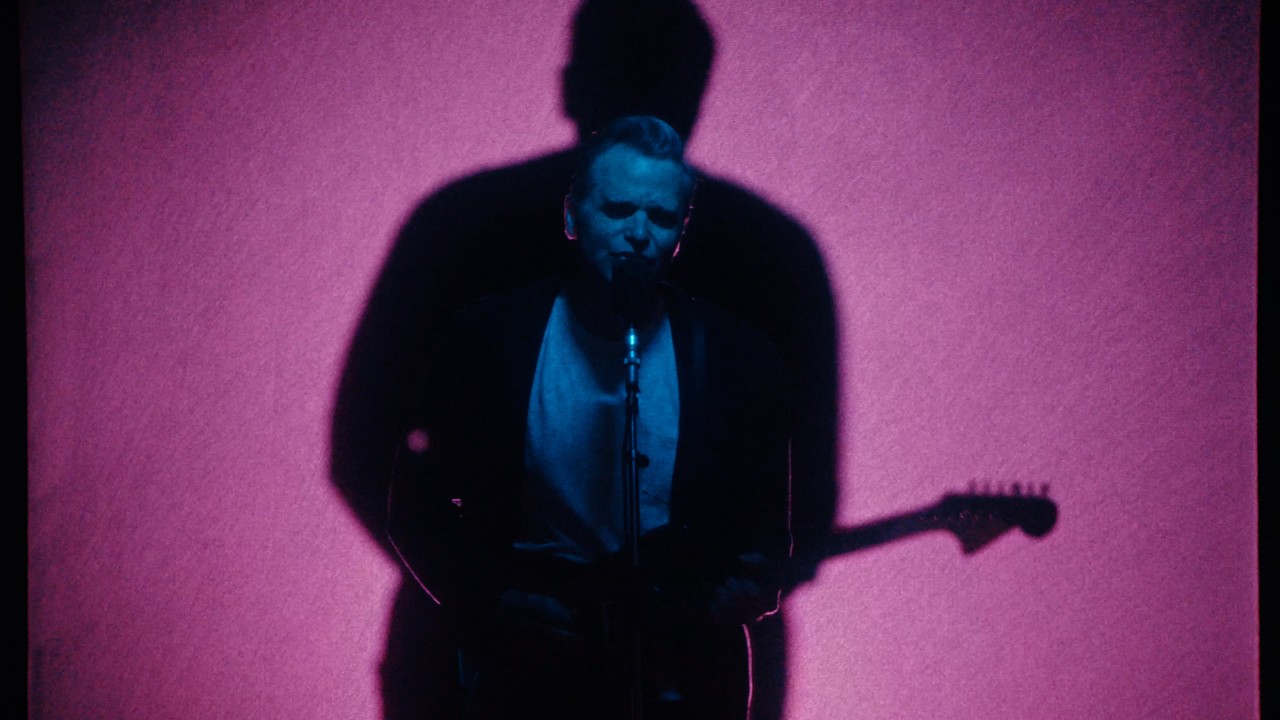


A Light That Never Goes Out (2025) by Lauri-Matti Parppei: When perfection breaks, noise becomes a lifeline
- dailyentertainment95

- Feb 2
- 8 min read
Summary of the Movie: When surviving yourself becomes the real work
This is a low-key Nordic indie that looks gentle on the surface but sits right on top of burnout, depression, and creative suffocation. The energy comes from contrast—between silence and sound, control and mess, ambition and staying alive.A Light That Never Goes Out follows Pauli, a classically trained musician whose breakdown sends him back to his small coastal hometown, where an unlikely friendship pulls him toward music that feels alive instead of correct.
Where to watch: https://pro.festivalscope.com/film/a-light-that-never-goes-out-1 (industry professionals)
Link IMDB: https://www.imdb.com/title/tt6932624/
Genre: Indie drama with deadpan humor and musical heartThe film blends melancholic realism with dry comedy, letting music function as both structure and emotional release.
• Movie plot: A musician starting over without a planAfter a breakdown derails his career, Pauli reconnects with Iiris, whose chaotic noise experiments drag him out of perfectionism and into something closer to joy.
• Movie themes: Depression, creative pressure, and chosen connectionThe story treats mental health honestly, showing how art can both damage and repair depending on how it’s held.
• Movie trend: Burnout narratives replacing success storiesIt fits a wave of films about young adults unlearning achievement culture rather than climbing toward it.
• Social trend: Redefining creativity as play, not proofThe film reflects a shift away from prestige-driven artistry toward collaboration, amateurism, and emotional safety.
• Movie director: Parppei’s musician-first perspectiveComing from music himself, Parppei directs with deep respect for process, rehearsal, and the weird intimacy of making sound together.
• Top casting: Chemistry built on friction, not charmSamuel Kujala grounds Pauli with anxious precision, while Anna Rosaliina Kauno injects Iiris with stubborn joy and creative defiance.
• Awards and recognition: Cannes ACID premiere signals indie credibilityIts Cannes ACID debut positioned the film as a discovery-driven crowd-pleaser rather than a prestige heavyweight.
• Release and availability: September 26, 2025 theatrical rolloutPremiering in Europe with a festival-led release strategy typical of Nordic indie debuts.
• Why to watch movie: Music as survival, not ambitionThis is for viewers who want stories about staying alive through art, not winning with it.
• Key Success Factors: Tone discipline and emotional honestyBy never forcing uplift or tragedy, the film earns its warmth through restraint and specificity.
Insights: Letting go of excellence makes room for connection
Industry Insight: Nordic indie cinema is increasingly prioritizing emotional accessibility over formal severity. Music-driven storytelling is being used to explore mental health without melodrama.Consumer Insight: Audiences connecting with this film are seeking recognition of burnout and creative anxiety. Messy joy feels more relatable than mastery.Brand Insight: The film shows that credibility can come from softness and play. Valuing process over outcome builds trust and warmth.
A Light That Never Goes Out isn’t about fixing yourself—it’s about finding people who make the noise survivable. Its charm comes from taking strange art seriously and sadness lightly. The result is a film that feels less like a lesson and more like a hand on your shoulder.
Why It Is Trending: Burnout stories land harder when they choose softness over collapse
This film is arriving at a moment when audiences are tired of glow-ups, breakthroughs, and redemption arcs that feel unreal. Stories about slowing down, making bad art with friends, and staying alive instead of exceptional are suddenly doing real emotional work.
• Concept → consequence: Collapse without catastropheThe film treats burnout as quiet and cumulative rather than explosive, making recovery feel slow, awkward, and believable instead of dramatic.
• Culture → visibility: Creative pressure finally looks uncoolPerfectionism and elite success are framed as isolating rather than aspirational, reflecting a wider cultural pushback against grind identity.
• Distribution → discovery: Festival warmth over hypeIts Cannes ACID debut positioned the film as a word-of-mouth favorite, carried by tone and feeling rather than urgency or scale.
• Timing → perception: Messy joy feels radicalIn an era defined by anxiety and overperformance, the film’s embrace of play, noise, and amateur energy feels quietly defiant.
Insights: Relief is the new aspiration
Industry Insight: Indie films are gaining traction by rejecting intensity in favor of emotional permission. Gentleness is increasingly read as confidence, not weakness.Consumer Insight: Viewers are responding to stories that normalize stopping, failing, and recalibrating. Recognition feels better than inspiration right now.Brand Insight: Cultural relevance is shifting toward care-forward narratives. Showing space to breathe builds trust more effectively than selling ambition.
A Light That Never Goes Out resonates because it doesn’t rush healing or aestheticize suffering. Its appeal lies in how unforced everything feels. The film meets its moment by offering relief instead of answers.
What Movie Trend Is Followed: Creative reset stories that trade excellence for aliveness
A Light That Never Goes Out sits inside a growing wave of indie films about artists who stop trying to be impressive and start trying to be okay. Instead of chasing mastery or recognition, these stories focus on unlearning pressure and rediscovering why making anything mattered in the first place.
• Format lifecycle: From rise-and-fall to sideways driftEarlier creative films built momentum around ascent or collapse, while this one accepts stagnation and detour as valid narrative states.
• Aesthetic logic: Imperfection as textureRough sound, awkward rehearsals, and unfinished ideas are treated as emotionally rich rather than embarrassing or transitional.
• Psychological effect: Permission instead of aspirationViewers aren’t asked to admire talent, but to feel relief watching someone loosen their grip on impossible standards.
• Genre inheritance: Post-genius indie realismThe film follows a lineage that rejects tortured-artist mythology in favor of communal, process-driven creativity.
Insights: Letting go becomes the breakthrough
Industry Insight: Music-centered indies are moving away from virtuosity toward authenticity and emotional process. Stories about creative recalibration are gaining cultural relevance.Consumer Insight: Audiences engaging with this trend want reassurance that it’s okay to plateau, pause, or pivot. Seeing pressure dissolve feels therapeutic.Brand Insight: The shift suggests that warmth and humility build stronger connection than polish. Imperfection is becoming a trust signal.
A Light That Never Goes Out aligns with a trend that reframes creative success as sustainability rather than achievement. Its strength comes from staying small and honest. The film quietly argues that aliveness matters more than excellence.
Trends 2026: Creativity survives when pressure comes off
This trend reflects a move away from art-as-achievement and toward art-as-support system.Audiences are increasingly drawn to films where creativity isn’t about proving talent, but about staying functional, connected, and mentally intact.
Implications: Making things becomes a coping skill
Instead of treating art as a ladder, these stories frame it as something horizontal and shared.Creation becomes about regulation, not recognition.
• Creative work is shown as stabilizing rather than elevating.Art functions like a grounding ritual, helping characters regulate emotion instead of chasing validation.
• Collaboration replaces competition as the emotional engine.Working together lowers pressure and redistributes meaning away from individual success.
• Failure loses its sting when stakes are lowered.Mistakes stop signaling inadequacy and start signaling freedom to experiment.
• Joy shows up quietly, not as triumph.Pleasure is felt in moments of flow rather than applause or outcomes.
Where it is visible (industry): Soft indies gain confidence
This shift is most visible in Nordic and European indie cinema that values tone over momentum.The industry is increasingly comfortable letting films feel small and unresolved.
• Festival lineups highlight gentle, music-driven character studies.These films are programmed as emotional counterweights rather than prestige statements.
• Directors with creative backgrounds bring process onscreen.The act of making is shown from the inside, complete with boredom, mess, and repetition.
• Critics reward emotional safety over intensity.Restraint is increasingly read as intentional authorship rather than lack of ambition.
• Distributors market these films as comfort-forward discoveries.They’re positioned as something to sit with, not race through.
Related movie trends: Art without outcomes
• Burnout Recovery Cinema: Stories centered on recalibration after collapse.Healing is slow, nonlinear, and deliberately uncinematic.
• Anti-Prodigy Narratives: Films that reject genius framing.Talent exists without destiny, pressure, or promise.
• Process-Forward Music Films: Focus on rehearsal, sound, and play.Creation itself becomes the narrative arc.
• Small-Town Reset Dramas: Retreat as survival, not failure.Staying put is reframed as an act of self-preservation.
• Friendship-as-Medicine Films: Bonds replace ambition.Connection does the emotional work success used to do.
Related consumer trends: Choosing gentler measures
• Achievement Fatigue: Exhaustion with constant optimization.Audiences are actively seeking relief from performance-driven identity.
• Permission Seeking: Desire for narratives that allow slowing down.Stories act as validation for choosing less.
• Emotional Sustainability: Prioritizing mental health over output.Wellbeing becomes a long-term goal rather than a side benefit.
• Low-Stakes Creativity: Enjoyment without audience pressure.Play returns once judgment disappears.
• Collective Coping: Finding relief through shared experiences.Togetherness becomes more soothing than accomplishment.
Summary of Trends: Creativity stays alive by staying small
At the center of this shift is the core movie trend of sustainable creativity, where art exists to support life rather than define success.These films replace ambition with care and progression with presence.
Trend Name | Trend Title | Description | Implications |
Core Movie Trend | Sustainable creativity | Art supports wellbeing, not status. | Success is redefined as survival. |
Core Consumer Trend | Permission to pause | Viewers accept slowing down. | Relief replaces motivation. |
Core Social Trend | Burnout normalization | Exhaustion is openly acknowledged. | Care becomes cultural currency. |
Core Strategy | Soft storytelling | Tone-first narratives lead. | Trust is built through gentleness. |
Insights: Softness becomes strength
Industry Insight: Films centered on emotional safety and process are gaining legitimacy as serious cinema. Gentleness is increasingly treated as authorial confidence.Consumer Insight: Audiences are gravitating toward stories that lower pressure instead of raising stakes. Feeling okay is now a satisfying emotional endpoint.Brand Insight: Cultural credibility is shifting toward care-forward values. Softness builds longer-lasting trust than aspiration.
Creativity no longer needs to impress to matter.Films gain power by removing pressure rather than adding stakes.In this landscape, staying alive and connected is the win.
Final Verdict: A film that chooses being okay over being exceptional
A Light That Never Goes Out doesn’t rush toward healing or frame creativity as salvation, and that restraint is exactly where its power lives. Instead of treating art as an answer, the film lets it exist as company—something that makes survival feel less lonely, not more meaningful.
• Meaning — Staying alive is already an achievementThe film reframes recovery as ongoing maintenance rather than breakthrough, showing how simply continuing can be an act of quiet courage.
• Relevance — Burnout without spectacleAt a time when exhaustion is widespread but rarely treated gently, the film’s soft focus on pressure and collapse feels unusually honest.
• Endurance — Mood over messageIts staying power comes from tone, sound, and emotional patience, allowing the film to linger as a feeling rather than a lesson.
• Legacy — A new language for creative survivalThe film positions itself within a growing body of work that replaces ambition with care, and genius with companionship.
Insights: Relief becomes the emotional payoff
Industry Insight: Films that center process, gentleness, and emotional regulation are increasingly recognized as culturally serious. Softness is no longer niche—it’s intentional.Consumer Insight: Audiences drawn to this ending are looking for permission to slow down without guilt. Feeling understood matters more than feeling inspired.Brand Insight: The takeaway is that trust is built by reducing pressure, not adding promise. Care-forward storytelling creates deeper, longer-lasting connection.
A Light That Never Goes Out doesn’t argue for art as purpose, only as presence. Its warmth comes from refusing to demand transformation. In the end, the film suggests that making something—anything—can be enough to keep the light on.

Comments