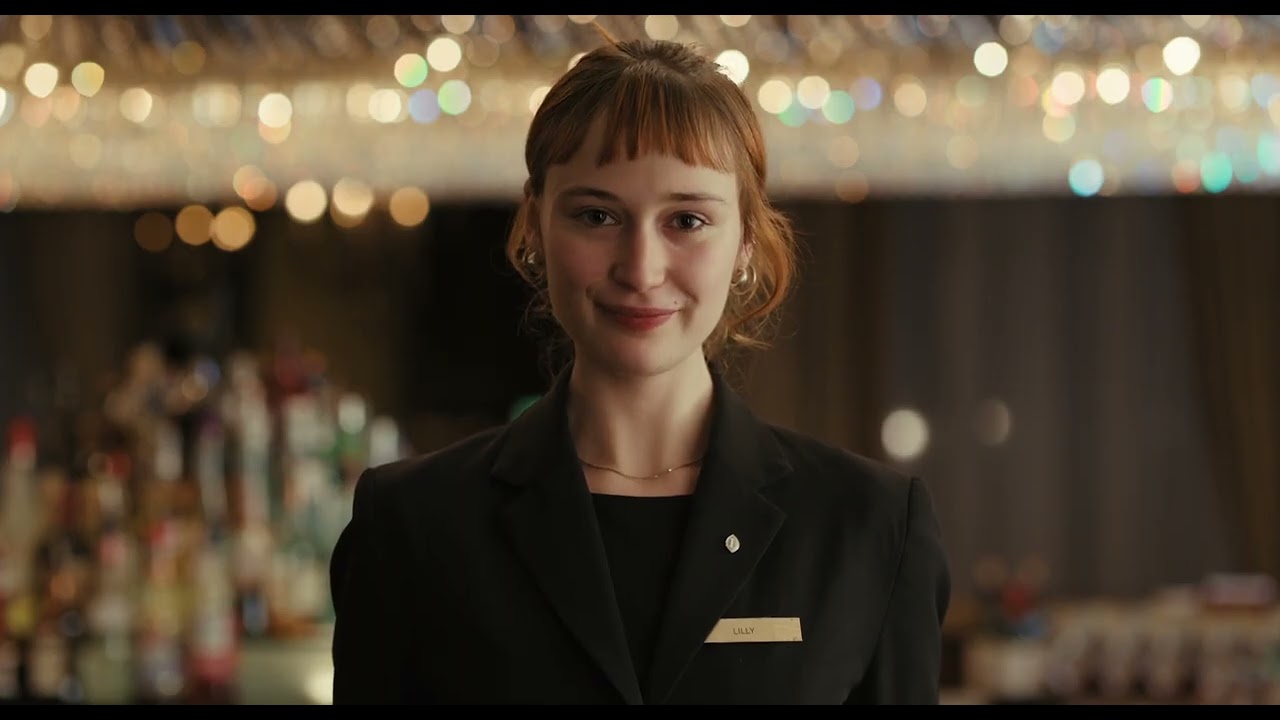


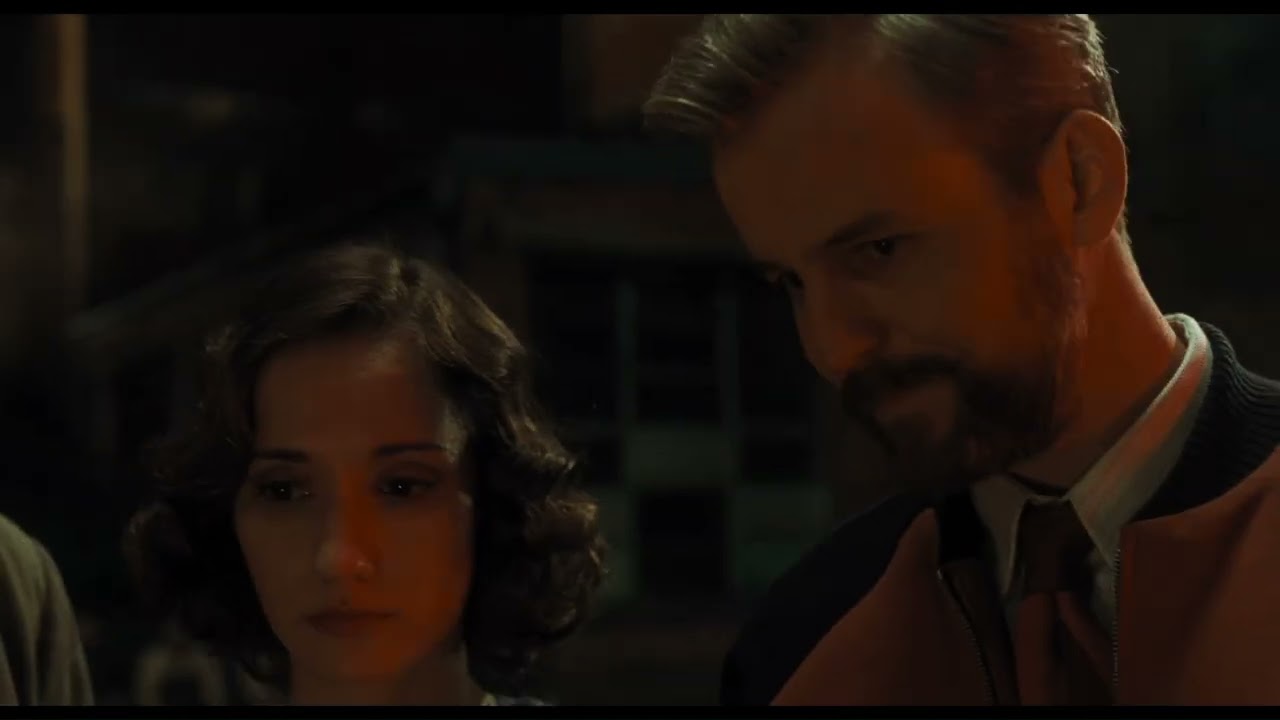
The Souffleur (2025) by Gastón Solnicki: A drama about the survival of Viennese heritage and the resistance of a hotelier against modern erasure.
- dailyentertainment95

- 3 hours ago
- 8 min read
Summary of the Movie: The Souffleur, A Recipe for Resistance
The film captures the high-tension clash between old-world Viennese elegance and the cold, destructive machinery of modern real estate. It prioritizes the preservation of soul and architectural history over a standard action-driven plot, making every conversation a tactical battle for cultural survival. This investigation frames the hotel not just as a building, but as a living organism whose heartbeat is found in its rituals.
The pressure of imminent demolition creates a simmering atmosphere that mirrors the delicate chemistry of the hotel’s famous soufflé. Every interaction between Lucius and the scheming realtor is weighted with the gravity of a collapsing era, turning management into a form of quiet heroism. The story unfolds as a rhythmic exploration of dignity, where the smallest details of hospitality become the frontline of a civilizational war.
An elegant, static-shot study of a man fighting to keep the flames of tradition alive in a world obsessed with the new.
Where to watch: https://pro.festivalscope.com/film/the-souffleur (Industry professionals)
Link IMDB: https://www.imdb.com/title/tt33305621/
Genre: Architectural Dramedy A witty, visually precise experience that finds humor and heart in the rigid structures of high-end hotel management.
Movie themes: Preservation vs. Progress Capturing the moral engine of a man defending a legacy against the soulless optimization of urban development.
Movie trend: New European Formalism Placing the film inside a movement that uses static, painterly compositions to ground deeply emotional human stories.
Social trend: The Heritage Defense Linking the story to the contemporary cultural pushback against "bland-ification" and the loss of local character.
Movie director: Gastón Solnicki A lens of extreme precision and observational wit, known for finding the extraordinary within the mundane.
Top casting: Willem Dafoe A performance of seasoned gravitas and subtle warmth that embodies the "tenured" energy of a dying breed.
Awards and recognition: 2025 Nominee Venice Horizons Award Festival presence: World Premiere at the 82nd Venice Film Festival
Release and availability: Arthouse Long-Tail January 2026 Argentine release following a prestigious festival run, currently positioned for specialized streaming discovery.
Why to watch movie: The Dafoe Masterclass Willem Dafoe’s immersion into the role of a Viennese hotelier is a rare, magnetic display of understated acting power.
Key Success Factors: Aesthetic Restraint Standing out by using silence and stillness to create a more captivating experience than typical high-stakes dramas.
Insights: The Souffleur works now because it champions the "slow and meaningful" in an age of disposable digital culture.
Industry Insight: International co-productions are increasingly leaning into "hyper-local" settings to create a unique global appeal that differentiates from generic Hollywood settings. The short 78-minute runtime reflects a growing industry trend toward concise, impactful storytelling that respects audience time. Consumer Insight: There is a rising audience segment that craves "community-feel" cinema that makes them feel like a resident of the city on screen. Viewers are rejecting over-edited, fast-paced content in favor of static, beautiful shots that allow for environmental immersion. Brand Insight: The film signals that true luxury is no longer about modern amenities but about the un-reproducible stories and "recipes" of a legacy brand. Authenticity is framed here as the ultimate defense against market commodification and brand erasure.
The movie is trending because it perfectly captures the global anxiety regarding the loss of physical history to digital-first economics. It serves as a visual protest against the demolition of character, making it a must-see for those who value soul over profit. By centering the conflict on something as fragile as a soufflé, it elevates the culinary and the architectural to a spiritual level. This film is special because it finds power in the act of standing still while the world tries to move on.
Why It Is Trending: A Quiet Rebellion Against the Generic
The film is currently capturing the attention of audiences who are increasingly fatigued by the loud, formulaic nature of global blockbusters. It taps into a specific zeitgeist of rediscovery, where viewers are searching for "soulful" spaces and narratives that prioritize history over high-speed action. This shift in taste reflects a move toward cinema that demands presence and rewards the patient viewer with deep emotional resonance. The timing of its festival run and subsequent niche release aligns perfectly with a broader cultural movement valuing architectural and culinary heritage.
Atmosphere that sticks The film creates a lingering sense of old-world melancholy that invites the viewer to step into the hotel’s quiet, sun-drenched corridors.
Relatable emotional tension The struggle to protect a personal legacy from impersonal market forces is a tension that resonates with anyone feeling the squeeze of urban gentrification.
Word-of-mouth discovery Its success at Venice and the presence of Willem Dafoe have sparked organic curiosity among cinephiles looking for "cinema that feels like life."
Contrast with the market By utilizing static shots and non-professional actors, it stands in stark contrast to the aggressive pacing of modern streaming content.
The " Florida Project" Connection Audiences are fascinated by Willem Dafoe's return to a "guardian of a building" role, drawing deep parallels to his beloved performance as Bobby.
Absurdist Culinary Meta-humor The trending discourse online revolves around the film’s "failed soufflé" metaphor, which serves as a quirky, meme-able symbol for any project that feels delicate and prone to collapse.
ASMR-style Soundscapes The movie is being shared across social niches for its hypnotic sound design—the clatter of silver, humming vents, and soft echoes—making it a sensory-heavy must-watch.
The Arthouse 78-Minute Appeal In an era of 3-hour epics, its hyper-concise runtime is trending as a "bite-sized" prestige watch that fits perfectly into a busy, modern lifestyle.
Insights: Audience taste is shifting from watching the "what" of technology to understanding the "why" of its emotional impact.
Industry Insight: Platforms find that mid-budget films with high social relevance and unique visual signatures provide superior long-term catalog value for global subscribers. Specialized distributors are focusing on "cultural landmark" cinema to anchor their prestige offerings. Consumer Insight: There is an increasing willingness to invest attention in stories that celebrate the preservation of physical craftsmanship and heritage. Viewers treat these films as a meditative escape and a way to intellectually reconnect with city history. Brand Insight: Rediscovering this film reframes its value as a cultural artifact that predicted the current crisis of digital authenticity versus physical legacy. It positions the director as a key voice for brands aiming to navigate the intersection of tradition and modernity.
The movie trends because it allows the audience to feel part of a community and a city that is slowly disappearing. It is special as it differs from similar dramas by refusing to rely on melodrama, focusing instead on the quiet dignity of Lucius Glantz. This approach makes it a must-see for those who want to experience the emotional logic of survival through the lens of a hotel manager. Ultimately, it trends because it treats the preservation of a soufflé recipe with the same weight as the preservation of a human soul.
What Movie Trend Is Followed: Ambient Realism + The Heritage Resistance
The industry is pivoting toward "Ambient Realism," a movement that prioritizes atmosphere and presence over aggressive plot progression. Audiences in 2026 are increasingly seeking "exhale cinema"—content that allows them to linger in textured, lived-in environments rather than being bombarded by rapid-fire edits. This trend reflects a widespread cultural exhaustion with digital overstimulation, turning stillness and architectural scale into a new form of cinematic luxury. By treating space as a character, these films provide a grounding, meditative experience that feels more like a shared memory than a manufactured story.
Macro trends influencing A widespread fatigue with digital maximalism is pushing viewers toward grounded, high-fidelity observational cinema.
Macro trends influencing — economic & social context In a volatile economic climate, stories of individuals protecting physical heritage feel like essential, grounding metaphors for social survival.
Description of main trend "Ambient Realism" defines a movement where the focus is on the quiet choreography of daily rituals and the charm of imperfect, historical spaces.
Implications for audiences The viewing experience changes from passive consumption to a more active, sensory engagement with the environment and soundscape.
Audience motivation The primary psychological payoff is a sense of emotional clarity and "mental breathing room" derived from seeing life’s small details treated with gravity.
Related movie trends This sits adjacent to the "New European Formalism" and the rise of hyper-local ethnographic dramas that deconstruct modern living.
Related audience trends A move toward "Intentional Viewing," where audiences curate their watchlists based on shelf-life and intellectual "stickiness."
Other films shaping this trend:
Late Fame (2025) by Kent Jones An aging New York postal worker is rediscovered as a legendary "lost" poet by a group of pretentious young aesthetes, forcing a collision between authentic legacy and modern clout-chasing.
Silent Friend (2025) by Ildikó Enyedi A majestic ginkgo tree in a German botanical garden acts as a silent witness to three intersecting human lives across a century, exploring our deep, clumsy longing for connection.
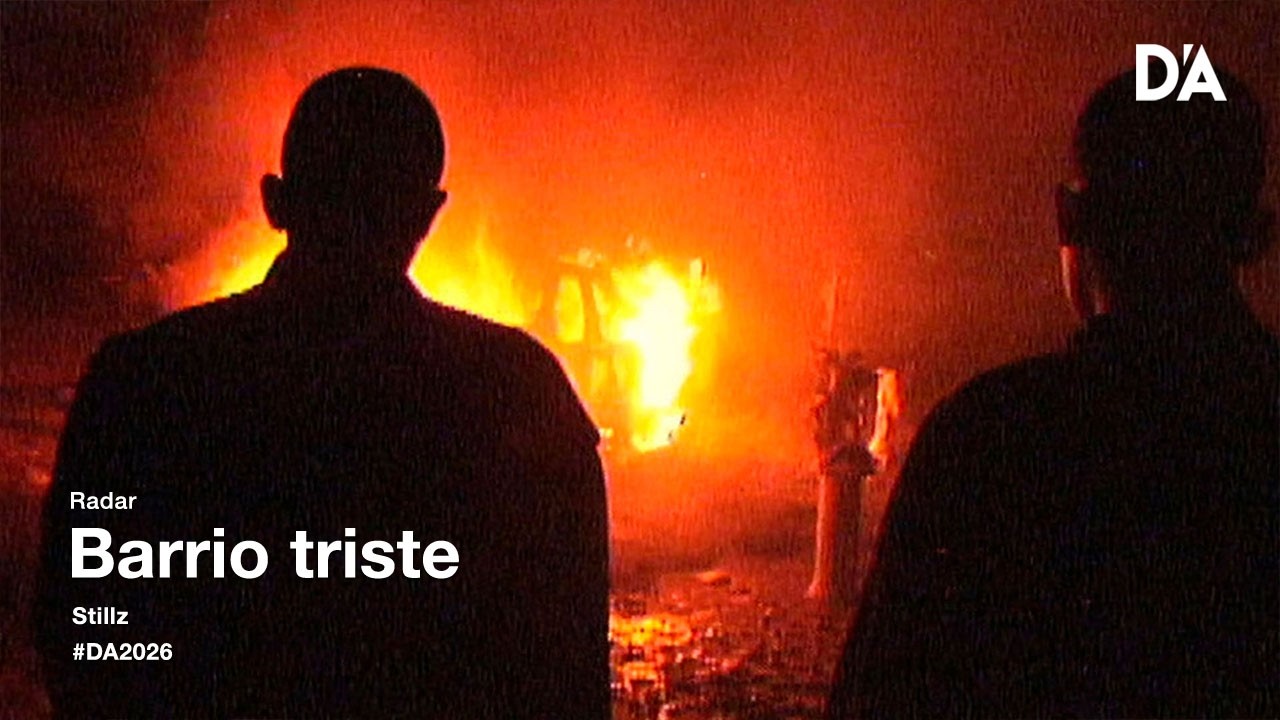
Barrio Triste (2025) by Stillz A group of teenagers in 1980s Medellín steal a news camera to document their frantic lives, blending raw found-footage grit with a lyrical, sci-fi twist on neighborhood survival.
Insights: Smaller, intimate stories feel more relevant because they reflect the micro-pressures of our daily lives.
Industry Insight: Production houses are now optimizing for "high-texture" cinematography that excels in 4K HDR environments, catering to home-theater enthusiasts who value visual fidelity. The trend toward shorter runtimes, like 78 minutes, is becoming a strategic response to the premium placed on consumer attention. Consumer Insight: 2026 viewers are treating atmospheric films as a form of intellectual self-care, choosing "vibe-heavy" cinema to combat screen-time anxiety. There is a booming interest in "Slow Cinema" communities on social platforms, where users share static shots as digital art. Brand Insight: Heritage brands are using these films as a blueprint for "Authenticity Marketing," realizing that history and ritual are the ultimate differentiators in a saturated market. Luxury is being redefined as the ability to ignore the algorithm and focus on the un-reproducible craft.
The trend highlights a transition from watching the screen to watching the person behind the ritual. The entertainment industry can address this by commissioning narratives that focus on specialized trades and the quiet dignity of preservation. By leaning into these complex, smaller-scale stories, movies provide an honest roadmap for surviving a rapidly changing cultural landscape. Ultimately, the trend moves the needle toward cinema that acts as a witness to human endurance and architectural memory.
Final Verdict: The Soulful Architect of Endurance
The film serves as a critical checkpoint for a society that has become increasingly obsessed with the digital and the ephemeral. It reminds us that while modern progress can build more efficient spaces, it cannot replicate the unmanageable, lived-in nature of true cultural heritage. The cultural role of "The Souffleur" is to act as a witness to the transition from physical legacy to managed commodity. Its ultimate impact is found in its quiet refusal to offer easy solutions to the complex problem of urban preservation.
Meaning — The Un-Optimized Life: The film suggests that the most valuable parts of our lives are those that cannot be simplified or sped up, like the rise of a perfect soufflé.
Relevance — The Gentrification Ghost: It connects powerfully now as cities worldwide grapple with the loss of their local identity to generic, profit-driven architecture.
Endurance — The Static Archive: The film’s shelf life is guaranteed by its painterly precision, destined to be revisited as a textbook example of 2020s formalist cinema.
Legacy — The Guardian of Ritual: It contributes to genre evolution by showing that hospitality and management are as much a form of artistry as painting or poetry.
Insights: One reflective framing sentence about longevity and impact.
Industry Insight: Catalog value in the streaming era is increasingly driven by films that capture a "specific, tactile moment" with absolute precision. Success is no longer just about the opening weekend but about becoming a long-term reference for specific taste communities. Consumer Insight: Reflection is becoming a premium form of entertainment value as audiences seek content that allows them to process their own relationship with the past. The film provides a necessary space for this mental reflection, making it a high-value "slow watch." Brand Insight: Trust and credibility are built when a brand is willing to champion the "old ways" in a world of constant pivots. Authenticity is earned through this kind of fearless, observational dedication to craft and history.
The trend points toward a future where the most valued entertainment helps us reclaim our sense of place and time. The industry must respond by supporting voices that challenge the standard, fast-paced status quo of commercial cinema. Moving forward, the focus should be on creating c
ontent that encourages a deeper, more sensory connection to our physical world. The ultimate legacy of this movement will be a more conscious and guarded approach to the stories we choose to preserve.
Comments