


Barrio Triste (2025) by Stillz: Barrio triste (2025) by Stillz: A raw, found-footage fever dream where youth documents itself before anyone else looks.
- dailyentertainment95

- 53 minutes ago
- 7 min read
Summary of the Movie: Youth With a Camera and Nowhere to Run
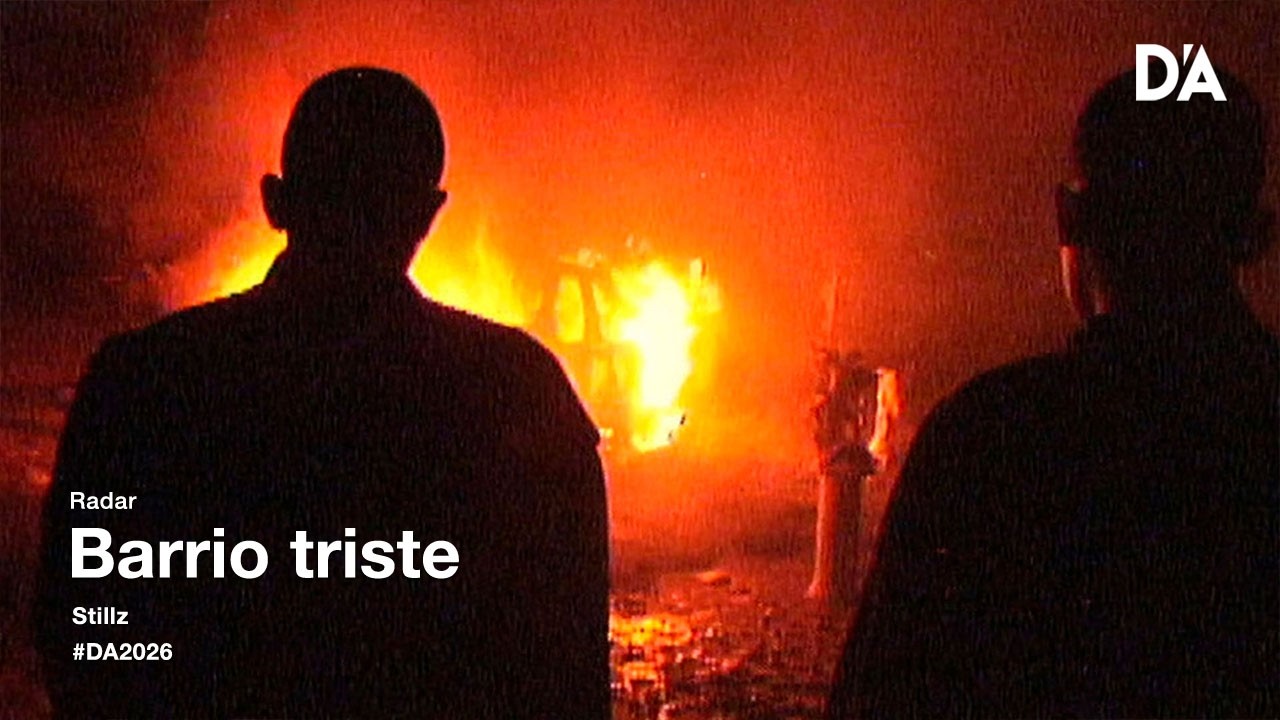
Barrio triste captures violence and loneliness from the inside, letting chaos unfold without commentary or cleanup. The film treats adolescence as something lived moment to moment, not explained or redeemed. What emerges is a portrait that feels observed rather than constructed.
The experience moves through wandering, repetition, and sensory overload instead of traditional plot beats. Sound, movement, and proximity replace narrative direction. The tension comes from not knowing where meaning will land, or if it will land at all.
Four teens document their days and nights in a neglected barrio, using a stolen camera to record boredom, brutality, and fleeting connection.
Where to watch: https://pro.festivalscope.com/film/barrio-triste (industry professionals)
Link IMDB: https://www.imdb.com/title/tt37660515/
Link Review: https://www.indiewire.com/criticism/movies/barrio-triste-review-stillz-harmony-korine-edglrd-1235150553/
• Genre:Found-footage street cinema. A hybrid of crime drama and poetic realism that favors immediacy, texture, and sensation over structure.
• Movie themes:Alienation, masculinity, neglect. The film explores how violence and tenderness coexist when young lives are shaped by invisibility.
• Movie trend:Experimental realism. Part of a wave of boundary-pushing films that blur cinema, documentary, and music-video language.
• Social trend:Self-surveillance culture. Reflects how marginalized youth increasingly narrate their own reality when institutions fail to see them.
• Movie director:From music to movement. Stillz brings a kinetic, sensory-first style that prioritizes feeling over explanation.
• Top casting:Non-performative presence. Brahian Acevedo, Juan Pablo Baena, and Jorge Cano feel lived-in and unpolished, blurring the line between character and person.
• Awards and recognition:Festival disruption. 1 win and 3 nominations, with notable attention at major international festivals, including a polarizing reception at the Venice Film Festival.
• Release and availability:Festival-first trajectory. Premiered on the 2025 festival circuit with a U.S. release slated for September 25, 2025, driving early buzz and debate.
• Why to watch movie:Pure, unfiltered energy. A must-see for viewers craving something raw, disruptive, and unlike traditional coming-of-age or crime films.
• Key Success Factors:Risk over comfort. Compared to conventional youth dramas, Barrio triste stands out by rejecting narrative safety and leaning fully into sensation and immediacy.
Insights: When a film refuses structure, attention shifts from story to lived experience.
Industry Insight: Festival audiences are increasingly rewarding films that challenge form and expectation, even when they polarize. Experimental realism is becoming a visibility driver rather than a distribution risk. Consumer Insight: Younger and arthouse audiences are drawn to films that feel authentic, messy, and emotionally unfiltered. Shock and discomfort are read as honesty rather than excess. Brand Insight: Barrio triste positions itself as a cultural statement rather than a conventional film. Its impact lies in disruption, signaling taste, edge, and willingness to engage with discomfort.
Barrio triste is trending because it feels dangerous, immediate, and unresolved. Its power comes from documenting what usually goes unseen. The film divides opinion but demands attention. That friction is exactly what makes it feel essential right now.
Why It Is Trending: Chaos, Cameras, and Youth Without Filters
Barrio triste is trending because it captures a kind of rawness that feels increasingly rare and risky. The film doesn’t explain itself or soften its edges, which makes it stand out in a landscape full of polished social realism. Its confrontational style invites debate rather than consensus. That tension is driving conversation.
The timing amplifies its impact. Youth violence, alienation, and self-documentation are constant topics across media and culture. Audiences are more open to films that feel like artifacts rather than narratives. Barrio triste lands as something to be experienced, not consumed.
• Unfiltered point of viewThe found-footage approach creates a feeling of immediacy, pulling viewers directly into the chaos rather than observing it from a safe distance.
• Youth telling their own storyThe camera becomes a tool of agency, turning marginalized teens into narrators of their own reality instead of subjects being explained.
• Festival shock valueIts polarizing reception at major festivals fueled curiosity, debate, and word-of-mouth momentum.
• Music-video energy in cinema formStillz’s background injects rhythm, texture, and visual aggression that feels closer to street culture than traditional film language.
• Comfort-zone disruptionThe lack of conventional plot frustrates some viewers while exciting others, making the film a talking point rather than a passive watch.
• Authenticity over polishNatural performances and rough visuals signal honesty, which many viewers read as more truthful than carefully constructed realism.
Insights: When films feel like evidence rather than stories, attention follows.
Industry Insight: Festivals and platforms are increasingly amplifying polarizing, form-breaking films because debate drives visibility. Risk has become a discoverability tool rather than a liability. Consumer Insight: Audiences are more willing to engage with films that challenge patience and expectations. Being unsettled is increasingly part of the value exchange. Brand Insight: Barrio triste benefits from positioning itself as disruptive and uncompromising. Its trend momentum comes from signaling edge, relevance, and cultural proximity rather than accessibility.
Barrio triste is trending because it feels alive and unresolved. Its difference lies in how close it gets to its subjects. The film invites reaction instead of reassurance. That intensity is what keeps it circulating.
What Movie Trend Is Followed: When Youth Cinema Stops Explaining Itself
Barrio triste sits inside a growing trend where films abandon clear narratives in favor of lived sensation. This phase of the trend is confident, not experimental for experiment’s sake. Audiences increasingly recognize refusal to explain as an artistic stance. The film works because it commits fully to that logic.
Rather than guiding interpretation, this trend forces proximity. Meaning emerges through repetition, boredom, violence, and drift. The camera doesn’t observe youth; it moves with it. Barrio triste operates as an artifact of presence rather than a constructed story.
• Macro trends influencingAnti-polish aesthetics. A pushback against overly produced realism in favor of raw, chaotic, first-person experiences.
• Macro trends influencing — economic & social contextLow-budget urgency. Rising production costs and global instability are accelerating interest in stripped-down, high-intensity films that feel immediate and culturally embedded.
• Description of main trendExperiential youth cinema. Films that privilege texture, sound, and movement over narrative closure or moral framing.
• Implications for audiencesLess guidance, more immersion. Viewers are invited to feel first and interpret later, if at all.
• Audience motivationAuthenticity over clarity. The appeal lies in proximity, honesty, and the sense of witnessing something unfiltered.
• Related movie trendsFound-footage revival. The format returns as a tool for realism rather than gimmickry.
• Related audience trendsTolerance for ambiguity. Audiences increasingly accept discomfort and open-endedness as part of meaningful viewing.
Other films shaping this trend:
• Kids (1995) by Larry Clark:Teenage life captured without mediation, where observation replaces judgment and chaos becomes the point.
• Gummo (1997) by Harmony Korine:A collage of American youth on the margins, using repetition and shock to document emotional decay.
• Heaven Knows What (2014) by the Safdie Brothers:A street-level portrait where instability and immediacy override traditional narrative structure.
• Climax (2018) by Gaspar Noé:A sensory descent that turns youth, movement, and chaos into an immersive psychological event.
Insights: When cinema stops explaining behavior, it starts documenting reality as it is felt rather than understood.
Industry Insight: There is growing space for films that function as cultural documents rather than narrative products. Festivals and platforms increasingly treat sensory immediacy as a marker of relevance. Consumer Insight: Viewers seeking authenticity are willing to trade clarity for emotional truth. Experiential cinema satisfies a desire to feel close to realities usually kept off-screen. Brand Insight: Barrio triste aligns with a lineage of disruptive youth films that define eras rather than please audiences. This positioning builds cultural capital through risk.
This trend shows that youth cinema no longer needs to resolve itself to justify its existence. Barrio triste gains power by refusing explanation and closure. Its relevance comes from how it mirrors chaos rather than organizes it. For the industry, this signals a continued appetite for films that feel like evidence, not entertainment.
Final Verdict: A Film That Feels Like Proof, Not a Product
Barrio triste lands less as a movie and more as an encounter. Its power comes from refusing distance, polish, or emotional guidance. The film doesn’t try to win affection or approval. That indifference to comfort becomes its strongest statement.
Rather than shaping chaos into meaning, the film allows chaos to exist on its own terms. It asks for endurance, not empathy on demand. The experience lingers because it resists closure. What stays is the feeling of having seen something real and unfiltered.
• Meaning — Violence Without TranslationThe film treats violence and loneliness as everyday textures rather than dramatic events. Meaning emerges through repetition, boredom, and emotional numbness rather than narrative payoff. This approach forces confrontation instead of interpretation.
• Relevance — Youth Seen From the InsideIn a moment where youth culture is endlessly analyzed and explained, the film refuses commentary. Its relevance comes from proximity, capturing how neglect and masculinity play out without mediation. It feels current because it mirrors how life is recorded, not remembered.
• Endurance — Designed to DivideThe film’s lack of structure and resolution ensures it will continue to polarize. That friction keeps it alive in conversation long after viewing. Its endurance is rooted in debate rather than consensus.
• Legacy — A Marker of Cultural RiskBarrio triste positions itself within a lineage of films that define moments rather than satisfy audiences. Its legacy will be tied to its willingness to document discomfort without apology. It stands as proof that risk still has cultural value.
Insights: Films that refuse to explain themselves often last longer because they demand revisiting rather than agreement.
Industry Insight: Films that generate friction and debate increasingly outperform safer titles in cultural longevity. Polarization has become a form of visibility. Consumer Insight: Audiences seeking authenticity are willing to engage with discomfort and ambiguity. Emotional rawness is increasingly valued over narrative reassurance. Brand Insight: Barrio triste strengthens the identity of experimental youth cinema as culturally necessary rather than marginal. This positioning builds long-term relevance through risk.
Barrio triste does not aim to be liked. It aims to be felt. Its impact comes from closeness, not craft polish. In an era of over-explained realism, its refusal becomes its signature. That choice is exactly why it matters now.
Comments