


The Deserter (2024) by Christoph Baumann: A war film that strips history down to two people, one space, and the weight of impossible choices
- dailyentertainment95

- 2 hours ago
- 7 min read
Summary of the Movie: When the War Ends but Judgment Doesn’t
The Deserter repositions World War II not as a battlefield story but as an intimate moral confrontation. The film focuses on what happens after ideology collapses, when survival collides with guilt and memory refuses to stay quiet. What unfolds is less about history and more about reckoning.
The story advances through tension, silence, and proximity rather than action. Emotions evolve slowly, shaped by mistrust, necessity, and the constant presence of danger. Every interaction carries the weight of who these people were before the war began to end.
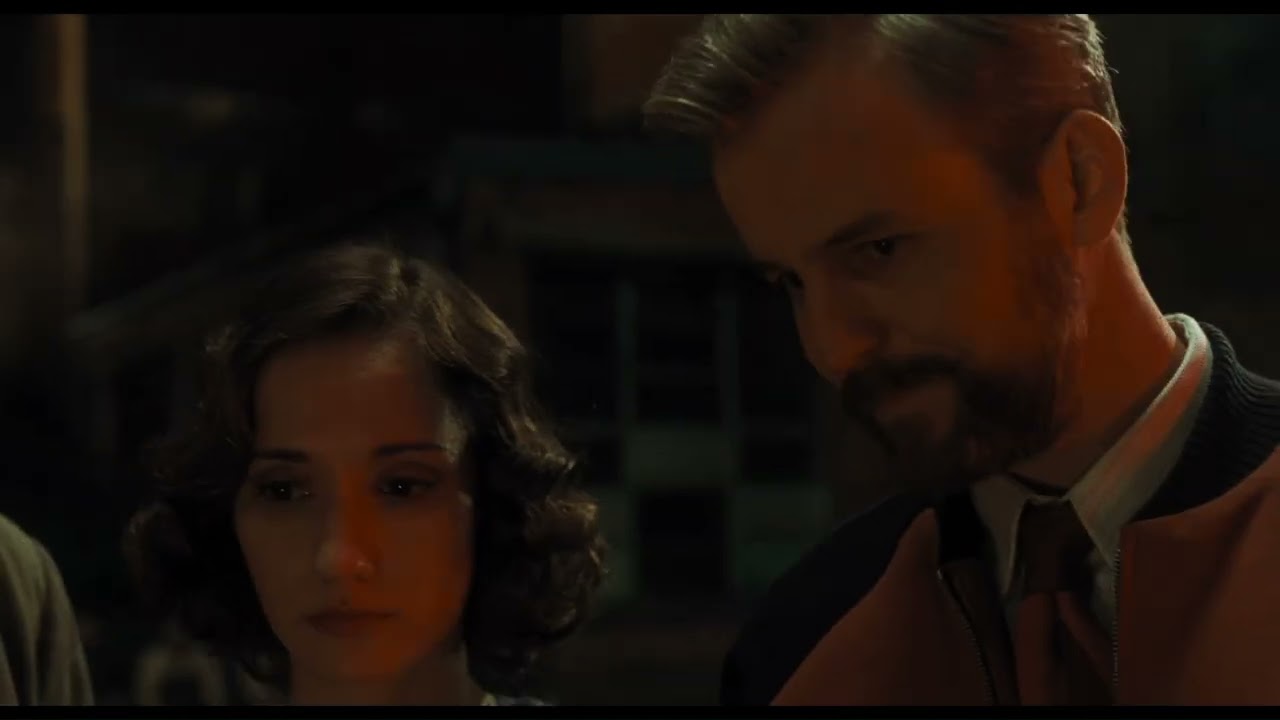
In a remote mountain hut during the final days of the war, two enemies are forced into coexistence where survival demands humanity but history resists forgiveness.
Where to watch: https://www.justwatch.com/us/movie/the-deserter-2025 (US)
Link IMDB: https://www.imdb.com/title/tt30138362/
• Genre:Intimate war drama. A restrained blend of war, thriller, and psychological drama that prioritizes emotional realism over spectacle.
• Movie themes:Guilt, compassion, moral ambiguity. The film explores whether humanity can exist alongside unforgivable pasts when survival depends on proximity.
• Movie trend:Minimalist historical storytelling. Part of a growing movement that reexamines major historical events through small, character-driven lenses.
• Social trend:Moral reckoning culture. Reflects contemporary interest in accountability, reconciliation, and confronting inherited or collective guilt.
• Movie director:Precision over scale. Christoph Baumann directs with deliberate restraint, using limitation to intensify emotional impact.
• Top casting:Emotion-first performances. Sebastian D. Fischer and Anna Kaminski deliver raw, internal performances driven by silence as much as dialogue.
• Awards and recognition: Festival standout. 16 wins and 2 nominations, with top recognition across German and European independent film festivals, particularly for acting, direction, and emotional impact.
• Release and availability:Festival-to-discovery arc. Premiered on the festival circuit in 2024 with wider international release rolling into 2025, fueling word-of-mouth momentum.
• Why to watch movie:High emotional return. A gripping, human-scale war story that delivers intensity, beauty, and moral depth without the fatigue of traditional WWII epics.
• Key Success Factors:More intimate than its peers. Compared to conventional war dramas, The Deserter stands out by replacing battle scenes with psychological tension and character-driven suspense.
Insights: When war films get smaller, their emotional impact often grows larger.
Industry Insight: There is increasing demand for low-budget historical films that prioritize character and performance over scale. Festival success is becoming a key driver of international visibility and long-tail relevance. Consumer Insight: Audiences are responding strongly to war stories that feel personal, intimate, and emotionally honest rather than instructional. Moral complexity now feels more engaging than clear heroes and villains. Brand Insight: The Deserter reinforces the value of prestige, performance-led storytelling within the war genre. Its success positions intimacy and restraint as premium qualities rather than limitations.
The Deserter is trending because it offers a fresh emotional entry point into an oversaturated genre. Its power lies in closeness rather than confrontation. The film feels timely in a world grappling with historical accountability and human empathy. What makes it essential viewing is its refusal to simplify guilt or forgiveness.
Why It Is Trending: A War Story That Feels Uncomfortably Present
The Deserter is trending because it reframes World War II through intimacy rather than ideology. Instead of spectacle, it offers closeness, tension, and moral discomfort. That shift feels aligned with how audiences want to engage with history right now. The film is being discovered as a quiet but powerful counterpoint to louder war narratives.
The timing amplifies its relevance. Ongoing global conflicts have renewed interest in stories about guilt, complicity, and survival. Streaming and festival buzz allow smaller films to find their audience slowly. The Deserter benefits from being felt, not marketed.
• Human-scale storytellingThe film focuses on two people in one space, making history feel immediate, personal, and emotionally unavoidable.
• Emotional tension over actionSuspense comes from silence, proximity, and moral uncertainty rather than combat, giving the story a lingering psychological grip.
• Fresh take on a crowded genreIn a landscape full of WWII films, its restraint and intimacy make it stand out as something different and more reflective.
• Word-of-mouth credibilityStrong festival recognition and passionate viewer reactions position it as a hidden gem worth seeking out.
• Timely moral complexityThe story refuses clear heroes and villains, mirroring current conversations around accountability, complicity, and human contradiction.
• Performance-driven impactViewers respond strongly to the raw, understated acting, which makes every interaction feel lived-in and real.
• Visual calm with emotional weightThe contrast between serene landscapes and inner turmoil creates a striking mood that resonates beyond the plot.
• Audience appetite for slower cinemaGrowing interest in slow-burn, emotionally immersive films is helping quieter titles like this gain momentum.
Insights: When historical films trade scale for closeness, relevance becomes personal rather than academic.
Industry Insight: Audiences are increasingly discovering prestige war films through festivals and streaming rather than theatrical release. Smaller, character-driven stories are gaining visibility through long-tail discovery. Consumer Insight: Viewers are drawn to war narratives that feel emotionally honest and morally complex. Stories that invite reflection resonate more than those that simply retell history. Brand Insight: The Deserter strengthens the perception of war cinema as intimate and human-first. Its traction reinforces restraint and emotional depth as premium signals.
The Deserter is trending because it meets audiences where they are emotionally. Its difference lies in proximity, not scale. The film offers a rare sense of closeness inside a familiar historical frame. That intimacy is what makes it feel urgent and worth watching now.
What Movie Trend Is Followed: When War Films Get Smaller, They Get Sharper
The Deserter fits into a clear shift in historical cinema where intimacy replaces scale and moral tension replaces spectacle. This trend has matured from niche festival preference into broader audience acceptance. Viewers are increasingly drawn to stories that slow history down instead of dramatizing it. The film lands because it aligns with that appetite.
Rather than revisiting war as a sequence of events, this trend treats it as a psychological condition. The focus moves inward, toward consequence, guilt, and unresolved humanity. Meaning comes from closeness, not confrontation. The Deserter operates precisely within this space.
• Macro trends influencingSpectacle fatigue. Audiences are increasingly selective about effects-heavy war films and more open to restrained, character-led storytelling.
• Macro trends influencing — economic & social contextConstraint as realism. Rising production costs, festival-driven discovery, and social exhaustion around conflict favor contained stories that feel emotionally truthful without excess.
• Description of main trendIntimate historical drama. Films that use limited locations and small casts to explore moral complexity inside major historical moments.
• Implications for audiencesHistory feels closer. Viewers experience war through emotional proximity rather than narrative distance, increasing empathy and discomfort.
• Audience motivationUnderstanding over spectacle. The appeal lies in moral tension, emotional weight, and reflection rather than action or resolution.
• Related movie trendsPrestige minimalism. A growing overlap between arthouse drama and genre storytelling in historical cinema.
• Related audience trendsMeaning-first viewing. Audiences increasingly choose films that provoke thought, discussion, and emotional aftertaste.
Other films shaping this trend:
• Son of Saul (2015) by László Nemes:A Holocaust story told through a single perspective, using proximity and restriction to turn survival into a moral labyrinth.
• Come and See (1985) by Elem Klimov:War experienced through psychological collapse rather than strategy, where trauma replaces narrative structure.
• The Painted Bird (2019) by Václav Marhoul:A brutal, episodic journey that strips war of heroism and forces endurance through isolation and cruelty.
• A Hidden Life (2019) by Terrence Malick:A resistance story focused on inner conviction and moral solitude rather than battlefield action.
Insights: When historical storytelling narrows its focus, relevance deepens by turning large events into personal reckonings.
Industry Insight: The war genre is increasingly sustained by low- to mid-budget films that travel well through festivals and streaming rather than box office scale. This model prioritizes longevity and credibility over volume. Consumer Insight: Viewers are more receptive to war stories that feel morally complex and emotionally unresolved. Intimacy has become a marker of seriousness and trust. Brand Insight: Films like The Deserter reposition war cinema as reflective, human-first, and culturally relevant. This strengthens the genre’s long-term value beyond repetition.
This trend shows that war stories no longer need scale to feel significant. The Deserter succeeds by compressing history into lived emotion. Its relevance comes from making the past feel uncomfortably present. For the industry, this signals a future where restraint and depth carry more weight than spectacle.
Final Verdict: A War Film That Chooses Humanity Over History
The Deserter ultimately works less as a historical drama and more as an emotional reckoning. Its power comes from narrowing the lens until every glance, silence, and decision matters. The film refuses easy catharsis, choosing discomfort over closure. That restraint defines its cultural weight.
Rather than explaining the past, the film forces proximity to it. It asks the audience to sit with contradiction instead of resolving it. The impact grows after the viewing experience ends. This delayed resonance is intentional and effective.
• Meaning — Guilt Has No End DateThe film frames guilt as something that survives long after war officially ends. Survival does not erase responsibility, and compassion does not cancel history. Meaning emerges from the tension between humanity and irredeemable past actions.
• Relevance — History Feels Close AgainIn a moment marked by global conflict and moral polarization, the film feels uncomfortably current. Its focus on accountability, empathy, and fear mirrors contemporary emotional landscapes. The relevance lies in recognition rather than novelty.
• Endurance — Built to LingerWith its minimal setting and performance-driven approach, the film avoids stylistic expiration. It is designed for rediscovery, discussion, and rewatching rather than one-time impact. Its emotional aftertaste is its strongest asset.
• Legacy — Redefining War Cinema ValueThe Deserter contributes to a broader shift in war films toward intimacy and moral complexity. It reinforces the idea that scale is optional but intention is not. Its legacy lies in proving that quiet films can carry lasting weight.
Insights: When a film prioritizes moral tension over narrative resolution, it earns longevity through reflection rather than recall.
Industry Insight: War films built on intimacy and restraint are increasingly valuable as long-term catalog titles rather than event releases. Longevity and credibility now outweigh immediate scale. Consumer Insight: Audiences are rewarding films that trust them emotionally and intellectually. Reflection has become a key form of entertainment value. Brand Insight: The Deserter strengthens the perception of war cinema as thoughtful, human-first, and culturally relevant. This positioning builds long-term trust in the genre.
The Deserter does not seek to impress through scale or shock. Its impact comes from closeness, silence, and unresolved humanity. In a crowded genre, that choice becomes its distinction. The film proves that relevance is earned by staying with the audience long after the war is supposedly over.
Comments