
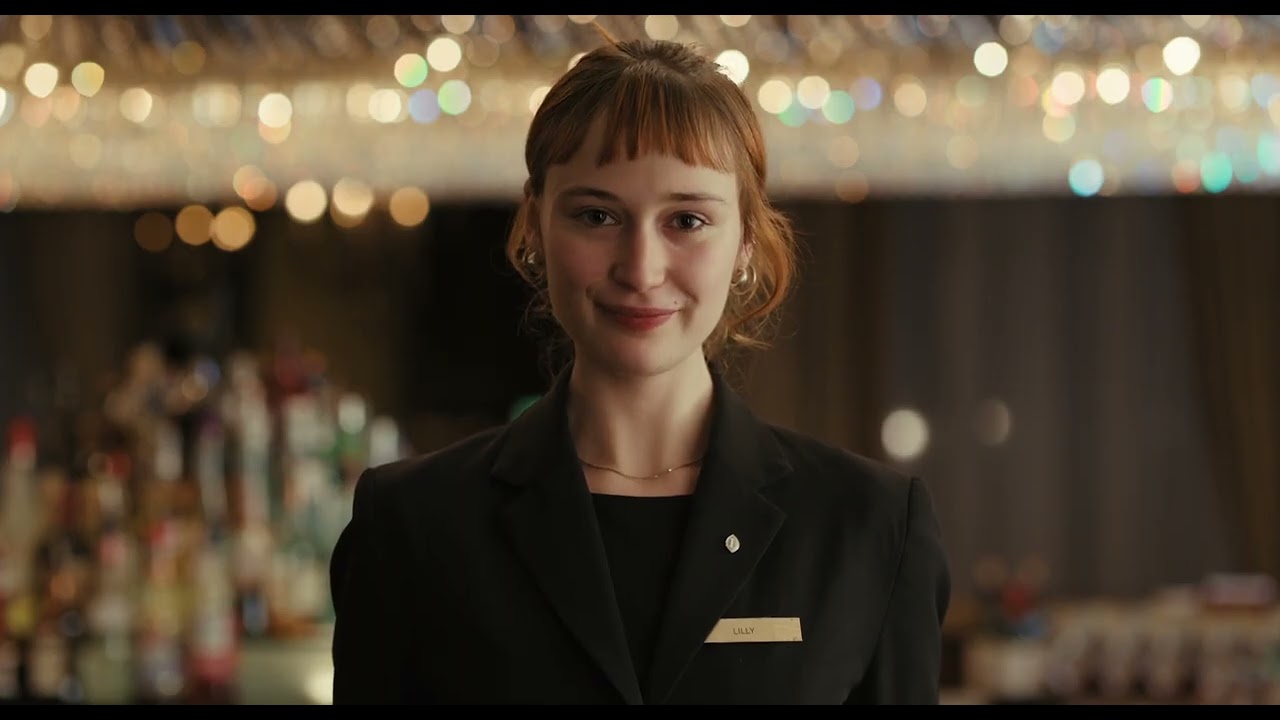


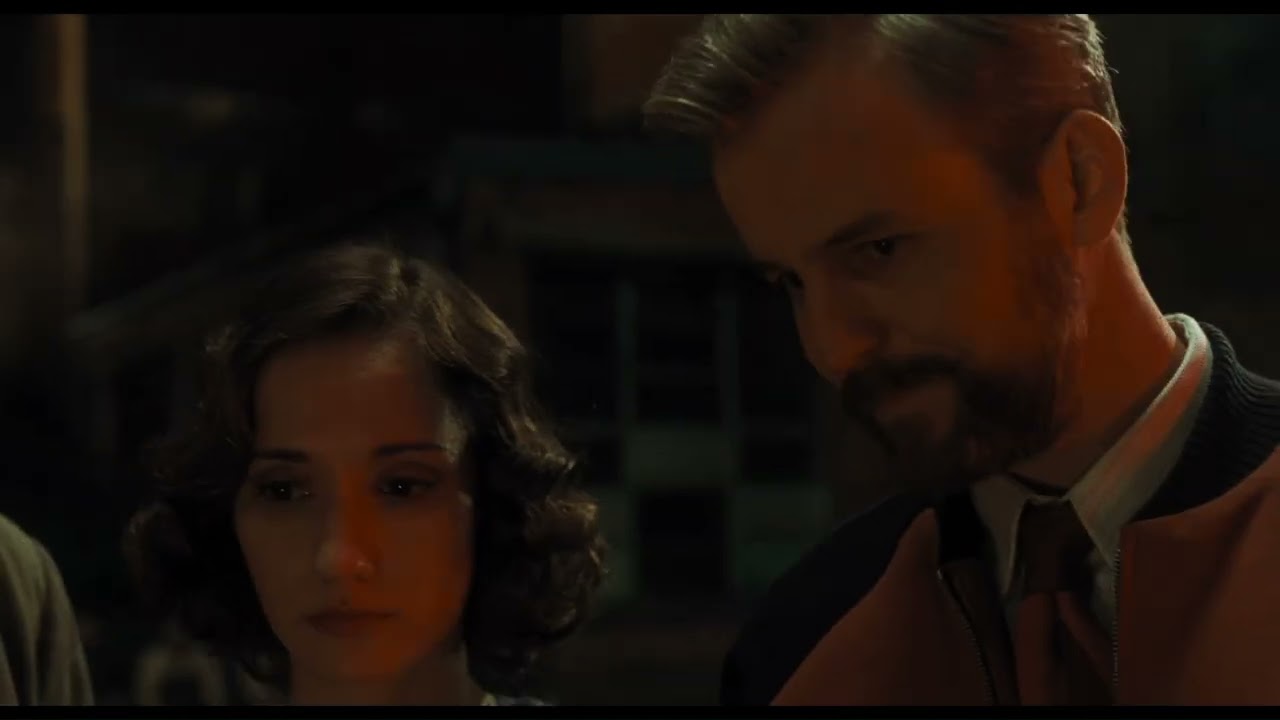
Scrambled (2023) by Leah McKendrick: A dramedy about biological deadlines, romantic misadventures, and discovering self-worth beyond the wedding aisle.
- dailyentertainment95

- 2 hours ago
- 9 min read
Summary of the Movie: Party Girl Meets Biology Clock
Nellie Robinson exists in the margins of everyone else's milestones, perpetually celebrating other people's futures while her own timeline quietly accelerates. The pressure isn't external judgment but internal reckoning—the sudden awareness that freedom has an expiration date. What begins as a practical decision to freeze her eggs becomes an excavation of every romantic near-miss and postponed choice.
The film moves through Nellie's past relationships like flipping through evidence of what she avoided confronting. There's no dramatic collapse, just the slow realization that time kept moving while she assumed it would wait. The pacing mirrors the experience—lighthearted chaos giving way to quiet devastation, laughter becoming defense against the weight of looking back.
Nellie navigates fertility clinics, awkward family dinners, and the ghost of every man she dismissed, ultimately confronting whether empowerment means choosing yourself or mourning what you chose instead.
Where to watch: https://www.justwatch.com/us/movie/scrambled-2024 (US), https://www.justwatch.com/ca/movie/scrambled-2024 (Canada), https://www.justwatch.com/uk/movie/scrambled-2024 (UK)
Link IMDB: https://www.imdb.com/title/tt21270966/
Link Review: https://www.rogerebert.com/reviews/scrambled-2024
Scrambled (2023) by Leah McKendrick: A dramedy about biological deadlines, romantic misadventures, and discovering self-worth beyond the wedding aisle.
Scrambled (2023) by Leah McKendrick: A dramedy about biological deadlines, romantic misadventures, and discovering self-worth beyond the wedding aisle.
• Genre: Self-discovery dramedy with bite. The experience oscillates between champagne-toast optimism and crying-in-the-bathroom reality, never fully committing to either comfort.
• Movie themes: Autonomy colliding with biology. The film dissects the emotional cost of postponed decisions and whether reclaiming control feels like victory or damage control.
• Movie trend: Post-girlboss reckoning cinema. The movie interrogates what happens after women are told they can have it all—and then realize "all" has conditions.
• Social trend: Biological clock discourse goes mainstream. Egg freezing shifts from taboo procedure to cultural conversation, reflecting millennial anxieties about timing and reproductive economics.
• Movie director: Triple-threat authenticity play. McKendrick's directorial debut channels lived experience into narrative control, positioning herself as writer-director-star with everything to say.
• Top casting: Grounded charm with comedic instinct. McKendrick embodies Nellie with the energy of someone who's been to too many weddings and the exhaustion of explaining why she's still single.
• Awards and recognition: 1 nomination total, including 2023 SXSW Grand Jury Award nomination. Recognition remains modest, signaling indie discovery rather than awards-circuit contender.
• Release and availability: Theatrical February 2, 2024. Currently streaming on Crave after limited box office run ($422K domestic).
• Why to watch movie: The fertility conversation no one's dramatizing this honestly. The film tackles egg freezing without turning it into cautionary tale or empowerment propaganda.
• Key Success Factors: It refuses to soft-land the ending. While similar films wrap neatly with newfound confidence, Scrambled lets the sadness breathe without apologizing.
Insights: The movie works now because it arrives when "live your truth" rhetoric crashes into biological reality, forcing audiences to sit with contradictions no caption can resolve.
Industry Insight: Indie comedies shift toward auteur-driven personal stakes over studio formulas. Streaming discovery after limited theatrical release shows how niche narratives bypass traditional gatekeeping. Consumer Insight: Audiences prioritize emotional validation over escapism. The appeal lies in refusing resolution, offering catharsis through recognition rather than redemption. Brand Insight: Scrambled rejects comfort for honesty, positioning itself as anti-propaganda fertility film. The value is witnessing mess without judgment.
The film trends because it dramatizes conversations happening in group chats and therapy sessions—what happens when empowerment language meets reproductive timelines. Nellie's journey resonates because it's uncomfortably familiar, reflecting the gap between what women are told they can do and what biology allows. McKendrick's personal investment elevates material beyond rom-com formula into rare territory: the space between regret and acceptance where most people actually live.
Why It Is Trending: Delayed Discovery Meets Cultural Timing
The film gains traction not through marketing push but organic recommendation cycles, fueled by audiences recognizing their own unspoken anxieties reflected onscreen. Streaming platforms amplify niche emotional narratives that theatrical releases overlook, creating second-life momentum for films addressing specific generational pain points. Scrambled benefits from arriving when egg freezing transitions from celebrity privilege to middle-class consideration, making the subject matter newly urgent rather than abstractly aspirational. The timing aligns with broader fatigue around empowerment messaging that ignores biological constraints, positioning the film as counter-programming to both traditional rom-coms and heavy-handed fertility dramas.
Elements driving the trend (mainstream language):
• Atmosphere that sticks: The film's emotional texture lingers because it refuses consolation prizes, leaving viewers sitting with discomfort that mirrors real decision-making around fertility and timing.
• Relatable emotional tension: Nellie's journey connects to lived experience of watching life milestones pass by while assuming more time exists, making the stakes universally recognizable beyond fertility concerns.
• Word-of-mouth discovery: The film circulates through recommendation rather than algorithm, positioned as "the movie that gets it" among women navigating similar life stages and reproductive choices.
• Contrast with the market: While mainstream comedies sanitize fertility anxiety or dramatize it into crisis, Scrambled occupies the messy middle ground where most people actually exist emotionally.
• Millennial fertility panic hits peak: The film arrives as elder millennials confront biological deadlines en masse, creating concentrated demand for content addressing this exact intersection of age and choice.
• Taboo conversation normalized: Egg freezing emerges from medical privacy into social media discourse, making the film feel timely rather than niche or awkward to recommend.
• Anti-romance romance: Audiences tired of happily-ever-after formulas gravitate toward the film's focus on self-relationship rather than partner-finding, reframing what romantic satisfaction means.
• Authentic creator credibility: McKendrick's personal stake in the material generates trust that studio-developed fertility content lacks, signaling genuine exploration rather than manufactured relevance.
Insights: Audience taste shifts toward narratives acknowledging that empowerment doesn't erase consequences, reflecting cultural exhaustion with toxic positivity and aspirational storytelling that ignores material constraints.
Industry Insight: Streaming platforms serve as discovery engines for niche emotional experiences theatrical distribution overlooks. Economics favor long-tail appeal over opening weekend spectacle, rewarding sustained conversation within specific demographics. Consumer Insight: Viewers invest attention in uncomfortable narratives when authenticity replaces aspiration. The fertility conversation represents appetite for stories acknowledging biological and economic realities empowerment rhetoric sidesteps. Brand Insight: Scrambled's value appreciates through rediscovery rather than initial release. It positions as the film audiences wish existed when they needed it, not when they knew to seek it.
The film trends because it gives permission to feel conflicted about choices previously framed as purely empowering, validating the emotional complexity of navigating biological timelines within cultural narratives that promise infinite flexibility. Unlike fertility documentaries that educate or romantic comedies that reassure, Scrambled sits with ambivalence without resolving it, offering representation rather than prescription. McKendrick's authentic investment makes the material feel like testimony rather than observation, creating trust with audiences tired of being told how to feel about their reproductive choices and timelines.
What Movie Trend Is Followed: Intimate Crisis Cinema Reaches Maturity
The film belongs to a movement where personal-scale anxieties replace spectacle-driven conflict, positioning biological and economic constraints as dramatic engines rather than background noise. This trend transitions from experimental indie territory into audience expectation, reflecting viewer appetite for stories acknowledging that modern life's biggest pressures operate quietly rather than explosively. Scrambled exemplifies how restraint becomes aesthetic choice rather than budget limitation, using emotional accumulation instead of plot escalation to build tension. The trend matures as audiences demonstrate willingness to engage with narratives offering complexity over closure, validating filmmakers who trust viewers to sit with ambiguity rather than demand resolution.
• Macro trends influencing: Genre fatigue drives audiences toward smaller, character-focused narratives after years of franchise saturation and spectacle inflation diminished emotional investment in big-budget storytelling.
• Macro trends influencing — economic & social context: Rising fertility treatment costs intersect with housing unaffordability and delayed family formation, making reproductive timing an economic crisis rather than purely personal choice.
• Description of main trend: Intimate crisis cinema prioritizes internal pressure over external conflict, using biological clocks, economic precarity, and relationship ambivalence as dramatic tension instead of traditional antagonists.
• Implications for audiences: The viewing experience shifts from escapism toward recognition, offering validation rather than distraction as the primary emotional payoff.
• Audience motivation: Viewers seek narratives reflecting their actual anxieties rather than aspirational fantasies, prioritizing emotional honesty over feel-good reassurance.
• Related movie trends: Connects to mumblecore evolution, post-recession anxiety cinema, and the rise of autofiction where personal experience drives narrative rather than genre convention.
• Related audience trends: Aligns with declining marriage rates, rising therapy normalization, and social media discourse around biological realities previously considered too personal for public conversation.
Movies using this trend:
Frances Ha (2012): Woman navigates post-college drift and friendship dissolution while confronting adult expectations she's unprepared to meet.
Obvious Child (2014): Stand-up comedian processes unexpected pregnancy and abortion with humor rather than trauma or moral panic.
Appropriate Behavior (2014): Bisexual woman unravels after breakup, confronting family expectations and identity without neat resolution.
Laggies (2014): Twenty-something woman hides with high schoolers to avoid marriage pressure and adult responsibilities she hasn't chosen.
The Worst Person in the World (2021): Woman navigates relationship instability and career uncertainty across her late twenties and early thirties.
Babes (2024): Best friends navigate pregnancy, motherhood decisions, and relationship strain without sanitizing the emotional mess.
Insights: Smaller stories feel more relevant now because they acknowledge that most people's defining struggles involve timing, resources, and internal conflict rather than clear villains or solvable external problems.
Industry Insight: Streaming platforms value catalog depth over theatrical flash, rewarding long-tail discovery rather than opening weekend performance. Lower budgets reduce risk while niche emotional specificity generates dedicated audience loyalty. Consumer Insight: Audiences align with narratives reflecting biological timing pressures and economic instability over escapist fantasies. The payoff shifts from resolution toward recognition as catharsis. Brand Insight: Intimate crisis cinema proves small-scale emotional complexity generates cultural conversation and sustained engagement that spectacle-driven content struggles to maintain beyond initial release.
The main trend positions personal-scale anxieties as legitimate dramatic material worthy of theatrical treatment rather than relegating them to television or prestige limited series. Movies and the entertainment industry can address this by investing in writer-director voices with lived experience rather than hiring screenwriters to research topics, trusting that authentic emotional stakes resonate more powerfully than manufactured universality. Distribution models should prioritize long-tail discovery over opening weekend metrics, recognizing that films addressing specific generational pressures gain audience gradually through recommendation rather than marketing blitz, ultimately building more sustainable cultural relevance than forgettable wide releases.
Final Verdict: Uncomfortable Truths Over Easy Answers
The film's cultural role resides in validating ambivalence rather than resolving it, offering audiences permission to exist in the space between empowerment rhetoric and biological reality without forcing closure. Scrambled refuses the traditional narrative arc where self-discovery leads to happiness, instead acknowledging that some choices create consequences that awareness alone cannot undo. The impact accumulates slowly rather than landing immediately, mirroring the exact experience it dramatizes—time passing before recognizing what was lost or postponed. McKendrick's restraint honors the complexity of reproductive decision-making without reducing it to cautionary tale or celebration, trusting audiences to sit with discomfort rather than demanding emotional payoff.
Meaning — Agency Without Immunity: The film ultimately says that choosing yourself remains valid even when consequences accumulate, but empowerment language cannot erase biological constraints or rewrite timing. Nellie's journey validates that freedom and regret coexist without canceling each other out, refusing to position either as the definitive emotional truth.
Relevance — Millennial Fertility Reckoning: The film connects now because it dramatizes the exact tension millennials face between cultural messaging promising infinite possibility and biological realities that operate on fixed timelines. The conversation around egg freezing transitions from niche medical procedure to mainstream cultural discourse, making the subject matter urgent rather than abstract for audiences navigating similar decisions.
Endurance — Discovery Over Premiere: The film's longevity depends on recommendation cycles rather than initial buzz, positioning it for sustained relevance as younger audiences age into the same anxieties. Streaming platforms enable rediscovery years after release, allowing the film to find audiences when they need it rather than when marketing dictates, extending its cultural shelf life beyond traditional theatrical windows.
Legacy — Permission to Be Messy: The film contributes to genre evolution by normalizing fertility narratives that refuse resolution, expanding what romantic comedies can acknowledge about timing, biology, and the gap between aspiration and constraint. McKendrick's authenticity establishes a template for auteur-driven fertility content that trusts audiences with complexity rather than protecting them from uncomfortable truths.
Insights: The film's longevity stems from validating emotional states audiences rarely see reflected—the simultaneous experience of empowerment and loss, choice and consequence, without demanding viewers choose sides.
Industry Insight: Catalog value exceeds opening weekend performance for films addressing generational anxieties with long-tail relevance. Streaming economics reward content generating sustained discovery rather than immediate spectacle. Consumer Insight: Reflection becomes entertainment value when authenticity replaces aspiration. Audiences increasingly seek narratives validating complexity over providing closure, prioritizing emotional recognition as the primary payoff. Brand Insight: Trust builds when films refuse false comfort, establishing genre credibility through honesty rather than reassurance. Scrambled positions fertility narratives as worthy of nuanced dramatic treatment rather than educational documentary or romanticized fantasy.
The entertainment industry can respond by trusting audiences with ambiguity rather than imposing resolution, recognizing that emotional validation generates cultural longevity that formulaic closure cannot sustain. Distribution should prioritize recommendation ecosystems over marketing blitz, allowing films addressing specific generational pressures to find audiences organically through sustained discovery rather than forced awareness. Investment in writer-director voices with authentic stakes replaces focus-grouped universality, acknowledging that specificity resonates more powerfully than manufactured relatability. The future belongs to content respecting that audiences live in the space between empowerment and constraint, choice and consequence—and deserve narratives honest enough to meet them there.
Comments