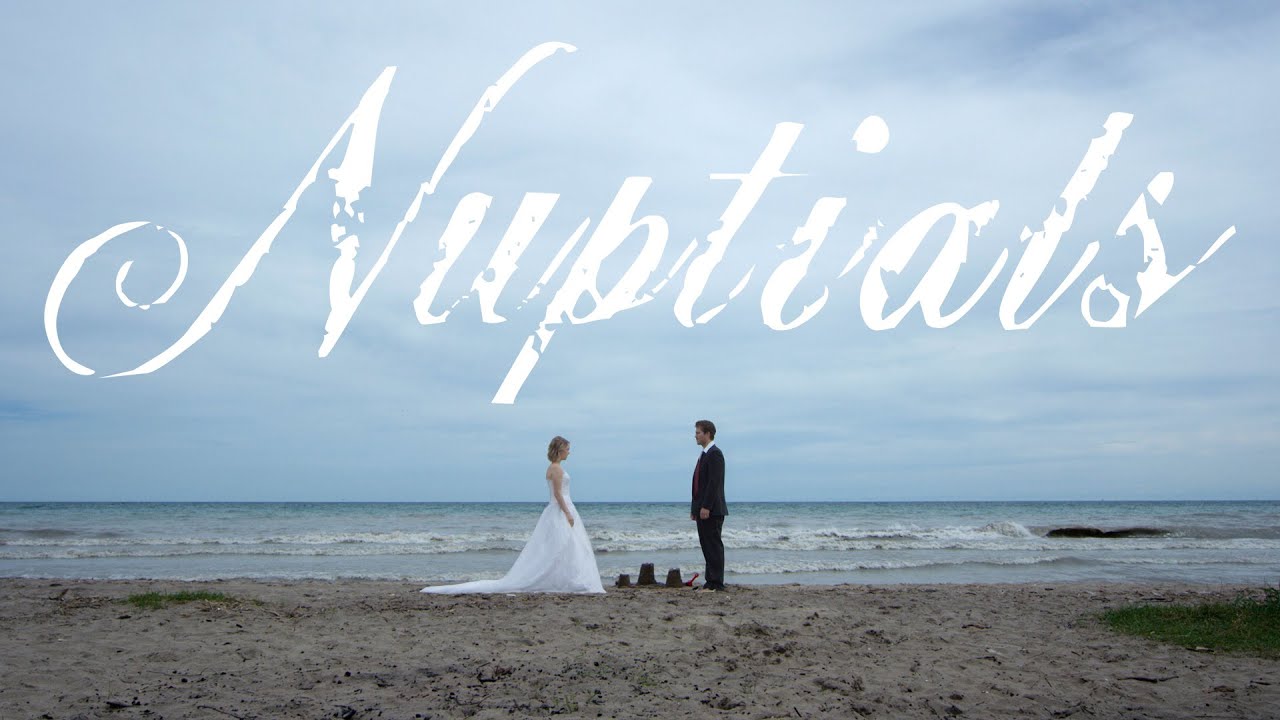


Nuptials (2026) by Sean Braune: A honeymoon horror that turns intimacy into captivity and romance into a psychological trap
- dailyentertainment95

- 10 minutes ago
- 6 min read
Summary of the Movie: When Marriage Becomes a Closed Room
Nuptials is trending because it reframes romantic commitment as psychological exposure rather than safety. The film treats marriage as a threshold where fantasy collapses and suppressed desire surfaces. What unfolds is not love tested by circumstance, but identity tested by proximity.
The tension builds through confinement, repetition, and escalating emotional pressure. Reality bends as the couple is forced to confront truths they’ve avoided saying out loud. The horror comes less from what appears and more from what is revealed.
On their honeymoon, a newlywed couple finds themselves trapped in their bridal suite, where an unseen presence manipulates desire, fear, and control until intimacy turns dangerous.
Where to watch: https://nuptialsthemovie.com/
Link IMDB: https://www.imdb.com/title/tt7740330/
Link Review: https://www.horrorsociety.com/2026/01/29/freestyle-acquires-romantic-horror-film-nuptials-for-february-release/
• Genre:Psychological relationship horror. A claustrophobic blend of erotic tension and supernatural dread rooted in emotional exposure.
• Movie themes:Desire, repression, power. The film explores how unspoken fantasies and fears can corrode intimacy when there is nowhere to escape.
• Movie trend:Containment horror. Part of a growing wave of horror films that generate fear through isolation, minimal settings, and psychological escalation.
• Social trend:Anxiety around commitment. Reflects modern unease about marriage, permanence, and the fear of being fully seen by another person.
• Movie director:Pressure through restraint. Sean Braune leans into limited space and short production timelines to intensify unease rather than dilute it.
• Top casting:Vulnerability-forward performances. Ariana Marquis and Kevin Mcpherson Eckhoff anchor the film with performances built on emotional exposure rather than genre theatrics.
• Awards and recognition:Early genre validation. Winner of 2 awards on the festival circuit, signaling strong reception within independent horror spaces.
• Release and availability:Strategic horror timing. Releasing February 13, 2026, positioning the film as a dark counterprogramming choice around Valentine’s weekend.
• Why to watch movie:Relatable terror. A sharp, intimate horror film that turns everyday relationship fears into sustained psychological tension.
• Key Success Factors:Closer than conventional horror. Unlike effects-driven or mythology-heavy horror, Nuptials stands out by making emotional intimacy itself the threat.
Insights: When horror traps people inside relationships instead of locations, fear becomes personal.
Industry Insight: Contained horror continues to thrive due to its efficiency and high emotional return. Films built around intimacy and psychology are increasingly favored in the indie horror space. Consumer Insight: Audiences are drawn to horror that reflects real emotional anxieties rather than abstract monsters. Relationship-based fear feels closer and harder to dismiss. Brand Insight: Nuptials positions itself as a modern psychological horror rooted in intimacy and discomfort. Its appeal comes from relevance rather than scale.
Nuptials is trending because it weaponizes a universal milestone. Its difference lies in how recognizable its fear feels. The film turns love into confinement without losing emotional credibility. That intimacy-driven dread is what makes it a must-see right now.
Why It Is Trending: Romance as a Pressure Test, Not a Fantasy
Nuptials is trending because it flips a familiar milestone into something confrontational. Instead of celebrating intimacy, the film interrogates it under stress. The premise feels instantly legible, and the execution leans into discomfort rather than spectacle. That inversion is driving attention.
The timing sharpens the appeal. Valentine’s-weekend counterprogramming reframes the movie as a dark alternative to romance-forward releases. Audiences are primed for horror that speaks to real relationship anxieties. Nuptials lands as both topical and provocative.
• Familiar ritual, inverted stakesA honeymoon setting becomes a closed system, turning expectations of bliss into sustained unease.
• Psychological horror over jump scaresTension builds through dialogue, proximity, and emotional exposure, keeping the experience grounded and unsettling.
• Relatable fear factorThe horror taps into common anxieties about commitment, honesty, and being fully known by another person.
• Minimalism that feels intentionalContained locations and focused performances create intensity without relying on effects or lore.
• Talkability and debateViewers leave discussing power dynamics, consent, and desire, extending the film’s reach beyond the watch.
• Smart release positioningDropping around Valentine’s Day frames the film as a bold, adult alternative—fueling curiosity and conversation.
Insights: When a film subverts a cultural ritual, attention follows the tension.
Industry Insight: Contained, relationship-driven horror is gaining momentum as audiences seek intimacy-based suspense with efficient production models. Strategic release timing increasingly functions as a narrative hook. Consumer Insight: Viewers respond to horror that mirrors real emotional negotiations. Recognition amplifies fear more than novelty. Brand Insight: Nuptials positions itself as a modern, adult horror title rooted in relevance. Its trend strength comes from proximity to lived experience rather than spectacle.
Nuptials is trending because it turns romance into a stress chamber. Its difference lies in emotional immediacy, not mythology. The film feels confrontational without feeling forced. That sharpness is what keeps it circulating right now.
What Movie Trend Is Followed: When Intimacy Becomes the Horror Engine
Nuptials fits into a growing horror trend where fear is generated through emotional exposure rather than external threat. This phase of the trend is confident and pared back, relying on proximity, dialogue, and power shifts instead of spectacle. Audiences increasingly recognize these films as more unsettling because they feel plausible. Nuptials works by making intimacy itself the danger.
Instead of monsters or mythology, this trend focuses on relationships under pressure. The horror escalates as characters are forced to confront suppressed desires and unspoken truths. Meaning emerges from emotional confinement rather than physical threat. Nuptials fully commits to this psychological framework.
• Macro trends influencingPsychological over supernatural. Viewers are gravitating toward horror that disturbs through realism and emotional plausibility.
• Macro trends influencing — economic & social contextAnxiety-driven storytelling. Cultural stress around commitment, identity, and permanence fuels demand for contained, psychologically intense narratives.
• Description of main trendRelationship horror. Films that treat intimacy, desire, and vulnerability as sources of escalating fear.
• Implications for audiencesCloser discomfort. The horror feels personal because it mirrors real relationship dynamics rather than abstract threats.
• Audience motivationRecognition over shock. Viewers engage more deeply when fear comes from familiar emotional situations.
• Related movie trendsIntimate indie horror. A rise in small-scale horror films that prioritize performance and mood.
• Related audience trendsEmotionally literate viewing. Audiences are increasingly fluent in psychological themes and seek horror that challenges emotional comfort zones.
Other films shaping this trend:
• Rosemary's Baby (1968) by Roman Polanski:Domestic intimacy becomes a site of paranoia and loss of agency.
• The Night House (2020) by David Bruckner:Marriage and grief intertwine to reveal hidden emotional terror.
• Resurrection (2022) by Andrew Semans:Past relationships resurface as psychological threat rather than memory.
• Sanctuary (2022) by Zachary Wigon:Erotic power dynamics spiral into emotional and psychological warfare.
Insights: When horror lives inside relationships, the fear follows viewers home.
Industry Insight: Relationship-centered horror offers high emotional impact with contained production models. This approach continues to gain traction across the indie genre circuit. Consumer Insight: Audiences are drawn to horror that feels emotionally plausible and personally unsettling. Recognition deepens fear more than spectacle. Brand Insight: Nuptials aligns with a modern wave of psychological horror that treats intimacy as its core threat. Its relevance is built on emotional proximity.
This trend shows that horror no longer needs monsters to feel dangerous. Nuptials gains power by turning closeness into confinement. Its fear feels earned because it’s recognizable. For the industry, this confirms intimacy as one of the genre’s most potent tools.
Final Verdict: Love Without an Exit
Nuptials lands as a horror film that understands intimacy as a point of no return. Its power comes from narrowing the lens until there is nowhere to hide—emotionally or psychologically. The film doesn’t escalate through chaos; it tightens through exposure. That restraint makes it linger.
Rather than resolving fear, the story sits inside it. The experience feels cumulative, built from confession, silence, and manipulation. The horror grows quieter as it becomes more personal. That closeness is what makes it unsettling.
• Meaning — Commitment as ConfrontationThe film frames marriage not as safety but as enforced honesty. Desire, repression, and control surface when escape is removed. Meaning emerges from watching intimacy become a test of identity rather than affection.
• Relevance — Modern Love, UnfilteredAt a moment when relationships are negotiated openly yet lived anxiously, the film feels sharply current. Its relevance lies in exposing the emotional labor behind “radical honesty.” The fear feels recognizable rather than symbolic.
• Endurance — Built to Haunt, Not ShockWith minimal setting and performance-driven tension, the film avoids stylistic expiration. It invites rewatching and discussion rather than one-time adrenaline. Its staying power comes from discomfort that doesn’t resolve.
• Legacy — Redefining Intimate HorrorNuptials contributes to a shift toward horror rooted in emotional systems rather than external threats. It reinforces the idea that intimacy itself can carry genre weight. Its legacy is proving that closeness can be terrifying without spectacle.
Insights: When horror exposes emotional systems instead of secrets, fear lasts longer than the scare.
Industry Insight: Intimacy-driven horror continues to prove durable and efficient, offering strong emotional returns without large-scale production demands. This model supports long-term relevance over opening-week impact. Consumer Insight: Audiences are increasingly drawn to horror that reflects lived emotional risk rather than abstract danger. Recognition deepens engagement and memory. Brand Insight: Nuptials positions itself as a modern psychological horror grounded in relational truth. Its value comes from credibility, not excess.
Nuptials doesn’t rely on monsters or mythology to unsettle. It turns love into confinement and honesty into threat. The film feels dangerous because it feels possible. That emotional proximity is exactly why it stands out—and why it’s a must-watch right now.*
Comments