





I'll Be Gone in June (2026) by Katharina Rivilis
- dailyentertainment95

- 3 minutes ago
- 13 min read
A Love Story Shaped by Loss and History: A coming-of-age romance about youth, connection, and fleeting moments
Sometimes the people who change our lives stay with us forever, even when they cannot stay with us for long.
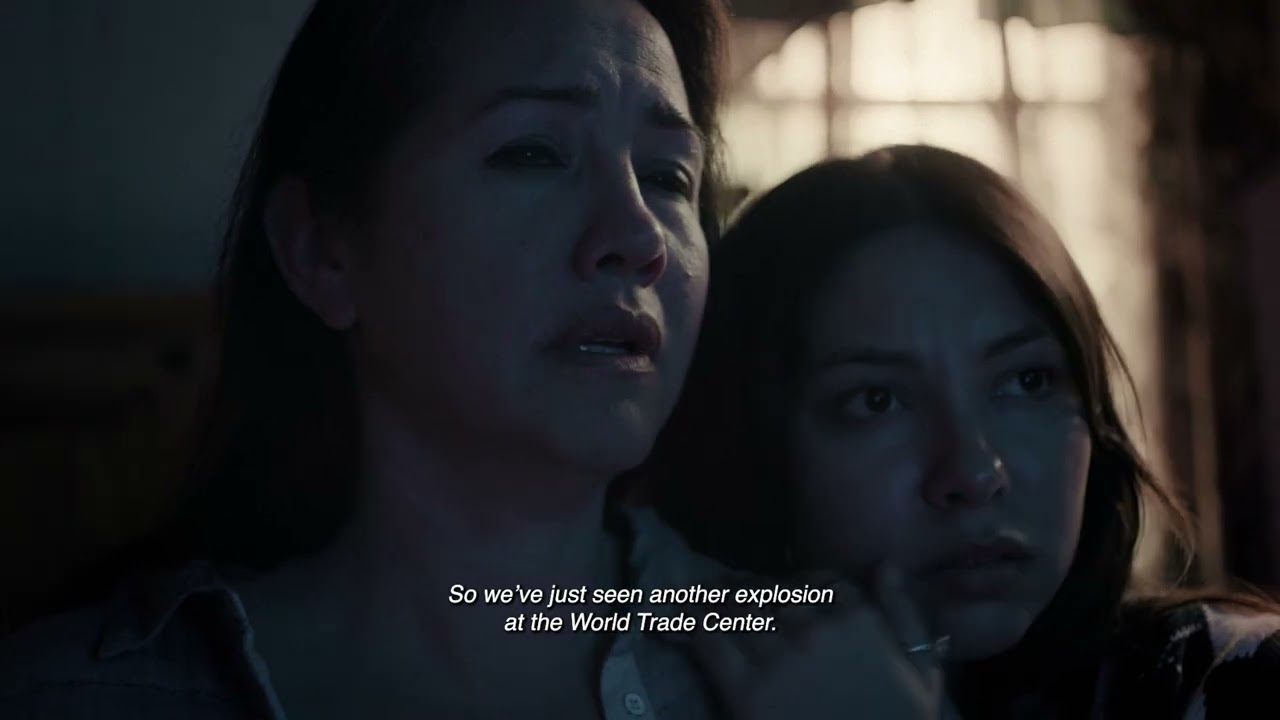
I'll Be Gone in June follows Franny, a German teenager who travels to New Mexico in the aftermath of the September 11 attacks. Far from home, she encounters military families, eccentric locals, cultural differences, and ultimately a life-changing romance with Elliott. As their relationship deepens, both are forced to confront the reality that their time together may be limited. Written and directed by Katharina Rivilis, the film blends coming-of-age drama, romance, historical backdrop, cultural discovery, youth identity, and emotional growth into an intimate and deeply personal narrative. Through Franny's journey, the story explores first love, loss, belonging, memory, grief, adolescence, cultural exchange, and the fragility of human connection. Its post-9/11 setting provides both emotional and historical context while remaining focused on personal experiences. Ultimately, the film becomes both a romantic drama and a reflection on how brief relationships can leave permanent marks on a person's life.
➡️ Implication: Contemporary coming-of-age romances increasingly combine personal relationships with larger historical and cultural contexts.
Why It Is Trending: Audiences continue embracing emotionally intimate coming-of-age romances
Modern audiences increasingly connect with stories exploring first love, personal growth, and emotional transformation through authentic character experiences.
The film has attracted attention because of its combination of youthful romance, cultural displacement, and historical setting. Viewers are drawn to Franny's journey of self-discovery as she navigates a foreign environment during a period of uncertainty and emotional upheaval. The relationship between Franny and Elliott introduces universal themes surrounding connection, impermanence, and emotional vulnerability. Its blend of romance and historical reflection creates a narrative that feels both intimate and expansive. The film's inclusion in the Cannes Un Certain Regard lineup has further increased interest among international audiences.
➡️ Implication: Emotionally grounded coming-of-age romances continue resonating through authenticity and universal emotional experiences.
Elements Driving the Trend: First love, cultural discovery, and emotional impermanence
The film builds emotional engagement through relationships shaped by circumstance and limited time.
Franny's experience as a foreign teenager in New Mexico creates a sense of discovery that extends beyond romance into questions of identity and belonging. Themes surrounding adolescence, friendship, cultural exchange, grief, family, memory, and emotional growth strengthen the narrative's emotional appeal considerably. The post-9/11 setting adds subtle tension and uncertainty without overshadowing the personal story. The awareness that Franny and Elliott's time together may be temporary creates emotional urgency throughout the narrative. Together, these elements create a poignant coming-of-age romance grounded in human connection.
➡️ Implication: Contemporary youth dramas increasingly succeed by combining intimate emotional stories with broader cultural and historical contexts.
Virality of Movie (Social Media Coverage): Interest driven by emotional storytelling and festival visibility
The film has generated attention largely through festival coverage and discussions surrounding its emotional premise.
Online conversations frequently focus on the relationship between Franny and Elliott, the film's nostalgic early-2000s setting, and its exploration of youth during a transformative historical period. Many viewers have expressed interest in the story's combination of romance, cultural discovery, and emotional loss. Festival audiences have also highlighted its intimate storytelling and coming-of-age themes. The Cannes selection significantly increased awareness among international film communities. These factors continue building anticipation around the film.
➡️ Implication: Festival-backed coming-of-age romances increasingly generate engagement through emotional relatability and universal themes.
Critics Reception: Early critical interest centered on emotional authenticity and atmosphere
Although widespread reviews remain limited, early festival attention has focused on the film's emotional sensitivity and character-driven storytelling.
Industry observers have highlighted the project's coming-of-age perspective, historical setting, and intimate exploration of first love. The film's emphasis on emotional authenticity and personal transformation aligns with contemporary audience demand for character-focused dramas. Critics attending festival screenings have shown particular interest in the balance between romance and historical context. The project's emotional tone and youthful perspective remain central points of discussion.
➡️ Implication: Character-driven romantic dramas increasingly attract attention through emotional realism and historical resonance.
Awards and Recognitions: Cannes recognition positions the film among emerging international voices
I'll Be Gone in June has already received significant festival recognition through the prestigious Cannes Film Festival.
The film earned a nomination for the Un Certain Regard Award, one of Cannes' most respected sections dedicated to innovative and emerging international cinema. Additionally, Katharina Rivilis received a nomination for the Golden Camera (Caméra d'Or), awarded to the best first feature film presented across the Cannes selections. These nominations represent the film's most important recognitions and highlight the industry's confidence in Rivilis as an emerging filmmaking voice.
The Cannes recognition significantly strengthens the film's profile within international arthouse cinema and positions it among notable debut works of 2026.
➡️ Implication: International festivals increasingly spotlight emotionally intimate coming-of-age stories from emerging filmmakers.
Director and Cast: Young performances bring first love, loss, and self-discovery to life
Directed by Katharina Rivilis, the film prioritizes emotional intimacy, character development, and lived experience over conventional romantic-drama formulas. Through a youthful perspective, Rivilis explores how love, grief, and personal growth intersect during moments of historical uncertainty.
Naomi Cosma leads the film as Franny, a German teenager whose journey to New Mexico becomes both a cultural awakening and an emotional coming-of-age experience. As an outsider navigating a new environment, Franny experiences friendship, displacement, curiosity, and first love simultaneously. Cosma carries the emotional core of the narrative, portraying a young woman gradually discovering both herself and the fragile beauty of human connection.
David Flores plays Elliott, the young man who becomes Franny's soulmate during her time in America. Their relationship forms the emotional center of the film, balancing youthful excitement with the awareness that some relationships are destined to be temporary. Elliott represents both emotional comfort and inevitable loss, creating much of the film's romantic and dramatic tension.
Supporting performances from Bianca Dumais, Rebecca Schulz, Jazmine Olague, Logan Sage, Elijah De Billie, and Josue Enrique Lamboy help create a vibrant portrait of New Mexico life in the early 2000s. Together, the ensemble captures the cultural diversity, emotional uncertainty, and youthful energy that define Franny's transformative experience. The cast's naturalistic performances reinforce the film's intimate atmosphere and emotional authenticity throughout.
➡️ Implication: Contemporary coming-of-age romances increasingly rely on naturalistic young ensembles to create emotional realism and audience connection.
Conclusion: A bittersweet romance about youth, memory, and the relationships that shape us forever
I'll Be Gone in June transforms a brief period in one teenager's life into a moving exploration of first love, belonging, grief, and personal transformation. Its intimate storytelling and emotionally grounded performances create a deeply relatable viewing experience rooted in vulnerability, discovery, hope, and loss. Katharina Rivilis approaches romance not as fantasy but as a formative life experience capable of permanently altering how people see themselves and the world around them. Naomi Cosma and David Flores anchor the story through performances balancing youthful optimism with emotional maturity. Its themes of identity, memory, cultural exchange, impermanence, and emotional growth remain highly relevant within contemporary coming-of-age storytelling. Ultimately, the film becomes both a romantic drama and a reflection on how some of life's most meaningful relationships are also the ones that cannot last forever.
➡️ Implication: Emotionally authentic coming-of-age romances will continue shaping contemporary international arthouse cinema.
What Movie Trend Is Followed: Historical coming-of-age romances exploring memory, identity, and fleeting connections
I'll Be Gone in June follows the growing trend of emotionally intimate coming-of-age dramas that combine first love and personal growth with significant historical or cultural moments.
Rather than focusing solely on romance, the film explores how major historical events shape personal experiences and emotional development. Similar contemporary arthouse dramas increasingly place young protagonists within periods of social uncertainty, allowing intimate stories of love and identity to unfold against larger historical backdrops. The movie also reflects broader audience interest in nostalgic storytelling, cultural discovery, and emotionally transformative relationships that exist only for brief periods. Its post-9/11 setting provides historical texture while maintaining a strong focus on human connection and self-discovery. This creates a romance where emotional growth becomes as important as the relationship itself.
➡️ Implication: Contemporary coming-of-age cinema increasingly combines personal relationships with historical reflection and cultural memory.
Trend Drivers: Audience fascination with first love and emotional transformation
Audiences increasingly connect with stories exploring relationships that shape identity during formative years.
Narratives centered on first love create strong emotional engagement because they reflect universal experiences of vulnerability, discovery, and change. Viewers strongly respond to stories where relationships become catalysts for personal growth rather than simple romantic fulfillment. The blending of romance, memory, and self-discovery also strengthens appeal among arthouse audiences seeking emotionally meaningful storytelling. These stories resonate because they capture moments that permanently influence how people understand themselves.
➡️ Implication: First-love narratives continue driving emotional engagement across contemporary drama and romance.
What Is Influencing Trend: Rise of nostalgic and memory-driven storytelling
Modern filmmakers increasingly explore how personal memories intersect with historical events.
Contemporary coming-of-age dramas now focus heavily on emotional recollection, cultural transitions, youth identity, and fleeting relationships. Audiences increasingly support stories examining how individual lives are shaped by larger social and historical changes. These narratives resonate because they connect personal experiences to collective memory and cultural transformation. This storytelling style aligns closely with audience demand for emotionally reflective cinema.
➡️ Implication: Nostalgia and memory increasingly influence contemporary arthouse storytelling.
Macro Trends Influencing: Expansion of identity and belonging narratives
Contemporary cinema increasingly prioritizes stories exploring identity formation and emotional belonging.
Audiences strongly support narratives examining cultural displacement, self-discovery, emotional growth, and personal transformation. Modern dramas also increasingly portray adolescence as a period of emotional complexity rather than simple maturation. These stories reflect broader conversations surrounding identity, globalization, cultural exchange, and emotional well-being. The trend strongly supports character-driven storytelling internationally.
➡️ Implication: Identity and belonging continue emerging as dominant themes within contemporary international cinema.
Consumer Trends Influencing: Preference for emotionally authentic romantic storytelling
Modern audiences increasingly seek romance grounded in realism rather than fantasy.
Viewers strongly engage with films exploring imperfect relationships, emotional vulnerability, cultural differences, and temporary connections. Younger audiences especially support narratives portraying romance as part of personal development rather than a final destination. Independent-film audiences also value emotional honesty and nuanced character experiences. These trends strongly support intimate coming-of-age romances.
➡️ Implication: Emotional authenticity increasingly strengthens audience engagement with contemporary romance.
Audience Analysis: Young adults and arthouse audiences drawn to bittersweet love stories
The film mainly appeals to viewers aged 16–45 interested in coming-of-age dramas, arthouse cinema, romance, and historical storytelling.
These audiences value emotional realism, strong character development, cultural exploration, and reflective storytelling. Fans of bittersweet romances will strongly connect with Franny and Elliott's relationship and the awareness of its impermanence. Festival audiences especially engage with narratives exploring memory, identity, and emotional transformation. The film's historical setting further broadens its appeal among viewers interested in personal stories shaped by larger events.
➡️ Implication: Emotionally reflective coming-of-age romances continue attracting audiences seeking meaningful and relatable storytelling.
Conclusion: A romance trend where love becomes a catalyst for personal growth
The trend reflected in I'll Be Gone in June shows how contemporary coming-of-age cinema increasingly treats romance as a transformative life experience rather than a narrative destination. These stories resonate because they prioritize emotional growth, memory, and self-discovery alongside romantic connection. Relationships create deeper audience engagement when they influence identity and personal development beyond the romance itself. The rise of historically situated coming-of-age dramas also reflects broader cultural interest in understanding personal experiences within larger social contexts. These projects succeed through emotional authenticity, nostalgia, and human vulnerability. Ultimately, the trend represents a broader movement toward emotionally intelligent storytelling shaped by memory, identity, and the fleeting nature of meaningful connections.
➡️ Implication: Historically grounded coming-of-age romances will continue shaping the future of international arthouse cinema.
Final Verdict: A bittersweet coming-of-age romance about memory, love, and the moments that define who we become
I'll Be Gone in June succeeds because it transforms a youthful romance into a broader exploration of identity, belonging, grief, cultural discovery, and emotional growth. Rather than presenting first love as a simple fairy tale, the film embraces impermanence, vulnerability, and self-discovery as the central forces shaping its narrative. Katharina Rivilis creates an intimate drama driven by curiosity, connection, loss, and personal transformation. The post-9/11 backdrop and New Mexico setting add emotional and historical depth without overwhelming the personal story. Its themes of memory, adolescence, cultural exchange, first love, and emotional resilience create a deeply relatable viewing experience. Ultimately, the film becomes both a romantic drama and a reflection on how brief encounters can permanently alter the course of a person's life.
➡️ Implication: Contemporary coming-of-age romances increasingly redefine love as a catalyst for emotional growth and self-understanding.
Audience Relevance: Appeals to viewers seeking emotionally authentic and reflective storytelling
The film strongly connects with audiences drawn to intimate romances and character-driven dramas.
Its themes of first love, cultural discovery, personal growth, and emotional vulnerability create strong relatability beneath the romance. Viewers interested in arthouse cinema and coming-of-age narratives will connect with the project’s emotional honesty and reflective tone. The film’s focus on memory and impermanence strengthens audience immersion considerably. This creates strong appeal among younger audiences and festival viewers alike.
➡️ Implication: Emotionally authentic romantic dramas continue attracting audiences seeking meaningful human stories.
What Is the Message of Movie: Some relationships are temporary, but their impact lasts forever
The film explores how certain people enter our lives briefly yet permanently shape who we become.
Franny’s journey demonstrates that meaningful relationships are not defined by duration but by emotional significance. The narrative suggests that growth often comes through experiences that cannot last forever. Love becomes less about permanence and more about transformation, memory, and self-discovery. The film ultimately portrays human connection as one of life’s most powerful forces, even when it is fleeting.
➡️ Implication: Contemporary romance increasingly focuses on emotional transformation rather than conventional happy endings.
Relevance to Audience: Reflects universal experiences of love, loss, and growing up
The film resonates because its emotional themes remain universally recognizable.
Audiences strongly connect with stories exploring first love, separation, identity formation, and emotional maturity. The narrative also reflects broader experiences surrounding leaving home, entering unfamiliar environments, and discovering new perspectives. Its emotional honesty allows viewers to connect with their own memories of formative relationships and life-changing experiences. This relevance strengthens the film’s emotional impact considerably.
➡️ Implication: Personal and emotionally honest storytelling continues driving audience engagement across generations.
Social Relevance: A portrait of youth navigating uncertainty in a changing world
The film examines how historical events and cultural environments influence personal development.
Its post-9/11 setting reflects a world experiencing uncertainty, transition, and emotional vulnerability. The story also explores how cultural exchange broadens perspectives and shapes identity. Through Franny’s experience, the film highlights the role of travel, human connection, and openness in personal growth. Rather than focusing directly on politics or history, it portrays larger societal shifts through intimate human experiences.
➡️ Implication: Contemporary dramas increasingly use personal stories to explore broader cultural and historical transitions.
Performance: Naturalistic performances create emotional authenticity
The performances provide the emotional foundation that makes the story resonate.
Naomi Cosma delivers a nuanced portrayal of Franny, balancing curiosity, vulnerability, excitement, and emotional growth throughout her journey. David Flores brings warmth and sincerity to Elliott, creating a believable romantic connection that drives the narrative. Supporting performances from Bianca Dumais, Rebecca Schulz, and Jazmine Olague help create a rich social environment around the central relationship. Together, the cast reinforces the film’s emotional realism and intimate atmosphere.
➡️ Implication: Naturalistic performances increasingly define successful coming-of-age romances.
Legacy: Part of the rise of emotionally intelligent international coming-of-age cinema
The film aligns with the growing popularity of intimate dramas exploring memory, identity, and emotional transformation.
Its focus on first love, cultural exchange, and personal growth reflects audience demand for authentic stories centered on human experience rather than spectacle. The project also strengthens the visibility of international arthouse cinema exploring youth through emotionally grounded narratives. Its Cannes recognition positions it among a new generation of globally minded coming-of-age films.
➡️ Implication: Emotionally reflective youth dramas continue shaping contemporary international cinema.
Success: Defined by emotional authenticity, festival recognition, and universal themes
The film’s success comes primarily through emotional honesty and character-driven storytelling.
Audience engagement is driven by the movie’s relatable themes, intimate romance, historical backdrop, and strong emotional core. The Cannes nominations for the Un Certain Regard Award and Golden Camera demonstrate industry recognition of its artistic ambition and storytelling quality. The film succeeds through emotional sincerity, cultural perspective, and human vulnerability. Its universal themes further strengthen its international appeal.
➡️ Implication: Festival-backed coming-of-age romances increasingly succeed through authenticity and emotional resonance.
Insights: The film transforms a youthful romance into a moving exploration of memory, identity, and emotional growth. Industry Insight: International arthouse cinema increasingly embraces coming-of-age stories that blend personal relationships with cultural and historical contexts. Consumer Insight: Audiences strongly connect with romances that prioritize emotional authenticity and personal transformation. Social Insight: The story highlights how cultural exchange and human connection shape identity during periods of uncertainty and transition. Cultural/Brand Insight: First-love narratives continue evolving beyond traditional romance into reflections on memory, belonging, and self-discovery.
Conclusion: A tender reflection on love, memory, and the people who change us forever
I'll Be Gone in June works because it approaches romance through emotional honesty, vulnerability, and the understanding that some of life’s most meaningful relationships are also the most temporary. Its intimate storytelling and naturalistic performances create a deeply affecting viewing experience rooted in discovery, belonging, hope, and loss. Katharina Rivilis explores adolescence through a lens of cultural curiosity and emotional maturity, while Naomi Cosma and David Flores anchor the narrative through performances balancing youthful optimism and emotional depth. Its themes of first love, memory, identity, grief, and personal transformation remain highly relevant within contemporary coming-of-age storytelling. Ultimately, the film becomes both a romantic drama and a reminder that the people we meet during pivotal moments often stay with us long after they are gone.
➡️ Implication: Emotionally authentic coming-of-age romances will continue shaping the future of international arthouse cinema.
Summary of the Movie: A coming-of-age romance about first love, memory, and emotional transformation
• Movie themes: First love, adolescence, identity, belonging, grief, memory, cultural discovery, emotional growth, impermanence, and self-discovery — the film explores how a brief but meaningful relationship can permanently shape a young person's understanding of life and love.➡️ Implication: Contemporary coming-of-age romances increasingly focus on emotional transformation rather than romantic fulfillment alone.
• Movie director: Katharina Rivilis delivers an intimate arthouse drama blending romance, historical context, youth identity, and emotional realism through a deeply personal perspective.➡️ Implication: Emerging filmmakers increasingly explore large emotional themes through small, character-driven stories.
• Top casting: Naomi Cosma leads as Franny alongside David Flores as Elliott, supported by Bianca Dumais, Rebecca Schulz, Jazmine Olague, and Logan Sage. Their performances create an emotionally authentic portrait of youth, friendship, and fleeting connection.➡️ Implication: Naturalistic performances continue defining contemporary arthouse coming-of-age cinema.
• Awards and recognition: The film received 2 major nominations at the Cannes Film Festival. Its most important recognition was a nomination for the Un Certain Regard Award, while director Katharina Rivilis also received a nomination for the prestigious Golden Camera (Caméra d'Or) for Best First Feature. These nominations position the film among the most notable international debut features of 2026.➡️ Implication: International festivals increasingly champion emotionally intimate coming-of-age stories from emerging filmmakers.
• Why to watch movie: A strong choice for viewers who enjoy first-love stories, arthouse cinema, emotional dramas, historical coming-of-age narratives, and character-driven storytelling.➡️ Implication: Emotionally reflective romances continue attracting audiences seeking meaningful and personal narratives.
• Key success factors: Emotional authenticity, strong lead performances, historical backdrop, cultural exploration, universal themes of love and loss, Cannes recognition, and intimate storytelling.➡️ Implication: Human connection and emotional honesty increasingly drive success within contemporary arthouse cinema.
• Where to watch: Premiered at the Cannes Film Festival and was released on May 17, 2026. Produced by Road Movies Filmproduktion, 8horses, and Film Science.➡️ Implication: Festival premieres remain crucial launch platforms for international coming-of-age dramas.
https://pro.festivalscope.com/film/ill-be-gone-in-june-1 (industry professionals)
Conclusion: A tender and bittersweet story about the relationships that shape our lives
I'll Be Gone in June transforms a teenage romance into a moving exploration of memory, belonging, identity, and emotional growth. Its intimate storytelling and emotionally grounded performances create a relatable viewing experience rooted in vulnerability, discovery, hope, and loss. Katharina Rivilis approaches first love as a formative life experience rather than a romantic fantasy, allowing the story to resonate with emotional honesty and maturity. Naomi Cosma and David Flores anchor the film through performances balancing youthful optimism with emotional depth. Its themes of memory, grief, cultural exchange, impermanence, and self-discovery remain highly relevant within contemporary coming-of-age storytelling. Ultimately, the film becomes both a romantic drama and a reminder that some of the most important people in our lives are those who stay only briefly but change us forever.
➡️ Implication: Emotionally authentic first-love stories will continue shaping the future of international arthouse cinema.
Comments