

Barrio Triste (2025) by Stillz

CO / US | 2025 | 84 min | Drama
Four Teenagers Steal a Camera to Film Their Lives in 1980s Medellín
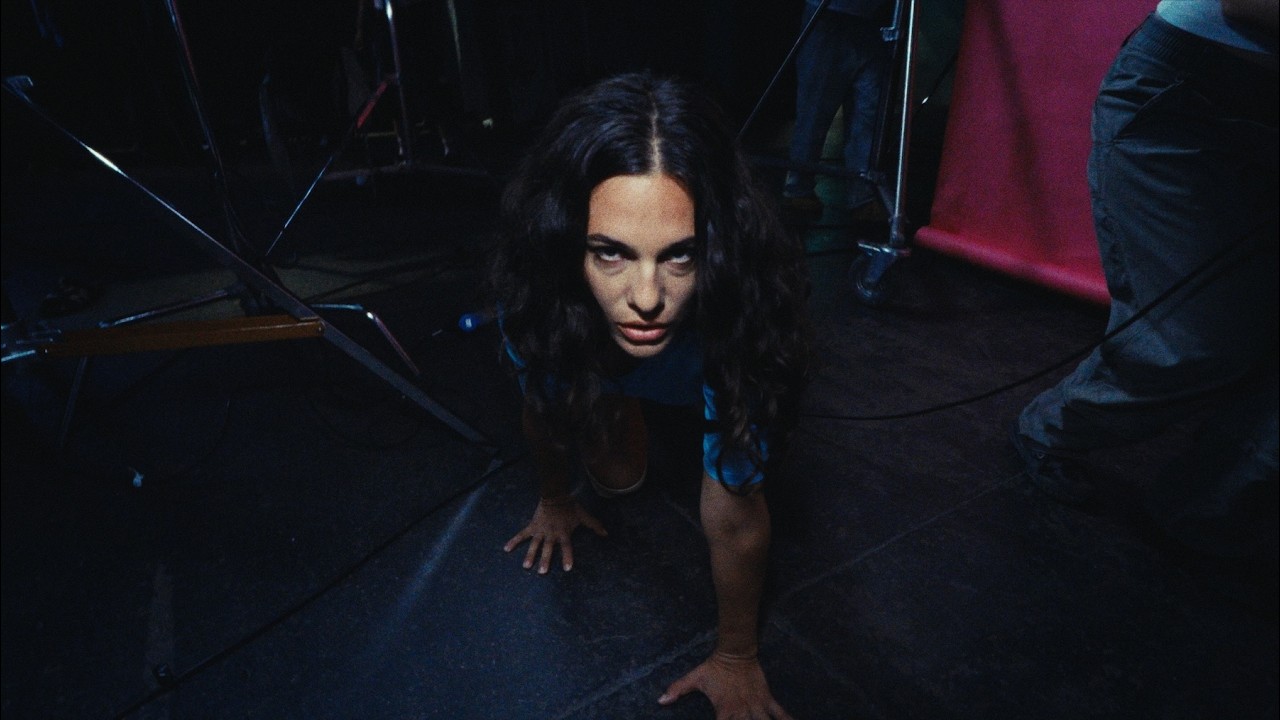
In an impoverished neighbourhood of 1980s Medellín, four disaffected teenagers steal a television reporter’s camera and begin recording their own lives. Their footage opens a window onto restless wandering, violence, companionship and loneliness. Written and directed by Stillz, Barrio Triste uses this stolen viewpoint to create a fragmented portrait of young people inhabiting a world with limited possibilities. The camera becomes both a witness to their behaviour and a means of showing how they experience their surroundings.
➡️ Storyline: Four teenagers turn a stolen camera on a world that shapes their choices, relationships and sense of who they are.
Why to Watch Barrio Triste: A Youth Drama Built Around Atmosphere and Unease
Barrio Triste offers an immersive encounter with its characters’ environment rather than the reassurance of a conventional coming-of-age journey. The camera premise places viewers close to the teenagers’ actions, creating an uncomfortable mixture of access and uncertainty. For audiences interested in challenging cinema, the attraction lies in observing how violence and loneliness coexist with moments of companionship.
Arca’s original score provides another substantial draw, particularly for viewers who value sound as part of a film’s emotional experience. The supplied audience reviews repeatedly discuss the audiovisual intensity, while disagreeing about whether the wandering structure remains compelling. This suggests a stronger fit with viewers seeking atmosphere, experimentation and emotional discomfort than those expecting a tightly plotted crime thriller.
➡️ Reason to Watch: The film combines an intimate recording perspective with an experimental score to make marginalised youth a sensory and emotional experience.
Why Barrio Triste Stands Out: Found Footage Becomes a Portrait of Teenage Life
Compared with crime dramas organised around an investigation or escalating criminal ambition, Barrio Triste begins with a camera theft that changes who controls the viewpoint. The teenagers become the recorders of their surroundings. That distinction gives audiences a particular reason to watch: the neighbourhood emerges through encounters and impressions rather than primarily through an outsider’s explanation.
The found-footage approach also moves beyond its familiar association with horror. Stillz’s background in music videos, Arca’s score and the involvement of Harmony Korine’s EDGLRD provide additional points of interest for audiences drawn to experimental film and contemporary music. The Georges Delerue award at Film Fest Ghent offers concrete recognition of the soundtrack and sound design, reinforcing sound as a distinguishing attraction.
➡️ Why it stands out: A stolen-camera viewpoint and Arca’s score give the youth drama an audiovisual identity beyond a conventional story of neighbourhood crime.
Movie Trend: Youth Drama — Violence and Loneliness Shape Life on the Margins
Barrio Triste positions adolescence within an environment where violence and limited prospects affect everyday experience. The teenagers’ shared activities offer companionship, but their proximity does not automatically resolve loneliness or create a direction for their lives. Read through this lens, rowdiness becomes part of a broader portrait of young people negotiating uncertainty, rather than a complete explanation of who they are.
This reflects an established youth-drama pattern in which coming of age involves navigating circumstances that restrict opportunity. Such stories can challenge expectations of steady progress toward confidence or independence. Barrio Triste contributes a fragmented recording perspective, making behaviour, surroundings and emotional atmosphere central to the encounter. Understanding those conditions does not require excusing harmful actions or treating the characters as representative of all young people in Medellín.
➡️ Movie Trend Insight: Youth drama gains complexity when it examines how difficult surroundings shape young people without reducing them to their circumstances.
Broad Trend: The Search for Identity — People Want to Understand Who They Are Beyond the Labels Applied to Them
The Search for Identity involves developing a sense of self through experience, relationships and expression. In Barrio Triste, the camera offers an interpretive route into that motivation: the teenagers record what they do, where they go and whom they encounter. Their filmed presence can be read as an attempt to occupy the frame on their own terms, even when the behaviour they reveal is troubling.
Beyond cinema, identity develops through the interaction between how people see themselves and how others describe them. Labels such as outsider, delinquent or disadvantaged may identify aspects of experience while leaving much unseen. The wider relevance lies in the need for space to explore a more complicated self, including contradictions, vulnerabilities and aspirations that a single social category cannot contain.
➡️ Broad Trend Insight: Identity becomes more fully understood when people can express the experiences and contradictions that external labels overlook.
Viewer Profile: Independent Cinema Fans Seeking Bold Style, Social Insight and Challenging Experiences
The likely audience includes viewers attracted to films that prioritise atmosphere, perspective and formal experimentation. The strongest fit is with audiences comfortable with fragmented storytelling and morally difficult characters.
Profile | Audience Insight |
Core Audience | Independent and experimental cinema viewers interested in youth culture, marginalisation and unconventional narrative forms. |
Age / Generation | Adult Gen Z, Millennials and Gen X, approximately 18–55 — a proposed audience range reflecting interest in contemporary music, experimental visuals and socially observant cinema. |
Lifestyle | Viewers who follow film festivals, international cinema, music videos or artists working across different media. |
Cinema Taste | Found-footage drama, atmospheric filmmaking, abrasive social portraits and stories open to surreal elements. |
Story Motivation | To encounter unfamiliar perspectives and explore how environment, behaviour and self-expression interact. |
Discovery Mindset | Likely to respond to Stillz’s music work, Arca’s involvement, EDGLRD or festival recommendations. |
Emotional Driver | Curiosity about lives on the margins and a willingness to engage with discomfort. |
Key Profiles: Three Routes into the Teenagers’ Recorded World
1. The Experimental Cinema Explorer
Audience Description: Viewers who enjoy films that challenge familiar narrative rhythms and visual conventions. The recording perspective and fragmented structure provide their main reason to engage.
2. The Music and Sound Enthusiast
Audience Description: Audiences drawn to Arca’s work or to cinema where sound substantially shapes atmosphere. Their entry point is the relationship between the score, visual texture and emotional intensity.
3. The Youth Culture Viewer
Audience Description: Viewers interested in how young people express themselves within difficult social environments. They approach the film through the teenagers’ relationships, behaviour and attempts to record their own experience.
➡️ Audience Insight: Formal experimentation, musical curiosity and interest in youth identity offer distinct reasons to enter the same unsettling portrait.
What This Movie Means for the Industry: Music and Visual Culture Create Additional Discovery Routes
Barrio Triste demonstrates how a debut feature can establish an audience proposition through creative collaborators as well as its story. Stillz’s music-video background, Arca’s score and EDGLRD’s involvement connect the film with communities already interested in experimental audiovisual work. Festival recognition supplies another route into discovery. For distributors, the opportunity lies in communicating the experience accurately: audiences drawn by the collaborators should also understand the fragmented narrative and challenging material. These creative associations can encourage attention, while audience expectations remain important to how the film is received.
➡️ Industry Insight: Collaborations across film and music can broaden discovery when the campaign clearly communicates the experience viewers will encounter.
Final Verdict: A Camera Gives Marginalised Youth a Complicated Presence
Barrio Triste has a distinctive premise and a strong audiovisual attraction. The stolen-camera perspective brings viewers close to behaviour and surroundings that resist an easy interpretation. The supplied responses suggest that its impact depends substantially on a viewer’s appetite for atmosphere, repetition and an unconventional structure.
Violence and Loneliness Shape Life on the Margins connects with The Search for Identity through the teenagers’ recorded presence. Their actions reveal difficult aspects of their lives, but the film’s interest extends to how they inhabit their neighbourhood and relate to one another. The camera offers visibility without necessarily producing clarity.
➡️ Final Verdict Insight: Barrio Triste’s identity lies in its perspective and audiovisual approach. Its strongest appeal is to viewers willing to explore a youth portrait without expecting a conventional path toward resolution.
Final Insights: Identity Requires More Than Visibility
The Search for Identity matters because people want their lives to be understood beyond the categories assigned to them. Recording and self-expression can create opportunities to show experience from within, but visibility alone does not guarantee understanding. Stories about marginalised youth make that tension especially apparent when the lives presented contain both vulnerability and harmful behaviour.
For entertainment, this creates scope for films that explore identity through perspective, sound and everyday encounters alongside plot. Future storytelling can deepen the theme by preserving individual complexity while making the surrounding conditions intelligible. The broader implication is that recognition becomes more meaningful when it allows people to remain contradictory rather than forcing them into a reassuring narrative.
➡️ Final Insight: SOCIAL LABELS → LIVED EXPERIENCE → SELF-EXPRESSION → COMPLICATED VISIBILITY → THE SEARCH FOR IDENTITY. This progression shows how recording a life can challenge an external description without settling every question about it. More revealing storytelling gives audiences room to understand complexity without overlooking consequences.
Comments