
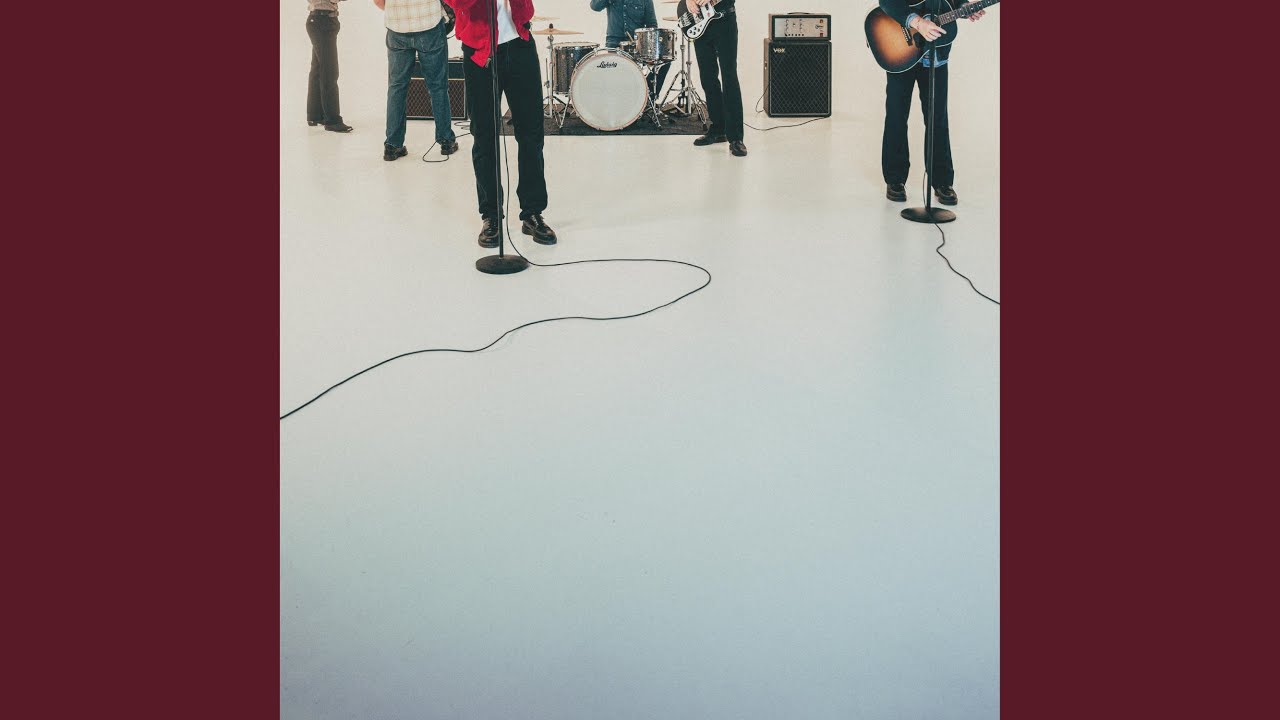
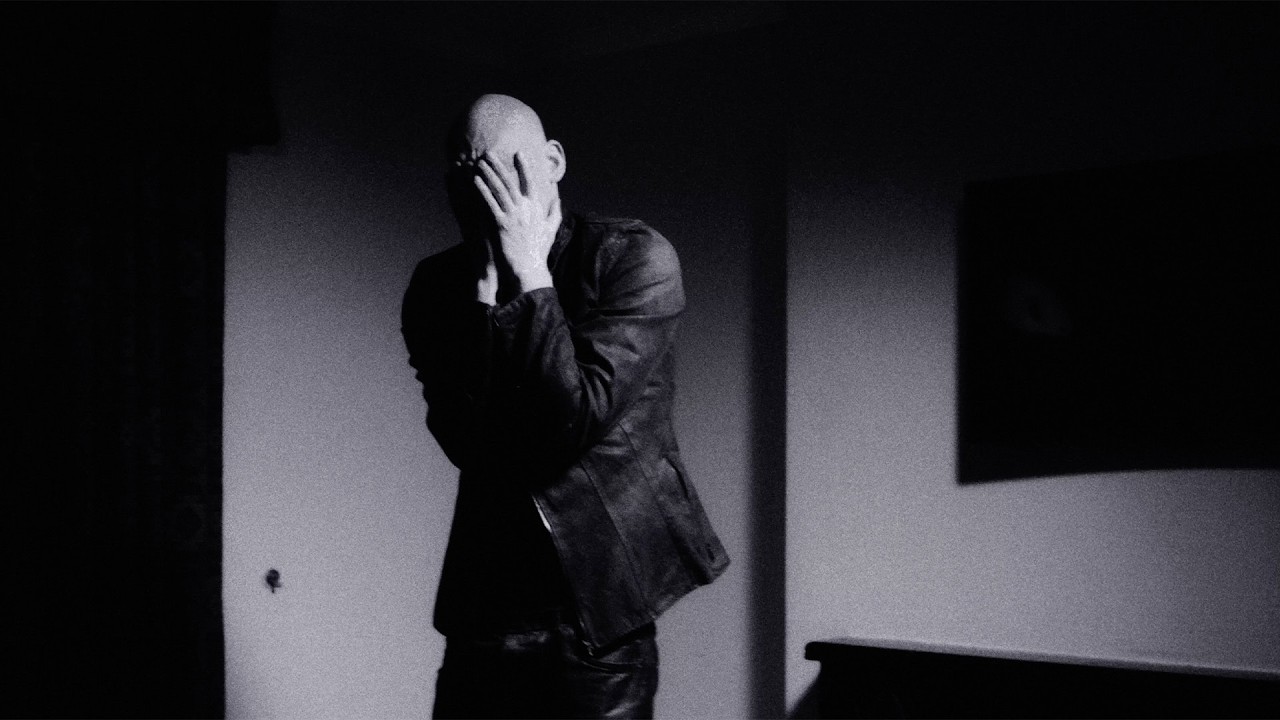



Union County (2026) by Adam Meeks

US | 2026 | 97 min | Drama
➡️ Where to Watch: US
Recovery Is Not the Ending — It Is the Beginning of Another Life
Cody Parsons is not beginning his story at rock bottom. He is beginning with what comes afterward: the uncertain work of rebuilding. Assigned to a county-mandated drug court program in rural Ohio, he must find work, attend meetings, repair damaged relationships and learn how to move through everyday life while the possibility of relapse remains present.
That makes Union County less interested in addiction as catastrophe than in recovery as process. Cody's progress comes through ordinary decisions and small victories rather than a single transformative breakthrough.
ADDICTION → CONSEQUENCES → RECOVERY → SETBACKS → SUPPORT → SMALL VICTORIES → SECOND CHANCE
➡️ Trend Insight: Union County reflects a shift in recovery storytelling from “Can this person be saved?” toward “How does someone actually build a life again?” A second chance is not one moment of redemption; it is something Cody has to choose repeatedly.
Why This Movie Matters Right Now: Recovery Becomes a Story About What Happens Next
Stories about addiction have often concentrated on deterioration, crisis and relapse. Union County redirects attention toward the quieter period that follows: finding employment, participating in recovery programs, reconnecting with other people and learning to tolerate the uncertainty of ordinary life.
Meeks deliberately structured the feature around Phase One of the drug-court program. He has explained that completing this stage could provide hope without suggesting Cody has finished recovery or solved everything.
That distinction is central to the movie's relevance. Recovery is not presented as a clean movement from illness to cure but as an unstable process requiring time, structure and repeated effort.
➡️ Movie Insight: The dramatic question is no longer simply whether Cody can stop using drugs. It is whether he can begin believing that a different future is possible.
Should You Watch It?: A Recovery Drama Built Around Observation Rather Than Sensation
Watch Union County if you respond to quiet character dramas, social realism and films where emotional power emerges from observation rather than dramatic manipulation. Will Poulter plays Cody with restraint, while Noah Centineo's Jack provides a more outwardly volatile counterpoint.
The film also deliberately places professional performers inside a functioning recovery community. Real participants and staff appear alongside fictional characters, bringing lived experience directly into the narrative.
➡️ Viewing Recommendation: Best for viewers interested in intimate social dramas where recovery, community and everyday resilience matter more than conventional plot mechanics.
Why Everyone Is Talking About It: Fiction Meets a Real Recovery Community
Union County premiered in the U.S. Dramatic Competition at the 2026 Sundance Film Festival. Sundance described the film's approach as one in which Poulter and Centineo were embedded within the community alongside local non-actors, giving the story an unusually grounded relationship with the people and place it portrays.
Meeks' relationship with that community predates the feature by years. His research began around 2018, and he developed long-term relationships with Adult Recovery Court participants and administrator Annette Deao before making the film. Actual court sessions and recovery meetings were incorporated into the fictional story.
The production also protected participant choice: the material supplied for the film notes that participants could decline to be filmed on any given day rather than having previous consent treated as permanent.
➡️ Viral Potential: The strongest conversation around Union County comes from the boundary it crosses between fiction and lived experience. Recognizable actors can bring audiences into the story, but the participation of people actually navigating recovery gives viewers another reason to discuss what authentic social storytelling can look like.
Why Union County Stands Out: Recovery Is Shown One Day at a Time
Many addiction dramas build toward a decisive moment: collapse, intervention, sobriety or relapse. Union County resists making any one moment definitive.
Cody's life develops through fragments of progress. A job matters. Showing up matters. A meeting matters. Reconnecting with someone matters. A setback matters too, but it does not automatically erase everything that preceded it. Sundance specifically highlighted this cyclical quality of recovery when revisiting the film after its premiere.
That changes the emotional scale of the movie. What might appear insignificant in another drama can become consequential here because recovery is constructed from accumulation.
➡️ Cinema Insight: Union County finds drama in incremental change. The small victory replaces the spectacular redemption scene.
Movie Trend: Recovery Drama: The Long Road Back — Healing Becomes a Process Rather Than a Resolution
CRISIS → RECOVERY → EFFORT → SETBACK → SUPPORT → PROGRESS → CONTINUATION
The Long Road Back describes a recovery narrative that refuses to treat sobriety as the conclusion. Recovery becomes the story itself.
Cody must navigate the practical consequences of his past while constructing routines capable of supporting a different future. His foster brother Jack simultaneously demonstrates how unstable that process can remain. The brothers can support one another, but neither can guarantee the other's recovery.
The movie consequently replaces the traditional transformation arc with something more cyclical:
PROGRESS → PRESSURE → SETBACK → SUPPORT → PROGRESS
That cycle makes the story less dramatically tidy but more aligned with the film's underlying idea: improvement can be meaningful without being permanent.
➡️ Movie Trend Insight: Recovery dramas are becoming more powerful when they stop asking for a single moment of redemption and start examining the repetitive, unfinished work required to sustain change.
Broad Trend: The Search for a Second Chance — The Future Must Become Bigger Than the Past
PAST → CONSEQUENCES → OPPORTUNITY → RESPONSIBILITY → RECONNECTION → POSSIBILITY → SECOND CHANCE
A second chance is different from forgiveness. Cody cannot simply erase his previous actions, and other people are not required to forget what happened. His strained relationship with his sister Katrina makes that particularly visible.
Instead, the second chance comes from being allowed to construct something new while still carrying the consequences of what came before. The drug court itself embodies that principle institutionally: it provides a structured alternative designed around treatment, accountability and rebuilding rather than incarceration alone.
This transforms the film's broad question from “Does Cody deserve forgiveness?” into something more productive:
CAN A PERSON BECOME MORE THAN THEIR WORST PERIOD?
➡️ Broad Trend Insight: The Search for a Second Chance reflects a wider desire for stories in which identity is not permanently fixed by failure. The past remains consequential, but it does not have to own the future.
Why Recovery Drama: The Long Road Back Is Growing: Audiences Want to See What Comes After Survival
Recovery offers a naturally powerful narrative because it combines progress with uncertainty. Every improvement carries hope, but every setback can expose how fragile that improvement remains.
Union County pushes this further by focusing on infrastructure as well as individual determination. Counselors, judges, recovery meetings, employment, family and peers all become part of Cody's ability to continue. The recovery court is therefore not merely a backdrop; it shows how second chances can require systems capable of sustaining them.
➡️ Audience Motivation: HOPE + EMPATHY + REALISM + TRANSFORMATION. The emotional reward comes not from seeing someone magically repaired, but from watching someone discover reasons to keep trying.
Viewer Profile: Who Union County Is Most Likely to Reach
Audience | What Draws Them In | Core Motivation |
Character-Drama Viewers | Cody's quiet internal struggle | Empathy |
Social-Realism Audiences | Rural Ohio and the recovery-court environment | Understanding |
Indie Film Audiences | Restrained, observational filmmaking | Discovery |
Will Poulter / Noah Centineo Audiences | Performances outside conventional star vehicles | Performance |
Recovery-Focused Viewers | Everyday realities of rebuilding | Recognition |
Festival Audiences | Sundance U.S. Dramatic Competition pedigree | Discovery |
Social-Issue Audiences | Addiction, criminal justice and community support | Perspective |
➡️ Audience Insight: The film broadens the recovery drama by giving viewers two simultaneous points of entry: Cody provides emotional identification; the real recovery community provides lived context.
What This Movie Means for the Industry: Lived Experience Can Become Part of Fiction
Union County offers an interesting model for socially grounded filmmaking. Meeks did not simply research Adult Recovery Court and then recreate it elsewhere. He developed relationships over several years and eventually incorporated actual participants, staff, locations and court activity into the fictional framework.
The result sits between narrative cinema and documentary observation without becoming either completely. Professional actors provide the central fictional characters, while people from the community can represent aspects of their own experience.
That creates an alternative to authenticity as aesthetic imitation. Instead of making professional actors and constructed sets look more “real,” the production allows reality itself to enter the film.
➡️ Industry Insight: RESEARCH → TRUST → PARTICIPATION → LIVED EXPERIENCE → FICTION → AUTHENTICITY. Socially conscious filmmaking can gain credibility when communities become collaborators rather than merely subjects.
Creative Analysis: Realism Turns Recovery Into Lived Experience
Storytelling: Small Moments Make Recovery Feel Like a Process
The film uses a vignette-like structure rather than building everything around one dramatic crisis. The user material describes Cody's recovery through individual moments within a larger process, which matches the movie's interest in incremental progress.
This allows everyday events to acquire unusual dramatic weight. Recovery itself becomes the narrative engine.
Direction: Restraint Keeps the Story Close to Reality
Adam Meeks favors restraint. RogerEbert.com's review describes the film as a fact-fiction hybrid rooted in neorealism, with actual locations and nonprofessional performers integrated alongside trained actors.
The approach minimizes the distance between Cody's fictional story and the environment surrounding him.
Performances: Fictional Characters Meet Lived Experience
Will Poulter's Cody is reserved and watchful, making internal change more important than outward theatricality. Noah Centineo's Jack offers a contrasting energy, creating two different expressions of vulnerability within the same recovery environment.
Their performances are surrounded by actual participants whose presence changes the texture of the scenes. The distinction between performing recovery and living through recovery becomes intentionally porous.
Visual Style: Rural Ohio Becomes Part of the Recovery Story
Cinematographer Stefan Weinberger spent years becoming familiar with the Ohio locations before production. Meeks has explained that this familiarity allowed the filmmaking team to develop a visual perspective on the spaces rather than simply arriving to photograph them.
The restrained compositions and use of physical distance complement Cody's interiority, allowing environments and silence to carry emotional information.
Themes: The Past Competes With the Person You Are Trying to Become
Recovery, relapse, accountability, forgiveness, family, community, dignity and hope converge around one central tension:
THE PERSON YOU WERE ↔ THE PERSON YOU ARE TRYING TO BECOME
The film does not resolve that tension by eliminating the past. Cody has to build his second chance while continuing to live beside it.
What Makes It Different: Real Recovery Enters the Fiction
The most distinctive element is the film's refusal to separate fictional recovery from actual recovery.
Real participants speak for themselves. Real court activity enters the narrative. Professional actors move through those spaces rather than replacing them. The film therefore asks fiction to accommodate lived experience instead of forcing lived experience entirely into a predetermined fictional shape.
➡️ Creative Insight: Union County does not use realism merely to make addiction look convincing. It uses realism to make recovery visible as an ongoing social process.
If You Liked Union County: Stories About Rebuilding After Life Breaks Apart
All That's Left of You (2026) by Cherien Dabis: Rebuilding Identity Through What Survives
A multigenerational Palestinian family drama examines how displacement, memory and inherited experience shape the possibility of continuing after profound disruption.
➡️ Why It Connects: The circumstances are radically different, but both films are interested in what happens after life has been altered by forces that cannot simply be undone. Moving forward requires carrying the past without allowing it to define every remaining possibility.
LOSS → CONSEQUENCES → MEMORY → RECONNECTION → CONTINUATION
➡️ Where to Watch: US
Preparation for the Next Life (2025) by Bing Liu: Building a Future From an Unstable Present
Aishe, an undocumented Uyghur immigrant working in New York, meets Skinner, an American veteran struggling after military service. Their relationship develops between economic insecurity, trauma and the desire to imagine lives beyond what their pasts appear to permit.
➡️ Why It Connects: Like Cody, the characters are not searching for a magical reset. They are trying to construct workable futures from lives already marked by difficult experiences.
PAST → PRECARITY → CONNECTION → POSSIBILITY → REBUILDING
La seconda vita (2024) by Vito Palmieri: A Second Chance After the Sentence Ends
After spending fifteen years in prison, Anna attempts to start again in a small Tuscan town. Freedom does not erase guilt, judgment or memory, leaving her to determine whether serving a sentence can ever truly separate a person from the identity created by their past.
➡️ Why It Connects: Cody and Anna face different circumstances, but both stories distinguish between completing an institutional process and actually rebuilding a life. The formal second chance comes first; believing in it is harder.
PAST → PUNISHMENT → RELEASE → STIGMA → RECONNECTION → SECOND LIFE
➡️ Where to Watch: IT
➡️ If You Liked Insight: These films move beyond survival to examine reconstruction. Their characters cannot undo what happened, so progress depends on creating identities capable of containing the past without being permanently controlled by it. CONSEQUENCES → OPPORTUNITY → REBUILDING → CONNECTION → SECOND CHANCE.
Final Verdict: Recovery Is Built From Small Victories
Union County turns the recovery drama away from spectacle and toward repetition. Cody's second chance is constructed through meetings, work, relationships, accountability, setbacks and the decision to return the next day.
Its fiction-documentary hybrid makes that idea even stronger. Cody may be fictional, but the recovery community surrounding him is rooted directly in lived experience, preventing the story from reducing addiction to a convenient dramatic arc.
➡️ Final Verdict Insight: Union County makes an ordinary act feel radical: trying again tomorrow.
Quick Facts: Recovery, Community and the Possibility of Starting Again
Title | Union County |
Year | 2026 |
Director / Writer | Adam Meeks |
Country | US |
Language | English |
Runtime | 97 min |
Stars | Will Poulter, Noah Centineo, Annette Deao |
Movie Trend | Recovery Drama: The Long Road Back |
Broad Trend | The Search for a Second Chance |
Festival Launch | Sundance Film Festival 2026 — U.S. Dramatic Competition |
Core Formula | ADDICTION → CONSEQUENCES → RECOVERY → SETBACKS → SUPPORT → SMALL VICTORIES → SECOND CHANCE |
Final Insights: A Second Chance Is Something You Build
Recovery stories become more meaningful when they recognize that surviving a crisis does not automatically create a new life. Work, relationships, trust, routines and self-worth still have to be reconstructed. Union County places that difficult middle ground at the center rather than rushing toward a conventional redemption ending.
That gives The Search for a Second Chance wider relevance. Second chances are not about pretending the past never happened; they are about creating enough possibility that the past no longer determines everything that happens next. The future of recovery drama lies in this unfinished territory—where improvement is real even when certainty is impossible.
➡️ Final Insight: Recovery begins with stopping, but a second chance begins with rebuilding. Union County transforms that difference into its central emotional movement: PAST → RECOVERY → EFFORT → CONNECTION → POSSIBILITY → LIFE AGAIN.
Comments