
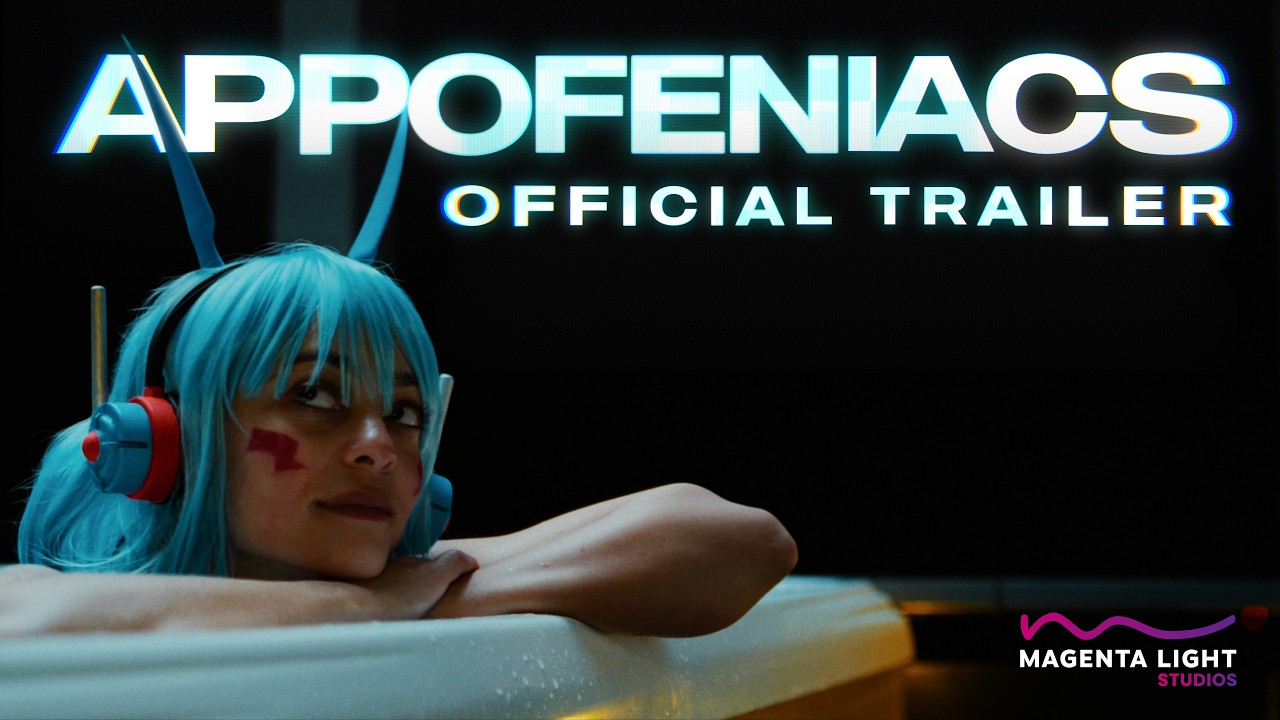



Appofeniacs (2025) by Chris Marrs Piliero

US | 2025 | 89 min | Horror / Thriller
➡️ Where to Watch: US
AI-Generated Deepfake Videos Turn Digital Manipulation Into a Violent Nightmare
In Appofeniacs (2025), a series of AI-generated deepfake videos spreads through the lives of interconnected individuals, including content creators whose reputations and relationships become targets of digital manipulation. What begins as fabricated content designed to humiliate and deceive develops into escalating conflict, paranoia and extreme violence. Written and directed by Chris Marrs Piliero, the American horror thriller uses nonlinear storytelling to explore how synthetic media can destabilize trust and turn personal grievances into dangerous confrontations. As manipulated videos circulate, the characters face the consequences of a world where digital evidence can be manufactured and the distinction between truth and deception becomes increasingly difficult to establish.
➡️ Storyline: AI Deepfakes → Digital Humiliation → Manipulated Identities → Broken Trust → Escalating Conflict → Violent Consequences → Reality Under Threat.
Why to Watch Appofeniacs: AI Deepfakes Become Weapons of Digital Revenge
Appofeniacs combines contemporary anxieties about artificial intelligence with violent horror, dark humor and interconnected storytelling, exploring how fabricated digital content can produce real-world consequences.
Reason to Watch | Detail |
1. A Horror Story Built Around AI Deepfakes | The film explores how synthetic videos can manipulate identities, damage reputations and trigger dangerous consequences. |
2. Chris Marrs Piliero's Direction | The writer-director uses interconnected characters and nonlinear storytelling to connect digital manipulation with escalating violence. |
3. Sean Gunn and an Ensemble Cast | Sean Gunn joins Aaron Holliday, Jermaine Fowler and other performers in a narrative involving multiple characters affected by manipulated media. |
4. Graphic Horror and Dark Comedy | The film combines violent confrontations, disturbing imagery and dark humor with contemporary technological concerns. |
5. FilmQuest Festival Recognition | The film received five nominations, including Best Feature Film, Best Director, Best Editing, Best Ensemble Cast and Best Supporting Actor for Sean Gunn. |
➡️ Reason to Watch: A violent techno-horror thriller that transforms AI-generated deepfakes into weapons of humiliation, manipulation and revenge, using nonlinear storytelling to explore the collapse of trust in digital reality.
Why Appofeniacs Stands Out: Artificial Intelligence Makes Digital Lies Feel Real
Appofeniacs distinguishes itself by transforming a recognizable technological threat into a source of extreme horror. Rather than presenting artificial intelligence as a distant futuristic danger, the film focuses on the immediate consequences of manipulated videos that can humiliate individuals, damage relationships and provoke violence. Its interconnected narrative connects multiple characters through the destructive effects of digital deception, while dark humor and graphic confrontations create an unpredictable atmosphere. The central tension comes from the realization that fabricated content can influence real decisions even when the events it depicts never happened. This combination of contemporary technology and violent storytelling gives the film a distinctive position within independent techno-horror.
➡️ Why It Stands Out: A contemporary horror thriller that turns AI-generated deception into a threat to personal identity, social trust and physical safety.
Movie Trend: AI Deepfake Horror — Artificial Intelligence Turns Fabricated Reality Into Fear
AI Deepfake Horror explores how synthetic media, manipulated identities and artificially generated content can become sources of psychological terror and real-world danger. Appofeniacs reflects this emerging storytelling direction by showing how fabricated videos can influence relationships, destroy reputations and trigger escalating violence. Unlike traditional technological horror centered on machines becoming autonomous, the film emphasizes human misuse of artificial intelligence. Its threat comes from individuals exploiting digital tools to manipulate how others are perceived and treated. By connecting deepfake technology with revenge, humiliation and physical violence, the narrative transforms a contemporary digital concern into an immediate survival threat.
➡️ Movie Trend Insight: AI Deepfake Horror shifts technological fear from intelligent machines to manipulated reality, exploring how fabricated digital content can become a weapon against personal identity and human trust.
Broad Trend: Truth / Authenticity — Digital Reality Becomes Increasingly Difficult to Trust
Truth / Authenticity reflects the growing importance of reliable information and genuine representation in a world where artificial intelligence can produce convincing images, voices and videos. In Appofeniacs, fabricated content creates confusion and conflict because individuals can no longer rely on digital evidence to understand what actually happened. The film highlights how synthetic media can undermine confidence in personal relationships and public identities, turning uncertainty into a source of vulnerability. Its broader relevance extends beyond entertainment to concerns about misinformation, manipulated reputations and the credibility of visual information. By presenting deception as a catalyst for violence, the story emphasizes the consequences of losing confidence in what people see and believe.
➡️ Broad Trend Insight: As artificial intelligence makes fabricated content increasingly convincing, authenticity and verifiable information become essential foundations for trust, personal security and social relationships.
Viewer Profile: Audiences Interested in AI Horror, Digital Manipulation and Violent Thrillers
Appofeniacs may appeal to horror audiences interested in contemporary technology, unconventional storytelling and disturbing narratives about digital deception. Its deepfake premise offers a recognizable connection to current technological concerns, while its nonlinear structure and graphic violence position it toward viewers comfortable with provocative independent genre filmmaking. These audience profiles are editorial hypotheses rather than verified demographic findings.
Profile | Audience Insight |
Core Audience | Techno-horror fans, independent horror enthusiasts and viewers interested in AI-related psychological threats |
Age / Generation | Potentially younger-adult and adult viewers familiar with digital platforms, synthetic media and contemporary horror |
Lifestyle | Interested in technology, online culture, artificial intelligence, digital identity and unconventional cinema |
Cinema Taste | Techno-horror, nonlinear thrillers, violent dark comedy and experimental genre filmmaking |
Story Motivation | Understanding how the manipulated videos connect the characters and lead to escalating consequences |
Discovery Mindset | Independent horror festivals, emerging filmmakers, provocative concepts and films exploring contemporary anxieties |
Emotional Driver | Paranoia, uncertainty, curiosity, shock and the need to distinguish truth from manipulation |
Key Profiles: Three Audiences, Three Reasons to Watch
1. AI and Technology Horror Enthusiasts
Viewers interested in horror stories built around emerging technologies and their potential misuse. The film's deepfake premise transforms artificial intelligence into a source of psychological tension, reputational damage and physical danger.
2. Independent Horror and Extreme Genre Fans
Audiences attracted to graphic violence, unconventional narratives and provocative filmmaking. The film's nonlinear structure, dark humor and violent confrontations provide an alternative to more conventional mainstream horror.
3. Digital Culture and Psychological Thriller Viewers
Viewers interested in misinformation, manipulated identities and the consequences of fabricated online content. The story explores how digital deception can undermine relationships and destabilize confidence in reality.
➡️ Audience Insight: Appofeniacs may resonate most strongly with viewers seeking contemporary horror that combines technological anxiety, digital manipulation and extreme violence through unconventional storytelling.
What This Movie Means for the Industry: AI Anxiety Creates New Opportunities for Contemporary Horror
Appofeniacs illustrates how horror filmmakers can transform emerging technological concerns into genre narratives that feel connected to contemporary life. By focusing on AI-generated deepfakes, the film explores a recognizable threat involving identity manipulation, digital deception and the loss of trust in visual information. Its five FilmQuest nominations suggest recognition within the independent genre festival circuit, particularly for its direction, editing and ensemble performances. However, its reported worldwide gross of $56,656 and relatively small IMDb rating sample indicate limited commercial visibility rather than broad mainstream success. For the industry, the film demonstrates the creative potential of using artificial intelligence not simply as futuristic technology, but as a tool for exploring existing human conflicts involving revenge, humiliation and power.
➡️ Industry Insight: AI-related anxieties provide horror filmmakers with contemporary storytelling opportunities, particularly when technological threats are connected to recognizable human motivations and emotional consequences.
Final Verdict: A Violent Techno-Horror Thriller About the Collapse of Digital Truth
Appofeniacs (2025) is an unconventional horror thriller that explores how AI-generated deepfakes can transform personal grievances into destructive acts of manipulation and violence. Chris Marrs Piliero combines interconnected characters, nonlinear storytelling and graphic confrontations to examine the consequences of fabricated digital reality. Its contemporary premise and five FilmQuest nominations highlight its potential appeal within independent horror, although mixed audience reviews suggest that its fragmented structure and extreme content may divide viewers. With a 6.2/10 IMDb rating from 333 users, the film is best suited to audiences interested in provocative techno-horror, digital culture and unconventional genre narratives.
➡️ Final Verdict: Appofeniacs transforms AI-generated deepfakes into a violent horror story about deception, identity and the destruction of trust. Its nonlinear storytelling and graphic intensity create a distinctive but potentially divisive viewing experience. The film is most compelling as a contemporary exploration of how fabricated digital content can produce devastating real-world consequences.
Final Insights: Artificial Intelligence Makes Trust a New Source of Vulnerability
The Truth / Authenticity trend reflects the growing importance of reliable information in an environment where artificial intelligence can manufacture convincing digital experiences. Appofeniacs explores this concern through manipulated videos that undermine personal identities, damage relationships and trigger violence.
The AI Deepfake Horror trend transforms these anxieties into stories where fabricated content becomes a weapon against individuals and communities. By connecting digital deception with human revenge and manipulation, the film highlights a contemporary source of psychological fear. Its central insight is that when digital evidence becomes unreliable, the consequences of believing a lie can be as destructive as reality itself.
➡️ Final Insight: Truth / Authenticity → AI Deepfake Horror → The Fight to Protect Reality and Personal Identity. Appofeniacs explores how synthetic media can undermine trust, manipulate relationships and transform digital deception into real-world violence. The creative opportunity lies in turning contemporary fears about artificial intelligence and manipulated information into psychologically relevant horror storytelling.
Comments