
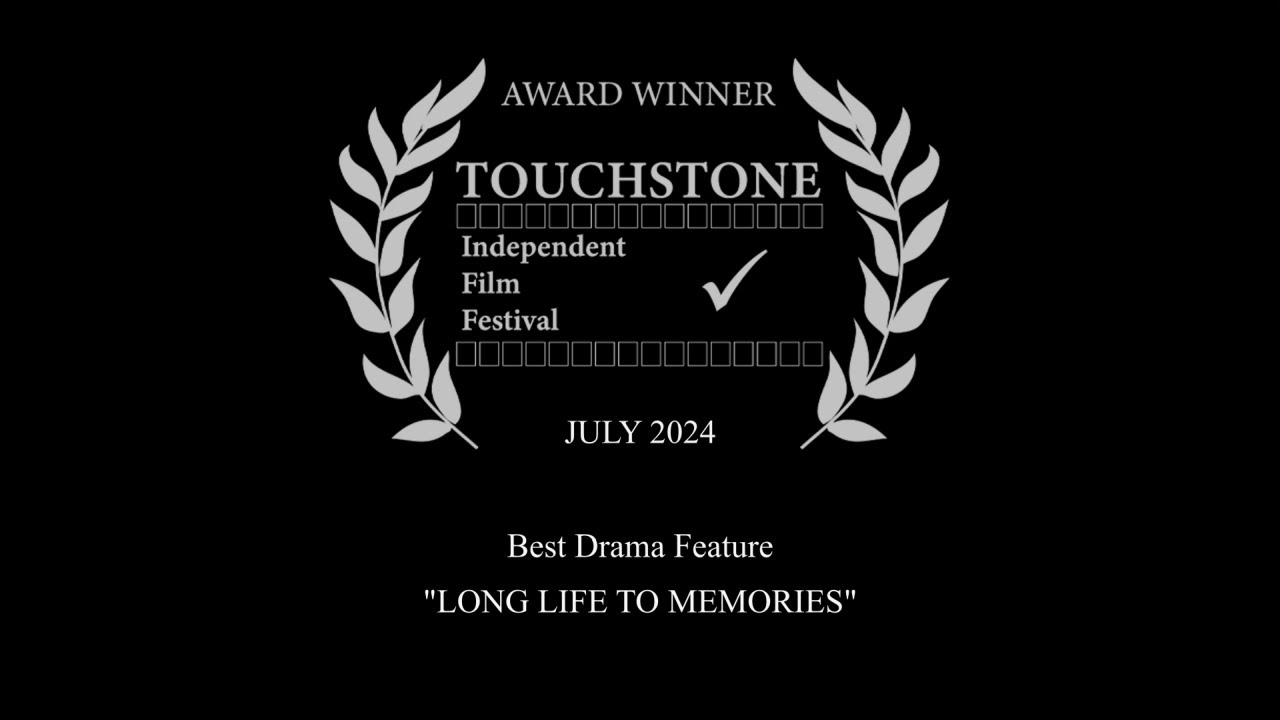


The Long Life of Memories (2023) by Mariana Russo, Alberto Masliah

ARG | 2023 | 77 min | Grief Drama
When People Disappear From Our Lives, Their Memories Find Ways to Stay
Three men and three women face death, separation and absence in different ways, yet all hold onto the same emotional certainty: people may disappear, but memories can outlive them. Mariana Russo and Alberto Masliah build La larga vida de los recuerdos as an ensemble drama in which several stories intersect around mourning, love and the difficulty of letting go.
A mother returns to a son after losing important years of his life; an elderly man travels toward the past and memories of his twin brother; two women try to preserve their memories of the same man; and a photographer retreats into art. Rather than treating death as the end of these relationships, the film examines the different ways people continue living with those who are no longer present.
➡️ Movie Insight: Death removes people from the present but does not necessarily end their emotional presence. Each character discovers a different way of keeping someone alive through memory. The film turns mourning into a story about what relationships leave behind.
Why This Movie Matters Right Now: Grief Does Not Always Mean Letting Go
Popular ideas about grief often suggest a journey toward closure: loss happens, mourning follows and eventually life moves forward. La larga vida de los recuerdos offers a gentler alternative by asking whether moving forward actually requires leaving the dead — or the relationships that have ended — behind.
That perspective came from personal experience. Russo explained that death became central while she and screenwriter Gustavo Cabaña were simultaneously experiencing grief following the deaths of her father and his mother; the filmmakers always conceived the project as a choral story about death, with a birth operating as a counterpoint.
➡️ Why It Matters: Grief rarely follows one universal emotional pattern. Memory can preserve connection without preventing life from continuing. The film suggests that acceptance may mean learning how to carry the past rather than eliminating it.
Should You Watch It?: A Reflective Drama for Audiences Comfortable With Interconnected Stories
This is not a plot-driven drama in which one protagonist moves toward a clearly defined resolution. Its 77-minute structure connects multiple characters through thematic and emotional echoes, asking the viewer to identify the relationships between different forms of loss. One contemporary review specifically noted that the connections among its four narrative pillars require active attention.
The approach is deliberately reflective and solemn, and critical response has not been uniformly positive: some Argentine reviews admired its contemplative ambition while others found its treatment overly emphatic or heavy.
➡️ Viewing Recommendation: Watch it for emotional observation rather than narrative momentum. Its appeal comes from seeing several people negotiate absence in radically different ways. The reward is reflection rather than conventional dramatic resolution.
Why Everyone Is Talking About It: A Small Argentine Drama Finds a Longer Festival Life
The film's title has proved unexpectedly appropriate to its own trajectory. Released theatrically in Argentina in June 2023, it continued attracting recognition in 2024, including a Best Iberoamerican Feature nomination at the Caracas Iberoamerican Film Festival.
Its strongest awards showing came at the FFTG Awards, where IMDb records wins for Best Director, Best Writer, Best Supporting Actress, Best Editing and Best Music, alongside additional recognition including ensemble cast and social-issue storytelling. The IMDb material supplied for the film records six wins and four nominations overall.
➡️ Viral Potential: This is festival longevity rather than mainstream virality. Recognition continued beyond the film's original Argentine theatrical run. Its later awards reinforce how smaller independent films can develop second lives through international festival circulation.
Why La larga vida de los recuerdos Stands Out: Grief Becomes Many Stories Rather Than One Journey
A conventional grief drama often follows one protagonist through loss, mourning and eventual acceptance. Russo and Masliah instead distribute grief among multiple characters, allowing death, separation, regret and remembrance to produce different emotional responses.
That changes the central dramatic question. The film is less interested in whether someone can "overcome" grief than in what remains after a relationship changes or disappears: a house, a photograph, a remembered embrace, a place, an artwork or simply the persistent emotional presence of another person. The FFTG synopsis itself frames the film through these fragments of memory and describes each ending as opening onto a new beginning.
➡️ Cinema Insight: One loss cannot represent every experience of grief. The ensemble structure allows mourning to become contradictory, personal and unfinished. Memory provides the narrative thread connecting lives that otherwise appear separate.
Movie Trend: Ensemble Grief Drama — When Different Lives Reveal the Ways Love Continues Through Memory
Ensemble grief dramas challenge the assumption that mourning follows a predictable emotional progression. By placing different experiences of loss beside one another, they can show how the same fundamental absence produces nostalgia, regret, artistic expression, reunion, obsession or renewed appreciation of life.
La larga vida de los recuerdos makes that multiplicity its organizing principle. Its characters are different, but the film repeatedly returns to the same proposition: death can end physical presence without completely ending the relationship between the living and the absent.
Trend Formula:love creates attachment → death or separation creates absence → memories preserve connection → characters return to the past → grief takes different forms → memory changes the present → emotional connection survives → an ending creates another beginning
➡️ Movie Trend: The person disappears while the relationship survives in another form. Different characters demonstrate that remembrance can produce radically different emotional responses. Grief becomes less about forgetting than learning how memory fits into continued life.
Why These Ensemble Grief Dramas Are Popular: There Is No Single Way to Live With Loss
Ensemble storytelling makes grief more emotionally inclusive because no single character must represent a universal experience. One person searches the past, another preserves love, another creates art and another confronts the time lost inside a damaged relationship, allowing audiences to recognize different parts of their own experiences within the same film.
➡️ Audience Motivation: Audiences can recognize personal experiences without needing one character to represent everyone. Memory offers emotional continuity when physical presence becomes impossible. These stories provide catharsis by validating that living with loss can take many forms.
Viewer Profile: Memory Keepers - Arthouse Audiences Drawn to Love, Loss and the Past That Stays With Us
Memory Keepers gravitate toward reflective cinema in which emotional experience matters more than plot mechanics. They are comfortable with ensemble storytelling, ambiguity and films that ask audiences to connect apparently separate characters through common emotional themes.
For this audience, La larga vida de los recuerdos offers something different from a conventional tearjerker. Its attraction lies in observing how ordinary objects, places, photographs, relationships and creative acts become containers for people who are no longer physically present.
Audience Dimension | Profile |
Core Audience | Arthouse and international-drama viewers |
Age Group | Adult audiences drawn to mature relationship and mortality stories |
Lifestyle | Culturally curious viewers interested in emotionally reflective cinema |
Cinema Taste | Ensemble drama, intimate character studies, Latin American cinema and stories about memory |
Streaming Behavior | Specialty-platform, festival and curated international-film discovery |
Discovery Mindset | Festivals, reviews, awards, independent-film recommendations and thematic discovery |
➡️ Audience Insight: Memory Keepers value films that allow emotional experiences to remain unresolved. They respond to characters who carry the past rather than simply escape it. Recognition comes from seeing memory treated as part of continuing life.
What This Movie Means for the Industry: Small Ensemble Stories Can Build Scale Through Emotional Universality
The film demonstrates how independent cinema can create narrative breadth without relying on physical spectacle. Several intimate stories expand one modest Argentine production into a wider exploration of mortality, love, abandonment and remembrance, while the ensemble format allows different characters to approach the same universal subject from distinct angles. Sombracine produced the film, with APIMA handling distribution.
Its post-release festival recognition also illustrates the potential long tail of independent films. A 2023 theatrical title could continue gathering awards and nominations internationally during 2024, extending its discovery window beyond its initial domestic release.
➡️ Industry Insight: Independent films do not need large narratives to address large emotional subjects. Ensemble structures can create scale by multiplying perspectives rather than production costs. Festival circulation can then extend the commercial and cultural life of stories whose audiences develop gradually.
Creative Analysis: Memory Connects Lives That Grief Has Pulled Apart
The film's creative strategy is built around accumulation. Individual stories, objects, absences and memories gradually create a collective portrait of mourning rather than resolving themselves into one conventional protagonist-driven narrative.
That approach reflects the project's origin. Russo described the film as conceived from the beginning as a choral story about death, while the inclusion of birth provides a deliberate counterpoint to mortality.
Storytelling: Separate Lives Become One Emotional Narrative
The film interweaves several stories rather than treating one loss as representative of everyone. A mother-son reunion, an elderly man's return toward his past, shared romantic remembrance and an artist's retreat into creativity each provide different expressions of the same underlying question.
The narrative connection is therefore thematic more than plot-driven. Characters become variations on how human beings respond when someone — or something — important can no longer be recovered.
Direction: Mariana Russo and Alberto Masliah Favor Reflection Over Resolution
Russo and Masliah allow individual stories to echo one another rather than forcing them into a single dramatic mechanism. Their emphasis remains on emotional states: absence, regret, nostalgia, longing and the uneasy process of continuing.
That approach makes contemplation part of the viewing experience. It also explains why the film can be demanding for audiences expecting conventional narrative momentum.
Performances: An Ensemble Carries Different Forms of Mourning
The cast includes Ricardo Merkin, Victoria Raposo, Ariadna Asturzzi, Estela Garelli, Livia Fernán, Santiago Magariños, Julia Amore and Daniel Lambertini, among others.
Rather than building the film around one star performance, the ensemble supports its central argument: grief is collective as an experience but individual in expression.
Visual Style: Objects and Places Become Containers for Memory
The official festival description foregrounds sensory fragments — a house, a coat retaining someone's scent, a forest, photographs, kisses and embraces — suggesting how physical details become triggers for remembered relationships.
Virginia Rojas is credited as cinematographer by the Queer Film Festival Playa del Carmen, which selected the film in 2024.
Themes: Death, Memory, Love and the Possibility of Beginning Again
The film's apparent subject is death, but its deeper interest is continuity. Memories allow relationships to retain emotional force even after death, separation or abandonment has made their previous form impossible.
Birth operates as the thematic counterweight. Russo explicitly identified a childbirth element as a counterpoint to the deaths surrounding the other characters, making beginning and ending part of the same emotional cycle.
What Makes It Different: Closure Is Replaced by Continuity
Many grief narratives move toward closure. La larga vida de los recuerdos is more interested in coexistence: people continue living while memories continue existing beside them.
That distinction changes its emotional destination. Healing does not require erasing attachment to what has disappeared.
➡️ Creative Insight: The ensemble structure turns grief into a collection of emotional possibilities rather than one prescribed journey. Objects, places and relationships connect past experience with present life. Memory becomes the film's method of allowing endings and beginnings to occupy the same space.
If You Liked La larga vida de los recuerdos (2023): Recent Films Where Memory Changes What It Means to Keep Living
Familiar Touch (2025) by Sarah Friedland: When Changing Memory Forces a Woman to Reconsider Who She Is
Sarah Friedland's intimate drama follows Ruth, an older woman adjusting to assisted living while changes in memory alter her relationship with identity, independence and the people around her.
➡️ Why It Connects: Both films treat memory as part of identity rather than simply a record of the past. Emotional connection survives even as the relationship between past and present changes. Both find drama in the fragile ways people preserve a sense of self.
The History of Sound (2025) by Oliver Hermanus: When a Past Love Survives Through the Sounds Left Behind
Oliver Hermanus follows Lionel and David from their early relationship through a life in which recordings, music and memory preserve an emotional connection across years and separation.
➡️ Why It Connects: Both films ask how people preserve relationships that can no longer exist in their original form. Memory becomes inseparable from physical traces of the past. Love continues because something of the other person has been carried forward.
Sorry, Baby (2025) by Eva Victor: When Life Continues Without Erasing What Happened Before
Eva Victor's drama approaches recovery through the uneven passage of time, showing how a person can continue living while an experience from the past remains part of the present.
➡️ Why It Connects: Neither film equates healing with forgetting. Time changes the relationship to painful experience without making that experience disappear. Continuing life becomes compatible with carrying what came before.
➡️ If You Liked Insight: These films reject the idea that moving forward requires eliminating the past. Memory, love and painful experience continue changing as life changes around them. Their emotional optimism comes from coexistence rather than forgetting.
Final Verdict: Grief Ends a Presence but Memory Keeps the Relationship Moving
La larga vida de los recuerdos is most interesting when understood not simply as a film about death but as a film about emotional survival. Its multiple characters reveal that memory can become reunion, regret, obsession, creativity or comfort depending on the person carrying it.
Its reflective ensemble structure will be more rewarding for audiences drawn to contemplative character drama than those seeking strong narrative propulsion. But its central proposition is clear and affecting: an ending can alter a relationship without necessarily destroying everything that relationship created.
➡️ Final Verdict: Death and separation create the absences around which the movie is built. Memory prevents those absences from becoming emotional emptiness. La larga vida de los recuerdos ultimately finds hope in the idea that continuing life does not require abandoning the people who shaped it.
Quick Facts: Different Experiences of Loss Become One Story About What Memory Preserves
Director | Mariana Russo, Alberto Masliah |
Screenplay / Writer | Gustavo Cabaña, Alberto Masliah |
Source Material | Original screenplay |
Lead Cast | Ensemble cast |
Key Cast | Ricardo Merkin, Victoria Raposo, Ariadna Asturzzi, Estela Garelli, Livia Fernán, Santiago Magariños, Julia Amore, Daniel Lambertini |
Country | Argentina |
Year | 2023 |
Runtime | 77 minutes |
Genre | Drama |
Language | Spanish |
Cinematography | Virginia Rojas |
Editing | Cecilia Petrujno, Lucas Santa Ana |
Music | Mariano A. Fernández, Gabo Ferro |
Production Design | Not verified |
Production | Sombracine Producciones |
Producers | Lucas Santa Ana; Alberto Masliah credited as executive producer by Sombracine |
Festival Profile | International festival circulation continued into 2024 |
Awards & Recognition | 6 wins & 4 nominations recorded by IMDb; FFTG wins including Director, Writer, Supporting Actress, Editing and Music; Caracas Iberoamerican Film Festival Best Iberoamerican Feature nomination |
Movie Trend | Ensemble Grief Drama — When Different Lives Reveal the Ways Love Continues Through Memory |
Central Characters | Multiple men and women experiencing different forms of loss |
Core Conflict | Learning how to continue living while relationships survive through memory |
Creative Hook | Several interconnected experiences of grief reveal different ways memory preserves love |
Core Themes | Memory, grief, mortality, love, absence, regret, art, renewal |
Why Watch | A reflective Argentine ensemble drama that treats remembrance as continuation rather than an obstacle to healing |
The supplied IMDb material confirms the directors, writers, principal cast, Argentine origin and Spanish language. The 77-minute runtime is corroborated by current JustWatch and festival listings, despite an older Sombracine page listing a different duration.
Final Insights: Memory Is Becoming Less About Nostalgia and More About How People Continue Living
Contemporary memory-driven dramas increasingly treat remembrance not simply as looking backward but as an active part of identity. The dead, estranged and absent continue influencing decisions, relationships and emotional lives because memory constantly renegotiates what those people mean to those who remain.
For cinema, ensemble structures offer an especially effective way to explore this idea because they resist presenting one emotional response as universal. Grief can become nostalgia, art, regret, reconciliation or renewed attachment to life, giving filmmakers multiple routes into one of storytelling's oldest subjects.
➡️ Final Insight: Memory stories become powerful when remembering changes the present rather than merely reconstructing the past. Loss may end physical relationships while leaving their emotional consequences alive. La larga vida de los recuerdos finds its larger idea in that paradox: endings survive by becoming part of what begins next.
Comments