



Camp (2025) by Avalon Fast

CA | 2025 | 111 min | Drama, Horror
A Grieving Young Woman Finds Friendship and Witchcraft at Summer Camp
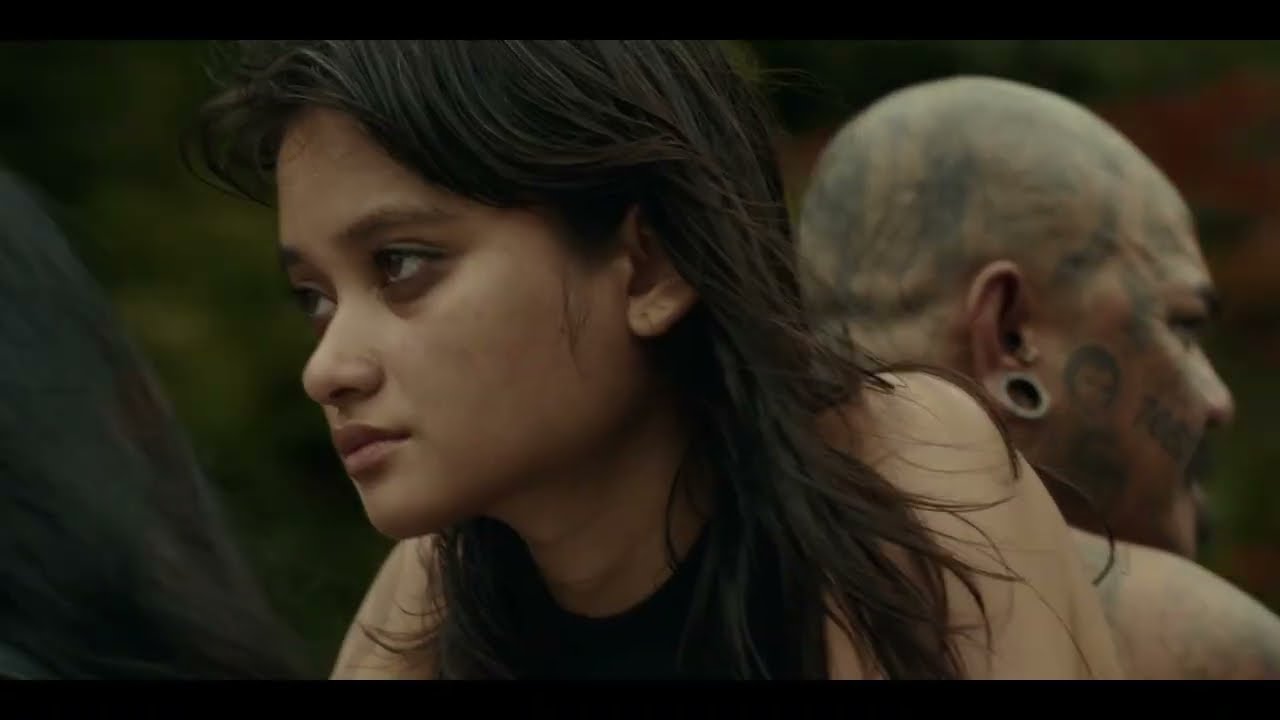
Haunted by tragedy and guilt, Emily takes a job as a counselor at a remote Christian summer camp. There, she connects with young women whose interest in witchcraft offers an unexpected route toward acceptance. As friendship draws her into shared rituals and unsettling experiences, the fresh start she hoped for becomes a stranger journey through grief, identity and forgiveness.
➡️ Storyline: Emily arrives hoping to escape her past and finds a community willing to meet her inside its darkness.
Why to Watch Camp: A Dreamlike Experience From an Emerging Independent Filmmaker
Camp’s attraction lies in its atmosphere and emotional perspective. Zola Grimmer leads an ensemble including Alice Wordsworth, Cherry Moore and Lea Rose Sebastianis, placing emerging performers at the center of a story about women finding one another under difficult circumstances. For audiences who enjoy films shaped by mood, imagery and ambiguous experiences, the combination of summer-camp intimacy and witchcraft offers a distinctive invitation.
Writer-director Avalon Fast follows Honeycomb with a more developed production while retaining a collaborative approach rooted in friendships. The film’s recognition extends beyond the supplied IMDb nomination: its Canadian release announcement reports Fantastic Fest’s Next Wave Best Picture award and Brooklyn Horror awards for screenplay and cinematography. Those credentials support interest in Fast and cinematographer Eily Sprungman, while the divided supplied audience reviews suggest that its deliberate pacing will be a deciding factor.
➡️ Reason to Watch: An emerging filmmaker’s personal approach, expressive cinematography and festival recognition make Camp an intriguing choice for adventurous independent-film audiences.
Why Camp Stands Out: The Coven Offers Acceptance as Well as Unease
Summer-camp horror often turns an isolated setting into a place where characters are hunted. Witchcraft stories frequently build around discovering powers and confronting their consequences. Camp gives greater weight to the emotional conditions that make a group appealing in the first place. Emily’s need for acceptance helps explain why these friendships matter before the rituals become unsettling.
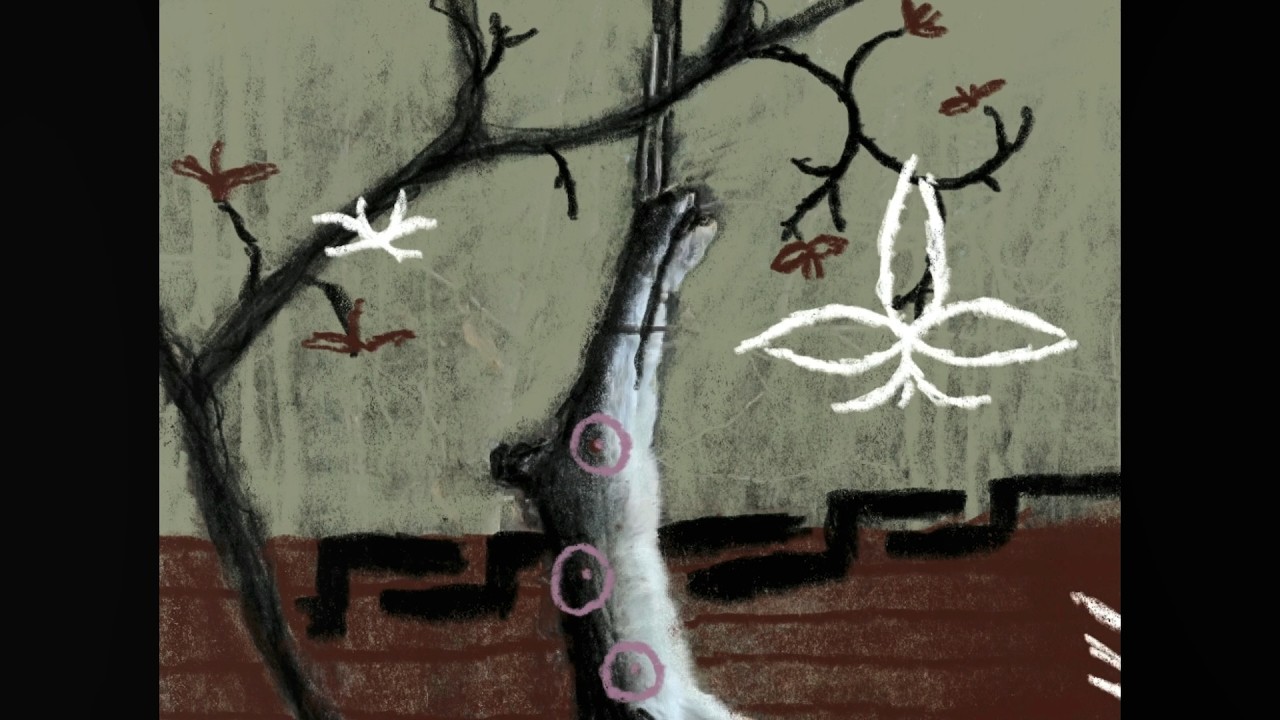
That emphasis changes the role of the supernatural. Witchcraft becomes part of the women’s shared language and Emily’s search for a way to live with her experiences. Based on the filmmaker’s interviews and the supplied responses, the film’s distinctive proposition is an intimate, dreamlike encounter with grief rather than a succession of clearly explained supernatural threats.
➡️ Why it stands out: The group’s appeal comes from the possibility of being accepted while still feeling damaged, giving its rituals an emotional significance beyond their mystery.
Movie Trend: Coming-of-Age Drama — Friendship and Shared Rituals Offer a Way Through Grief
Camp uses a coming-of-age structure in which personal development begins with entering a new social environment. Emily arrives carrying experiences that have disrupted her confidence and sense of self. Her relationships with the other counselors create opportunities to participate, experiment and imagine a future beyond the identity imposed by her past.
Shared rituals give that transition a visible form. They create occasions for closeness while introducing uncertainty about what Emily is experiencing and what the group can offer. The resulting drama treats growth as uneven and emotionally complicated. Friendship can change how someone carries grief without resolving every question about responsibility, memory or forgiveness.
➡️ Movie Trend Insight: Coming-of-age storytelling can make growth meaningful through renewed participation in life, even when the past remains unresolved.
Broad Trend: The Search for Belonging — Acceptance Matters Most When Someone Feels Difficult to Understand
Belonging can become especially important when a person’s experiences seem to separate them from everyday social life. Grief and guilt can make ordinary conversation feel inadequate, while expectations to recover or move forward may deepen that distance. A group that permits difficult feelings can offer relief simply by allowing someone to remain present without performing reassurance.
Camp provides an exaggerated, supernatural setting for this motivation. The broader appeal lies in finding people who can acknowledge complexity without reducing someone to it. At the same time, acceptance and safety are different judgments: feeling understood does not automatically make every shared practice beneficial. That tension gives belonging both emotional power and dramatic uncertainty.
➡️ Broad Trend Insight: A community becomes valuable when people feel they can bring their unresolved experiences into it without losing their place.
Viewer Profile: Independent Drama and Horror Fans Interested in Alternative Culture, Visual Art and Emerging Filmmakers
The likely audience is comfortable with slower pacing, ambiguous storytelling and unfamiliar casts. The age ranges below are editorial targeting estimates.
Profile | Audience Insight |
Core Audience | Viewers who move between independent drama, experimental cinema and atmospheric horror. |
Age / Generation | Primarily adults approximately 20–45, with crossover appeal among older festival and arthouse audiences. |
Lifestyle | Culturally curious viewers who follow independent music, visual art, film communities and alternative creative scenes. |
Cinema Taste | Expressive imagery, unusual editing rhythms, emotional ambiguity and distinctive directorial voices. |
Story Motivation | Willingness to follow atmosphere and character interactions without requiring constant plot escalation. |
Discovery Mindset | Likely to find films through specialist festivals, filmmaker interviews, curated platforms and peer recommendations. |
Emotional Driver | Interest in immersive experiences that leave space for interpretation and discussion. |
Key Profiles: Atmosphere, Female Friendship and Creative Discovery Attract Different Viewers
1. The Atmospheric-Horror Explorer
Audience Description: Adults approximately 20–45 who seek unsettling imagery, symbolic storytelling and supernatural ambiguity. The camp setting and witchcraft provide the initial attraction, while the experience depends on enjoying a measured narrative rhythm.
2. The Intimate-Drama Viewer
Audience Description: Adults approximately 25–55 drawn to complicated friendships and emotionally vulnerable characters. Emily’s search for acceptance offers a point of connection even for viewers who do not regularly choose horror.
3. The Emerging-Filmmaker Follower
Audience Description: Adults approximately 18–40 interested in discovering independent directors and watching their work develop across projects. Fast’s progression from Honeycomb and Camp’s craft recognition provide concrete reasons to follow this release.
➡️ Audience Insight: Camp can attract viewers through genre, emotional identification or filmmaker discovery, but all three routes benefit from accurate expectations about its pace.
What This Movie Means for the Industry: Production Growth Can Preserve a Filmmaker’s Personal Approach
Camp illustrates a development path from an extremely low-budget debut toward a financed feature with a broader production team. Fast’s continued collaboration with friends and returning creative partners suggests continuity of working method, while the cinematography recognition provides evidence of craft development. Its positioning also presents a clear distribution challenge: summer-camp imagery and witchcraft are accessible genre signals, but the film’s emphasis on grief, conversation and dreamlike experience requires more precise communication. For distributors, the relevant opportunity is to connect specialist horror discovery with audiences for intimate independent drama, using trailers and publicity that represent the film’s actual rhythm.
➡️ Industry Insight: Genre recognition can attract attention, while accurate positioning helps that attention reach audiences receptive to the filmmaker’s approach.
Final Verdict: A Film About Finding Company Inside Grief
Camp offers a specific experience built around atmosphere, female friendship and an emerging director’s personal relationship with loss. Its festival recognition strengthens the case for discovery, while the supplied reviews make clear that some viewers find its pacing and narrative ambiguity frustrating.
Its Coming-of-Age Drama framing connects naturally with The Search for Belonging. Emily’s movement toward the group matters because it offers a possibility of connection when her past has made her feel isolated. The supernatural gives that emotional journey an unfamiliar shape.
➡️ Final Verdict Insight: Camp is most compelling as an invitation into a troubled emotional world, with friendship providing its strongest point of connection.
Final Insights: Belonging Does Not Require a Finished Version of the Self
The Search for Belonging becomes particularly resonant when acceptance is available before someone has resolved their difficulties. Stories that acknowledge this can give friendship a role beyond companionship or comic relief. A group can offer continuity, attention and shared experience when an individual struggles to imagine those things alone.
Future storytelling has room to explore communities that are supportive, imperfect and capable of causing uncertainty at the same time. This creates more nuanced possibilities than treating a group as either a complete cure or an inevitable threat. The emotional question becomes what people make possible for one another—and where the limits of that support lie.
➡️ Final Insight: Belonging can begin while grief and uncertainty remain. Shared experiences can make isolation less absolute without supplying easy answers. Stories that preserve this complexity give community a more credible emotional role.
Comments