


PISS - Rote Zora. “Resistance is Possible.” Emma, no. 6, June 1984, pp. 39-41

New Single • you made me / skin on linen (2026). Vancouver, British Columbia, Canada.
PISS Turn Archival Testimony into Confrontational Art-Punk
Vancouver quartet PISS connect punk, poetry, sound collage and performance art, using volume to explore the relationship between personal experience and political structures. Taylor Zantingh, Tyler Paterson, Gavin Moya and Garreth Roberts approach their work as an unfolding narrative, carrying its emotional arc into their live performances. Their momentum now includes a KEXP session, support dates with Gilla Band and a sold-out London Moth Club show. Their latest single, promoted with a video on 14 October, transforms a historical interview into songwriting material. It previews you made me / skin on linen, recorded with Colin Stewart at Hive Creative Labs and due on 30 October through Sub Pop worldwide and Paper Bag Records in Canada.
Rote Zora. “Resistance is Possible.” Emma, no. 6, June 1984, pp. 39–41: When the Archive Becomes a Voice
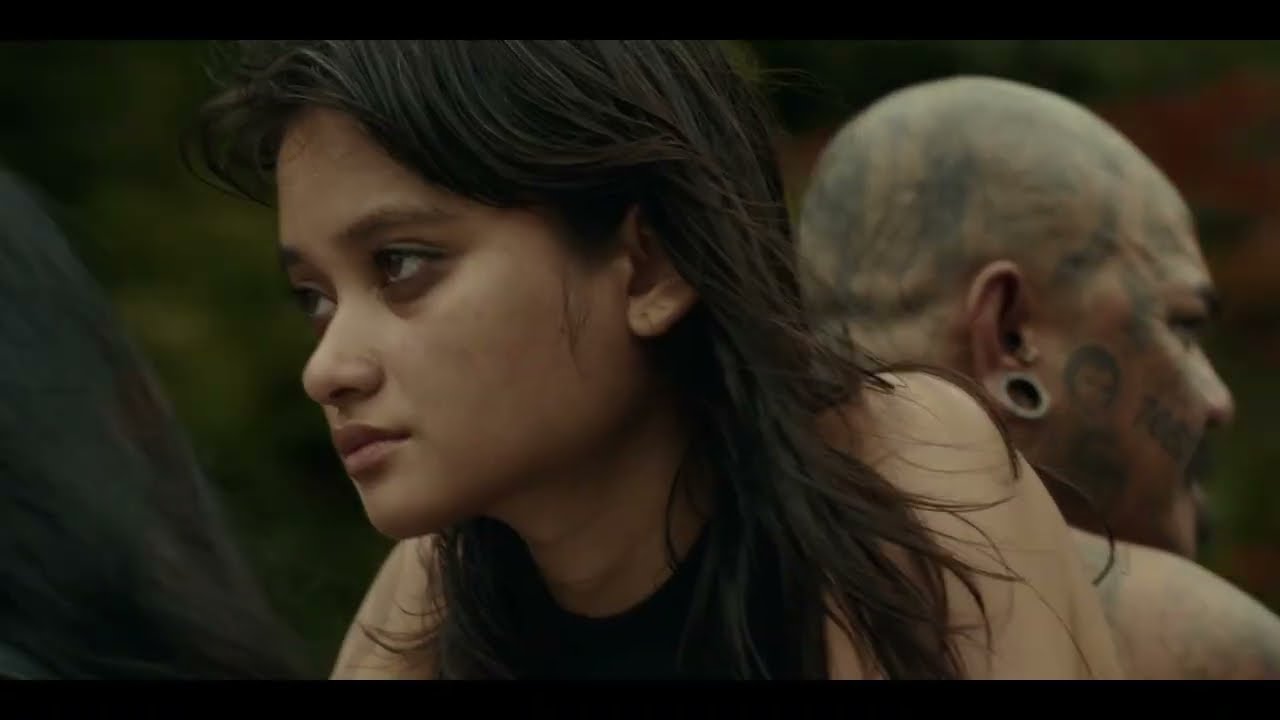
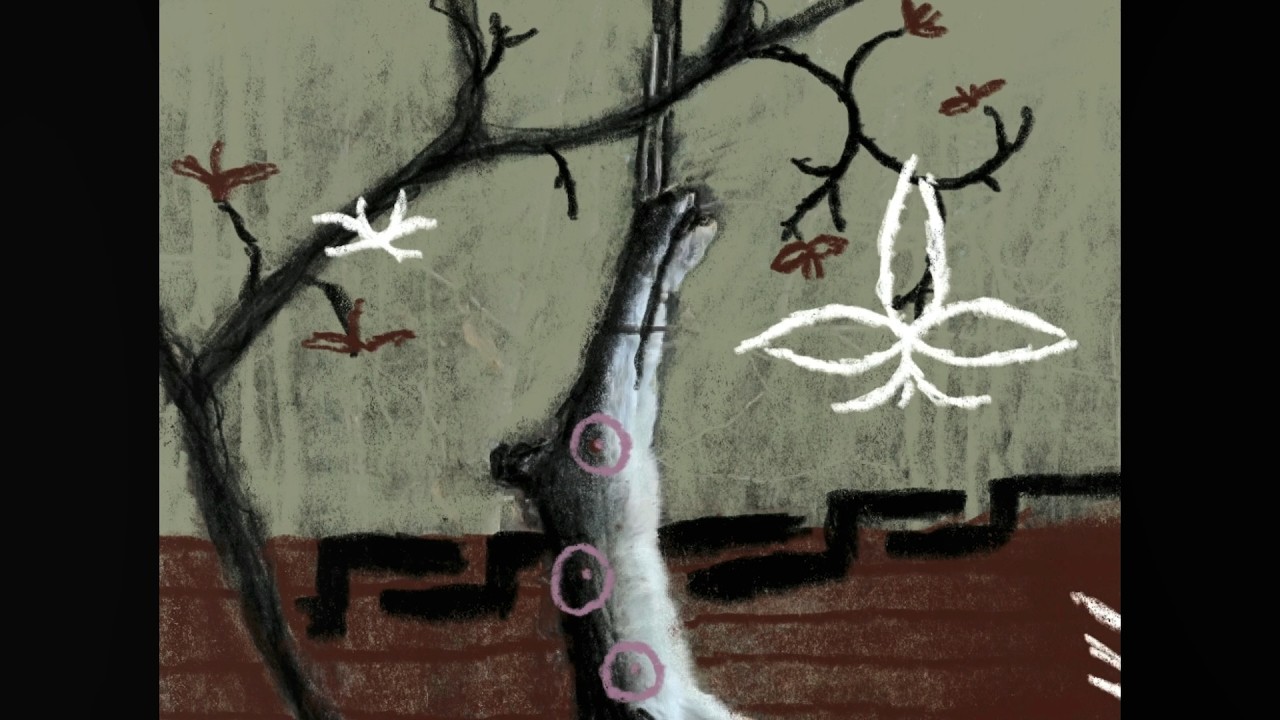
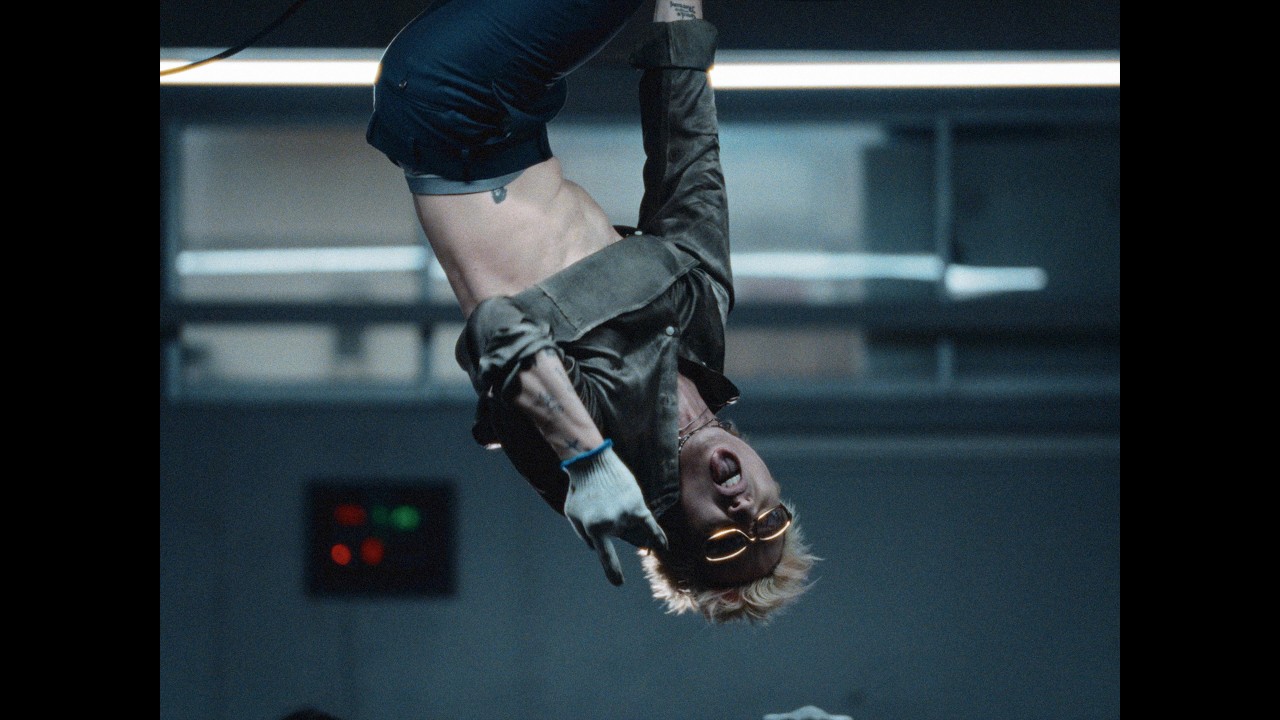
The track’s defining device is the conversion of an interview transcript into a cacophonous punk performance. Its unusually long title functions as a bibliographic citation, identifying the document behind the lyrics and making the source part of the song’s identity. That specificity changes the relationship between words and noise: the historical material gives the confrontation a traceable origin. Eila Vallevand’s accompanying video extends the collage approach through found footage and animation, connecting the recording to the band’s wider visual practice.
The lyrics draw from a 1984 interview with Rote Zora, the West German militant feminist group, originally published in Emma. Sub Pop describes the song as an exploration of resistance, agency and collective action. Within an album concerned with the effects of structural and intimate violence, the archival voice introduces another perspective on responding to harm. An editorial reading is that this shift expands the record’s scope from individual memory toward political argument, while the explicit citation preserves the distinction between the historical speakers and the band presenting their words.
Why It Matters: Punk Opens Songwriting to Documentary Forms
Archival material offers politically engaged music a way to connect contemporary performance with earlier debates. Interviews, testimony and published documents can introduce voices and contradictions that a conventional lyric might compress. Their value depends on context: identifying a source allows audiences to recognise its history and consider its arguments. The creative opportunity is to make the document audible as a distinct voice within a new work.
PISS demonstrate that possibility by retaining the interview’s publication details in the title and placing its language inside a broader narrative about violence and identity. Their approach suggests a documentary direction for art-punk, where research and performance shape one another. Noise supplies emotional pressure; citation supplies a point of reference. Together, they create space for music that invites both an immediate response and further examination.
Comments