


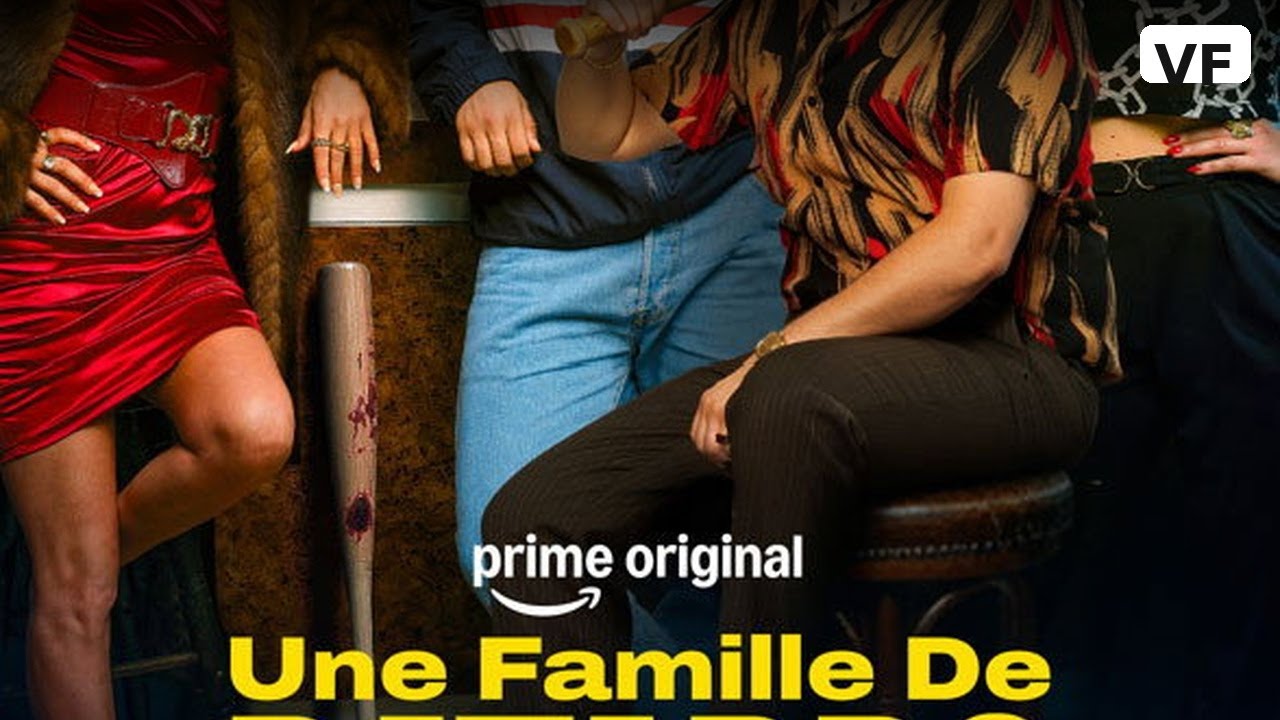


A Family of bastards (2026) by Mourad Winter
- dailyentertainment95

- 59 minutes ago
- 13 min read
Found Family Chaos and Working-Class Survival: A comedy about unexpected siblings, community loyalty, and second chances
Sometimes family is not the people you grow up with—it is the people you discover when everything starts falling apart.
Une Famille de Bâtards follows Mohamed, whose life is turned upside down after his womanizing father is shot. The shocking event leads him to discover two previously unknown siblings, Maurice and Morgane, forcing the trio into an unlikely alliance. Together, they must save their father's struggling Paris bar, Chez Momo, from mounting debt, criminal pressure, and impending collapse. Directed by Mourad Winter and co-written with Elias Belkeddar, the film blends family comedy, crime comedy, working-class drama, community storytelling, and sibling dynamics into a fast-moving ensemble narrative. The story explores family, identity, belonging, redemption, loyalty, inheritance, friendship, and resilience through humor and emotional conflict. Set in Paris during 1997, the film also captures a nostalgic portrait of neighborhood culture and local community life. Ultimately, the movie becomes both a chaotic family comedy and a celebration of how unexpected relationships can create new forms of belonging.
➡️ Implication: Contemporary French comedies increasingly combine family dysfunction with community-centered storytelling and emotional warmth.
Why It Is Trending: Audiences are embracing community-driven comedies centered on family and belonging
Modern audiences increasingly engage with comedies that balance humor with emotional connection and relatable human struggles.
The film has attracted attention because of its unusual premise involving secret siblings suddenly forced to work together after a family crisis. Viewers are drawn to the combination of working-class comedy, criminal complications, family revelations, and neighborhood solidarity. The story also taps into universal themes surrounding identity, inheritance, and the search for belonging. The late-1990s Paris setting adds nostalgic appeal while allowing the narrative to explore community life before the digital era transformed social relationships. Its ensemble cast and emotionally accessible humor further strengthen audience anticipation.
➡️ Implication: Family-centered comedies increasingly resonate through relatable emotional stakes and community-driven narratives.
Elements Driving the Trend: Sibling discovery, neighborhood loyalty, and underdog survival
The film builds its comedic energy through unlikely family relationships and collective problem-solving.
Mohamed's discovery of Maurice and Morgane creates immediate emotional and comedic tension as strangers are suddenly expected to function as siblings. The threat against Chez Momo introduces clear stakes while allowing the community surrounding the bar to become active participants in the story. Themes surrounding family loyalty, redemption, identity, class struggle, and neighborhood solidarity strengthen the narrative's emotional appeal considerably. The criminal elements add comedic urgency without overshadowing the family dynamic. Together, these elements create a feel-good underdog story grounded in human relationships.
➡️ Implication: Contemporary ensemble comedies increasingly succeed through collective problem-solving and found-family storytelling.
Virality of Movie (Social Media Coverage): Buzz driven by nostalgic comedy and chaotic family dynamics
The film has generated early interest because of its combination of family revelations, community humor, and crime-comedy elements.
Online discussions frequently focus on the unusual sibling premise and the colorful cast of characters surrounding Chez Momo. Many viewers have responded positively to the nostalgic Paris setting and the underdog narrative involving a struggling neighborhood business. The project's emphasis on family dysfunction and community resilience aligns with audience demand for emotionally uplifting comedies. Anticipation has also been strengthened by the popularity of several cast members within contemporary French comedy. These elements continue building interest ahead of release.
➡️ Implication: Nostalgic community-centered comedies increasingly generate engagement through emotional accessibility and ensemble storytelling.
Critics Reception: Early anticipation centered on character-driven French comedy
Although full reviews are not yet available ahead of release, industry attention has focused on the film's blend of family comedy and working-class storytelling.
Early interest highlights the project's combination of crime-comedy energy, neighborhood culture, and emotionally grounded sibling relationships. Observers have noted the potential for the film to balance broad humor with genuine emotional depth through its exploration of identity and belonging. The ensemble cast and Paris setting further contribute to expectations of a lively and accessible comedy. Industry anticipation remains centered on how effectively the film combines emotional warmth with comic chaos.
➡️ Implication: Character-driven comedies increasingly attract attention through emotional relatability and community-focused narratives.
Awards and Recognitions: Too early for festival and industry recognition
As Une Famille de Bâtards is scheduled for release on June 12, 2026, there are currently no publicly announced awards nominations or festival recognitions.
However, the film's combination of family comedy, working-class storytelling, nostalgic setting, and ensemble performances positions it as a potential contender within French comedy and audience-choice categories following release. Projects centered on community resilience and emotionally grounded humor often perform strongly with general audiences and festival viewers alike.
➡️ Implication: Audience-driven comedies increasingly build recognition through emotional relatability and strong ensemble performances.
Director and Cast: A comedic ensemble shaped by family chaos, neighborhood loyalty, and working-class resilience
Directed by Mourad Winter, the film prioritizes ensemble chemistry, community humor, and emotionally grounded relationships over purely gag-driven comedy.
Hakim Jemili anchors the narrative through Mohamed, whose discovery of two unknown siblings forces him into an unexpected journey of responsibility, identity, and family reconciliation. His character serves as the emotional center of the story while navigating criminal threats, financial problems, and increasingly chaotic family dynamics. Jemili’s comedic energy appears positioned to balance frustration, vulnerability, determination, and emotional growth throughout the narrative.
Benjamin Tranié and Laura Felpin strengthen the film through Maurice and Morgane, the newly discovered siblings whose arrival creates both conflict and opportunity. Their contrasting personalities help generate much of the film’s humor while gradually transforming strangers into a dysfunctional but supportive family unit. The sibling dynamic forms the emotional backbone of the story as they attempt to save Chez Momo together.
Supporting performances from Kad Merad, David Ayala, Florence Foresti, Céline Groussard, and Ouassini Embarek help create a lively portrait of Parisian neighborhood life. Winter directs the ensemble through fast-paced interactions, eccentric personalities, and community-driven storytelling, allowing humor and emotional connection to emerge naturally from the characters’ shared struggle. The nostalgic 1997 setting further reinforces the film’s charm and communal atmosphere throughout.
➡️ Implication: Contemporary French comedies increasingly rely on ensemble casts and community-centered storytelling to create both humor and emotional resonance.
Conclusion: A family comedy about belonging, second chances, and saving more than just a neighborhood bar
Une Famille de Bâtards transforms a family crisis into an uplifting exploration of identity, community, loyalty, and unexpected connection. Its combination of sibling discovery, neighborhood solidarity, and working-class resilience creates an entertaining viewing experience rooted in humor, emotional growth, and collective survival. Mourad Winter approaches comedy through character relationships and community spirit rather than relying solely on situational jokes or slapstick. Hakim Jemili, Benjamin Tranié, and Laura Felpin anchor the film through performances balancing comedy, vulnerability, and family tension. Its themes of belonging, inheritance, redemption, friendship, and neighborhood identity remain highly relevant within contemporary conversations surrounding community and social connection. Ultimately, the film becomes both a crime-comedy adventure and a reflection on how family is often created through shared struggles rather than shared history.
➡️ Implication: Found-family comedies and community-centered storytelling will continue shaping the future of mainstream French comedy.
What Movie Trend Is Followed: Found-family comedies exploring belonging, community, and working-class resilience
Une Famille de Bâtards follows the growing trend of ensemble comedies that replace traditional nuclear-family structures with found-family dynamics built through shared challenges, emotional healing, and collective survival.
Rather than focusing solely on romantic relationships or individual success, the film explores how unexpected family members and local communities come together when facing financial hardship, personal crises, and external threats. Similar contemporary French comedies increasingly blend humor with emotional storytelling by centering ordinary people struggling against economic pressures, social change, and personal dysfunction. The movie also reflects broader audience interest in stories about belonging, neighborhood identity, and unconventional families formed through circumstance rather than blood alone. Its nostalgic 1990s setting and working-class environment strengthen the film's emotional accessibility throughout. This creates a feel-good comedy rooted in human connection and collective resilience.
➡️ Implication: Contemporary comedies increasingly prioritize community, belonging, and emotional connection over individualistic success narratives.
Trend Drivers: Audience fascination with dysfunctional families and collective problem-solving
Audiences increasingly connect with stories where flawed individuals must learn to work together.
Narratives centered on unexpected families create stronger emotional engagement than stories focused exclusively on individual achievement. Viewers strongly enjoy characters whose differences generate conflict, humor, and eventual emotional growth. The blending of comedy, family dynamics, and underdog survival also strengthens mainstream audience appeal considerably. These stories resonate because they celebrate cooperation and human connection in increasingly fragmented societies.
➡️ Implication: Found-family narratives increasingly drive emotional engagement within mainstream comedy.
What Is Influencing Trend: Rise of community-centered and emotionally grounded comedies
Modern audiences increasingly seek comedies that balance humor with genuine emotional stakes.
Contemporary ensemble comedies now focus heavily on friendship, family, neighborhood culture, social belonging, and emotional growth rather than purely joke-driven storytelling. Filmmakers increasingly favor relatable working-class settings and emotionally recognizable struggles over extravagant comedic premises. These narratives resonate because they reflect real-life concerns surrounding economic pressure, family complexity, and community support. This storytelling style aligns closely with audience demand for warmth, relatability, and optimism.
➡️ Implication: Emotional sincerity increasingly strengthens contemporary comedy storytelling.
Macro Trends Influencing: Expansion of belonging and community narratives
Contemporary entertainment increasingly reflects cultural interest in connection, solidarity, and collective identity.
Audiences strongly support stories examining community resilience, neighborhood culture, social support networks, and unconventional family structures. Modern comedies also increasingly portray ordinary people overcoming challenges through cooperation rather than individual heroism. These narratives reflect broader conversations surrounding loneliness, social fragmentation, local identity, and the value of human connection. The trend strongly supports ensemble storytelling globally.
➡️ Implication: Community and belonging continue emerging as dominant themes across contemporary comedy.
Consumer Trends Influencing: Preference for uplifting and emotionally rewarding storytelling
Modern audiences increasingly seek entertainment that balances humor with optimism and emotional warmth.
Viewers strongly engage with stories exploring friendship, family, loyalty, and perseverance through accessible and relatable narratives. Audiences also increasingly support underdog stories featuring ordinary people confronting financial hardship and social obstacles together. Younger and older viewers alike appreciate narratives that celebrate human connection without excessive cynicism. These trends strongly support feel-good ensemble comedies.
➡️ Implication: Uplifting community-driven narratives increasingly strengthen audience engagement.
Audience Analysis: Mainstream comedy audiences drawn to family, nostalgia, and community
The film mainly appeals to viewers aged 18–65 interested in French comedies, ensemble casts, family stories, and nostalgic period settings.
These audiences value relatable characters, emotional warmth, humor, community spirit, and underdog narratives. Fans of contemporary French ensemble comedies will strongly connect with the movie’s exploration of sibling discovery, neighborhood culture, and collective resilience. Mainstream audiences especially engage with stories where ordinary people overcome adversity through teamwork and loyalty. The film’s 1997 Paris setting further enhances its cross-generational appeal.
➡️ Implication: Community-centered family comedies continue attracting broad mainstream audiences seeking humor and emotional connection.
Conclusion: A comedy trend where family is built rather than inherited
The trend reflected in Une Famille de Bâtards shows how contemporary comedies increasingly transform family dysfunction into stories about belonging, emotional healing, and collective resilience. These narratives resonate because they prioritize human connection, emotional warmth, and community spirit over purely comedic spectacle. Unlikely families create deeper audience engagement when their shared struggles lead to genuine emotional growth. The rise of found-family comedies also reflects broader cultural interest in support networks, neighborhood identity, and social belonging. These projects succeed through ensemble chemistry, emotional accessibility, and uplifting storytelling. Ultimately, the trend represents a broader movement toward feel-good narratives shaped by community, loyalty, and the belief that family can be created through shared experiences rather than shared history.
➡️ Implication: Found-family and community-centered comedies will continue shaping the future of mainstream European comedy.
Final Verdict: A heartwarming comedy about family, community, and discovering belonging in unexpected places
Une Famille de Bâtards succeeds because it transforms a chaotic family revelation into an uplifting exploration of identity, belonging, loyalty, and collective resilience. Instead of focusing solely on outrageous comedy or criminal antics, the film embraces emotional warmth, community spirit, and dysfunctional family dynamics as the central forces shaping its narrative. Mourad Winter creates an ensemble comedy driven by sibling rivalry, neighborhood solidarity, financial struggle, and personal redemption. The nostalgic Paris setting and colorful supporting characters strengthen the film’s charm throughout. Its themes of inheritance, friendship, second chances, family discovery, and community survival create a relatable and emotionally rewarding viewing experience. Ultimately, the film becomes both a crime-comedy adventure and a reflection on how meaningful relationships often emerge from the most unexpected circumstances.
➡️ Implication: Contemporary French comedies increasingly blend emotional warmth with ensemble-driven storytelling and community-focused narratives.
Audience Relevance: Appeals to viewers seeking uplifting comedy and relatable family dynamics
The film strongly connects with audiences drawn to feel-good stories about belonging and human connection.
Its themes of family discovery, teamwork, friendship, and perseverance create emotional engagement beneath the humor. Viewers interested in ensemble comedies and working-class stories will connect with the project’s relatable characters and neighborhood setting. The film’s balance of comedy and emotional sincerity strengthens audience immersion considerably. This creates broad appeal across multiple generations.
➡️ Implication: Feel-good ensemble comedies continue attracting audiences seeking humor with emotional substance.
What Is the Message of Movie: Family is built through loyalty and shared struggle rather than biology alone
The film explores how meaningful relationships are often created through experience rather than blood ties.
Mohamed, Maurice, and Morgane begin as strangers connected only by a father they barely knew. As they face financial hardship and external threats together, they gradually build trust, understanding, and genuine affection. The narrative suggests that belonging comes from commitment, support, and shared experiences rather than inherited connections alone. Community also becomes as important as family throughout the story.
➡️ Implication: Modern comedies increasingly redefine family through emotional bonds rather than traditional structures.
Relevance to Audience: Reflects contemporary desires for connection and community
The film resonates because its emotional themes feel increasingly relevant within modern society.
Audiences strongly connect with stories exploring belonging, friendship, family complexity, and community support. The narrative also reflects broader concerns surrounding social isolation, economic pressure, and the importance of maintaining local communities. Its optimistic perspective offers reassurance without ignoring life's challenges. This relevance strengthens the film’s broad mainstream appeal.
➡️ Implication: Community-centered storytelling increasingly resonates within contemporary popular culture.
Social Relevance: A celebration of neighborhood culture and collective resilience
The film examines how local communities can become support systems during times of crisis.
Chez Momo functions as more than a bar; it becomes a symbol of neighborhood identity, shared history, and collective belonging. The story highlights how communities often rally together when local institutions face threats from economic hardship or external pressures. Rather than focusing on individual success, the film celebrates cooperation and mutual support. This gives the comedy deeper social resonance beneath its lighthearted tone.
➡️ Implication: Contemporary comedies increasingly celebrate collective resilience and local identity.
Performance: Ensemble chemistry drives both humor and emotional connection
The performances provide the energy and heart that make the story work.
Hakim Jemili anchors the narrative through Mohamed’s journey from confusion and frustration toward responsibility and belonging. Benjamin Tranié and Laura Felpin create strong comedic and emotional contrasts as Maurice and Morgane. Supporting performances from Kad Merad, Florence Foresti, and David Ayala help create a vibrant portrait of community life. Together, the ensemble generates both humor and emotional authenticity.
➡️ Implication: Strong ensemble chemistry increasingly defines successful community-centered comedies.
Legacy: Part of the rise of modern found-family comedies
The film aligns with the growing popularity of stories centered on unconventional families and collective resilience.
Its focus on sibling discovery, community solidarity, and emotional growth reflects audience demand for uplifting narratives grounded in relatable human experiences. The project also contributes to the expansion of French comedies that combine social realism with accessible humor. Over time, the film may be remembered as part of a broader movement toward emotionally sincere ensemble comedy.
➡️ Implication: Found-family storytelling continues shaping contemporary European comedy.
Success: Defined by emotional warmth, ensemble storytelling, and relatable humor
The film’s success comes primarily through its combination of humor, heart, and community spirit.
Audience engagement is driven by the movie’s relatable characters, family revelations, neighborhood setting, and underdog narrative rather than spectacle alone. Viewers strongly respond to stories celebrating loyalty, friendship, and perseverance through collective effort. The film succeeds through emotional accessibility, ensemble chemistry, and uplifting storytelling. Its nostalgic setting further enhances its broad appeal.
➡️ Implication: Emotionally rewarding ensemble comedies increasingly strengthen audience engagement.
Insights: The film transforms a family crisis into an uplifting exploration of belonging, loyalty, and community resilience.Industry Insight: Contemporary French comedies increasingly combine emotional sincerity with ensemble-driven storytelling.Audience Insight: Viewers strongly connect with stories celebrating family, friendship, and collective problem-solving.Social Insight: The story highlights the continuing importance of local communities and support networks in modern society.Cultural Insight: Found-family narratives continue evolving as powerful reflections of changing ideas about belonging and identity.
Conclusion: A feel-good comedy about finding family where you least expect it
Une Famille de Bâtards works because it approaches family, identity, and community through humor, emotional warmth, and relatable human experiences rather than exaggerated comedy alone. Its ensemble cast and neighborhood setting create an entertaining viewing experience rooted in friendship, loyalty, resilience, and personal growth. Mourad Winter explores belonging through unexpected relationships shaped by shared challenges and mutual support. Hakim Jemili, Benjamin Tranié, and Laura Felpin anchor the film through performances balancing comedy, vulnerability, and emotional development. Its themes of family, inheritance, redemption, community, and second chances remain highly relevant within contemporary conversations surrounding connection and belonging. Ultimately, the film becomes both a lively comedy and a reminder that family is often something people build together rather than something they simply inherit.
➡️ Implication: Found-family comedies will continue shaping the future of mainstream French and European comedy.
Summary of the Movie: A feel-good French comedy about family, community, and unexpected belonging
• Movie themes: Family discovery, sibling relationships, community resilience, working-class survival, loyalty, friendship, inheritance, redemption, and belonging — the film explores how strangers connected by blood gradually become a true family while fighting to save a neighborhood institution from collapse.➡️ Implication: Contemporary comedies increasingly explore belonging through found-family dynamics and community solidarity.
• Movie director: Mourad Winter delivers a nostalgic ensemble comedy blending family dysfunction, neighborhood culture, crime-comedy elements, and emotional warmth.➡️ Implication: Modern French comedies increasingly combine humor with emotionally grounded storytelling.
• Top casting: Hakim Jemili leads alongside Benjamin Tranié and Laura Felpin, supported by Kad Merad, Florence Foresti, and David Ayala. Their ensemble chemistry drives both the comedy and emotional heart of the story.➡️ Implication: Ensemble casts continue strengthening community-centered comedy narratives.
• Awards and recognition: The film is scheduled for release on June 12, 2026, and currently has no publicly announced awards or festival nominations. However, its combination of family comedy, nostalgic setting, and community-focused storytelling positions it as a potential audience favorite within French cinema.➡️ Implication: Emotionally accessible comedies increasingly build recognition through audience engagement and word-of-mouth success.
• Why to watch movie: A strong choice for viewers who enjoy French ensemble comedies, found-family stories, nostalgic settings, neighborhood culture, and uplifting underdog narratives.➡️ Implication: Feel-good storytelling continues attracting audiences seeking humor combined with emotional connection.
• Key success factors: Found-family dynamics, ensemble performances, working-class relatability, nostalgic Paris setting, neighborhood solidarity, emotional sincerity, and crime-comedy energy.➡️ Implication: Human connection increasingly drives success within mainstream comedy.
• Where to watch: Scheduled for theatrical release in France on June 12, 2026.➡️ Implication: French theatrical comedies continue maintaining strong domestic audience appeal.
Conclusion: A charming comedy about family, loyalty, and building a community through shared struggle
Une Famille de Bâtards transforms a shocking family revelation into an uplifting exploration of belonging, friendship, redemption, and collective resilience. Its blend of sibling discovery, neighborhood solidarity, and underdog determination creates an entertaining viewing experience rooted in humor, emotional growth, and community spirit. Mourad Winter approaches comedy through character relationships and human connection rather than relying solely on jokes or spectacle. Hakim Jemili, Benjamin Tranié, and Laura Felpin anchor the story through performances balancing comedy, vulnerability, and family tension. Its themes of identity, inheritance, loyalty, friendship, community, and second chances remain highly relevant within contemporary conversations surrounding belonging and social connection. Ultimately, the film becomes both a lively crime-comedy adventure and a celebration of how family can emerge through shared experiences, mutual support, and collective perseverance.
➡️ Implication: Found-family and community-centered comedies will continue shaping the future of mainstream European comedy.
Comments