



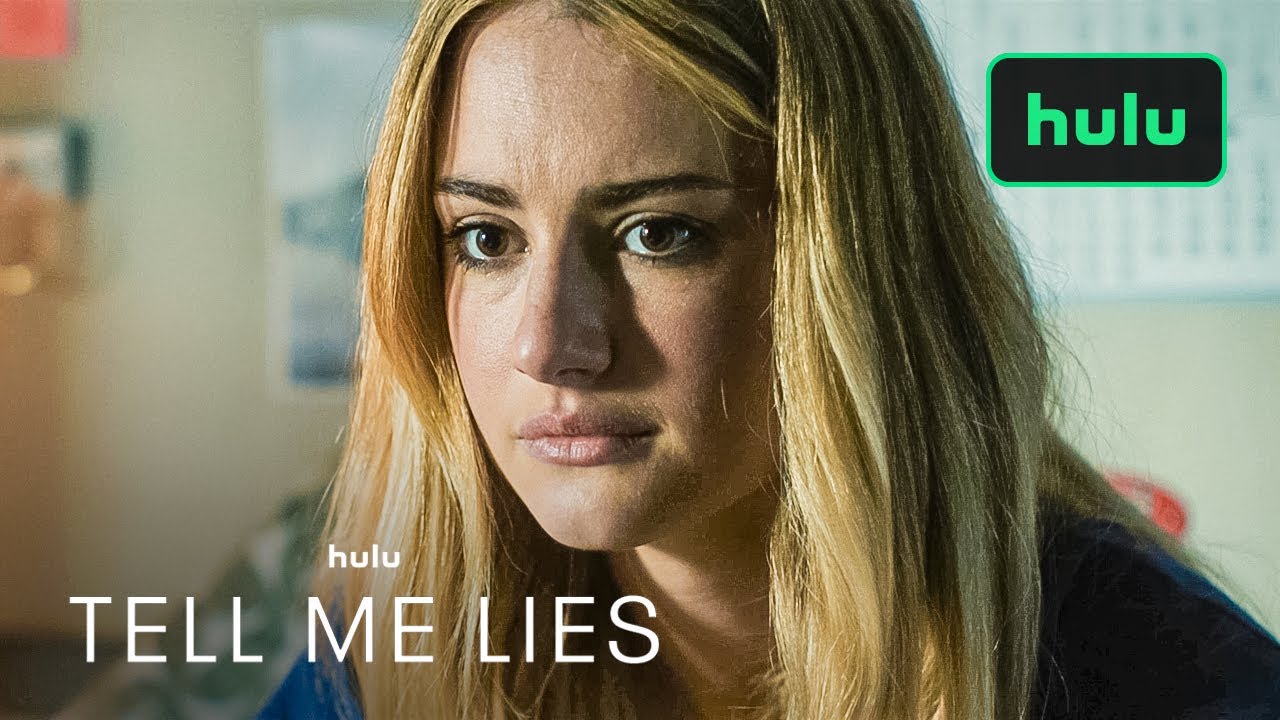

Series: Tell Me Lies (2022-2026) by Meaghan Oppenheimer: When toxic love becomes the most binge-worthy trainwreck on Hulu
- dailyentertainment95

- 1 hour ago
- 17 min read
Summary: College students spiral through 8 years of manipulation, gaslighting, and obsession that keeps millions watching
Hulu's breakout psychological drama transforms a toxic relationship into prestige television. Emma Roberts' Belletrist production adapts Carola Lovering's 2018 novel into three seasons tracking Lucy and Stephen's destructive romance from 2007 college hookup to 2015 wedding disaster. Grace Van Patten and Jackson White (dating IRL, thankfully healthier) deliver performances so uncomfortable viewers report screaming at their screens.
Where to watch: https://www.justwatch.com/us/tv-show/tell-me-lies (US), https://www.justwatch.com/au/tv-show/tell-me-lies (Australia), https://www.justwatch.com/ca/tv-show/tell-me-lies (Canada), https://www.justwatch.com/uk/tv-series/tell-me-lies (UK), https://www.justwatch.com/fr/serie/tell-me-lies (France), https://www.justwatch.com/it/serie-tv/tell-me-lies (Italy), https://www.justwatch.com/es/serie/tell-me-lies (Spain), https://www.justwatch.com/de/Serie/Tell-Me-Lies (Germany)
Link IMDB: https://www.imdb.com/title/tt13018148/
Link Review: https://www.theguardian.com/tv-and-radio/2024/jan/09/tell-me-lies-review-truly-ludicrous-toxic-erotica
Show plot: September 2007—Lucy Albright arrives at fictional Baird College (filmed at Agnes Scott College, Georgia) fresh from family trauma: dead father, mom's affair, plus her roommate dies in hit-and-run Week One. She's emotionally walled-off, numb, perfect target. Enter Stephen DeMarco, charming junior with his own damage (mommy issues, dead friend, sociopath tendencies). Their meet-cute turns into 8-year psychological warfare documented across dual timelines: 2007-2008 college years where it all starts, jumping to 2015 when they're adults still trapped in each other's orbit at friend Bree's wedding. The show methodically reveals how Lucy gets sucked into Stephen's manipulative vortex—he's a master gaslighter making her question reality, using her secrets as leverage, emotionally terrorizing her while playing sensitive boyfriend. Friends Bree, Pippa, Wrigley, Evan get dragged into collateral damage. Season 1 (10 eps, 2022) establishes the addiction, Season 2 (8 eps, 2024) shows Lucy trying to break free, Season 3 (8 eps, January 2026) goes full nuclear as they try again while "all their demons come out." Think You meets Normal People meets every toxic ex you've ever had.
TV trend: Psychological dramas dissecting toxic relationships through realistic trauma responses—streaming platforms greenlight prestige shows examining emotional abuse when audiences crave uncomfortable truth over romance fantasy.
Social trend: Therapy culture mainstreaming creates viewers fluent in narcissism/gaslighting terminology—Gen Z and Millennials demand authentic portrayals of unhealthy relationships as cautionary tales not aspirational content.
Creator's authorship: Meaghan Oppenheimer (creator Queen America, writer Fear the Walking Dead) specializes in flawed women navigating dark situations—brings nuanced psychological complexity avoiding simple villain/victim narratives when exploring relationship toxicity.
Casting: Grace Van Patten (Lucy) dyed hair dark brown post-production to psychologically separate from character, Jackson White (Stephen)—son of Katey Sagal who plays his TV mom—lost into sinister intensity, Catherine Missal (Bree) masters quiet devastation, Spencer House/Sonia Mena (Wrigley/Pippa) ground friend group dynamics, Tom Ellis (Season 2-3 predatory professor Oliver) brings Lucifer charm to manipulation.
Awards recognition: 2 wins including ReFrame Stamp 2022-2023 for gender-balanced hiring, strong critical reception (75% Rotten Tomatoes Season 1), passionate fan engagement driving renewals.
Release availability: Hulu/Disney+ streaming, Season 1 premiered September 7, 2022 (10 episodes weekly), Season 2 September 4, 2024 (8 episodes weekly), Season 3 January 13, 2026 (3-episode drop then weekly through February 17), companion podcast hosted by Stassi Schroeder with cast/creator breakdowns.
Production context: Emma Roberts' Belletrist TV first-look deal project (signed 2020), straight-to-series order August 2021, 20th Television studio, production companies Belletrist Productions/Rebelle Media/Vice Studios, showrunner Meaghan Oppenheimer, pilot director Jonathan Levine, filmed Toronto (Season 3) and Georgia locations, Season 2 filmed January-2024, Season 3 May-August 2025, renewed December 2024 after exceptional Season 2 viewership.
Insights: Uncomfortable realism creates addictive viewing when psychological accuracy trumps entertainment comfort.
Industry Insight: Emma Roberts' Belletrist model leverages book club credibility for literary adaptations—first-look deals position celebrity producers as taste-makers when book-to-screen pipeline sustains prestige content. Consumer Insight: Viewers seek validation through toxic relationship portrayals when seeing manipulation patterns onscreen provides cathartic recognition—"this could happen to anyone" creates communal processing space. Brand Insight: Dual-timeline structure (college 2007-2008, adult 2015) maintains mystery momentum when audiences piece together how relationships deteriorate across years creating puzzle-box engagement.
Van Patten describes Lucy's Season 3 arc as "punishing herself, accepting bad treatment because she thinks that's what she deserves"—the show explores how smart people stay trapped when self-worth erodes. White believes Stephen "truly loves Lucy, in his way" despite manipulation, adding disturbing complexity.
Why Trending: #1 Disney+ worldwide, therapeutic cultural moment, IRL couple chemistry, TikTok discourse explosion
Season 3 hit #1 on Disney+ globally January 2026 (22 countries including Australia, Canada, Norway). Season 2 climbed from 10th to 8th most-streamed series October 2024. Audiences hungry for realistic toxic relationship examination when therapy vocabulary mainstreams creating framework for understanding patterns.
Psychological realism → cathartic recognition: Show doesn't romanticize toxicity—depicts actual gaslighting mechanics, manipulation tactics, trauma bonding when viewers with similar experiences report feeling "seen" validating their struggles weren't unique weakness.
IRL couple playing toxic couple → meta fascination: Van Patten and White dating since 2022 (healthy relationship Van Patten calls "grounded and easy") creates tabloid intrigue when fans scream at Van Patten on sidewalks "get away from Stephen!" blurring fiction/reality.
TikTok discourse machine → audience engagement: Clips go viral ("anyone watching feeling fight-or-flight activate when Stephen's onscreen?"), Taylor Swift All Too Well comparisons, viewers ranking most-hateable Stephen moments creating participatory viewing culture.
Therapy culture vocabulary → accessible framework: Millennials/Gen Z fluent in "narcissist," "gaslighting," "trauma bonding" watch through diagnostic lens—show becomes educational tool when viewers learn warning signs through third-person observation.
Uncomfortable truthtelling → zeitgeist alignment: Post-#MeToo culture demands honest portrayals over romantic fantasy—showing how "nice guys" manipulate, how smart women stay trapped serves cultural reckoning when audiences tired of sanitized narratives.
Showrunner Oppenheimer describes goal as making viewers realize "this could happen to anyone"—destigmatizing staying in toxic relationships when shame prevents people from recognizing patterns.
Insights: Psychological accuracy creates cultural utility when entertainment doubles as education.
Industry Insight: Straight-to-series orders (no pilot testing) reward established producer track records—Emma Roberts' Belletrist credibility secured 10-episode Season 1 commitment minimizing development risk. Consumer Insight: Viewers embrace discomfort when psychological realism provides validation—toxic relationship survivors use show as processing tool sharing "this was my life" testimonials. Brand Insight: Weekly release strategy (vs. full-season dump) sustains discourse momentum—TikTok reactions, Reddit theories, podcast breakdowns extend engagement across months maximizing cultural penetration.
Season 2 became 12th most-streamed series September 2024 per TVision Power Score (measuring viewer attention + engagement across 1,000+ apps). TV Time app ranked it 8th by October 2024 among 25M users proving sustained growth.
TV Trend: Prestige toxic relationship dramas examining psychological abuse through therapy-informed lens
Streaming platforms invest in uncomfortable psychological realism when audiences demand authentic trauma portrayals. Tell Me Lies joins The Dropout, Fleishman Is in Trouble, Big Little Lies elevating relationship toxicity to prestige television when nuanced characterization replaces simple morality tales.
Format lifecycle: Multi-season character studies (10-episode seasons, 49-minute runtimes, weekly releases) tracking relationships across years—dual timelines create mystery structure when present-day consequences illuminate past choices sustaining viewer investment.
Aesthetic logic: Moody late-2000s period detail (pre-smartphone college life, indie rock soundtracks, dark cinematography) creates nostalgic distance enabling difficult content—dimly-lit visual palette signals serious drama differentiating from teen soap aesthetics.
Psychological effect: Third-person observation provides safe processing distance when viewers analyze manipulation they'd miss firsthand—educational framing ("learn warning signs") justifies uncomfortable watching creating therapeutic utility.
Genre inheritance: Adapts literary fiction psychological complexity for television—Carola Lovering's 2018 novel provides character depth when book-to-screen adaptations signal prestige positioning versus original screenplay teen dramas.
Distribution mechanics: Hulu exclusive (Disney+ international) targets streaming-native audiences—weekly episodic release (Season 3: 3-episode premiere then weekly) balances binge culture with sustained cultural conversation maximizing social media engagement.
Shows avoiding simple victim/villain framing when all characters demonstrate flawed humanity creates moral complexity.
Insights: Psychological realism elevates genre when therapy-informed storytelling replaces moral simplicity.
Industry Insight: Book adaptation pipelines (Belletrist book club → TV production) create vertically-integrated development when literary communities provide built-in audiences de-risking greenlight decisions. Consumer Insight: Therapy-literate audiences analyze characters diagnostically—Reddit threads debate whether Stephen's cluster-B personality disorder or learned behavior creating engaged viewership beyond passive consumption. Brand Insight: Period setting (late 2000s) provides dual function: nostalgic millennial appeal plus pre-social-media dating dynamics when toxic relationships harder to expose creating believable premise.
Oppenheimer notes "young people's feelings taken seriously" differentiates show from dismissive teen drama treatments—emotional abuse portrayed as legitimate trauma not hormonal overreaction.
Creator's Vision: Nuanced psychological complexity avoiding simplistic good/evil when exploring how smart people stay trapped
Oppenheimer prioritizes character depth over moral clarity when examining relationship dynamics. Petraglia influences (she adapted) emphasize systemic relationship patterns versus individual pathology creating empathetic complexity even for Stephen's manipulation.
Authorial logic: Every character demonstrates flaws and vulnerability—Lucy's trauma makes her susceptible, Stephen's abandonment issues fuel control needs, Bree's professor affair shows exploitation dynamics, entire friend group lies/betrays creating ecosystem where toxicity thrives.
Restraint vs escalation: Methodical psychological deterioration versus dramatic blow-ups—show depicts slow erosion (Stephen using Lucy's secrets incrementally, her self-worth declining gradually) when realistic pacing honors actual abuse dynamics.
Ethical distance: Refuses simple condemnation providing psychological context—understanding Stephen's damage doesn't excuse behavior creating uncomfortable empathy when viewers question "would I recognize this in real-time?"
Consistency vs rupture: Dual-timeline structure maintains mystery while revealing patterns—2015 wedding scenes show damaged adults, flashbacks illuminate how college choices compound creating narrative architecture emphasizing consequence accumulation.
Visual language: Dimly-lit intimate framing creates claustrophobic intensity—close-ups on facial micro-expressions (Stephen's charm shifting to calculation, Lucy's hope turning to doubt) when visual storytelling conveys psychological manipulation beyond dialogue.
Jonathan Levine (pilot director) established moody visual template continued across seasons.
Insights: Psychological nuance creates uncomfortable empathy when moral complexity replaces judgment.
Industry Insight: Showrunner-driven vision (Oppenheimer writes/EPs) ensures tonal consistency across seasons when auteur control prioritizes character depth over network notes demanding likability. Consumer Insight: Viewers appreciate flawed protagonists when Lucy's complicity acknowledged—she lies, manipulates friends, makes destructive choices creating realistic portrayal versus pure victim narrative. Brand Insight: Jackson White casting crucial when Stephen requires charisma making manipulation believable—actors note he brings "humanity" preventing one-dimensional villainy sustaining audience confusion mirroring Lucy's.
Van Patten emphasizes show "does not glamorize toxicity" through visual/narrative choices—suffering depicted as "really rough and brutal" not exciting validating cautionary tale framing.
Key Success Factors: Psychological accuracy, therapy-culture timing, book adaptation credibility, Emma Roberts brand, cast chemistry
Show succeeds through authentic trauma portrayal when cultural moment demands honest relationship examination. Belletrist pedigree signals literary quality while Van Patten/White chemistry creates believable toxicity.
Concept-culture alignment: Premieres 2022 when therapy culture peaks—Millennial/Gen Z audiences fluent in psychological terminology seek content validating their emotional intelligence when toxic relationship examination becomes cultural conversation not niche interest.
Execution discipline: Carola Lovering novel provides character foundation—adaptation preserves psychological complexity when literary source material elevates beyond typical streaming drama ensuring depth sustains multi-season arc.
Distribution logic: Hulu exclusive targets streaming-native audiences—platform's prestige drama track record (The Handmaid's Tale, The Dropout) positions Tell Me Lies as quality content when algorithmic recommendations reach therapy-interested demographics.
Coherence over ambition: Focused relationship examination versus sprawling ensemble—Lucy/Stephen dynamic remains central when supporting characters serve illuminating main relationship patterns preventing narrative diffusion.
Timing precision: Post-#MeToo cultural reckoning creates receptive environment—audiences demand honest portrayals of manipulation/abuse when sanitized romance narratives feel obsolete, show capitalizes on cultural permission examining darkness.
Van Patten/White real-life relationship generates press while demonstrating healthy contrast to characters.
Insights: Cultural timing amplifies quality execution when zeitgeist alignment meets authentic portrayal.
Industry Insight: Celebrity producer brands (Emma Roberts/Belletrist) provide marketing hooks when Roberts' 4.8M Instagram followers receive built-in awareness creating launch momentum. Consumer Insight: Book club origins (Belletrist founded 2017) create literary credibility—adaptation signals prestige when book-to-screen suggests intellectual substance over formulaic content. Brand Insight: Casting real-life couple creates tabloid intrigue sustaining press cycle—"how do they separate characters from relationship?" articles drive awareness when meta-narrative generates curiosity.
Season 2 renewal came midway through Season 1 (November 2022) indicating strong early metrics—Hulu confidence enabled multi-season planning maintaining narrative momentum.
Trends 2026: Trends 2026: When Your Therapist's Homework Becomes Peak TV — Psychological Dramas Turn Trauma Into Prestige Content
Television embraces psychological complexity when streaming platforms invest in uncomfortable realism. Book adaptations via literary communities create quality pipelines when celebrity producers leverage cultural capital.
Therapy culture content: Shows incorporating psychological frameworks (The Patient, Shrinking, Tell Me Lies) attract audiences seeking emotional intelligence content—mental health literacy creates viewership demanding nuanced trauma portrayals.
Book club production pipelines: Celebrity book clubs (Belletrist, Reese's Book Club, Oprah's) vertically integrate development—literary curation → production creates quality control when established reader communities de-risk adaptation investments.
Toxic relationship deep-dives: Prestige examination of manipulation/abuse (The Dropout corporate abuse, Big Little Lies domestic violence, Tell Me Lies emotional manipulation) when uncomfortable truthtelling replaces romantic fantasy satisfying cultural honesty demand.
Dual-timeline mystery structure: Narrative puzzles (The Affair, This Is Us, Tell Me Lies) maintain suspense across seasons—fragmentary reveals sustain engagement when audiences piece together causation creating participatory viewing.
Weekly release resurges: Hybrid strategies (multi-episode drops then weekly) balance binge culture with conversation sustain—TikTok/Reddit discourse requires spacing when instant full-season drops kill momentum.
Emma Roberts expanding Belletrist slate developing multiple book adaptations creating production company track record.
Insights: Literary credibility plus therapy frameworks create prestige category when streaming seeks differentiation.
Industry Insight: First-look deals reward established producers with development funding—Emma Roberts' Belletrist secured Hulu partnership enabling systematic book adaptation pipeline. Consumer Insight: Audiences seek content validating emotional experiences when therapy culture normalizes processing trauma through media creating dual entertainment/education function. Brand Insight: Period settings (late 2000s/early 2010s) provide nostalgia plus pre-social-media dynamics when toxic relationships develop differently creating believable premises.
ReFrame Stamp recognition (gender-balanced hiring) demonstrates industry diversity progress when production practices evolve beyond performative statements into structural change.
Social Trends 2026: When Everyone's Fluent In Therapy-Speak — Gen Z Turns Emotional Intelligence Into Cultural Currency
Cultural conversation shifts toward psychological frameworks when mental health stigma reduces. Younger audiences demand authentic trauma portrayals creating market for uncomfortable content when emotional intelligence becomes valued competency.
Psychological literacy democratization: Terms like "gaslighting," "trauma bonding," "narcissistic abuse" enter mainstream vocabulary—audiences self-diagnose relationship patterns when therapy concepts accessible creating frameworks for understanding manipulation.
Toxic relationship destigmatization: Cultural permission to discuss staying in unhealthy situations—"this could happen to anyone" messaging reduces shame when viewers share experiences validating struggles aren't personal failures.
Parasocial boundary navigation: Fans screaming at Van Patten to avoid White demonstrates fiction/reality blur—younger audiences process parasocial relationships through media literacies when character investment creates protective instincts.
Emotional honesty demand: Gen Z rejects romantic fantasy preferring realistic portrayals—messy characters making destructive choices feel authentic when aspirational content dismissed as inauthentic, audiences value complicated humanity.
Communal processing rituals: TikTok reactions, Reddit analysis, companion podcasts transform viewing into social activity—isolated streaming becomes participatory when discourse communities provide collective meaning-making.
Van Patten reports viewers sharing "the show made me leave my toxic relationship" demonstrating cultural utility.
Insights: Mental health literacy creates audiences valuing psychological accuracy over entertainment polish.
Industry Insight: Therapy culture creates content opportunities when psychological frameworks provide narrative structures—shows incorporating mental health themes attract growing demographics. Consumer Insight: Younger viewers seek validation through media when seeing experiences reflected reduces isolation—toxic relationship survivors use show as communal processing tool. Brand Insight: Uncomfortable content succeeds when cultural permission exists examining darkness—post-#MeToo environment enables honest manipulation portrayals previously considered too dark.
Final Social Insight: Television becomes emotional education when therapy-informed storytelling provides frameworks understanding relationship dynamics—entertainment evolves beyond escape toward processing tool.
Democratized psychological literacy creates audiences capable sophisticated emotional analysis when mental health destigmatization enables honest cultural conversations. Streaming platforms capitalize providing content addressing audiences' self-understanding needs.
Final Verdict: Psychological masterclass elevating toxic relationship examination into prestige television through uncomfortable realism
Hulu's breakout drama succeeds where sanitized romances fail—authentic manipulation portrayal when therapy-literate audiences demand honesty. Van Patten/White performances create believable toxicity while Oppenheimer's nuanced writing refuses simple morality.
Meaning: Demonstrates how intelligent people stay trapped in destructive patterns when self-worth erosion, trauma histories, and emotional manipulation create psychological prisons—validates experiences of survivors while educating viewers on warning signs.
Relevance: Arrives cultural moment demanding honest relationship portrayals—post-#MeToo reckoning, therapy culture mainstreaming, Gen Z emotional literacy create receptive environment when uncomfortable truthtelling becomes valued over fantasy.
Endurance: Three-season arc (2022-2026) with passionate fanbase sustains momentum—viewer investment in character outcomes plus TikTok discourse culture ensures multi-year relevance when psychological complexity rewards rewatching.
Legacy: Elevates toxic relationship examination from guilty pleasure to prestige category—proves audiences embrace difficult content when executed authentically, influencing future relationship dramas toward psychological rigor.
Cultural achievement: Season 3 hitting #1 Disney+ globally demonstrates international resonance—toxic relationship dynamics transcend cultural specificity when psychological manipulation patterns universal creating worldwide identification.
Show refuses easy answers when complexity honors real experiences.
Insights: Psychological authenticity creates cultural utility when entertainment provides understanding frameworks.
Industry Insight: Belletrist production model demonstrates book club → television pipeline viability when literary communities provide built-in audiences de-risking adaptations. Consumer Insight: Therapy-literate viewers seek content validating emotional experiences when psychological accuracy provides cathartic recognition reducing trauma isolation. Brand Insight: Van Patten/White real-life relationship creates sustainable press hook when healthy contrast to characters generates ongoing media interest across seasons.
Proves uncomfortable television succeeds when cultural timing meets authentic execution. Validates audiences' capacity engaging difficult material when psychological complexity replaces moral simplicity.
Trends Summary: When Therapy Culture Transforms Toxic Relationships From Guilty Pleasure Into Prestige Television
Psychological literacy creates audiences demanding authentic trauma portrayals when mental health frameworks provide understanding structures. Emma Roberts' book club production model demonstrates literary adaptation pipelines sustaining prestige content. Streaming platforms capitalize on therapy culture investing in uncomfortable realism when Gen Z emotional intelligence demands honesty over fantasy.
Conceptual/Systemic: Book club production pipeline (Belletrist literary curation → first-look deal → straight-to-series order → multi-season renewal) creates vertically-integrated development when established reader communities de-risk adaptation investments—celebrity producers leverage cultural capital translating literary credibility into television prestige.
Cultural: Therapy vocabulary mainstreaming enables sophisticated relationship analysis when audiences fluent in "gaslighting," "narcissism," "trauma bonding" watch through diagnostic lens—psychological literacy transforms toxic relationship examination from taboo into cultural conversation creating market for uncomfortable content.
Industry: Streaming platforms embrace weekly release hybrids (multi-episode drops then weekly) balancing binge culture with sustained discourse—TikTok/Reddit engagement requires spacing when instant full-season dumps kill conversation momentum maximizing algorithmic promotion.
Audience behavior: Parasocial investment creates protective instincts when viewers scream at Van Patten avoiding White—fiction/reality blur demonstrates emotional engagement when character investment generates real-world reactions validating narrative authenticity.
Trend | Description | Implications |
Therapy-Informed Prestige Dramas | Shows incorporating psychological frameworks attract mentally health-literate audiences. Tell Me Lies, The Patient, Shrinking use therapy vocabulary examining trauma when emotional intelligence content serves dual entertainment/education function. | Mental health destigmatization creates content category—platforms invest in psychological complexity when growing demographics value emotional education creating sustainable prestige niche. |
Celebrity Book Club Production Pipelines | Literary communities (Belletrist, Reese's Book Club) become vertically-integrated producers. Book curation → adaptation development → series production when established reader bases de-risk investments. | Book-to-screen adaptations gain structural advantage—literary credibility signals prestige while built-in audiences reduce marketing costs creating efficient development model. |
Toxic Relationship Deep-Dive Examinations | Multi-season character studies dissecting manipulation (Tell Me Lies emotional abuse, The Dropout corporate abuse, Big Little Lies domestic violence). Uncomfortable realism replaces romantic fantasy when cultural honesty demand creates receptive environment. | Post-#MeToo culture enables darker relationship portrayals—audiences tired of sanitized narratives seek authentic trauma examination creating market for previously taboo content. |
Dual-Timeline Mystery Structures | Narrative puzzles (The Affair, This Is Us, Tell Me Lies) fragmenting chronology sustaining multi-season suspense. Present consequences illuminate past choices when audiences piece together causation creating participatory engagement. | Mystery mechanics maintain viewer investment across years—suspense structure prevents early abandonment when gradual revelation rewards sustained attention creating binge-resistant formats. |
Parasocial Boundary Blur | Fans emotionally invest in fictional relationships demonstrating fiction/reality confusion. Van Patten/White real-life dating creates tabloid fascination when healthy contrast to toxic characters generates ongoing press attention. | Celebrity couple casting creates sustainable marketing hook—meta-narrative provides endless interview angles when relationship questions drive press cycles across seasons. |
Core TV Trend | Prestige psychological dramas examining relationship toxicity through therapy-informed lens. Streaming platforms invest uncomfortable realism when mental health-literate audiences demand authentic trauma portrayals creating quality differentiation. | Television evolves toward emotional education when therapy culture creates viewership valuing psychological accuracy—entertainment expands beyond escape into processing tool. |
Core Consumer Trend | Audiences seek validation through authentic toxic relationship portrayals. Seeing manipulation patterns onscreen provides cathartic recognition when "this could happen to anyone" messaging reduces shame creating communal processing space. | Media consumption becomes therapeutic when viewers use content understanding personal experiences—streaming platforms capitalize providing frameworks for self-examination. |
Core Social Trend | Psychological vocabulary mainstreaming democratizes mental health frameworks. Gen Z/Millennial fluency in therapy terminology enables sophisticated emotional analysis when cultural conversation shifts toward understanding relationship dynamics. | Therapy destigmatization creates emotionally literate culture—younger generations normalize discussing mental health creating permanent shift in cultural discourse expectations. |
Core Strategy | Book club → production company model (Belletrist) demonstrates literary adaptation pipeline. Celebrity cultural capital translates into development deals when established reader communities provide built-in audiences de-risking investments. | Vertically-integrated development advantages—book curation platforms become content producers when literary credibility ensures prestige positioning maximizing adaptation value. |
Core Motivation | Viewers demand honest relationship portrayals validating emotional experiences. Psychological authenticity provides frameworks understanding manipulation patterns when entertainment serves dual catharsis/education function creating cultural utility. | Content preferences shift toward authenticity over aspiration—audiences value complicated humanity when messy characters feel realistic creating identification beyond fantasy. |
Insights: Therapy culture creates sophisticated audiences demanding psychological complexity when mental health literacy enables nuanced content.
Industry Insight: Emma Roberts' Belletrist demonstrates celebrity book clubs becoming production powerhouses—literary curation credibility translates into television deals when established communities de-risk adaptations. Consumer Insight: Psychological accuracy creates cathartic recognition when viewers see manipulation patterns validated—toxic relationship survivors use content as communal processing reducing trauma isolation. Brand Insight: Period settings (late 2000s) provide dual nostalgia appeal plus pre-social-media relationship dynamics when toxic patterns develop differently creating believable premises.
Streaming prestige category emerges around uncomfortable psychological realism when therapy-literate audiences embrace difficult content. Book adaptation pipelines sustain quality when literary communities provide development infrastructure creating sustainable production model.
Psychological Drama Trend: When Female Desire Becomes Dangerous—Power, Control, and Sexual Agency in Modern Cinema
Psychological dramas examining women's sexuality through power dynamics dominate prestige cinema. Films like Babygirl (2024, Halina Reijn) reclaim erotic thriller genre examining female autonomy and desire as psychological territory when therapy-informed audiences demand complex women navigating internal contradictions.
Format lifecycle → therapeutic examination: Character-driven studies prioritize emotional archaeology over plot when films function as psychological case studies. Babygirl (2024, Halina Reijn) depicts CEO Romy's affair revealing sexual dissatisfaction and childhood trauma—interior life drives narrative.
Aesthetic logic → clinical intimacy: Muted palettes, close-ups, ambient soundscapes create observational distance enabling difficult content. Babygirl uses beige tones and '80s erotic thriller aesthetics but feminist lens examines submission as agency not victimhood.
Psychological effect → uncomfortable recognition: Films trigger self-examination when viewers confront suppressed desires. Babygirl forces recognition that powerful women crave surrender, control requires losing control—discomfort creates catharsis.
Social meaning → destigmatizing female sexuality: Post-#MeToo culture enables honest portrayals when historical silencing creates representational void. Babygirl's Nicole Kidman (57) claiming BDSM agency challenges ageist assumptions—"older women like sex" becomes revolutionary.
Genre inheritance → feminist reclamation: 1980s erotic thrillers (Fatal Attraction, Basic Instinct) punished female sexuality through male gaze. Contemporary dramas (Babygirl, Tár 2022 Todd Field, May December 2023 Todd Haynes) invert dynamics when female perspectives examine complexity without judgment.
Industry propagation → auteur vehicles: Halina Reijn (Babygirl), Todd Field (Tár), Todd Haynes (May December) demonstrate psychological dramas showcase directorial vision attracting A-list talent—festival prestige (Venice, Cannes) creates awards positioning.
Why popular now: Therapy vocabulary enables nuanced discussion of female sexuality when cultural conversations shift from "what women should want" to "what women actually want"—psychological dramas provide safe processing space.
Insights: Female sexuality as psychological territory creates prestige category when feminist filmmakers reclaim exploitation genres.
Industry Insight: A24 positioning (Babygirl $64.7M on $20M budget) demonstrates psychological dramas as profitable prestige attracting festival credibility and commercial viability. Consumer Insight: Audiences embrace uncomfortable portrayals when psychological accuracy validates suppressed desires—"controversial" content succeeds through recognition not titillation. Brand Insight: Aging actresses (Kidman 57, Blanchett 55 in Tár) claiming sexual narratives challenges Hollywood ageism demonstrating 50+ women's continued relevance.
Psychological dramas succeed by treating female interiority as legitimate narrative territory when complex desire replaces simple morality tales. This cinematic shift validates that women contain multitudes—powerful yet vulnerable, controlled yet craving surrender—creating space for honest self-examination through fiction.
Why to watch Tell Me Lies: The most uncomfortable mirror you'll ever look into
If you've stayed too long with the wrong person, this show will hit different. It's not entertainment—it's emotional archaeology validating that staying doesn't make you weak, it makes you human. Van Patten and White deliver performances so authentic you'll forget they're dating IRL (healthily, thank god). Skip if you want romance—this is cautionary tale material that'll have you texting your therapist. Perfect for anyone who's thought "I'm too smart for this" while making the worst decision. The discomfort is the point.
Why Trending: #1 Disney+ worldwide, therapeutic cultural moment, IRL couple chemistry, TikTok discourse explosion
Season 3 hit #1 on Disney+ globally January 2026 (22 countries including Australia, Canada, Norway). Season 2 climbed from 10th to 8th most-streamed series October 2024. Audiences hungry for realistic toxic relationship examination when therapy vocabulary mainstreams creating framework for understanding patterns.
Psychological realism → cathartic recognition: Show doesn't romanticize toxicity—depicts actual gaslighting mechanics, manipulation tactics, trauma bonding when viewers with similar experiences report feeling "seen" validating their struggles weren't unique weakness.
IRL couple playing toxic couple → meta fascination: Van Patten and White dating since 2022 (healthy relationship Van Patten calls "grounded and easy") creates tabloid intrigue when fans scream at Van Patten on sidewalks "get away from Stephen!" blurring fiction/reality.
TikTok discourse machine → audience engagement: Clips go viral ("anyone watching feeling fight-or-flight activate when Stephen's onscreen?"), Taylor Swift All Too Well comparisons, viewers ranking most-hateable Stephen moments creating participatory viewing culture.
Therapy culture vocabulary → accessible framework: Millennials/Gen Z fluent in "narcissist," "gaslighting," "trauma bonding" watch through diagnostic lens—show becomes educational tool when viewers learn warning signs through third-person observation.
Uncomfortable truthtelling → zeitgeist alignment: Post-#MeToo culture demands honest portrayals over romantic fantasy—showing how "nice guys" manipulate, how smart women stay trapped serves cultural reckoning when audiences tired of sanitized narratives.
Showrunner Oppenheimer describes goal as making viewers realize "this could happen to anyone"—destigmatizing staying in toxic relationships when shame prevents people from recognizing patterns.
Insights: Psychological accuracy creates cultural utility when entertainment doubles as education.
Industry Insight: Straight-to-series orders (no pilot testing) reward established producer track records—Emma Roberts' Belletrist credibility secured 10-episode Season 1 commitment minimizing development risk. Consumer Insight: Viewers embrace discomfort when psychological realism provides validation—toxic relationship survivors use show as processing tool sharing "this was my life" testimonials. Brand Insight: Weekly release strategy (vs. full-season dump) sustains discourse momentum—TikTok reactions, Reddit theories, podcast breakdowns extend engagement across months maximizing cultural penetration.
Season 2 became 12th most-streamed series September 2024 per TVision Power Score (measuring viewer attention + engagement across 1,000+ apps). TV Time app ranked it 8th by October 2024 among 25M users proving sustained growth.
Comments