


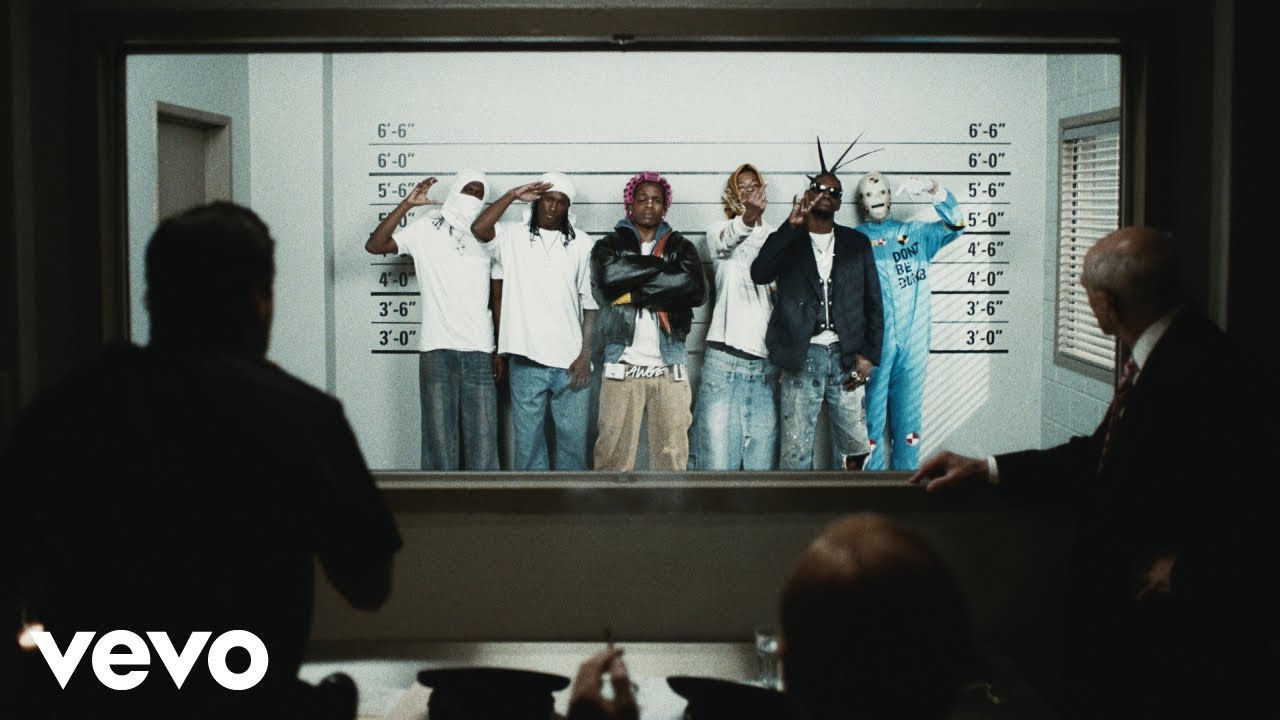


Series: Wonder Man (2026) by Destin Daniel Cretton & Andrew Guest: Hollywood actor gains superpowers navigating industry where heroism meets show business
- dailyentertainment95
- 4 hours ago
- 15 min read
Summary of the Series: When struggling actor receives powers, superhero identity collides with entertainment industry creating buddy-comedy Marvel adventure
MCU comedy meets Hollywood satire. Actor Simon Williams gains superpowers while navigating entertainment industry, partnering with Trevor Slattery (Ben Kingsley returning from Iron Man 3) creating unlikely duo where superheroism meets show business absurdity.
Where to watch: https://www.justwatch.com/us/tv-show/wonder-man-0 (US), https://www.justwatch.com/au/tv-show/wonder-man-0 (Australia), https://www.justwatch.com/ca/tv-show/wonder-man-0 (Canada), https://www.justwatch.com/uk/tv-series/wonder-man-0 (UK), https://www.justwatch.com/fr/serie/wonder-man-0 (France), https://www.justwatch.com/it/serie-tv/wonder-man-0 (Italy), https://www.justwatch.com/es/serie/wonder-man-0 (Spain), https://www.justwatch.com/de/Serie/wonder-man-0 (Germany)
Link IMDB: https://www.imdb.com/title/tt21066182/
Link Review: https://bleedingcool.com/tv/wonder-man-is-the-best-show-no-ones-ever-seen-brad-winderbaum/
About movie: https://press.disney.co.uk/news/marvel-television-releases-all-new-trailer-and-stills-for-wonder-man
Series plot: Hollywood actor Simon Williams thrust into superhero world receiving powers transforming him into Wonder Man. The 8-episode limited series operates as buddy-comedy where entertainment industry meets MCU superheroics. Trevor Slattery (fake Mandarin from Iron Man 3, played by Ben Kingsley) becomes unlikely partner navigating Hollywood where superpowers are banned creating conflict between Simon's new abilities and industry restrictions. Brother Eric Williams provides family tension. The narrative examines Hollywood through superhero lens—actor struggling for recognition suddenly gains literal powers while industry prohibits their use, creating satirical examination of entertainment world obsessed with superhero stories while rejecting actual powered individuals. Film festival references and industry in-jokes suggest meta-commentary on Marvel's Hollywood dominance.
Series trend: MCU entering self-aware phase where superhero stories examine entertainment industry creating them, positioning Hollywood satire as viable superhero framework through insider perspective.
Social trend: Reflects superhero genre saturation and industry self-examination where Marvel can afford interrogating its own cultural dominance through comedic deconstruction of Hollywood superhero obsession.
Creator's authorship: Cretton (Shang-Chi, Short Term 12) brings character focus and emotional grounding while Guest provides comedy structure, treating superhero premise as vehicle for Hollywood industry satire.
Casting: Yahya Abdul-Mateen II as Simon Williams/Wonder Man (replacing fan-expected Nathan Fillion). Ben Kingsley reprising Trevor Slattery from Iron Man 3. Demetrius Grosse as Eric Williams (brother). 8-episode ensemble.
Awards and recognition: Not yet released (January 2026). Marvel Studios production ensures visibility. "Most Anticipated TV 2026" inclusion indicates strong pre-release interest.
Release and availability: Disney+ exclusive premiere January 27, 2026 (United States). Marvel Studios/Marvel Television production. 8-episode limited series. Atlanta filming. Marvel Cinematic Universe Phase connectivity expected.
Insights: Entertainment industry becomes superhero subject—when actor gains powers in Hollywood banning them, satire emerges examining cultural obsession with fictional heroes while rejecting actual powered individuals.
Industry Insight: MCU increasingly uses superhero frameworks for industry self-examination where Hollywood satire provides fresh perspective on genre saturation enabling meta-commentary on Marvel's own cultural dominance. Consumer Insight: Audiences receptive to Marvel self-awareness examining entertainment industry, valuing superhero stories acknowledging genre's cultural saturation through comedic insider perspective. Brand Insight: Entertainment industries benefit from self-examination—acknowledging cultural dominance and genre saturation through satire creates engagement beyond straightforward superhero narratives becoming increasingly difficult differentiating.
The 8 episodes position superhero powers as Hollywood problem—industry obsessed with fictional heroes banning actual abilities creates satirical examination of entertainment contradictions.
Why It Is Trending: MCU self-awareness meets Hollywood satire as superhero genre examines entertainment industry creating it
Marvel dominance converges with superhero fatigue debates. Wonder Man arrives when MCU can afford self-examination and Hollywood satire provides fresh superhero framework during genre saturation requiring differentiation.
Concept → Consequence: The series literalizes Hollywood superhero contradiction—entertainment industry obsessed with fictional heroes bans actual superpowers, creating satirical examination of cultural phenomenon rejecting its own reality.
Culture → Visibility: Superhero genre saturation enables self-aware examination. Trevor Slattery's return provides Iron Man 3 meta-continuity. Hollywood setting establishes insider perspective on industry Marvel dominates.
Distribution → Discovery: Disney+ exclusive with Marvel Studios backing ensures visibility. January 2026 premiere provides post-holiday streaming content. Ben Kingsley and Yahya Abdul-Mateen II casting signals prestige ambitions.
Timing → Perception: 2026 release captures sustained superhero fatigue debates while Marvel's secure position enables self-examination through comedy without threatening brand dominance.
Insights: The series trends by making MCU self-aware—examining entertainment industry through superhero lens enables satire acknowledging genre saturation while maintaining Marvel positioning through comedy.
Industry Insight: Dominant franchises (MCU) increasingly afford self-examination through satire where secure market position enables interrogating own cultural impact without threatening commercial viability. Consumer Insight: Audiences receptive to franchise self-awareness examining industry dynamics, valuing superhero stories acknowledging saturation through comedy rather than pretending endless growth possible. Brand Insight: Market dominance enables self-critique—secure positioning allows examining own cultural impact through satire creating engagement beyond straightforward genre repetition facing diminishing returns.
The series trends because Marvel examines itself—Hollywood satire through superhero lens acknowledges genre saturation while maintaining franchise dominance through comedic differentiation.
Why to Watch: To experience MCU's self-aware Hollywood examination where superhero satire meets industry insider comedy
This is Marvel meta-commentary through buddy-comedy. Wonder Man demonstrates how superhero framework can examine entertainment industry creating genre while maintaining MCU connectivity through humor.
Meta value: The series provides understanding of Hollywood superhero relationship—not pure genre exercise but examination of industry obsessed with fictional heroes while banning actual powers creating satirical contradiction.
Experience vs observation: Watching becomes immersion in industry satire where audiences experience entertainment world through superhero lens, gaining insider perspective on Marvel's own cultural dominance through comedy.
Atmosphere vs transformation: Hollywood setting establishes entertainment industry context. Superhero ban creates conflict. Trevor Slattery provides Iron Man 3 continuity enabling meta-commentary on MCU's evolution.
Reference value: The series provides vocabulary for discussing superhero genre relationship with Hollywood. "Powers banned in entertainment capital" becomes framework examining industry contradictions.
Insights: Entertainment industry's superhero obsession creates contradiction—banning actual powers while celebrating fictional heroes reveals cultural phenomenon's absurdity requiring satirical examination through insider perspective.
Industry Insight: Superhero franchises succeed through self-examination where dominant market position enables satirizing own cultural impact creating engagement beyond genre repetition requiring fresh frameworks. Consumer Insight: Viewers value franchise self-awareness examining industry dynamics, seeking Marvel stories acknowledging saturation through comedy rather than pretending genre expansion limitless. Brand Insight: Self-examination creates engagement—acknowledging dominance and examining own cultural impact through satire proves more valuable than ignoring market position when genre faces saturation.
Watch it to experience Marvel's self-awareness—Hollywood satire through superhero framework examines entertainment industry creating genre while maintaining MCU connectivity through buddy-comedy.
What Trend Is Followed: MCU self-aware phase using Hollywood satire as superhero differentiation during genre saturation
The series operates within MCU expansion, entering phase where self-examination and industry satire provide differentiation when straightforward superhero narratives face diminishing creative returns.
Format lifecycle: MCU evolving from straightforward superhero toward self-aware examination, where Hollywood satire enables interrogating genre's cultural dominance through comedy maintaining franchise connectivity.
Aesthetic logic: Buddy-comedy structure (actor + fake villain) prevents self-serious tone. Hollywood setting provides insider satire. Trevor Slattery continuity enables meta-commentary on MCU evolution since Iron Man 3.
Psychological effect: The series generates engagement through recognition—audiences understand entertainment industry's superhero contradictions making satire accessible beyond requiring deep Marvel knowledge.
Genre inheritance: Follows superhero self-awareness from Deadpool through contemporary meta-commentary where genre interrogation provides differentiation when straightforward narratives exhaust creative possibilities.
Insights: The trend reflects MCU requiring differentiation—Hollywood satire and self-examination provide fresh frameworks when superhero genre saturation demands innovation beyond traditional origin stories.
Industry Insight: Dominant franchises increasingly use self-aware satire as differentiation strategy where examining own cultural impact creates engagement when straightforward genre expansion faces creative and commercial limitations. Consumer Insight: Audiences receptive to franchise self-examination through comedy, valuing superhero stories acknowledging saturation rather than pretending genre can expand indefinitely without interrogating own dominance. Brand Insight: Self-awareness becomes commercial asset—examining own market position through satire creates differentiation more valuable than ignoring dominance when genre faces saturation requiring innovation.
The trend positions self-aware satire as MCU differentiation—Hollywood examination through superhero lens provides fresh framework during genre saturation requiring creative innovation beyond traditional narratives.
Creator's Vision: Comedy and character grounding satirizing Hollywood while maintaining MCU connectivity through buddy-dynamic
Cretton and Guest maintain character focus using buddy-comedy structure, treating superhero premise as vehicle for Hollywood satire without abandoning Marvel continuity or emotional grounding.
Authorial logic: The series uses superhero framework for industry examination—Simon's powers creating Hollywood conflict enables satirizing entertainment world through character-driven comedy rather than pure genre exercise.
Restraint vs escalation: While superhero action expected, buddy-comedy structure prevents excessive spectacle. Character focus (actor struggling, fake villain partner) grounds satire in recognizable Hollywood dynamics.
Ethical distance: Creators avoid both celebrating Hollywood uncritically and condemning industry completely, observing entertainment world contradictions through comedy maintaining affection for absurdity.
Consistency vs rupture: The vision maintains MCU connectivity (Trevor Slattery continuity) while enabling satirical distance through comedy, making Marvel self-examination possible without threatening franchise integrity.
Insights: The creator's vision treats Hollywood as viable superhero subject—using comedy structure enables industry satire while maintaining MCU connectivity through character grounding and franchise continuity.
Industry Insight: Franchise creators increasingly use comedy for self-examination where buddy-dynamic structures enable satirizing industry dynamics without threatening brand integrity or requiring dramatic genre abandonment. Consumer Insight: Audiences value creators maintaining character focus when satirizing industries, preferring grounded comedy over pure parody when examining entertainment dynamics through superhero frameworks. Brand Insight: Self-examination succeeds through affectionate satire—maintaining franchise connectivity while examining own impact creates engagement without alienating core audiences through excessive criticism.
The creator's vision succeeds through comedy balance—Hollywood satire maintains character grounding and MCU connectivity enabling self-examination without threatening franchise positioning.
Key Success Factors: Marvel backing, Kingsley's return, and satire timeliness converging with buddy-comedy accessibility
The series works through Disney+/Marvel resources, Ben Kingsley's Iron Man 3 continuity providing meta-angle, arriving when superhero saturation enables self-examination through accessible comedy structure.
Concept–culture alignment: The series arrives when superhero genre saturation and Marvel dominance enable self-aware examination through comedy without threatening commercial positioning.
Execution discipline: 8-episode limited series prevents concept exhaustion. Buddy-comedy structure provides accessibility. Hollywood setting enables insider satire. Trevor Slattery continuity creates meta-framework.
Distribution logic: Disney+ exclusive with Marvel Studios backing ensures visibility and production resources. January 2026 premiere provides post-holiday streaming content filling MCU gaps.
Coherence over ambition: The series examines Hollywood-superhero relationship completely through single character rather than attempting comprehensive MCU commentary, generating focus through contained satire.
Insights: Success emerges from franchise security enabling self-examination when market dominance allows satirizing own impact through comedy structure maintaining accessibility and connectivity.
Industry Insight: Dominant franchises succeed through self-aware satire when secure positioning enables examining own cultural impact without threatening commercial viability, using comedy for accessible differentiation. Consumer Insight: Audiences reward franchise self-awareness through comedy, valuing Marvel examining Hollywood relationship when saturation makes satirical differentiation more engaging than straightforward genre repetition. Brand Insight: Market dominance enables beneficial self-critique—secure positioning allows examining own impact through satire creating engagement beyond genre expansion facing creative limitations.
The series succeeds by leveraging Marvel security for Hollywood satire when franchise dominance enables self-examination through accessible buddy-comedy without threatening positioning.
Awards and Recognition: Pre-release anticipation with "Most Anticipated 2026" inclusion despite no awards yet
Not yet released (January 2026 premiere), but "Most Anticipated New TV Series 2026" recognition indicates strong pre-release interest within Marvel fanbase and broader streaming audiences.
Festival presence: N/A—streaming series follow awards season rather than festival circuits.
Wins: No awards yet (pre-release status).
Nominations: No nominations yet (pre-release status).
Critical infrastructure: 1 documented critic review pre-release (insufficient for evaluation). Trailer reception and "Most Anticipated" inclusion suggest strong Marvel fanbase engagement. Ben Kingsley's involvement and buddy-comedy premise generating positive anticipation.
Insights: Pre-release positioning confirms successful Marvel marketing where franchise security and self-aware satire premise generate anticipation despite genre fatigue debates surrounding MCU.
Industry Insight: Dominant franchises maintain anticipation through differentiation strategies where self-aware satire and established character returns create interest despite broader genre fatigue concerns. Consumer Insight: Core Marvel audiences engage with self-examination premises, valuing franchise willingness interrogating own cultural impact through comedy rather than ignoring saturation debates. Brand Insight: Anticipation validates differentiation—self-aware premises generate interest when franchise security enables risk-taking through satirical examination without threatening core positioning.
Pre-release trajectory suggests successful positioning where Marvel's self-aware Hollywood satire generates anticipation validating differentiation strategy despite superhero genre debates.
Critics Reception: Insufficient pre-release data prevents comprehensive assessment but trailer reception suggests positive comedy response
With 1 pre-release critic review and no post-premiere reception data available, comprehensive critical assessment impossible though trailer and anticipation metrics suggest positive comedy reception.
Online publications and magazines: ComicBookMovie.com and TV Insider provided trailer coverage emphasizing buddy-comedy premise and Hollywood superhero ban conflict. Pre-release coverage focuses on Ben Kingsley's Trevor Slattery return and Yahya Abdul-Mateen II casting.
Aggregators: Insufficient data (pre-release). Trailer views (437K+ documented) suggest strong Marvel fanbase engagement with comedy premise.
Performance reception: Ben Kingsley's Trevor Slattery return generates nostalgic interest. Yahya Abdul-Mateen II casting noted as replacing fan-expected Nathan Fillion (who voiced Wonder Man in animated M.O.D.O.K.).
Narrative critique: Pre-release discourse emphasizes buddy-comedy "vibes" and Hollywood satire angle as differentiating from traditional MCU superhero origin structure.
Insights: Pre-release indicators suggest successful comedy positioning where Marvel's self-aware satire generates positive anticipation though comprehensive critical evaluation requires post-premiere assessment.
Industry Insight: Marvel series generate pre-release interest through differentiation strategies where comedy and satire premises create anticipation distinguishing from standard superhero narrative expectations. Consumer Insight: Fanbase engagement with self-aware premises suggests receptiveness to Marvel examining own impact, valuing franchise willingness interrogating Hollywood relationship through accessible comedy. Brand Insight: Pre-release positioning validates risk—self-examination generates positive anticipation when executed through accessible comedy maintaining franchise connectivity without threatening core positioning.
Pre-release reception suggests successful positioning though comprehensive critical assessment requires post-January 2026 premiere evaluation of execution quality.
Release Strategy: Disney+ exclusive with January 2026 premiere positioning post-holiday streaming content within MCU continuity
January 27, 2026 Disney+ premiere indicates strategy maximizing post-holiday streaming engagement while maintaining Marvel Phase connectivity through accessible 8-episode limited series.
Theatrical release date: N/A—Disney+ exclusive streaming series following Marvel television model.
Streaming release window: January 27, 2026 premiere. 8-episode limited series likely weekly release maintaining subscriber engagement through February-March 2026.
Platform positioning: Disney+ exclusive with Marvel Studios/Marvel Television production ensuring premium resources and MCU canonical status. January timing fills post-holiday content gap.
Expectation signaling: Buddy-comedy emphasis and Hollywood satire premise signal accessible tone distinguishing from darker Marvel series. Trevor Slattery continuity attracts Iron Man 3 nostalgia while Yahya Abdul-Mateen II provides contemporary star power.
Insights: Release strategy treats series as Disney+ subscriber retention tool where January timing and accessible comedy premise maximize post-holiday engagement within MCU continuity.
Industry Insight: Streaming franchises use limited series for subscriber retention where January premieres capitalize on post-holiday viewing habits and premium productions maintain platform value differentiation. Consumer Insight: Marvel audiences engage with streaming series as MCU continuity extensions, valuing Disney+ exclusive content when comedy accessibility and character returns provide differentiation from film-scale spectacle. Brand Insight: Platform exclusive strategies maximize subscriber value—January timing and limited episode commitments (8 episodes) create engagement without requiring film-level production or theatrical distribution resources.
Release strategy positions series as Disney+ premium content where January timing and accessible comedy maximize subscriber retention through MCU connectivity and differentiated tone.
Trends Summary: MCU self-aware phase using Hollywood satire for differentiation when superhero genre saturation demands innovation
Three synthesis sentences: The series crystallizes Marvel's self-examination phase where secure market dominance enables interrogating own cultural impact through Hollywood satire and buddy-comedy accessibility. Superhero genre saturation requires differentiation beyond traditional origin stories making industry insider perspective and meta-commentary commercially viable frameworks. Disney+ enables 8-episode limited series providing MCU continuity without requiring film-scale production while maintaining franchise canonical status through accessible comedy.
Conceptual, systemic trends: Hollywood satire as superhero subject. MCU self-examination through comedy. Buddy-dynamic accessibility. Trevor Slattery continuity enabling meta-commentary. Industry insider perspective. Superhero ban creating satirical conflict. 8-episode limited efficiency.
Cultural trends: Superhero genre saturation debates. Marvel cultural dominance examination. Entertainment industry self-consciousness. Fictional hero obsession versus actual power rejection. Genre fatigue requiring differentiation. Meta-awareness commercial viability.
Industry trends: Disney+ Marvel exclusives maintaining continuity. Limited series format enabling focused narratives. January streaming premieres maximizing post-holiday engagement. Marvel Studios/Television convergence. Atlanta production hubs. Buddy-comedy structures differentiating from spectacle.
Audience behavior trends: Seeking Marvel self-awareness. Valuing franchise interrogating own impact. Engaging with comedy over pure spectacle. Discovering through Disney+ exclusivity. Processing genre saturation through meta-commentary. Accepting limited series as MCU canonical.
Insights: Trends converge around MCU requiring differentiation when superhero saturation demands innovation—Hollywood satire through buddy-comedy provides fresh framework maintaining franchise connectivity while examining own cultural dominance.
Industry Insight: Dominant franchises increasingly use self-aware satire for differentiation where secure market positions enable examining own cultural impact through comedy without threatening commercial viability during genre saturation. Consumer Insight: Audiences receptive to franchise self-examination through accessible comedy, valuing Marvel interrogating Hollywood relationship when saturation makes satirical differentiation more engaging than straightforward genre repetition. Brand Insight: Market dominance enables beneficial self-critique—secure positioning allows examining own cultural impact through satire creating engagement beyond genre expansion facing creative and commercial limitations requiring innovation.
MCU succeeds through self-aware Hollywood satire—examining entertainment industry creating superhero genre provides differentiation when market dominance enables interrogating own impact through accessible comedy.
Trends Table
Trend Name | Description | Implications |
Core Consumer Trend | Franchise Self-Awareness Demand Audiences seek dominant brands interrogating own cultural impact through accessible comedy. | Consumers demand Marvel examining Hollywood relationship, valuing superhero stories acknowledging genre saturation through satirical insider perspective rather than pretending endless expansion possible without self-examination. |
Core Strategy | Comedy-Enabled Self-Critique Buddy-dynamic structures allow examining industry contradictions without threatening brand integrity. | Creators must use comedy for self-examination—accessible humor enables satirizing own dominance while maintaining franchise connectivity, creating engagement beyond straightforward genre repetition facing diminishing returns. |
Core Industry Trend | Saturation Differentiation Through Meta Genre dominance requires innovation beyond traditional narratives when straightforward expansion exhausts possibilities. | Producers invest in self-aware satire where Hollywood insider perspectives provide differentiation when superhero genre saturation demands creative frameworks examining rather than perpetuating established formulas. |
Core Motivation | Genre Fatigue Processing People seek frameworks validating exhaustion while maintaining franchise engagement. | Individuals process superhero saturation through narratives confirming genre limits, seeking Marvel content acknowledging fatigue through comedy enabling continued engagement without requiring traditional superhero narrative investment. |
Trends 2026: MCU meta-phase proliferation, Hollywood satire as standard, and self-examination as differentiation necessity
The series signals trajectories intensifying through 2026 where Marvel's self-aware examination becomes standard approach and Hollywood satire provides dominant differentiation framework.
Cultural shift: Superhero genre saturation intensifies requiring franchise differentiation. Marvel's cultural dominance enables self-examination without threatening positioning. Entertainment industry self-consciousness grows as fictional hero obsession confronts actual creative limitations.
Audience psychology: Content consumers seek franchise self-awareness acknowledging saturation. Demand grows for Marvel examining own cultural impact through accessible frameworks making genre fatigue comprehensible rather than requiring abandonment.
Format evolution: Limited series (8 episodes) prove sustainable MCU continuity method. Buddy-comedy structures enable accessible differentiation. Hollywood satire provides natural insider examination framework. Meta-commentary becomes commercial viable strategy.
Meaning vs sensation: Audiences value self-examination over spectacle escalation—understanding franchise's cultural position matters more than bigger action when genre saturation makes differentiation critical for sustained engagement.
Explicit film industry implication: Expect proliferation of MCU self-aware projects examining Hollywood relationship. Buddy-comedy will become standard differentiation structure. Limited series will enable focused satire without film-scale commitment. Trevor Slattery-style continuity will provide meta-frameworks. Industry insider perspectives will dominate. 8-episode formats will prove efficient. January streaming premieres will maximize post-holiday engagement.
Insights: 2026 trends toward MCU self-examination as standard when superhero saturation demands differentiation beyond traditional narratives making Hollywood satire and meta-commentary commercial necessities.
Industry Insight: Marvel will increasingly use self-aware satire as differentiation strategy where secure market position enables examining own cultural impact through comedy when superhero genre saturation requires innovation beyond straightforward expansion. Consumer Insight: Audiences will demand franchise self-examination through accessible comedy, seeking Marvel content acknowledging saturation through satirical insider perspectives rather than pretending genre can expand indefinitely. Brand Insight: Dominant franchises must embrace self-critique—examining own cultural impact through satire creates more valuable engagement than ignoring market position when genre faces saturation requiring differentiation innovation.
Trends point toward MCU meta-phase as standard—Hollywood satire and self-aware examination provide necessary differentiation when superhero genre saturation demands innovation beyond traditional narrative expansion.
Final Verdict: Essential MCU self-examination demonstrating franchise security enables Hollywood satire through accessible buddy-comedy differentiation
Two framing sentences: Wonder Man succeeds as Marvel's self-aware Hollywood examination where superhero framework satirizes entertainment industry creating genre while maintaining MCU connectivity through accessible buddy-comedy structure. The series matters by demonstrating franchise dominance enables self-critique—examining own cultural impact through comedy creates differentiation more valuable than straightforward genre repetition when superhero saturation demands innovation.
Meaning: Entertainment industry's superhero obsession creates contradiction—celebrating fictional heroes while banning actual powers reveals cultural phenomenon requiring satirical examination through insider perspective acknowledging absurdity.
Relevance: Immediately applicable when superhero genre faces saturation debates. The series provides framework for understanding how dominant franchises can examine own cultural impact without threatening commercial positioning through comedy.
Endurance: The series' insight—that franchise security enables beneficial self-critique—remains applicable as Marvel continues dominating entertainment requiring sustained differentiation beyond traditional superhero narratives.
Legacy: Wonder Man establishes Hollywood satire as viable MCU framework where self-aware examination provides differentiation when superhero genre saturation demands creative innovation beyond origin story repetition.
Insights: Franchise dominance enables self-examination—when market position proves secure, satirizing own cultural impact creates engagement beyond straightforward genre repetition facing diminishing creative and commercial returns.
Industry Insight: Dominant franchises achieve lasting relevance through self-aware satire where examining own cultural impact creates differentiation more valuable than ignoring market position when genre saturation demands innovation. Consumer Insight: Audiences increasingly value franchise self-examination through comedy, seeking Marvel content acknowledging saturation through accessible satire rather than pretending endless expansion possible without interrogating own dominance. Brand Insight: Market leaders must embrace self-critique—examining own cultural impact through accessible satire proves more valuable than defensive positioning when genre dominance faces saturation requiring differentiation beyond traditional narratives.
Watch Wonder Man to experience Marvel's self-awareness—Hollywood satire through superhero framework examines entertainment industry creating genre while maintaining MCU connectivity through accessible buddy-comedy differentiation.
Social Trends 2026: Superhero genre self-examination, cultural dominance interrogation, and saturation processing through meta-frameworks
Two generalizing sentences: As superhero genre achieves cultural saturation, dominant franchises like Marvel must examine own impact where self-aware satire enables processing audience fatigue without requiring genre abandonment. Recognition grows that entertainment industry's fictional hero obsession creates contradictions—celebrating superhero stories while actual creative limitations emerge demanding frameworks interrogating rather than perpetuating established formulas.
Behavioral: People increasingly seek franchise self-examination acknowledging saturation. Audiences process superhero fatigue through narratives confirming genre limits while maintaining engagement through accessible comedy rather than requiring complete abandonment.
Cultural: Collective examination of Marvel's cultural dominance where entertainment industry's superhero obsession receives scrutiny. Recognition that fictional hero celebration creates contradictions when actual creative possibilities exhaust requiring innovation beyond traditional narratives.
Institutional: Entertainment franchises face pressure examining own cultural impact. Dominant properties must acknowledge saturation through self-aware frameworks rather than pretending endless expansion possible without interrogating creative and commercial limitations.
Emotional coping: Communities process genre fatigue through meta-commentary enabling continued franchise engagement. Satirical examination makes superhero saturation comprehensible without requiring dramatic genre rejection when cultural investment remains substantial.
Insights: Superhero genre operates through necessary self-examination when cultural dominance creates saturation—franchise security enables interrogating own impact through accessible satire processing audience fatigue productively.
Industry Insight: Entertainment industries must develop self-examination frameworks when dominant properties face saturation, where accessible satire enables processing audience fatigue without requiring franchise abandonment or threatening commercial positioning. Consumer Insight: People seek cultural validation that superhero fatigue proves legitimate, processing genre saturation through narratives confirming limits while maintaining engagement through self-aware comedy enabling continued investment. Brand Insight: Dominant franchises must acknowledge saturation through self-critique—examining own cultural impact creates more valuable engagement than defensive positioning when genre dominance faces creative limitations requiring innovation beyond traditional repetition.
Final Social Insight: Superhero genre must process own saturation through self-examination—when cultural dominance creates fatigue, franchise security enables interrogating own impact through accessible satire, making Marvel's Hollywood examination essential for sustained engagement beyond straightforward narrative repetition facing diminishing returns as audiences recognize genre limits demanding innovation acknowledging that entertainment industry's fictional hero obsession cannot expand indefinitely without confronting actual creative and commercial constraints requiring meta-frameworks processing saturation productively through comedy maintaining investment while validating fatigue as legitimate response to cultural dominance.