

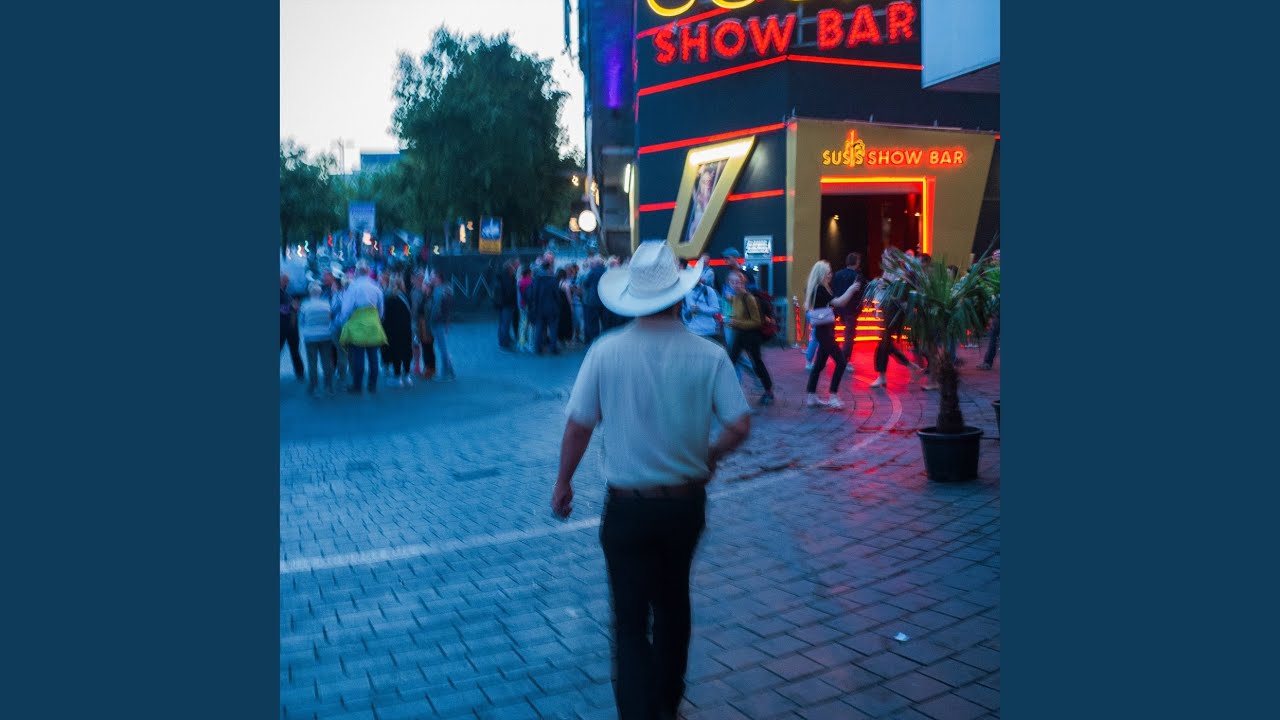



Streets of Gloria (2024) by Felipe Sholl
- DailyEntertainmentWorld

- 9 hours ago
- 11 min read
BR | FR | AR | 2024 | 103 min | Drama
Rio Turns Desire Into Something Dangerous
Gabriel arrives in Rio de Janeiro carrying grief, secrecy and a life he has never completely allowed himself to live. A young gay man from a wealthy family, he enters the city intending to study the lives of sex workers, but observation quickly gives way to participation when he becomes fascinated by Adriano, a male escort whose attraction pulls Gabriel deeper into Glória's nocturnal world.
Felipe Sholl transforms that attraction into something increasingly unstable. What begins as sexual liberation becomes emotional dependence, and when Adriano disappears, Gabriel's desire refuses to disappear with him. The search for the missing man gradually becomes a journey into obsession, sex work and a side of Rio that Gabriel can no longer observe from a comfortable distance.
➡️ Movie Insight: Streets of Gloria begins with desire as liberation and gradually reveals its capacity for destruction. Gabriel believes following attraction will bring him closer to himself. Instead, desire becomes the force that makes him lose control.
Why This Movie Matters Right Now: Queer Desire Is Allowed to Be Messy
Queer cinema has spent decades fighting for stories in which LGBTQ+ characters can simply love, survive and exist. Streets of Gloria pushes into another important territory: queer characters being complicated, sexual, obsessive, reckless and emotionally destructive without their behavior being reduced to a moral lesson about sexuality itself.
Gabriel's attraction to Adriano is therefore neither presented as a simple romantic awakening nor as punishment for being gay. It opens a world of pleasure and belonging while simultaneously exposing jealousy, dependency, loneliness and danger. The movie allows liberation and self-destruction to occupy the same emotional space.
➡️ Why It Matters: Streets of Gloria refuses to make queer desire emotionally safe simply because representation matters. Gabriel is allowed to want too much, make mistakes and become consumed by another person. That complexity gives the movie an adult understanding of desire rather than an idealized one.
Should You Watch It?: Come for the Erotic Charge and Stay for the Emotional Spiral
Streets of Gloria is for viewers comfortable with sexually explicit, psychologically messy adult drama. Felipe Sholl does not keep Gabriel's sexual awakening at a polite distance; sex, nightlife, drugs, bodies and transactional relationships are part of the environment through which Gabriel attempts to understand both Adriano and himself.
But the movie is not simply selling erotic provocation. Its real tension comes from watching pleasure gradually become dependency. Caio Macedo has to make Gabriel simultaneously vulnerable, frustrating and compelling as a man who keeps moving deeper into an obsession even when the warning signs become increasingly difficult to ignore.
➡️ Viewing Recommendation: Watch Streets of Gloria if you like provocative queer dramas where sex reveals character rather than simply decorating the story. Its strongest material sits between erotic drama, psychological obsession and urban mystery. This is desire presented as intoxicating, liberating and potentially dangerous.
Why Everyone Is Talking About It?: Festival Attention Turned a Provocative Queer Drama Into an International Discovery
Streets of Gloria developed momentum through the international festival circuit, where its combination of queer sexuality, psychological drama and Rio nightlife gave it a distinctive identity. Its recognition includes a Critics' Pick Best Film nomination at Tallinn Black Nights Film Festival and further attention through the Rio de Janeiro International Film Festival.
The awards profile eventually reached 3 wins and 5 nominations. Alejandro Claveaux won Best Supporting Actor and Diva Menner won Best Supporting Actress at the 2025 Rio de Janeiro International Film Festival, while Felipe Sholl received a Best Film nomination. Sholl also won the 2025 Septimius Award for Best American Film, while Claveaux later received a 2026 Cinema Brazil Grand Prize nomination for Best Supporting Actor.
➡️ Viral Potential: Streets of Gloria has the ingredients that generate strong conversation around provocative independent cinema: explicit sexuality, queer nightlife, obsession, sex work and a relationship audiences can argue about. Its emotional messiness makes Gabriel and Adriano difficult to reduce to heroes and villains. That ambiguity gives the movie more discussion value than a straightforward forbidden romance.
Why Streets of Gloria Stands Out: Sex Is Where Power Keeps Changing Hands
Gabriel initially enters the world of sex work from a position of privilege and observation. He can study other people's lives while imagining himself outside their vulnerabilities. His relationship with Adriano destroys that distance because attraction makes Gabriel emotionally invested in a world he previously believed he could examine objectively.
The disappearance of Adriano pushes the reversal further. Gabriel begins searching for answers but simultaneously becomes more entangled in the environment he entered as an outsider, eventually moving into sex work himself. Desire does not simply introduce him to another man; it destabilizes the boundary between the person studying the world and the people living inside it.
➡️ Cinema Insight: Streets of Gloria makes desire a force capable of reversing power. Gabriel moves from observer to participant and from emotional control to obsession. The transformation gives the film its most compelling tension because every step toward Adriano also takes Gabriel further away from the person he thought he was.
Movie Trend: Dangerous Desire — When Attraction Becomes Obsession
Dangerous Desire stories begin where conventional romances usually want audiences to feel safe: intense attraction. Chemistry feels irresistible, sex feels liberating and another person appears capable of unlocking something previously suppressed. The danger begins when attraction stops being one part of life and starts controlling everything else.
Streets of Gloria follows that trajectory through Gabriel. Adriano represents sex, freedom, mystery and access to a world Gabriel has never fully inhabited. Once Adriano disappears, Gabriel cannot simply return to his previous life because desire has already changed the way he sees himself. Attraction becomes pursuit, pursuit becomes obsession and obsession begins consuming the boundaries that once protected him.
➡️ Movie Trend: Dangerous Desire turns irresistible chemistry into emotional instability. The person who makes a character feel most alive can also become the person around whom everything else begins collapsing. Streets of Gloria captures that shift by allowing liberation and obsession to emerge from the same attraction.
Viewer Profile: Audiences Looking for Queer Cinema With Heat and Emotional Risk
The core audience is adult viewers drawn to international LGBTQ+ cinema, erotic drama and psychologically complicated relationships. Streets of Gloria is particularly suited to viewers who want queer characters portrayed inside adult worlds of sex, nightlife, jealousy, work, money and emotional contradiction.
A second audience comes from festival and arthouse viewers interested in contemporary Brazilian cinema. Rio is not simply a picturesque background; the city creates the social environment through which Gabriel encounters people and experiences unavailable within the more controlled life from which he arrives.
Audience Profile | Description |
Core Audience | LGBTQ+ cinema, erotic drama and psychological relationship-drama viewers |
Secondary Audience | International arthouse, Brazilian cinema and festival-film audiences |
Age Group | Primarily adult 18–49 audiences |
Gender | Broad adult audience with particularly strong LGBTQ+ appeal |
Income | Urban middle-income and culturally engaged film audiences |
Lifestyle | Cosmopolitan, nightlife-aware, culturally curious and comfortable with sexually provocative storytelling |
Viewing Habits | International cinema, queer films, erotic drama, psychological drama and festival discoveries |
➡️ Audience Insight: Streets of Gloria targets viewers who want queer cinema to move beyond simple representation into emotional complexity. Sex and desire are central, but they exist alongside grief, class, work and loneliness. That gives the movie appeal to audiences looking for provocative storytelling with psychological substance.
What This Movie Means for the Industry: Adult Queer Cinema Is Getting Bolder
International queer cinema is increasingly comfortable treating sexuality as something that can be shown rather than merely discussed. Streets of Gloria belongs to an adult filmmaking tradition where bodies, attraction and sexual behavior become legitimate parts of characterization rather than material that must automatically be softened for wider acceptance.
Its international production identity also matters. With Brazil, France and Argentina behind the film and a festival journey carrying it beyond its home market, Streets of Gloria demonstrates how distinctive local queer stories can travel when the emotional themes — desire, jealousy, grief, loneliness and obsession — remain universally recognizable.
➡️ Industry Insight: Queer cinema can expand by embracing complexity rather than making every character exemplary. Adult audiences can engage with protagonists who are sexually liberated, emotionally reckless and morally contradictory. Streets of Gloria shows how provocative local storytelling can become internationally relevant without losing its cultural identity.
Creative Analysis: Rio After Dark Becomes a Map of Desire
Felipe Sholl constructs Gabriel's journey around movement between different versions of Rio and different versions of himself. The city offers anonymity, community, sex and reinvention, giving Gabriel opportunities that his previous life could not provide.
As his obsession deepens, those possibilities become less liberating. Locations associated with discovery gradually acquire uncertainty and danger, allowing the city to mirror Gabriel's emotional movement from curiosity toward compulsion.
Storytelling: The Observer Becomes the Subject
Gabriel begins with the intellectual distance of someone who believes he can study a world without becoming part of it. That premise immediately creates tension because his personal desires make genuine detachment impossible.
His relationship with Adriano collapses the distinction completely. When Adriano vanishes and Gabriel begins searching for him, the investigation forces Gabriel further into the lives and experiences he initially approached from the outside.
Direction: Felipe Sholl Refuses to Make Desire Comfortable
Sholl treats sexual attraction as immediate and physical rather than romanticizing it into something safer. That directness establishes why Gabriel finds Adriano and the world surrounding him so difficult to resist.
The same approach makes later emotional instability more convincing. If audiences understand the intensity of Gabriel's attraction, they can understand why losing access to Adriano creates such a powerful psychological vacuum.
Performances: Caio Macedo Makes Obsession Look Vulnerable
Caio Macedo's Gabriel needs to remain emotionally accessible even when his decisions become increasingly self-destructive. The performance works through the contradiction between someone discovering freedom and someone becoming dangerously dependent upon that discovery.
Alejandro Claveaux gives Adriano the attraction and ambiguity necessary for Gabriel's fixation to make sense. Diva Menner's Mônica helps expand the film beyond the central relationship by giving the Glória environment its own social presence and emotional texture.
Visual Style: Rio Is Seductive Before It Becomes Dangerous
The nightlife spaces of Glória allow the film to surround Gabriel with movement, bodies, color and encounters. The environment initially feels like an invitation into a freer version of life.
That seduction is important because the film's danger does not arrive from somewhere completely separate. Pleasure and threat occupy many of the same spaces, making Gabriel's inability to distinguish liberation from self-destruction increasingly significant.
Themes: Desire, Grief and the Need to Belong
Gabriel arrives in Rio after a major personal loss, meaning his attraction to Adriano develops while he is already emotionally vulnerable. Desire therefore becomes connected not only to sex but also to grief, reinvention and the need to attach himself to something new.
The community around Glória offers another form of belonging. Gabriel's journey is not only toward Adriano but toward people and experiences through which he can explore parts of himself that had previously remained hidden.
What Makes It Different: Sex Work Changes the Rules of Romance
Adriano's work complicates every assumption Gabriel might normally make about intimacy. Sex can be commercial, pleasurable, affectionate, strategic or emotionally meaningful, and those possibilities do not always remain neatly separated.
Gabriel's eventual movement into sex work makes the theme even more complicated. The world he once approached through Adriano becomes something he experiences directly, forcing the movie to examine desire from both sides of the transaction.
➡️ Creative Insight: Streets of Gloria uses sex to expose changing relationships between desire, money and emotional power. Gabriel enters Rio believing he can observe those dynamics from the outside. His obsession with Adriano destroys that illusion and turns intellectual curiosity into lived experience.
If You Liked Streets of Gloria (2024): More Queer Stories Where Desire Gets Complicated
These films connect with Streets of Gloria through queer sexuality, emotional dependency, dangerous attraction and characters whose search for intimacy leads them into relationships where pleasure and vulnerability become difficult to separate.
Night Stage (2026) by Filipe Matzembacher and Marcio Reolon: Desire Becomes an Addiction to Risk
A rising actor and a closeted politician begin a secret affair and discover a shared attraction to sex in public places. As professional ambition increases, their sexual relationship becomes increasingly connected to the possibility of exposure.
➡️ Why It Connects: Night Stage shares Streets of Gloria's interest in queer desire that refuses to remain safe or private. Both films use Brazilian urban nightlife to connect sexuality with secrecy, power and escalating risk. Attraction becomes exciting precisely because the characters know it can destabilize everything around them.
Baby (2025) by Marcelo Caetano: Protection and Exploitation Become Impossible to Separate
After leaving juvenile detention, Wellington finds himself alone on the streets of São Paulo until he meets Ronaldo, an older sex worker who teaches him how to survive. Their relationship develops into a complicated mixture of affection, jealousy, protection, exploitation and desire.
➡️ Why It Connects: Baby and Streets of Gloria both place queer relationships inside the world of sex work without reducing that world to a simple moral warning. Money, survival and intimacy continually overlap. Both films are interested in what happens when emotional attachment develops inside relationships where power was unequal from the beginning.
Sauna (2025) by Mathias Broe: Sexual Freedom Meets Emotional Vulnerability
Johan is immersed in Copenhagen's gay nightlife when he meets William, a transgender man. Their relationship pushes both characters beyond uncomplicated sexual freedom and toward questions of intimacy, identity, belonging and the pressures placed on queer relationships.
➡️ Why It Connects: Sauna shares Streets of Gloria's willingness to place sex directly inside its emotional storytelling. Both films explore nightlife as a space where liberation can create unexpected vulnerability. Their characters discover that being sexually free does not necessarily make emotional relationships easier to navigate.
➡️ If You Liked Insight: Night Stage turns desire into risk, Baby mixes intimacy with survival and Sauna explores the vulnerability underneath sexual freedom. Streets of Gloria connects all three through characters who discover that liberation does not protect them from emotional consequences. Together they represent a bolder wave of queer cinema where desire is allowed to be pleasurable, complicated and dangerous.
Final Verdict: Desire Opens the Door and Obsession Refuses to Let Gabriel Leave
Streets of Gloria begins like a story of liberation. Gabriel leaves behind repression, enters Rio's queer nightlife and discovers people, sex and possibilities that make another version of his life imaginable. Adriano initially appears to be part of that awakening.
But Felipe Sholl gradually turns liberation into something darker. Gabriel does not simply fall for Adriano; he reorganizes himself around the relationship and then around Adriano's absence. What makes the film compelling is the refusal to draw a clean boundary between the desire that frees Gabriel and the obsession that threatens to destroy him.
➡️ Final Verdict: Streets of Gloria is a sexually provocative queer drama with psychological danger underneath its erotic surface. Caio Macedo gives Gabriel's descent enough vulnerability to make even his worst decisions emotionally revealing. Its strongest idea is also its simplest: the desire that makes someone feel most alive can become the desire that takes over everything.
Quick Facts: Streets of Gloria at a Glance
Quick Fact | Details |
Original Title | Ruas da Glória |
Director | Felipe Sholl |
Screenplay | Felipe Sholl |
Lead Cast | Caio Macedo, Alejandro Claveaux, Diva Menner |
Key Cast | Alan Ribeiro, Jade Sassará, Sandro Aliprandini, Maria Eduarda de Carvalho, Rafael d'Avila |
Countries | Brazil, France, Argentina |
Year | 2024 |
Runtime | 103 minutes |
Genre | Drama |
Languages | Portuguese, Spanish |
Central Characters | Gabriel and Adriano |
Festival Profile | International festival circuit including Tallinn Black Nights and Rio de Janeiro International Film Festival |
Awards & Recognition | 3 wins & 5 nominations, including Rio de Janeiro International Film Festival acting wins, Septimius Award recognition, Tallinn Black Nights nomination and Cinema Brazil Grand Prize nomination |
Movie Trend | Dangerous Desire — When Attraction Becomes Obsession |
Central Character | Gabriel |
Core Conflict | Gabriel's relationship with escort Adriano develops into an obsession that intensifies after Adriano disappears |
Creative Hook | Queer erotic drama that transforms sexual liberation into an obsessive psychological journey |
Core Themes | Desire, obsession, grief, sex work, identity, loneliness, jealousy, belonging, emotional dependency |
Why Watch | Provocative queer storytelling, Caio Macedo and Alejandro Claveaux's central relationship, Rio nightlife and the film's collision between sexual freedom and emotional danger |
Final Insights: Dangerous Desire Is Making Romance Messier Again
Dangerous Desire stories challenge the idea that powerful chemistry automatically leads somewhere healthy. They begin with the seductive fantasy of surrendering completely to attraction and then examine what happens when surrender becomes dependency. That makes them especially effective in contemporary adult cinema, where audiences increasingly expect relationships to contain contradictions rather than fit clean romantic formulas.
Streets of Gloria gives that trend a distinctly queer and Brazilian identity. Gabriel's attraction to Adriano helps him cross boundaries that once restricted him, but the same attraction eventually makes boundaries almost impossible to maintain. Desire is therefore neither villain nor salvation; it is the destabilizing force that changes Gabriel and leaves him unable to return unchanged.
➡️ Final Insight: Dangerous Desire works because attraction and danger emerge from the same emotional source. Streets of Gloria shows how liberation can become dependency when another person starts defining your sense of freedom. The movie leaves behind a provocative question: what happens when finally allowing yourself to want something makes it impossible to know when you have wanted too much?

Comments