




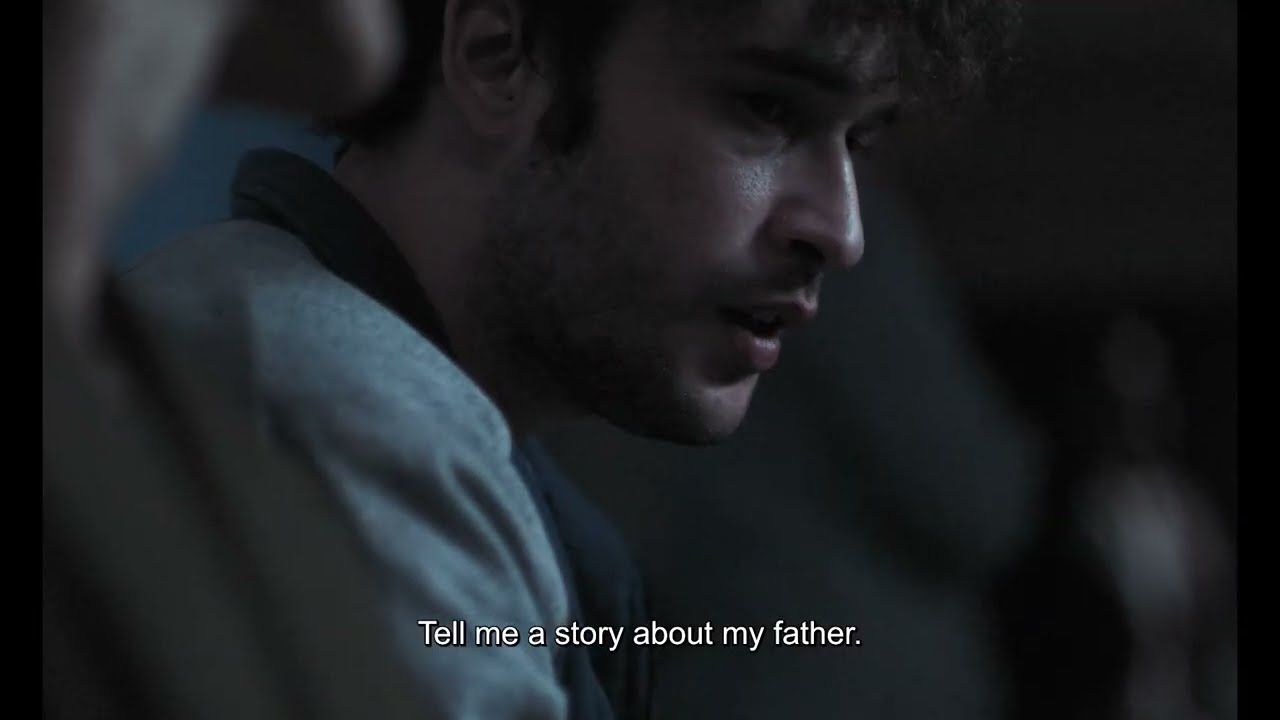
Hotel Excelsior (2026) by Talkhon Hamzavi, Jessy Moravec and Liliane Ott

Switzerland | 2026 | 75 min | Anthology Drama / Historical Social Drama
One Hotel Room, Four Eras: Women's Struggles for Justice, Survival and Independence Across a Century
In Hotel Excelsior (2026), a single hotel room becomes the setting for four stories unfolding across different historical periods, revealing how personal struggles and social expectations change over time. In the 1920s, a Jewish businessman attempts to escape his past while his daughter seeks justice. During the 1970s, a suicidal woman encounters help at a moment of emotional crisis. In the 1990s, a rock band revisits a space associated with its gilded cage, confronting the contradictions of its past. In the present day, an Iranian woman and a sex worker devise a con, introducing themes of survival, independence and personal agency. Directed by Talkhon Hamzavi, Jessy Moravec and Liliane Ott, the Swiss anthology connects these different experiences through a shared location, examining vulnerability, power and the struggle to regain control over one's circumstances.
➡️ Storyline: One Hotel Room → 1920s: Justice → 1970s: Crisis and Support → 1990s: Confinement → Present: Survival and Deception → Changing Social Conditions → Search for Independence.
Why to Watch Hotel Excelsior: Four Stories About Power, Vulnerability and Personal Freedom
Hotel Excelsior combines historical storytelling with contemporary social themes, using four narratives and a recurring hotel room to explore how individuals confront injustice, emotional distress and unequal power across different generations.
Reason to Watch | Detail |
1. Three Female Directors | Talkhon Hamzavi, Jessy Moravec and Liliane Ott collaborate on an anthology exploring different historical periods and personal experiences. |
2. Ensemble Performances | Robert Hunger-Bühler, Annina Butterworth, Maral Keshavarz and other performers bring together characters facing contrasting social and emotional circumstances. |
3. Women's Struggles for Agency | The stories of a daughter seeking justice, a woman in emotional crisis and women navigating deception offer different perspectives on vulnerability and personal control. |
4. One Hotel Room Across Four Eras | The recurring location connects the 1920s, 1970s, 1990s and present day, highlighting changes in social circumstances and individual experiences. |
5. Compact Anthology Storytelling | Four narratives within 75 minutes create a concentrated exploration of personal struggles, historical change and the pursuit of dignity. |
➡️ Reason to Watch: A Swiss anthology drama that uses one hotel room across four eras to explore vulnerability, unequal power and the search for personal independence, with several stories centered on women's experiences.
Why Hotel Excelsior Stands Out: One Room Reveals Changing Forms of Power and Vulnerability
Hotel Excelsior distinguishes itself through a storytelling structure in which the physical setting remains constant while the characters, historical periods and social conditions change. The hotel room becomes a witness to personal crises involving justice, emotional distress, artistic confinement and survival. Several narratives place women in situations where their choices are shaped by difficult circumstances, creating opportunities to examine agency and unequal power across generations. The contrast between different decades adds historical perspective, suggesting that although social expectations evolve, struggles for dignity and personal control remain recognizable. By combining separate narratives within a shared space, the film creates thematic continuity without requiring its characters to belong to the same storyline.
➡️ Why It Stands Out: A single hotel room connects four historical periods, revealing how struggles for independence, dignity and control take different forms across generations.
Movie Trend: Female-Centered Anthology Dramas — Women's Experiences Reveal Different Forms of Power and Independence
Female-Centered Anthology Dramas bring together distinct stories to explore women's experiences, choices and struggles across different social environments. Hotel Excelsior reflects this trend through several female characters confronting injustice, emotional crisis and difficult decisions. The daughter seeking accountability in the 1920s, the woman receiving unexpected help in the 1970s and the Iranian woman pursuing a risky opportunity in the present represent different expressions of agency and vulnerability. Although not every episode centers on a woman, the film's shared setting allows these experiences to be considered alongside changing historical expectations. Its anthology structure creates a broader perspective on how women's struggles for independence and dignity can take different forms across generations.
➡️ Movie Trend Insight: Female-Centered Anthology Dramas connect different women's experiences to explore how power, vulnerability and personal agency evolve across changing social conditions.
Broad Trend: Female Empowerment — Women Challenge Limitations and Seek Control Over Their Lives
Female Empowerment reflects the pursuit of autonomy, dignity and the ability to make independent choices despite social restrictions and unequal power. In Hotel Excelsior, several women confront circumstances that limit their freedom or emotional security. The daughter seeking justice represents a demand for accountability, while the woman experiencing a suicidal crisis encounters support during a moment of extreme vulnerability. In the contemporary storyline, an Iranian woman's involvement in a planned con introduces a morally complicated attempt to improve her financial circumstances. These stories do not present empowerment as a simple victory; instead, they reveal how the search for independence can involve difficult choices, uncertainty and dependence on others. The film connects individual struggles with wider questions about women's agency across different historical periods.
➡️ Broad Trend Insight: Female Empowerment is not always represented through triumph; it can emerge through difficult decisions, demands for justice and attempts to reclaim control in restrictive circumstances.
Viewer Profile: Audiences Interested in Women's Stories, Historical Change and Social Drama
Hotel Excelsior is likely to appeal to audiences interested in European independent cinema, anthology storytelling and films examining women's experiences across different historical periods. Its combination of personal crises, social tensions and a recurring location offers a distinctive narrative structure for viewers who appreciate character-driven and socially conscious dramas. These profiles are editorial interpretations rather than verified demographic research.
Profile | Audience Insight |
Core Audience | European independent cinema viewers, anthology film enthusiasts and audiences interested in female-centered social dramas |
Age / Generation | Adult audiences interested in historical storytelling, personal struggles and social change |
Lifestyle | Interested in cinema, cultural history, gender equality, social justice and psychological storytelling |
Cinema Taste | Anthology dramas, historical social films, independent European cinema and character-driven narratives |
Story Motivation | Discovering how individuals confront injustice, vulnerability and restrictions across four historical periods |
Discovery Mindset | Unconventional film structures, emerging European cinema, female perspectives and socially relevant storytelling |
Emotional Driver | Empathy, justice, independence, dignity and the desire for personal control |
Key Profiles: Three Audiences, Three Reasons to Watch
1. Female-Centered Cinema Enthusiasts
Viewers interested in stories examining women's agency, personal choices and unequal social conditions. Several episodes offer perspectives on how women respond to vulnerability, injustice and difficult circumstances across generations.
2. Historical and Social Drama Audiences
Audiences attracted to films connecting personal experiences with wider social contexts. The four historical periods provide opportunities to consider how social expectations, relationships and individual freedoms change over time.
3. Anthology and Independent Cinema Viewers
Viewers who appreciate unconventional narrative structures and compact storytelling. The recurring hotel room and mysterious concierge connect separate stories through a shared location and thematic continuity.
➡️ Audience Insight: Hotel Excelsior combines female perspectives, historical change and anthology storytelling, appealing to viewers interested in personal agency, social inequality and emotionally challenging narratives.
What This Movie Means for the Industry: Anthology Cinema Creates Space for Diverse Female Perspectives
Hotel Excelsior demonstrates how anthology filmmaking can bring together different perspectives within a single feature, using a shared location to connect stories that would otherwise remain separate. Its collective creative approach allows the film to explore justice, emotional distress, artistic confinement and financial independence across different historical periods. Several female characters provide opportunities to examine agency and unequal power without requiring a conventional single-protagonist narrative. The film also forms part of a wider transmedia project, suggesting how a distinctive setting can support multiple stories and creative formats. Its screening at the 2026 Solothurn Film Festival establishes festival exposure, but the available evidence does not demonstrate broader commercial demand for this storytelling approach.
Kalliopeia GmbH+2
➡️ Industry Insight: Anthology filmmaking offers opportunities to explore diverse female experiences through multiple perspectives, while recurring settings can create thematic continuity across otherwise independent narratives.
Final Verdict: A Swiss Anthology About Women's Agency, Social Change and Human Vulnerability
Hotel Excelsior (2026) is a compact Swiss anthology drama that uses one hotel room to connect four stories across a century. Its historical structure explores changing social conditions, with several narratives examining women's experiences of injustice, emotional vulnerability and the pursuit of independence. The film's distinctive setting and collective filmmaking approach provide an unconventional perspective on personal struggles, although its 75-minute runtime may leave limited space for developing each storyline in depth.
➡️ Final Verdict: Hotel Excelsior transforms one hotel room into a witness to changing social conditions and recurring struggles for personal freedom. Its female-centered narratives offer perspectives on justice, vulnerability and independence without presenting empowerment as a straightforward victory. The film is particularly suited to viewers interested in European independent cinema, historical social dramas and unconventional anthology storytelling.
Final Insights: Women's Empowerment Takes Different Forms Across Generations
The Female Empowerment trend reflects the continuing importance of autonomy, dignity and personal agency across different social and historical circumstances. Hotel Excelsior explores these themes through women confronting injustice, emotional crisis and difficult choices within a shared setting.
The Female-Centered Anthology Dramas trend allows these experiences to be explored through multiple characters rather than one continuous narrative. By connecting separate stories across a century, the film reveals how the struggle for independence changes with circumstances while retaining familiar human motivations. Empowerment is not defined by a single outcome, but by the continuing effort to reclaim dignity and control over one's life.
➡️ Final Insight: Female Empowerment → Female-Centered Anthology Dramas → Women's Agency Across Generations. Hotel Excelsior connects historical and contemporary stories through recurring struggles for independence, dignity and personal choice. The creative opportunity lies in using anthology storytelling to reveal diverse experiences of empowerment across different social realities.
Comments