


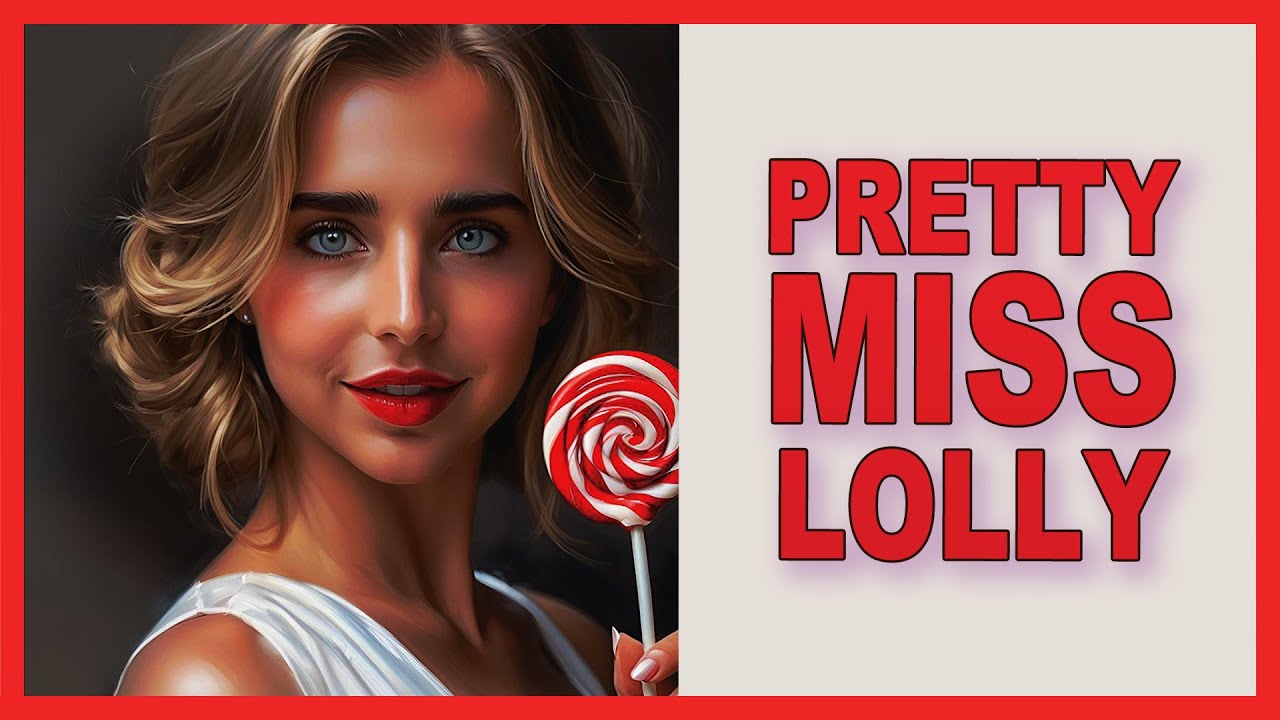

Pretty Miss Lolly (2025) by Dave Knapp
- DailyEntertainmentWorld

- 7 hours ago
- 11 min read
US | 2025 | 95 min | Drama
When an Online Romance Becomes a Real-World Search
Pretty Miss Lolly turns one of the defining contradictions of modern romance into a cross-country journey: technology makes meeting someone easier than ever, but knowing whether that connection is genuine can be much harder. Roy Kirk is lonely and still affected by the isolation of the pandemic when he becomes captivated by Lolly, a woman he encounters through a paid website of questionable origin.
Instead of allowing the relationship to remain behind a screen, Roy sets out across the country to find her. Digital attraction becomes physical movement, transforming his need for connection into a romantic odyssey where hope, loneliness and uncertainty increasingly overlap.
➡️ Movie Insight: Pretty Miss Lolly turns online romance into a physical search for human connection. Roy's journey shows how loneliness can make a distant digital relationship feel intensely real. The road becomes a test of whether online desire can survive contact with reality.
Why This Movie Matters Right Now: Digital Connection Is Changing Romantic Belief
Relationships increasingly begin before two people ever occupy the same physical space. Profiles, messages, photographs and online conversations can create emotional intimacy quickly, but they can also leave enormous gaps that people fill with expectation and imagination. Pretty Miss Lolly explores what happens when someone begins believing in that connection strongly enough to reorganize real life around it.
The post-pandemic dimension makes Roy's behavior more emotionally understandable. His pursuit of Lolly is not simply about romance; it represents a desire to escape isolation and recover meaningful human contact. The movie connects online dating with a deeper contemporary tension between being constantly digitally connected and still feeling profoundly alone.
➡️ Why It Matters: Pretty Miss Lolly reflects a world where emotional attachment can develop before physical intimacy ever begins. Digital relationships can feel completely authentic even when important parts of the other person remain uncertain. The film explores what happens when the need to believe in connection becomes stronger than skepticism.
Should You Watch It?: An Unconventional Road Drama About Digital Desire
Pretty Miss Lolly is suited to viewers who prefer unusual independent relationship dramas over polished mainstream romance. Its central attraction is the increasingly strange combination of an emotionally vulnerable protagonist, an uncertain online connection and a journey driven by Roy's determination to turn that connection into something real.
The road-movie structure keeps the premise moving beyond screens and messages. What begins as online attraction becomes a series of physical decisions, allowing viewers to follow Roy deeper into a situation where romantic commitment, desperation, optimism and questionable judgment become increasingly difficult to separate.
➡️ Viewing Recommendation: Watch Pretty Miss Lolly for an unusual independent take on loneliness, online attraction and romantic idealization. It is particularly suited to viewers comfortable with awkward protagonists and unpredictable journeys. Its strongest entertainment hook is discovering how far Roy will go to turn a digital connection into a real relationship.
Why Everyone Is Talking About It?: A Romance Built for the Internet Age
The premise creates an immediate conversation because it starts with a recognizable contemporary anxiety: how well can anyone really know a person encountered online? Pretty Miss Lolly pushes that uncertainty further by making Roy act on the relationship physically, crossing the country rather than leaving his feelings safely contained within the digital world.
That makes his behavior open to interpretation. Some viewers may see determination and romantic hope, while others may see loneliness, naïveté or obsession. The film's strongest conversation hook comes from that ambiguity because audiences are invited to decide when pursuing a connection stops being romantic and begins becoming something more troubling.
➡️ Viral Potential: The premise naturally creates conversations about online dating, loneliness and how far someone should go for a person they barely know offline. Roy's decisions invite immediate audience judgment. That combination of romance, uncertainty and second-hand discomfort gives the movie strong discussion potential.
Why Pretty Miss Lolly Stands Out: The Internet Romance Becomes a Road Movie
Many contemporary films about uncertain online relationships remain attached to phones, messages, social platforms and screens. Pretty Miss Lolly makes a more cinematic choice by sending Roy into the physical world, turning virtual desire into movement across America.
That creates the movie's defining contradiction. Roy wants to escape isolation through a relationship created inside the same digital environment where fantasy can easily become indistinguishable from reality. The further he travels physically, the more the movie tests whether the emotional destination he has imagined actually exists.
➡️ Cinema Insight: Pretty Miss Lolly combines digital-age romance with the traditional structure of the American road movie. The screen creates the romantic possibility, but the journey forces Roy toward physical reality. That contrast gives the familiar cinematic search for love a distinctly contemporary form.
Movie Trend: Online Romance Drama — When Digital Love Becomes a Real-World Search
Online Romance Drama reflects a culture in which relationships increasingly begin through dating apps, websites, social platforms and other digital spaces. These stories use romance to explore authenticity, loneliness, idealization and the difficulty of knowing when an emotional connection created online corresponds with reality.
Pretty Miss Lolly fits this trend particularly well because the online relationship does not merely introduce the characters; it creates the entire journey. Roy's decision to cross the country looking for Lolly turns virtual attraction into a real-world quest and makes the uncertainty surrounding digital intimacy the engine of the story.
➡️ Movie Trend: Online Romance Drama turns digital connection into emotional storytelling with real-world consequences. These movies explore what happens when relationships formed through screens begin influencing physical decisions and personal identity. Pretty Miss Lolly pushes that idea into a literal journey across America.
Viewer Profile: Unconventional Romance Viewers Looking for an Unpredictable Journey
Pretty Miss Lolly is primarily for Unconventional Romance Viewers who want relationship stories that move beyond predictable dating and romantic-comedy formulas. The entertainment comes from following a socially isolated character as he commits increasingly strongly to an uncertain emotional connection and discovering where that decision takes him.
It should also connect with Digital-Life Drama Viewers interested in how online behavior changes relationships offline. The questionable website, uncertainty surrounding Lolly and Roy's willingness to trust the connection make the movie especially relevant for audiences interested in internet-era loneliness, romantic idealization and the blurred boundary between virtual and physical relationships.
Audience Profile | Description |
Core Audience | Unconventional Romance Viewers — audiences looking for unusual and unpredictable relationship stories rather than conventional romance |
Secondary Audience | Digital-Life Drama Viewers — viewers interested in online relationships, loneliness and contemporary forms of connection |
Age Group | Primarily adult viewers familiar with online dating and relationships beginning through digital platforms |
Gender | Broad appeal, particularly for audiences interested in character-driven relationship drama |
Income | Broad independent-film audience; subject interest matters more than socioeconomic profile |
Lifestyle | Digitally connected viewers familiar with online dating, social platforms and relationships moving between virtual and physical spaces |
Viewing Habits | Choose independent dramas for unusual premises, flawed characters, awkward situations and stories that create conversation after viewing |
➡️ Audience Insight: Pretty Miss Lolly works best for viewers who want romance to feel strange, uncertain and unpredictable. Its road-trip structure gives the online relationship story more movement than a conventional digital-dating drama. The strongest audience hook is discovering how far Roy will take a connection that began behind a screen.
What This Movie Means for the Industry: Digital Relationships Are Becoming Story Worlds
Cinema has spent years using phones, apps and social media as supporting devices, but the mechanics of digital relationships are increasingly becoming stories themselves. Dating platforms, manufactured identities, online communities and technologically mediated attraction give filmmakers new ways to explore familiar subjects such as romance, loneliness, jealousy and obsession.
Pretty Miss Lolly demonstrates how independent filmmakers can use those behaviors without making technology itself the spectacle. The real subject remains human vulnerability. The website simply becomes the mechanism through which Roy's need for connection grows powerful enough to send him into the physical world.
➡️ Industry Insight: Digital life is becoming an increasingly natural source of relationship storytelling. The strongest movies use technology to expose recognizable emotional needs rather than treating screens as novelty. Online romance gives independent filmmakers an accessible way to explore intimacy, loneliness and authenticity through contemporary behavior.
Creative Analysis: Turning Digital Longing Into a Physical Odyssey
Writer-director Dave Knapp builds Pretty Miss Lolly around a simple contradiction: Roy wants something deeply human—love and companionship—but searches for it through a relationship whose foundations remain uncertain. Jacob Sola plays Roy Kirk, while Rebecca Stoughton plays Lolly, the woman around whom his hopes become increasingly concentrated.
The physical journey gives that emotional idea cinematic movement. Instead of trapping Roy inside digital communication, the film allows the consequences of his online attachment to unfold across actual places, encounters and decisions.
Storytelling: A Search for Someone Roy Barely Knows
The screenplay gives Roy an easily understandable objective: find Lolly. What complicates that goal is how uncertain his knowledge of her remains, creating tension between the simplicity of what he wants and the questionable assumptions motivating the journey.
The nationwide search turns what could have been a contained online-relationship story into a physical odyssey. Every movement forward represents Roy becoming more committed to an emotional idea whose relationship with reality remains uncertain.
Direction: Keeping the Story Close to Roy's Perspective
Knapp keeps Roy's emotional commitment at the center rather than turning the movie primarily into an investigation of the website itself. The important dramatic question becomes not simply whether Roy can find Lolly, but why finding her has become so important to him.
That allows romantic longing and questionable judgment to exist simultaneously. Roy does not have to behave completely rationally for his underlying desire to escape loneliness to remain recognizable.
Performances: Making Awkwardness Part of the Experience
Jacob Sola carries the movie through Roy's emotional investment in the search. The character needs to sustain a journey driven by hope while also allowing audiences to question whether his determination is becoming increasingly disconnected from reality.
Rebecca Stoughton's Lolly occupies a very different position. She is both the woman Roy wants to find and an idealized figure onto whom he can project his expectations, making the imbalance between what Roy feels and what he actually knows central to the movie.
Visual Style: Taking an Online Relationship Into the Physical World
The road structure creates a visual contrast between the contained digital origin of Roy's relationship and the physical scale of his search. Instead of remaining trapped within devices and messages, his desire moves through landscapes, locations and encounters.
That movement gives the film's imagery narrative meaning. Every new place emphasizes the distance Roy is willing to travel for something that originally existed only through a screen.
Themes: Loneliness, Idealization and Online Authenticity
Loneliness provides the emotional foundation of Pretty Miss Lolly. Roy's post-pandemic isolation makes his attraction to Lolly part of a larger hunger for meaningful human connection rather than merely a conventional romantic pursuit.
Idealization becomes equally important. Digital relationships leave spaces that imagination can fill, and Roy's journey pushes that tendency toward an extreme. The more emotionally important Lolly becomes, the more the film asks whether Roy is searching for a real person or for everything he needs that person to represent.
What Makes It Different: The Search Leaves the Screen
The film's most distinctive creative choice is transforming an online-romance premise into a physical journey. Instead of concentrating exclusively on messages, deception or digital investigation, Pretty Miss Lolly explores what happens when someone acts completely on an emotional attachment created online.
That makes the road itself part of the movie's meaning. Digital relationships may begin without physical proximity, but Roy ultimately wants something a screen cannot provide: the presence of another person.
➡️ Creative Insight: Pretty Miss Lolly finds its identity by combining internet-age loneliness with an old-fashioned cinematic journey. Its central tension comes from watching physical commitment grow from an uncertain digital relationship. The movie turns the distance between online fantasy and offline reality into the road Roy must literally travel.
If You Liked Pretty Miss Lolly (2025): Modern Movies About Love, Technology and Connection
These recent films explore the same emerging tension between romantic desire and the systems increasingly shaping how people meet, connect and decide whom to trust. Each approaches digital-era intimacy differently, from matchmaking and online identity to relationships whose apparent authenticity becomes increasingly uncertain.
Materialists (2025) by Celine Song: When Finding the Perfect Match Becomes a System
A professional New York matchmaker spends her life evaluating relationships through compatibility, status and carefully calculated expectations until her own romantic choices become much harder to organize. Like Pretty Miss Lolly, the film explores what happens when systems designed to help people find love collide with emotions that cannot easily be calculated.
➡️ Why It Connects: Both films examine the gap between the idea of a perfect romantic connection and the unpredictability of actual relationships. Materialists approaches the subject through professional matchmaking, while Pretty Miss Lolly begins with an uncertain online platform. Together they show modern romance caught between systems designed to organize desire and emotions that refuse to follow those systems.
Love Me (2025) by Andrew Zuchero and Sam Zuchero: When Connection Begins Online
After humanity disappears, two machines discover each other and use the remnants of the internet to understand identity, intimacy and love. Its science-fiction framework is radically different from Pretty Miss Lolly, but both films explore whether a relationship constructed through digital information can develop into something emotionally authentic.
➡️ Why It Connects: Both movies treat the internet as a space where longing can become identity. Love Me explores digital intimacy through science fiction, while Pretty Miss Lolly grounds the same tension in contemporary human loneliness. Both ultimately ask whether a connection created through screens can become something genuine beyond them.
Companion (2025) by Drew Hancock: When the Perfect Relationship Is Artificial
Companion takes technologically engineered intimacy into darker genre territory, centering a relationship whose apparent perfection conceals manipulation, programming and control. Where Pretty Miss Lolly questions what might exist behind an uncertain online connection, Companion asks what happens when romantic authenticity itself can be manufactured.
➡️ Why It Connects: Both films turn contemporary relationship uncertainty into a question of authenticity. Pretty Miss Lolly approaches that anxiety through online romance and isolation, while Companion pushes it into science-fiction horror. Each asks whether emotional belief can survive discovering how an apparently intimate connection was actually constructed.
➡️ If You Liked Insight: These films show how contemporary romance is increasingly shaped by systems, screens and technologies that promise connection. Each turns the search for another person into a larger question about authenticity and emotional choice. Pretty Miss Lolly belongs naturally to this shift by making an uncertain digital connection powerful enough to send someone into the physical world searching for it.
Final Verdict: A Digital Romance That Refuses to Stay Online
Pretty Miss Lolly takes a recognizable contemporary experience—forming an emotional attachment through a screen—and pushes it toward an extreme physical conclusion. Roy's nationwide pursuit transforms loneliness into movement and online attraction into a commitment whose romantic sincerity remains inseparable from uncertainty.
Its strongest idea is ultimately simple: people still want genuine human connection even when the technologies helping them find it make authenticity more difficult to recognize. Roy's search explores what happens when the desire to believe becomes stronger than the instinct to remain cautious.
➡️ Final Verdict: Pretty Miss Lolly is an unconventional independent drama about what happens when online desire becomes impossible to contain behind a screen. Its combination of loneliness, romantic idealization and road-movie movement gives the familiar search for love a contemporary digital complication. Watch it for the strange emotional journey rather than a conventional romance.
Quick Facts: Pretty Miss Lolly at a Glance
Quick Fact | Details |
Director | Dave Knapp |
Screenplay | Dave Knapp |
Lead Cast | Jacob Sola, Rebecca Stoughton |
Key Cast | Preston Tyler Ward, Kelvin Garvanne, Joelle Faden |
Country | US |
Year | 2025 |
Runtime | 95 min |
Genre | Drama |
Language | English |
Cinematography | Denis Sobolev |
Editing | Denis Sobolev |
Music | Zahar Verbytskyi |
Producer | Denis Sobolev |
Executive Producer | Dave Knapp |
Awards & Recognition | Innuendo International Film Festival — Best Editing |
Movie Trend | Online Romance Drama — When Digital Love Becomes a Real-World Search |
Central Character | Roy Kirk |
Core Conflict | A lonely man crosses the country pursuing a woman he knows through an uncertain online relationship |
Creative Hook | A digital romance transformed into a physical road journey |
Core Themes | Loneliness, online intimacy, romantic idealization, authenticity, post-pandemic isolation |
Why Watch | An unconventional road drama about how far someone might go to turn virtual connection into real-world love |
Final Insights: Online Love Is Becoming a New Kind of Movie Journey
Online romance is becoming more than a contemporary setting for traditional love stories. As relationships increasingly begin through platforms, profiles and digital communication, filmmakers have an entirely new emotional territory between meeting someone and truly knowing them—a space filled with projection, possibility, uncertainty and risk.
The future of Online Romance Drama lies in exploring what happens when virtual intimacy begins influencing physical decisions, personal identity and real-world behavior. Pretty Miss Lolly captures that shift by taking one of cinema's oldest romantic impulses—going in search of love—and giving the journey a distinctly digital starting point.
➡️ Final Insight: The internet has made finding someone easier while making certainty about connection more complicated. That contradiction is becoming fertile territory for contemporary relationship cinema. Pretty Miss Lolly turns it into something immediately cinematic: a virtual attraction that sends a lonely man onto a real road in search of something he desperately wants to believe is love.
Comments