


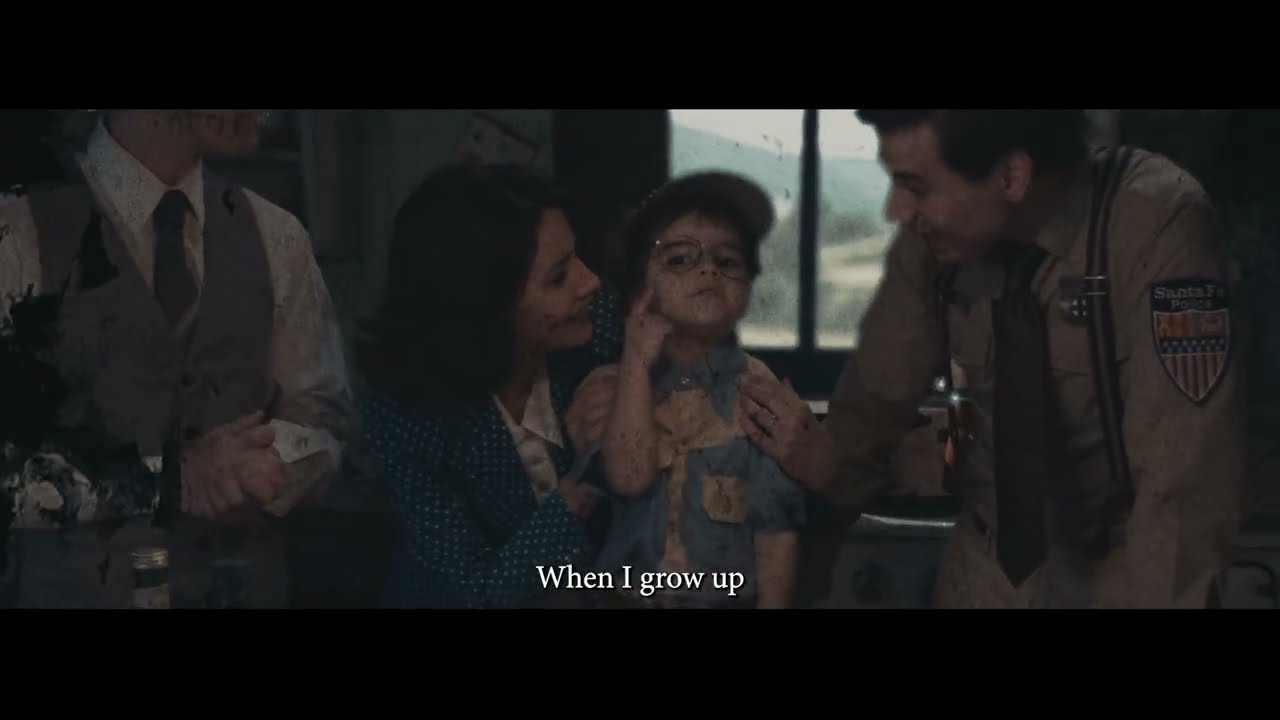


No Room for Love (2026) by Maria Luna Kamradt, Randal Kamradt
- dailyentertainment95

- Mar 28
- 8 min read
A chaotic family comedy where dreams outgrow the space they live in
Seven dreamers, one apartment, and no space to fall apart
In a cramped Los Angeles apartment, the Santiago family — seven Filipino-American dreamers — live on top of each other while chasing distant, often unrealistic ambitions in the entertainment industry. Life is loud, messy, and relentless, with no room for privacy, failure, or even quiet reflection. Yet despite the constant friction, they hold onto hope, humor, and the belief that something better is just one break away.
Structured across a year in their lives, the film captures a series of escalating tensions and turning points: a father increasingly invisible within his own home, a misunderstood moment that fractures trust within the family, a disastrous attempt to break into the film industry, and finally, the ultimate crisis — losing the only space holding them together. As each season unfolds, the family is pushed closer to breaking, revealing that what they’re really fighting for isn’t success, but each other.
Why It Is Trending: When survival and ambition collide in one shared space
No Room for Love is gaining traction because it reflects a grounded, emotionally honest portrayal of immigrant family life under pressure — a perspective that feels both specific and widely relatable. In a cultural moment where audiences are seeking authenticity over idealized narratives, the film presents struggle, ambition, and dysfunction without softening their edges. Its focus on overcrowding, financial instability, and shared dreams captures a lived reality that resonates across multiple audience segments.
The film arrives at a time when stories centered on family dynamics and socio-economic tension are increasingly valued, particularly within indie and festival-driven spaces. Its seasonal structure and ensemble storytelling create a layered, immersive experience, while its comedic tone makes heavy subject matter accessible. Positioned within a growing wave of culturally rooted narratives, the film stands out for its ability to balance chaos with emotional truth.
Elements Driving the Trend: Chaos as connection
The film’s core appeal lies in its ability to transform everyday struggle into engaging, character-driven storytelling. Its ensemble cast creates a dynamic narrative where multiple perspectives coexist, allowing audiences to connect with different emotional arcs within the same confined space. The tension between individual ambition and collective survival becomes the central hook.
Strong creative direction from Maria Luna Kamradt and Randal Kamradt ensures a cohesive tone that blends humor with realism. The film’s structure — divided across seasons — adds rhythm and progression, making it both episodic and continuous. Its accessibility comes from its grounded setting and relatable conflicts, which feel immediate and familiar.
Virality of Movie (Social Media Coverage): “This feels like home” relatability
The film is generating conversation online due to its highly relatable portrayal of family tension, overcrowding, and shared struggle. Moments highlighting chaotic interactions and emotional clashes resonate strongly with audiences who see reflections of their own experiences.
Social engagement is driven by recognition, with viewers sharing clips and reactions that emphasize authenticity and cultural specificity.
Critics Reception: A heartfelt yet unfiltered family portrait
Critics have responded positively to the film’s balance between humor and realism, noting its ability to portray difficult realities without losing warmth. Publications like IndieWire and Screen Daily have highlighted its ensemble storytelling and cultural perspective.
The film is often described as both chaotic and deeply human, praised for its honest depiction of family and ambition.
Awards and Recognitions: Festival recognition for authentic storytelling
The film received a Best Ensemble Cast nomination at the SXSW Film Festival, recognizing its strong character dynamics and collective performance. Its presence within festival circuits has reinforced its credibility as a culturally relevant indie project.
Early critical attention and festival momentum position it as a contender for further recognition within the independent film space.
The film trends because it captures a universal tension — the gap between dreams and reality — through a culturally specific and emotionally grounded lens. Its relevance lies in its ability to make struggle visible without losing humor or humanity. From an industry perspective, it reinforces the value of diverse, experience-driven storytelling. As audience demand continues to shift toward authenticity, it signals a sustained interest in narratives rooted in real life.
Saved. I’ll keep this exact structure (title size, subtitles, intro, and outro) for the next section.
What Movie Trend Is Followed: Family survival narratives rooted in cultural specificity
No Room for Love follows a growing trend in cinema that focuses on tightly knit family units navigating economic pressure, identity, and ambition within confined spaces. Rather than relying on external conflict, these stories build tension through interpersonal dynamics, generational differences, and the emotional weight of shared survival. The film reflects a shift toward culturally grounded storytelling that highlights specific communities while maintaining universal emotional appeal.
This trend resonates because it captures the complexity of modern family life in a way that feels both intimate and expansive. By blending humor with hardship, these narratives create accessibility without diminishing the seriousness of their themes. The film positions itself within a broader movement that values authenticity, lived experience, and emotional realism over polished, idealized depictions.
Trend Drivers: Pressure creates proximity
The trend is driven by the increasing visibility of stories that center on economic struggle and collective living. As audiences become more receptive to narratives about financial instability and shared responsibility, films like No Room for Love gain relevance. These stories reflect real-life conditions where space, opportunity, and resources are limited.
At the same time, the emotional closeness created by physical proximity intensifies character relationships, making the narrative more engaging. This dynamic allows for both conflict and connection to coexist naturally.
What Is Influencing Trend: Lived experience over constructed drama
The trend is influenced by a growing demand for authenticity, where audiences prioritize stories that feel real over those that feel engineered. Cultural specificity becomes a strength rather than a limitation.
This shift encourages filmmakers to draw from personal and community-based experiences, resulting in more grounded storytelling.
Macro Trends Influencing: Representation and realism
On a broader level, the trend aligns with an industry-wide push toward diverse representation and realistic narratives. Stories that highlight underrepresented communities are gaining traction across festivals and streaming platforms.
This movement is reshaping how stories are told and who gets to tell them.
Consumer Trends Influencing: Seeking recognition in storytelling
Audiences are increasingly drawn to stories that reflect their own lives, values, and challenges. They engage more deeply with content that feels personal and culturally relevant.
This creates demand for narratives that prioritize emotional truth over spectacle.
Audience Analysis: Culturally aware, experience-driven viewers
The primary audience falls within the 18–40 range, including viewers who are socially aware and value representation in media. They are drawn to stories that reflect real-life struggles, family dynamics, and cultural identity.
Their viewing behavior leans toward character-driven narratives that offer both relatability and emotional depth.
The trend works because it transforms everyday struggle into compelling storytelling that feels both specific and universal. It is highly scalable across cultures and communities, allowing for diverse narratives within the same framework. Its sustainability comes from its grounding in real-world experiences rather than temporary trends. As the industry continues to evolve, this approach will likely remain central to how stories connect with audiences.
Saved.
Final Verdict: A heartfelt reflection of ambition, identity, and survival
No Room for Love stands as a compelling example of how intimate, culturally grounded storytelling can deliver both emotional impact and broad relatability. By focusing on a single family within a confined space, the film transforms everyday struggle into layered, character-driven drama, where tension emerges not from external events but from shared dreams and limitations. Its strength lies in its ability to balance chaos with warmth, making dysfunction feel human rather than exaggerated.
The film signals a continued industry shift toward narratives that center underrepresented voices while maintaining universal themes. Its blend of humor and hardship allows it to engage audiences without alienating them, positioning it as both accessible and meaningful. In a landscape increasingly driven by authenticity, the film reinforces the value of stories rooted in lived experience.
Audience Relevance: Seeing your life on screen
The film resonates with audiences who recognize the realities of shared living, financial pressure, and family expectations. It offers a sense of familiarity that feels personal rather than distant.
This connection creates emotional investment, as viewers see reflections of their own environments and relationships.
What Is the Message of Movie: Holding on despite everything
At its core, the film emphasizes resilience — not as triumph, but as persistence. It shows how families continue moving forward even when progress feels impossible.
The message is grounded in reality, highlighting endurance rather than resolution.
Relevance to Audience: Between dreams and limitations
The narrative captures the tension between aspiration and circumstance, a dynamic many viewers experience daily. It reflects the challenge of pursuing dreams while navigating structural and personal constraints.
This makes the story both relatable and emotionally engaging.
Social Relevance: A portrait of economic and cultural reality
The film reflects broader societal issues such as housing pressure, financial instability, and the immigrant experience. It brings visibility to conditions often overlooked in mainstream storytelling.
This positions it as both a narrative and a social reflection.
Performance: Ensemble-driven authenticity
The performances feel natural and cohesive, reinforcing the film’s grounded tone. Each character contributes to the collective dynamic, making the family unit feel real and lived-in.
This enhances immersion and strengthens emotional impact.
Legacy: A voice for underrepresented stories
The film contributes to a growing body of work that prioritizes diverse perspectives and culturally specific narratives. It helps expand the scope of stories considered valuable within the industry.
Its influence may support more projects centered on similar themes and communities.
Success: Measured through resonance and recognition
The film’s success lies in its ability to connect with audiences and critics through authenticity rather than scale. Its presence in festivals and critical discussions defines its impact.
This reflects a shift toward valuing cultural and emotional relevance alongside traditional metrics.
Insights: Sometimes the loudest stories come from the smallest spaces.Industry Insight: The film reinforces the industry’s movement toward intimate, character-driven narratives that highlight underrepresented communities. It shows that small-scale stories can generate strong cultural impact without large production scope. This encourages investment in diverse, experience-based storytelling.Audience Insight: Viewers are increasingly drawn to stories that mirror their own realities, particularly around family, identity, and economic pressure. The film creates connection through recognition rather than spectacle. This deepens emotional engagement and long-term resonance.Social Insight: The narrative reflects ongoing societal challenges such as housing constraints and financial instability. It highlights how these pressures shape relationships and personal aspirations. This positions the film as both entertainment and social commentary.Cultural Insight: The film contributes to a broader cultural shift toward valuing authenticity and representation in storytelling. It amplifies voices and experiences that have historically been underrepresented. This strengthens its relevance within contemporary cultural discourse.
The film’s long-term relevance lies in its ability to capture the intersection of ambition, identity, and survival within a single, contained environment. It reflects a system-level shift toward stories that prioritize emotional truth and cultural specificity. From a market perspective, it demonstrates the viability of intimate, ensemble-driven narratives within the indie space. As the industry continues to evolve, it reinforces the importance of stories that connect through authenticity rather than scale.
Summary of the Movie: A crowded home where dreams fight for space
• Movie themes:Family survival under pressure — The film explores how ambition, identity, and economic struggle collide within a shared domestic space.
• Movie director:Culturally grounded storytelling — Maria Luna Kamradt and Randal Kamradt focus on intimate, character-driven narratives that reflect lived experiences, building on socially aware indie filmmaking approaches.
• Top casting:Ensemble-led realism — Bong Cabrera, Rey Aclao, and Cynthia San Luis deliver natural, interconnected performances that bring authenticity to the family dynamic.
• Awards and recognition:Festival recognition — Best Ensemble Cast nomination at SXSW Film Festival, highlighting its strong character interplay and indie credibility.
• Why to watch movie:A relatable, heartfelt, and chaotic portrayal of family life that blends humor with emotional truth.
• Key Success Factors:Transforms everyday struggle into compelling storytelling through strong ensemble dynamics and cultural specificity.
• Where to watch:Released March 15, 2026 (United States), currently in festival circulation with potential for wider distribution.
https://creatics.org/cinejoy/showcase/moviepage/500372/No-Room-for-Love/2026 (available to watch until March 31th, Cinequest Festival)

Comments