

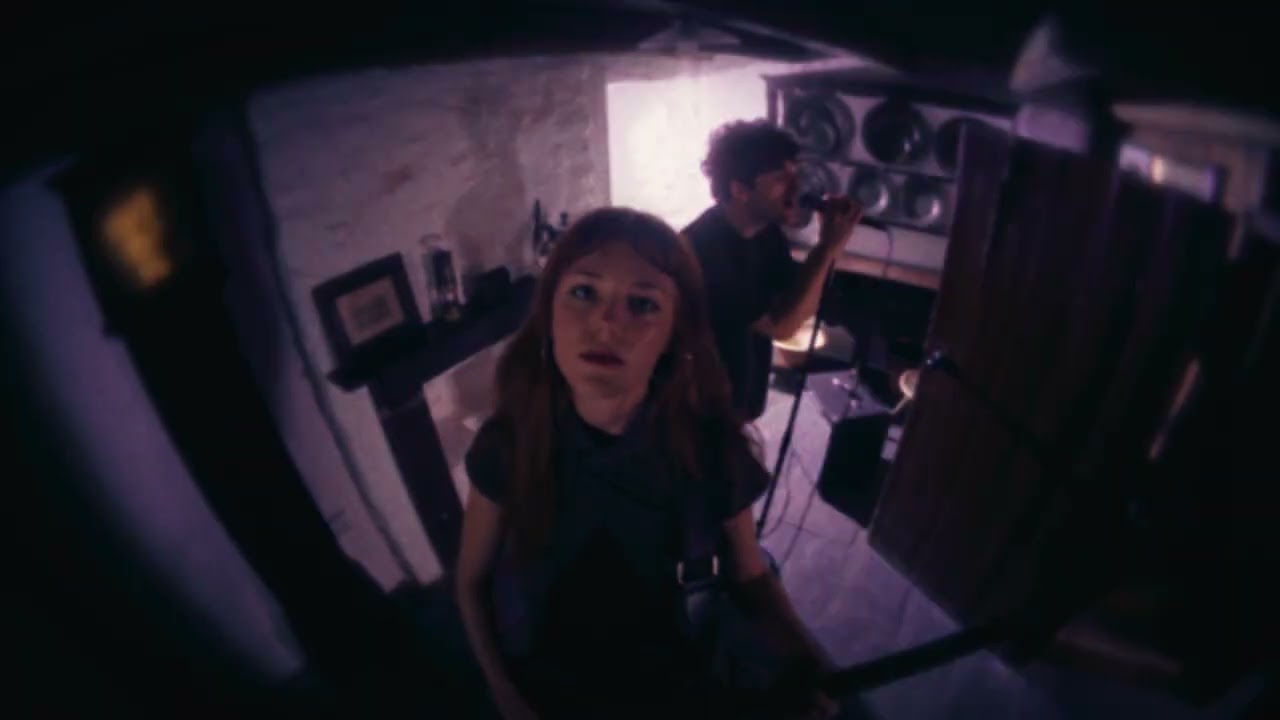



Little Trouble Girls (2025) by Urška Djukić

SI / IT / HR / RS | 2025 | 89 min | Coming-of-Age / Drama
A Teenage Girl Discovers Desire and Questions Her Faith at a Convent Retreat
Sixteen-year-old Lucija, a shy girl raised in a conservative Catholic environment, joins a school choir and develops a friendship with the confident Ana-Marija. During a choir retreat at an Italian convent, her attraction to a restoration worker awakens unfamiliar feelings and creates tension with her friend. Surrounded by religious traditions, strict expectations and the emotional uncertainty of adolescence, Lucija begins questioning what she has been taught about desire, friendship and personal identity.
➡️ Storyline: A teenage girl's first experiences of attraction and emotional independence challenge her religious upbringing and understanding of herself.
Why to Watch Little Trouble Girls: A Sensitive Portrait of Growing Up
Little Trouble Girls offers an intimate, visually expressive exploration of adolescence, capturing the uncertainty of discovering new feelings while navigating family and religious expectations. Director Urška Djukić uses close-ups, natural imagery and choral music to communicate emotions that the characters struggle to express. The film's understated storytelling is supported by strong festival recognition, including the FIPRESCI Prize at Berlin, Best Cinematography at Tribeca and several Slovenian Film Festival awards. Rather than relying on dramatic confrontations, it finds emotional intensity in everyday gestures, friendships and moments of quiet rebellion.
➡️ Reason to Watch: A beautifully observed coming-of-age drama that explores first attraction, faith and the emotional complexity of finding one's identity.
Why Little Trouble Girls Stands Out: Self-Discovery Without Dramatic Rebellion
Unlike coming-of-age dramas built around open conflict with parents or authority, Little Trouble Girls portrays personal awakening through small emotional changes. Lucija's transformation unfolds through glances, music, curiosity and increasingly independent thoughts rather than dramatic declarations. The convent setting creates a distinctive contrast between religious discipline and adolescent discovery, while the choir's collective harmony reflects expectations of conformity. The film avoids presenting faith and desire as simple opposites, instead exploring how a young person gradually learns to recognize feelings that do not fit neatly within established rules.
➡️ Why It Stands Out: A restrained coming-of-age story that turns ordinary moments of adolescent discovery into a meaningful exploration of identity and independence.
Movie Trend: Coming-of-Age Dramas — Self-Discovery Challenges Traditional Beliefs
Coming-of-Age Dramas increasingly offer intimate perspectives on the emotional complexity of growing up, particularly when personal identity conflicts with inherited beliefs. In Little Trouble Girls, Lucija's developing awareness of attraction and friendship challenges the expectations established by her family, religion and social environment. Rather than portraying adolescence as a sudden transformation, the film emphasizes gradual self-understanding through uncertainty, observation and personal experience. Its approach reflects the appeal of character-driven stories that treat teenage identity as something discovered rather than predetermined.
➡️ Movie Trend Insight: Coming-of-age dramas gain emotional depth by exploring how young people develop independent identities while navigating traditional expectations.
Broad Trend: Be Yourself / Authenticity — Personal Identity Challenges Social Expectations
Be Yourself / Authenticity reflects the desire to understand and express one's identity without being entirely defined by family, institutions or social conventions. In Little Trouble Girls, Lucija begins recognizing the difference between what she has been taught to feel and what she actually experiences. Beyond cinema, this tension appears in changing attitudes toward relationships, personal values, education and self-expression. Authenticity becomes particularly important during periods of transition, when individuals seek the confidence to make independent choices while maintaining meaningful connections with their communities.
➡️ Broad Trend Insight: Authenticity becomes a powerful personal motivation when individuals begin questioning inherited expectations and defining identity on their own terms.
Viewer Profile: Coming-of-Age Drama Fans Interested in Identity, Relationships and Personal Growth
Little Trouble Girls primarily appeals to viewers who appreciate intimate, emotionally realistic storytelling about relationships, identity and personal transformation. Its subtle visual language and character-focused narrative make it particularly relevant to audiences interested in independent European cinema, female perspectives and films that explore social expectations without simplistic judgments.
Profile | Audience Insight |
Core Audience | Coming-of-age, independent drama and character-driven cinema enthusiasts |
Age / Generation | Primarily Gen Z and Millennials, approximately 18–40, with wider adult arthouse appeal |
Lifestyle | Culturally engaged viewers interested in cinema, arts and contemporary social issues |
Cinema Taste | Coming-of-age dramas, female-led stories and intimate European films |
Story Motivation | Emotional realism, relatable experiences and personal transformation |
Discovery Mindset | Film festivals, critical reviews, curated streaming and independent cinema communities |
Emotional Driver | Empathy, self-reflection and the recognition of shared human experiences |
Key Profiles: Three Audiences Drawn to Identity, Emotion and Artistic Storytelling
1. Coming-of-Age Story Lovers
Audience Description: Adults approximately 18–35 who enjoy stories about growing up, first relationships and emotional discovery. They appreciate realistic characters whose personal struggles reflect the uncertainty of developing an independent identity.
2. Identity and Social Issues Explorers
Audience Description: Adults approximately 20–45 interested in stories about individuality, gender expectations, faith and personal freedom. They value films that explore sensitive subjects with emotional nuance rather than simplified moral judgments.
3. European Arthouse Cinema Enthusiasts
Audience Description: Adults approximately 30–60 who appreciate independent filmmaking, expressive cinematography and subtle character development. They seek films where atmosphere, sound and visual details communicate meaning beyond dialogue.
➡️ Audience Insight: The film attracts viewers through relatable experiences of growing up, thoughtful exploration of identity and the artistic appeal of intimate European cinema.
What This Movie Means for the Industry: Small, Personal Stories Can Reach International Audiences
Little Trouble Girls demonstrates that intimate, low-key dramas can attract international attention without relying on famous actors or large-scale production. Its success at Berlin and Tribeca highlights the value of distinctive filmmaking, particularly its cinematography, sound and sensitive portrayal of adolescence. For independent filmmakers, the film offers a practical example of how a culturally specific story can connect with audiences through universal experiences such as growing up, questioning expectations and discovering personal identity. Festival recognition can also help smaller productions gain international visibility and distribution.
➡️ Industry Insight: Independent films can stand out internationally through authentic characters, strong visual storytelling and universal emotional experiences.
Final Verdict: A Quiet but Powerful Portrait of Finding Yourself
Little Trouble Girls is a sensitive coming-of-age drama that captures the emotional uncertainty of adolescence through subtle performances, expressive cinematography and carefully integrated music. Its convent setting creates a distinctive contrast between religious discipline and personal discovery, while Lucija's gradual transformation gives the story its emotional depth. By connecting Coming-of-Age Dramas with Be Yourself / Authenticity, the film explores how developing an independent identity can challenge inherited beliefs without requiring dramatic rebellion or rejecting one's past.
➡️ Final Verdict Insight: A beautifully observed drama about growing up, questioning expectations and learning to recognize one's own feelings.
Final Insights: Authenticity Begins with Understanding Who You Are
The broader Be Yourself / Authenticity trend reflects the growing importance of personal identity, emotional independence and freedom from rigid social expectations. As individuals question inherited beliefs and traditional definitions of acceptable behavior, self-discovery becomes an important part of personal development. This creates opportunities for entertainment to explore identity through relatable experiences rather than dramatic confrontations, while encouraging wider conversations about acceptance, individuality and the relationship between personal values and social belonging.
➡️ Final Insight: Be Yourself / Authenticity reflects the desire to develop an identity beyond inherited expectations. Stories about adolescence and self-discovery show how personal growth often begins with questioning familiar beliefs. Future storytelling can explore how individuals balance authenticity, belonging and independence in changing social environments.
Comments