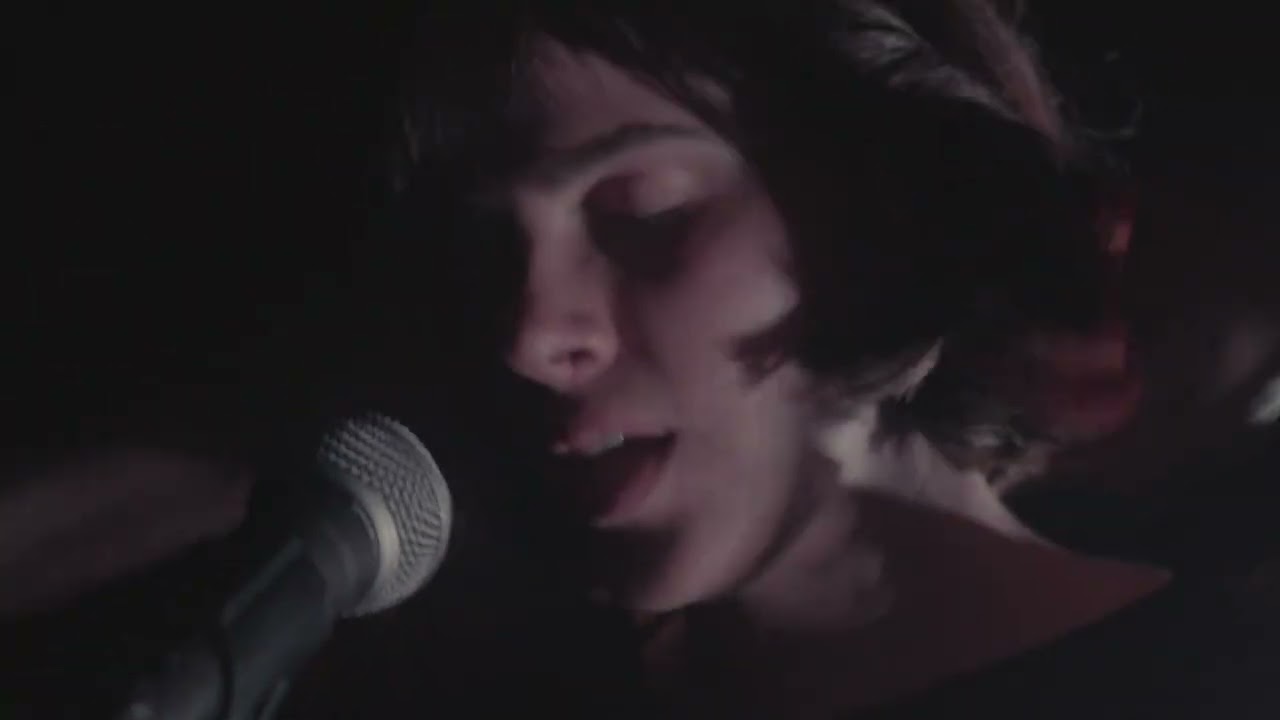

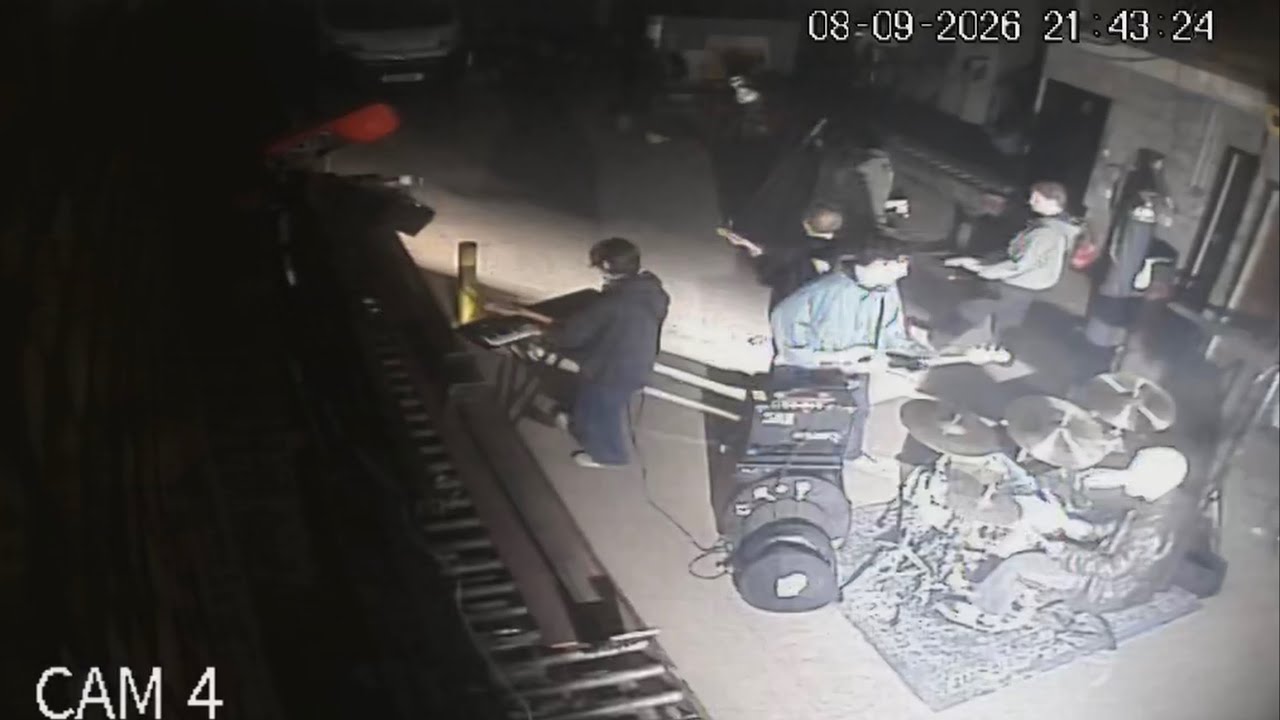


Debate (2026) by Nikolai Geffele

Netherlands | 2026 | Political Drama | Russian / English
Presidential Politics Becomes a Fight for the Future
➡️ Where to Watch: 🇬🇧 UK — Amazon
Debate centers on a Nobel Prize winner running for president as she enters the first presidential debate and fights for the future of her country. Behind the candidate, however, another struggle is unfolding: her young aides are simultaneously fighting for their own futures as political pressure intensifies.
Written and directed by Nikolai Geffele, the film approaches electoral politics through both the public spectacle of a presidential campaign and the private experiences of the people working behind it. The debate therefore becomes more than a political contest—it places ambition, loyalty and personal consequences under pressure.
Why This Movie Matters Right Now: Political Drama Moves Behind the Campaign
Debate uses the recognizable spectacle of a presidential election but shifts part of its attention away from the candidate. The aides surrounding her have their own ambitions and vulnerabilities, allowing the campaign to become a workplace where national political stakes collide with individual futures.
That perspective gives the familiar election drama a more human dimension. Political campaigns are presented not simply as ideological contests but as environments capable of changing the lives of everyone working inside them.
➡️ Key Takeaway: Debate looks beyond the presidential candidate to explore the people whose lives become entangled with political power. The campaign is personal too.
Why Everyone Is Talking About It: A Nobel Winner Enters the Presidential Arena
The strongest narrative hook is immediately provocative: a Nobel Prize winner attempts to transform moral and intellectual authority into political power. The first presidential debate becomes the arena in which that reputation must survive the realities of electoral competition.
At the same time, the film follows the candidate's aides, creating a contrast between the polished political performance visible to voters and the uncertainty happening behind the scenes. Filipp Avdeev, Stephani Elizaveta Burmakova and Maxim Busel lead the credited cast.
➡️ Key Takeaway: Debate turns a prestigious presidential candidate and her inexperienced political team into two sides of the same campaign. Public power meets private uncertainty.
Awards & Recognition: Festival Attention Builds Around the Political Drama
Debate has already received 1 win and 4 nominations across several international festivals. Its strongest recognition came at the 2026 Dea Open Air International Film Festival, where cinematographer Mateusz Skalski won the Jury Prize for Best Camera, while Nikolai Geffele was nominated for Best Screenplay.
The film was also nominated in Cinema of the World at the 2026 Dhaka International Film Festival, for Best Feature Film at the 2025 Serbest International Film Festival, and for Best Feature Film at the 2026 Istanbul International Spring Festival.
➡️ Awards: 1 win + 4 nominations
➡️ Key Takeaway: Debate's early festival recognition extends across cinematography, screenplay and feature-film categories. Its visual storytelling has already earned a jury win.
Why Debate Stands Out: The Election Is Only Half the Story
Political dramas often concentrate on the person seeking power. Debate expands that perspective by placing the candidate's young aides alongside her, creating two interconnected struggles: one woman is fighting for the future of her country while the people around her are fighting for their own futures.
That gives Nikolai Geffele's film a potentially more intimate route into presidential politics. The speeches and public confrontation provide the political stakes, but the people operating behind the campaign give those stakes a personal dimension.
➡️ Key Takeaway: Debate combines presidential politics with the uncertain lives unfolding behind the candidate. The country is choosing its future—and so is everyone inside the campaign.
Movie Trend: Political Drama — Elections Become Personal Battles for Power and Identity
Debate belongs to the Political Drama trend, but its central conflict extends beyond candidates competing for office. The presidential debate creates the public spectacle, while the aides working behind the candidate experience the campaign as something capable of determining their own careers, relationships and futures.
That dual perspective gives the film a contemporary political edge. Elections are increasingly shaped not only by ideology but by media performance, reputation, strategy and the people operating behind the public figure, allowing Debate to explore politics as both national theater and personal pressure.
➡️ Key Takeaway: Debate turns electoral politics into two simultaneous struggles—one for the country's future and another for the people working behind the candidate. Political power has personal consequences.
➡️ Movie Trend: Political Drama
Who Should Watch It? (Audience Profile): Political Drama, Election Thriller and Festival Film Fans
Audience Profile | Description |
Core Audience | Political drama and election-story fans |
Secondary Audience | International, independent and festival-film viewers |
Age | Primarily 25–54 |
Gender | Broad adult audience |
Lifestyle | News-aware and culturally engaged viewers interested in politics, leadership and social issues |
Viewing Behaviour | Audiences drawn to election campaigns, political strategy, ethical conflicts and character-driven international cinema |
The strongest audience is viewers who enjoy politics as character drama, where decisions made behind closed doors can become as important as speeches delivered in public. The Nobel Prize-winning presidential candidate gives the story a high-profile political center, while her aides provide a more intimate route into the pressures surrounding the campaign.
Its international festival recognition also makes Debate relevant to audiences who actively seek independent European cinema. Rather than approaching politics as large-scale spectacle, the film appears designed around people navigating ambition, responsibility and uncertainty inside a high-stakes political environment.
➡️ Key Takeaway: Debate is best suited to viewers who enjoy intelligent political stories, election campaigns and character-driven festival cinema. The human drama matters as much as the politics.
What This Movie Means for the Industry: Political Stories Are Moving Behind the Public Performance
Debate reflects a broader opportunity within political cinema: moving beyond presidents and candidates to examine the campaign ecosystem surrounding them. Strategists, aides and other insiders can reveal how public political narratives are constructed while simultaneously experiencing consequences invisible to voters.
That approach can make political stories more accessible internationally. Audiences do not necessarily need detailed knowledge of a particular political system to understand ambition, loyalty, professional insecurity or the pressure of attaching one's future to a powerful public figure.
The film's festival journey reinforces the value of that approach for independent cinema. With 1 win and 4 nominations, including recognition for cinematography and screenplay, Debate demonstrates how a politically focused story can travel through international festivals by combining topical subject matter with character-driven filmmaking.
➡️ Key Takeaway: Debate shows how political cinema can move behind campaign spectacle and find drama in the people helping create it. Power is more revealing when viewed from the inside.
Creative Analysis: A Presidential Debate Becomes a Test of Everyone Behind the Candidate
Debate builds its drama around a powerful contrast: a Nobel Prize winner is fighting for the future of her country, while the aides surrounding her are struggling to secure their own futures. The presidential debate provides the public event, but the people working behind the candidate give the story its more intimate tension.
That structure allows Nikolai Geffele to examine politics from two directions at once. The candidate carries the national stakes, while her team reveals the ambition, uncertainty and personal compromises hidden behind a carefully managed political performance.
➡️ Key Takeaway: Debate makes one presidential contest simultaneously national and deeply personal. The real drama happens on both sides of the stage.
Storytelling: One Debate Carries Much Bigger Stakes
The first presidential debate gives the film a naturally concentrated dramatic framework. Every decision surrounding the candidate matters because one public performance has the potential to change the direction of an entire campaign.
But the premise becomes more interesting through the aides. Their own futures are connected to the candidate's success, meaning political victory and personal survival begin to overlap.
➡️ Key Takeaway: The presidential debate concentrates political and personal pressure into one decisive event. One night could change everyone's future.
Direction & Writing: Nikolai Geffele Looks Behind Political Performance
As both writer and director, Nikolai Geffele can shape Debate around the contrast between public political theater and private campaign reality. What voters see during a debate is controlled and polished; what happens around that performance can be uncertain, emotional and chaotic.
Geffele's screenplay has already received a Best Screenplay nomination at the Dea Open Air International Film Festival, suggesting that the film's writing was one element recognized during its festival journey.
➡️ Key Takeaway: Geffele uses the campaign to contrast the image politicians present publicly with the pressure surrounding them privately. Politics is also performance.
Performances: The Campaign Team Shares the Spotlight
Rather than positioning the presidential candidate as the only character who matters, Debate gives significant narrative importance to the people surrounding her. Filipp Avdeev, Stephani Elizaveta Burmakova and Maxim Busel lead an ensemble that represents the human machinery operating behind the political campaign.
That ensemble approach supports the movie's central idea. Elections may revolve publicly around one recognizable candidate, but campaigns depend on many people whose professional and personal futures can rise or collapse alongside that person.
➡️ Key Takeaway: Debate makes the campaign team part of the political story rather than leaving them in the background. Power affects everyone around it.
Cinematography: Award-Winning Images Shape the Political Arena
Cinematography is one of the film's clearest recognized creative strengths. Mateusz Skalski won the 2026 Dea Open Air International Film Festival Jury Prize for Best Camera, giving Debate a concrete filmmaking distinction beyond its political subject matter.
That recognition is particularly relevant for a story built around political performance. Presidential campaigns depend heavily on image, presentation and perception, making visual storytelling a natural part of how the film can distinguish the controlled public arena from the more vulnerable world behind it.
➡️ Key Takeaway: Debate's award-winning cinematography gives its political drama an additional visual identity. In politics, image is part of power.
Themes & Messages: Idealism Meets the Reality of Political Power
Making the presidential candidate a Nobel Prize winner creates an intriguing tension between recognition for achievement and the very different demands of electoral politics. Prestige may establish credibility, but winning an election requires persuasion, strategy and the ability to survive public scrutiny.
The aides introduce another layer. Their involvement raises questions about ambition, loyalty and how much individuals are prepared to invest in someone else's political vision when their own futures are at stake.
➡️ Key Takeaway: Debate places idealism, ambition and political reality inside the same campaign. Recognition does not guarantee power.
What Makes This Movie Different?: The People Behind the Candidate Have Something to Lose Too
Debate's strongest creative hook is its parallel struggle. The candidate is trying to convince a country that she should determine its future, while her aides are confronting decisions that could determine theirs.
Combined with its 1 win and 4 festival nominations, including recognition for cinematography and screenplay, that perspective gives the film more than a topical political premise. It positions Debate as an international festival drama interested in the human machinery behind electoral power.
➡️ Key Takeaway: Debate stands out by making the presidential campaign as consequential for the people behind the candidate as it is for the candidate herself. Everyone has something riding on the result.
If You Liked Debate (2026): More Political Power, Campaign Pressure and High-Stakes Decisions
The Diplomat (2025) by Shivam Nair
The Diplomat turns international politics into a tense character-driven drama, following an Indian diplomat attempting to navigate a politically sensitive case while balancing institutional responsibilities with the human consequences of his decisions.
Like Debate, it explores politics through the people operating inside powerful institutions rather than relying only on speeches or ideological conflict. Both make political pressure personal, showing how decisions made in positions of influence can reshape individual lives.
➡️ Where to Watch: 🇺🇸 US
Rumours (2024) by Guy Maddin, Evan Johnson and Galen Johnson
Rumours takes political leadership in a much stranger direction. Cate Blanchett leads an ensemble of world leaders who become separated from their staff during a G7 summit, transforming international diplomacy into an increasingly surreal political satire.
It makes an interesting companion to Debate because both examine the performance surrounding political leadership. Debate approaches that world seriously through presidential campaigning, while Rumours exposes the absurdity, insecurity and image-management beneath elite political gatherings.
➡️ Where to Watch: 🇺🇸 US · 🇨🇦 Canada · 🇬🇧 UK
The Apprentice (2024) by Ali Abbasi
The Apprentice examines ambition and power through a young Donald Trump's relationship with lawyer Roy Cohn in 1970s and 1980s New York. Rather than concentrating on elections themselves, the film explores the formation of a political personality and the methods used to acquire influence.
For Debate viewers, the connection is the examination of how public figures are constructed behind the scenes. Both films are interested in what exists underneath the image presented to the public and the people who influence that transformation.
➡️ Where to Watch: 🇺🇸 US · 🇦🇺 Australia · 🇨🇦 Canada · 🇬🇧 UK · 🇫🇷 France · 🇮🇹 Italy · 🇪🇸 Spain · 🇩🇪 Germany
➡️ Key Takeaway: The Diplomat explores institutional pressure, Rumours turns political leadership into satire, and The Apprentice examines how power and public identity are constructed. All three look beyond the public performance to the people and decisions shaping political power. Politics becomes personal behind the scenes.
Final Verdict: Political Power Becomes Most Interesting Behind the Podium
Debate has an effective central idea: while a Nobel Prize-winning candidate fights for her country's future during a presidential debate, the people working around her are simultaneously fighting for their own. That parallel gives Nikolai Geffele a way to make electoral politics feel personal rather than purely institutional.
The film's festival recognition strengthens its positioning. With 1 win and 4 nominations, including Mateusz Skalski's Best Camera victory and a Best Screenplay nomination for Geffele, Debate has received recognition for both its visual execution and writing.
Its strongest appeal should therefore be to audiences interested in independent political cinema rather than conventional campaign thrillers. Debate uses the presidential contest as the visible event but appears most interested in the ambition, uncertainty and personal consequences operating behind it.
➡️ Final Verdict: 3.7/5 — An intimate political drama that turns a presidential debate into a broader examination of ambition, public image and the people living behind political power. The campaign matters because everyone involved has something to lose.
Quick Facts: A Nobel Laureate Enters the Presidential Race
Category | Details |
Genre | Political Drama |
Topic | Elections, ambition, political power and personal futures |
Director / Writer | Nikolai Geffele |
Country | Netherlands |
Languages | Russian / English |
Release Date | August 11, 2026 |
Principal Cast | Filipp Avdeev, Stephani Elizaveta Burmakova, Maxim Busel |
Production Company | Upright Films |
Awards | 1 win & 4 nominations |
Major Award | Best Camera — Dea Open Air International Film Festival |
Movie Trend | Political Drama |
➡️ Where to Watch: 🇬🇧 UK — Amazon
➡️ Key Takeaway: Debate combines presidential politics with the personal uncertainty of the people operating behind the campaign. Its festival recognition adds credibility to a small international political drama with an ambitious premise.


Comments