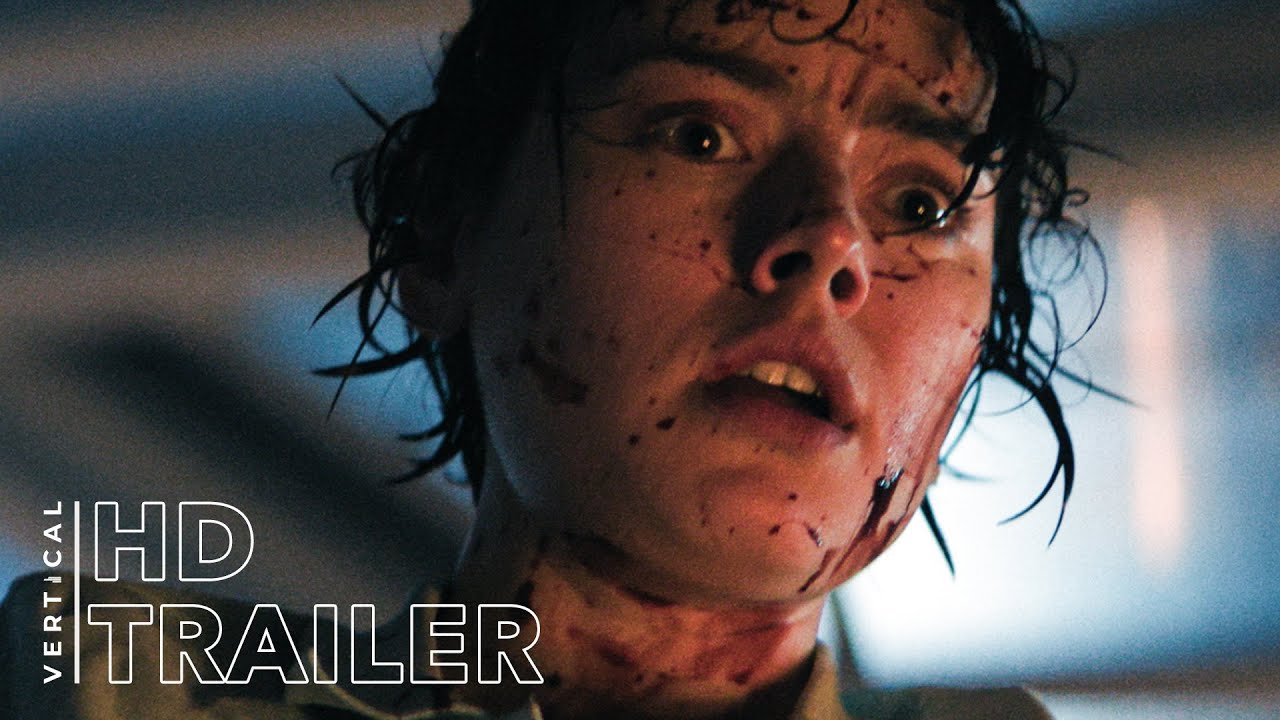


Cutaways (2025) by Mark Schwab: The Canceled Creator’s Death Spiral
- dailyentertainment95

- 2 hours ago
- 11 min read
Summary of the Movie: A bleak comedy where creative integrity goes to die.
The film serves as a jagged autopsy of a modern career killed by the court of public opinion, trading red carpets for the cold concrete of an adult film set. It prioritizes the dry, suffocating reality of a "fallen" artist over slapstick humor, making the director’s desperation feel more like a hostage situation than a career move. This narrative setup forces the audience to question if a creator's soul can survive the ultimate artistic compromise or if some stains simply don't wash off.
A disgraced indie director, exiled by cancel culture, attempts to salvage his dignity while directing a chaotic adult film that spirals into a dark, one-room mystery.
Where to watch: Release date on streaming February3rd.
Link IMDB: https://www.imdb.com/title/tt32421429/
Link Review: https://take2indiereview.net/2025/08/cutaways/
Genre: Dark Indie Comedy. The film leans heavily into a dry, desolate tone that flirts with drama while maintaining a cynical, comedic edge.
Movie plot: The Bottom of the Barrel. A canceled filmmaker navigates fragile egos and manipulative producers in a warehouse shoot that turns into a disaster-management exercise.
Movie themes: Reputation and Compromise. The story explores the friction between high-art pretension and the low-brow reality of survival in the digital age.
Movie trend: The "Canceled" Narrative. It fits into the growing sub-genre of films deconstructing the aftermath of social media firestorms and industry exile.
Social trend: Accountability Fatigue. The film links to the cultural conversation surrounding the permanence of online mistakes and the "death" of the professional persona.
Movie director: Mark Schwab. Schwab uses a minimalist, single-location approach to amplify the claustrophobia of a protagonist who has nowhere left to run.
Top casting: Silas Kade and James Duval. Kade brings a brilliant, deadpan sarcasm to the role, while cult icon Duval provides a seasoned, precise energy as the manipulative Sammy.
Awards and recognition: Cult Circuit Potential. With three initial critic reviews and a strong indie pedigree, the film is positioned for a niche, underground following.
Release and availability: August 23, 2025. Released in the United States with a strong push toward Prime Video for immediate streaming discovery.
Why to watch movie: Sarcastic Survival. Watch it for the biting social commentary and the bizarre, awkward tension of an "auteur" trying to direct porn like an Oscar-winner.
Key Success Factors: Deadpan Delivery. The film succeeds by keeping its face straight while presenting increasingly wild and crude scenarios that challenge the audience's comfort.
Insights: The warehouse studio is a metaphor for the empty space left after a public downfall.
Industry Insight: Indie cinema is pivoting toward "Single-Location Satires" to cut costs while maximizing dialogue-driven tension. This format allows smaller productions to compete on streaming platforms by focusing on high-concept social themes. Consumer Insight: There is a massive interest in "Post-Cancel" stories that show the gritty, unglamorous aftermath of a public shaming. Audiences are moving past the initial scandal and are now curious about the "second act" of the disgraced. Brand Insight: Content creators can capitalize on "Awkward Authenticity" by embracing the unpolished and uncomfortable aspects of creative work. Marketing a film as "tough to love" can actually attract a dedicated audience seeking something outside the mainstream.
Cutaways is trending because it tackles the terrifyingly real fear of professional erasure in a way that feels uncomfortably close to home. It makes a difference vs. similar movies by refusing to be a "feel-good" redemption story, choosing instead to wallow in the sarcasm and desolation of the bottom. The mid-film twist shifts the energy from a slow-burn character study into a high-stakes mystery that keeps the viewer guessing. Ultimately, it’s a film for the cynical age, proving that sometimes the only way out of the gutter is to lean even further into it.
Why It Is Trending: The viral aftermath of the digital guillotine.
The film taps into the collective nightmare of 2026: the "overnight disappearance" of a public identity. As social media firestorms become more frequent, the curiosity surrounding where people go once they are erased has reached a fever pitch. Cutaways leans into this by stripping away the glamour of filmmaking and replacing it with the raw, transactional nature of the adult industry. It hits the zeitgeist by focusing on the "unlikable" survivor, offering a cynical alternative to the typical Hollywood comeback story that feels more authentic to a jaded digital audience.
Concept → consequence: Professional Erasure. When the spotlight vanishes, the resulting vacuum forces a creative to choose between total anonymity and the ultimate artistic sell-out.
Culture → visibility: Cancel-Core. The obsession with watching public figures "hit the bottom" has created a massive market for narratives that live in the ruins of a collapsed career.
Distribution → discovery: Prime Video Saturation. Utilizing a high-traffic streaming launch allows a small, gritty indie to bypass the theatrical filter and speak directly to a niche, irony-loving demographic.
Timing → perception: Accountability Overload. Released at a peak moment of cultural skepticism, the film benefits from a viewer base that is tired of polished apologies and ready for raw, deadpan nihilism.
Insights: The modern downfall is the new entertainment spectacle.
Industry Insight: Niche streamers are prioritizing "Shock-Value Realism" to cut through the noise of safe, corporate content. Small-budget films that tackle "forbidden" topics like the adult industry and cancel culture are seeing higher organic reach. Consumer Insight: Viewers are increasingly drawn to "Anti-Redemption" arcs where the hero doesn't find peace, but simply finds a way to survive. There is a growing rejection of the "clean" ending in favor of authentic, messy outcomes. Brand Insight: Brands can win by leaning into "Taboo-Adjacent" storytelling that feels risky but stays grounded in human emotion. Positioning a product within a "canceled" narrative creates an aura of edgy authenticity that appeals to Gen Z and Alpha.
Cutaways is trending because it treats the "end of a career" as a starting point for a bizarre, dark psychological experiment. It makes a difference vs. similar movies by using the adult film set as a pressure cooker for fragile egos rather than just a punchline. The focus on Silas Kade’s relentless sarcasm provides a relatable armor for an audience that uses humor to deflect their own professional anxieties. Ultimately, it’s a film that resonates because it asks the one question we’re all afraid of: what do you do when your dream becomes a warehouse-sized nightmare?
What Movie Trend Is Followed: The "Auteur in the Gutter" era.
Indie cinema is entering a "Hyper-Realist Meta-Satire" phase, where the industry stops romanticizing the "struggling artist" and starts mocking the "disgraced one." Cutaways follows this trend by positioning a high-brow filmmaker in a low-brow arena, creating a friction that feels both humiliating and hilariously honest. This movement prioritizes the "set-life" procedural—showing the grit, the egos, and the logistical nightmares—over polished narrative payoffs. It reflects a shift toward stories that treat career failure as a permanent, claustrophobic location rather than a temporary hurdle.
Format lifecycle: Single-Location Pressure Cooker. This warehouse-set model is a peak-trend format for 2026, maximizing dialogue-driven tension while minimizing physical production costs.
Aesthetic logic: Grimy Industrialism. The use of warehouse space and naturalistic lighting reflects a trend toward "Lo-Fi Prestige," where the lack of polish signals high-fidelity emotional truth.
Psychological effect: Cringe-Inducing Deadpan. The film uses a dry, unblinking lens to force the audience into the protagonist’s discomfort, turning awkward silences into a primary source of suspense.
Genre inheritance: New Queer Cinema Satire. Drawing from the gritty legacy of Gregg Araki, the film updates the "outsider" perspective with a 2026 lens on power dynamics and identity politics.
Insights: The lowest rung of the ladder is the new stage for high-concept drama.
Industry Insight: Small-budget indies are finding success by focusing on "Micro-Niche Procedurals"—detailed looks at hyper-specific subcultures like the adult film industry. These films attract a dedicated, curious audience that values specialized knowledge over broad, generic storytelling. Consumer Insight: There is a growing fatigue with "redemption porn," where characters find easy forgiveness. Modern viewers are increasingly satisfied with "Survival Realism," where the character simply accepts their new, lower status and keeps moving. Brand Insight: Marketing an "unlikable" hero is a powerful strategy for building a cult following. By leaning into the protagonist's flaws and social pariah status, brands can create a "secret club" feeling among audiences who appreciate raw honesty.
The "Auteur in the Gutter" trend has effectively replaced the classic underdog story with something much more cynical and reactive. The entertainment industry can address this shift by developing more content that explores the "gray areas" of professional ethics and social exile. By moving away from the "hero's journey" and toward the "survivor's grind," creators can capture the attention of a generation that feels the constant pressure of a fragile public persona. This evolution ensures that even "zero-budget" stories carry the weight of an existential crisis.
Trends 2026: The "Reputation Rehab" Genre is the new digital obsession.
The macro trend for 2026 centers on Social Exile Survivalism, where the ultimate horror isn't death, but being permanently unsearchable or "archived" by the public. This reflects a culture that is moving past the shock of the "cancel" and is now fascinated by the gritty, unglamorous mechanics of how the erased continue to exist in the shadows.
Implications: The Professional Afterlife
One framing sentence on the shift from public apology tours to private, desperate pivots.
Zero-Budget Integrity: Creators are now choosing "career suicide" over corporate compliance, leading to a surge in DIY, transgressive content that lives outside the mainstream. This creates a new underground market for unfiltered, "banned" perspectives that feel more authentic to a cynical audience.
The Pivot to Porn: Adult entertainment is increasingly being used as a narrative metaphor for the ultimate loss of social standing. It highlights the transactional nature of fame and the physical reality of a creator who has nothing left to sell but the lens.
Where it is visible (industry): The "Lo-Fi" Prestige Boom
One framing sentence on how budget constraints are being rebranded as high-concept artistic choices.
Warehouse Realism: Studios are abandoning expensive sets for raw, industrial locations to reflect the "unpolished" lives of their protagonists. This "gritty-chic" aesthetic signals to the viewer that they are watching something "forbidden" or "leaked" rather than produced.
Direct-to-Niche Streaming: Smaller platforms are winning by hosting "canceled" creators who bring their own dedicated, if controversial, fanbases. This bypasses traditional gatekeepers and creates a self-sustaining ecosystem for pariah-led content.
Related movie trends: The aesthetic of the social pariah
Canceled-Core: Movies that start exactly where the public apology ends, focusing on the first day of the "rest of your life" in exile.
The Single-Room Siege: High-tension dramas that take place in a single location to mirror the claustrophobia of social isolation.
Meta-Career Satire: Films where actors play exaggerated, failed versions of themselves to reclaim the narrative of their own downfalls.
Deadpan Nihilism: A move toward comedic styles that refuse to use "laugh tracks" or obvious punchlines, favoring the humor of hopelessness.
Agency-Reclamation Dramas: Stories focusing on performers in marginalized or "low-brow" industries fighting for creative control against manipulative producers.
Related consumer trends: The appetite for the "Unfiltered" truth
Cringe-Binging: Consumers are actively seeking out content that makes them feel uncomfortable as a form of "emotional exercise."
The Anti-Hero Worship: A massive rise in fans who support "villainized" figures specifically because they represent a rebellion against "sanitized" corporate culture.
Digital Archeology: Audiences who enjoy "deep-diving" into the past of a character to find the exact moment their reputation crumbled.
Warehouse Aesthetic: A trend in digital fashion and decor that mimics the cold, industrial, and "underground" look of warehouse sets.
"Done" Culture: A growing segment of the workforce that identifies with characters who have given up on the "rat race" to pursue niche, odd, or taboo survival paths.
Summary of Trends: The fall from grace is the new rise to relevance.
This table identifies the pivot from traditional success stories to the high-stakes drama of professional and social survival. We are witnessing the birth of the "Survivor's Grind" as the dominant narrative engine.
Summary of Trends: The Reputation Rehab Matrix
Trend Name | Trend Title | Description | Implications |
Core Movie | Post-Cancel Noir | Suspense is driven by the fear of never being "seen" again. | Professional survival becomes the new life-or-death stakes. |
Core Consumer | Scandal Voyeurs | Viewers want to see the unglamorous day-after of a downfall. | Demand for gritty, unpolished "exile" stories. |
Core Social | Privacy vs. Persona | The fight to separate the human from the online "target." | Redefines "freedom" as being invisible to the algorithm. |
Core Strategy | Taboo Baiting | Using "low-brow" settings to tell "high-brow" social stories. | Viral visibility driven by the friction of "prestige" vs. "porn." |
Insights: The modern viewer is looking for the "human" beneath the headline.
Industry Insight: The 2026 market will prioritize "Authenticity Scarcity," where the most valuable content is that which feels unvetted by PR teams. Studios that lean into the "awkward truth" of career failure will build more resilient brands than those chasing perfection.Consumer Insight: We are seeing the rise of the "Moral Neutralist" who no longer cares about the "crimes" of a creator if the content is raw and honest. These viewers value Cutaways because it doesn't try to redeem the hero; it just lets him exist in the dirt.Brand Insight: Brands should adopt a "Survivor's Toolkit" tone, focusing on resilience and the gritty reality of starting over. Supporting the "comeback from nothing" narrative builds a deep, emotional bond with a generation that feels perpetually "pre-canceled."
The main trends discovered show that the entertainment industry is pivoting toward a darker, more cynical brand of realism that reflects the fragility of digital status. Movies are no longer just about the journey to the top; they are about the slow, sarcastic crawl through the bottom. The impact on the industry is a move toward dialogue-heavy, single-location scripts that prioritize psychological tension over expensive stunts. Audiences are ready to embrace the "fallen hero" because, in 2026, we are all just one wrong tweet away from the warehouse.
PART FIVE
Final Verdict: The clock stops when you own your own story.
The film serves as a definitive tombstone for the era of "public perfection," proving that the only thing more dangerous than being canceled is the lengths an artist will go to stay relevant. It leaves the audience with a haunting realization: in 2026, the real tragedy isn't losing your reputation, it’s realizing you’re willing to auction off your soul just to keep the camera rolling. Cutaways doesn't offer a clean redemption arc; it offers a raw, sarcastic look at a man who finds his "agency" in the one place society told him he should be ashamed to stand.
Meaning — The Compulsion to Create: The film suggests that for a true auteur, directing is an addiction that transcends morality. Even at the "lowest rung of the ladder," the act of framing a shot becomes a survival mechanism, proving that a creator's identity is tied to the lens, not the prestige of the project.
Relevance — The Digital Pariah: This story hits the center of the bullseye for a generation living in fear of the "social media firestorm." It validates the feeling of existential erasure that follows a public downfall, making it a vital, albeit uncomfortable, watch for anyone navigating the fragile ego-system of modern Hollywood.
Endurance — The Bizarro-Mirror Legacy: Schwab’s "personal manifesto" ensures the film will live on as a cult reference for indie survivalism. Its "polished grit" and unapologetic look at the adult film industry as a microcosm of global entertainment give it a shelf life far beyond the initial shock of its premise.
Legacy — The Anti-Apology Blueprint: Cutaways sets a new standard for post-cancel narratives by skipping the "I'm sorry" tour and going straight to the "what now?" phase. This blueprint will likely inspire a wave of "Exile Cinema" that prioritizes raw, deadpan honesty over the manufactured sincerity of corporate PR.
Insights: The finale proves the biggest mystery is our own reflection.
Industry Insight: Success in 2026 depends on emotional accuracy over big-budget spectacles. Studios investing in high-fidelity character studies with specific, regional textures—like the seedy underbelly of L.A.—are winning the battle for long-term subscriber loyalty and critical respect. Consumer Insight: The "Main Character Energy" trend has evolved into a demand for narratives that allow for failure and messy transitions. Viewers want to see their own "quarter-life" and "mid-life" crises handled with cinematic dignity and psychological depth, even in a warehouse setting. Brand Insight: Brands that position themselves as allies in the "Choice Journey" win deep emotional territory. Moving away from "Perfect Professional" imagery toward "The Person Behind the Survival" creates a powerful, authentic connection that transcends simple product loyalty.
The "Body vs. Brand" trend has turned the private career journey into a high-stakes cultural manifesto. The entertainment industry can address this shift by ditching the "happily ever after" for the "happily ever after-choice." By embracing the friction between professional reality and personal ambition, creators can capture the attention of a media-literate and deeply cynical audience. This evolution ensures that the domestic thriller—and the warehouse comedy—remains a sharp, reactive tool for exploring what it actually means to be human in a tech-driven, choice-heavy world.
Comments