

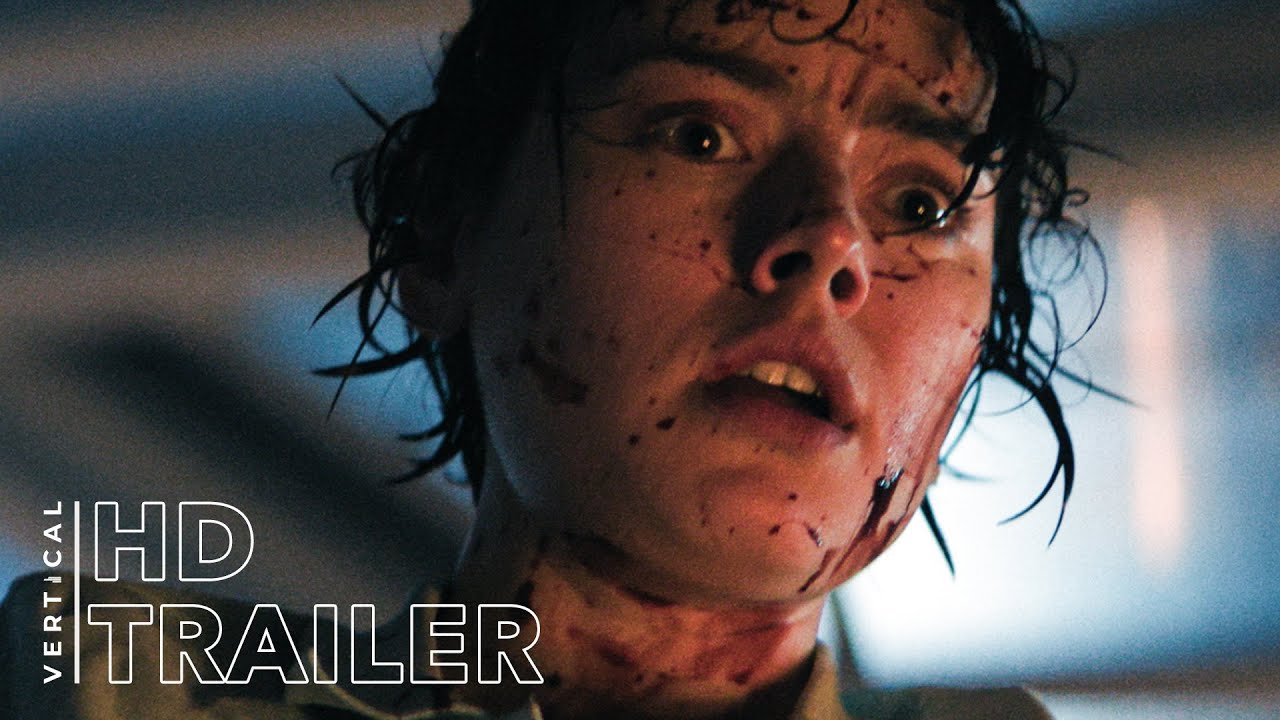


We Bury the Dead (2025) by Zak Hilditch: A grief-soaked Aussie zombie road movie that plays more like a messy breakup with the end of the world than a standard horror thrill ride
- dailyentertainment95

- 2 hours ago
- 14 min read
Summary of the Movie: Grief road trip through zombie Tasmania
Death, regret, and bad choices just won’t stay buried
This one is less “zombie apocalypse” and more “emotional hangover with corpses wandering in the background”. The movie hangs out with Ava, who signs up to help clean up a mass-death event mostly as an excuse to go hunt for her missing husband in a Tasmania that’s been turned into a graveyard. The undead are there, sure, but the real horror is how long Ava can pretend she’s on a rescue mission instead of a goodbye tour. It’s basically a road movie through ash and wreckage where every stop forces her to admit the marriage was already on life support long before a U.S. “oops” weapon wiped half an island off the map.
Where to watch: https://www.justwatch.com/us/movie/we-bury-the-dead (US), https://www.justwatch.com/ca/movie/we-bury-the-dead (Canada), https://www.justwatch.com/uk/movie/we-bury-the-dead (UK)
Link IMDB: https://www.imdb.com/title/tt29713093/
Link Review: https://www.theguardian.com/film/2026/jan/02/we-bury-the-dead-movie-review-daisy-ridley
Genre – Grief-first zombie thriller. A moody Australian zombie horror–thriller that trades constant jump scares for emotional damage, road-movie structure, and a heavy grief core.
Movie plot – Dead zone, unfinished marriage. After a rogue U.S. experimental weapon wipes out hundreds of thousands in Tasmania, Ava volunteers with a military retrieval unit mainly to sneak into the disaster zone and find her missing husband, only to run into both actual undead and the rotting truth of their relationship.
Movie themes – Loss that won’t lie still. The film keeps poking at denial, guilt, bad decisions, and how some love stories keep walking around way past their expiry date, no matter how badly people want closure.
Movie trend – Prestige grief horror. Sits in the current wave of “grief-forward” horror where the monster is really just a vessel for emotional collapse and the most painful jump scare is realizing who someone actually was to you.
Social trend – Disaster numbness. Reflects a culture where constant large-scale catastrophe has become wallpaper while personal heartbreak still feels like the real apocalypse.
Movie director – Hilditch’s end-of-the-world lane. Zak Hilditch stays in his These Final Hours pocket—ordinary, messy people dropped into end-times vibes, no neat exposition, and morality that always feels a bit smudged.
Top casting – Ridley cracked, Thwaites chaotic. Daisy Ridley leans into tired, stubborn, not-at-all-heroic energy as Ava, while Brenton Thwaites’ foul-mouthed Clay brings bogan chaos and dark humor that keeps the film from going full misery spiral.
Awards and recognition – 3 nominations, key genre nod. The film has three nominations so far, including a slot in the Official Fantàstic Competition at Sitges – Catalonian International Film Festival, one of the biggest horror/fantastic festivals in the world, plus additional critic/genre nods but no major wins yet.
Release and availability – Early 2026 theatrical, streaming lining up. Opened in the U.S. on January 2, 2026 with around $3.7M worldwide box office, and is rolling onto digital/VOD in February 2026, with a Prime Video window heavily promoted and other streaming to follow.
Why to watch movie – Feelings with teeth. Ideal if standard zombie movies feel empty but straight grief dramas sound like homework; this one gives rotting bodies, burnt landscapes, and extremely recognisable emotional mess in the same package.
Key Success Factors – Zombie chaos, relationship stakes. It stands out from other zombie horrors by treating the outbreak as background noise and making the core tension whether Ava can face the truth about her marriage, using genre mayhem as a brutal, Aussie-flavoured mirror instead of the main event.
Insights: Grief With Bite – The film lands because it lets the zombies be the clutter around Ava’s heartbreak, not the main act. The apocalypse framework gives her breakup a physical shape—regret, denial, and unfinished business literally chase her down—which hits harder than another “save the world” mission for audiences already tired of cookie-cutter zombie carnage.
Industry Insight: We Bury the Dead shows how a mid-budget zombie movie can punch above its weight by anchoring everything in one specific emotional journey instead of generic survival beats. That mix—marketable subgenre plus grief-drama spine—is becoming a reliable blueprint for horror that wants both festival respect and Friday-night crowds.Consumer Insight: Horror fans who’ve watched a lifetime of zombie stuff are clocking that emotional stakes beat body-count stakes every time. They’re showing up for films that look gnarly in the trailer but end up poking at very real “stayed-too-long” relationships and unresolved guilt under all the gore.Brand Insight: For Zak Hilditch, this deepens the “personal apocalypse” brand he built with These Final Hours—end-times, but make it intimate. For Daisy Ridley, it nudges her post–Star Wars identity toward grounded, grief-heavy genre work, signaling to festivals and streamers that she’s game for messier, more adult material than franchise hero mode.
We Bury the Dead lands because it feels like a zombie movie aimed at people who already know all the tropes and want something knottier. It swaps “can they outrun the infected?” for “can she stop lying to herself long enough to move on?” which is a way more relatable kind of dread. It plugs straight into a moment where the world feels permanently broken, but the thing keeping most people up at night is still that one relationship that didn’t end right. That mix of Tasmanian hellscape, rotting bodies, and brutally recognizable emotional fallout is what gives this one a way longer afterglow than its marketing suggests.
Why It Is Trending: Grief horror for the burnout era
People are over empty jump scares and into feelings that actually sting
Audiences are pretty desensitised to yet another outbreak map and another generic horde, but they’re not desensitised to messy, personal heartbreak. This is where We Bury the Dead sneaks in: it looks like a zombie flick, but it plays like a road trip through one woman’s denial and regret. That shift—from “save the world” to “face what happened between us”—lines up perfectly with a moment where viewers are craving stories that feel emotionally specific rather than apocalyptically vague. It’s getting talked about because people go in expecting explosions and come out thinking about relationships.
Concept → consequence: Zombies as walking regret. The film’s core move is treating the undead as physical stand-ins for grief and unfinished business, which means the tension sticks around long after the credits because it’s tied to feelings, not just jump scares.
Culture → visibility: Catastrophe in the background, personal drama in focus. It reflects a world where global disasters feel constant, so viewers connect with a story that admits most people still care more about one missing person than a headline-scale tragedy.
Distribution → discovery: Festival buzz to couch viewing. Early festival talk plus a New Year theatrical drop and fast move to digital makes it exactly the kind of title horror fans stumble on while hunting for “something different” late at night.
Timing → perception: Post-holiday emotional hangover. Landing right after the holidays, when people are already reflective and a bit raw, makes a grief-heavy horror movie feel weirdly aligned with the mood instead of out of step.
Insights: Feelings in a Zombie Mask – This one’s trending because it lets people process real hurt under the safe cover of a genre movie. It gives viewers permission to say “I watched a zombie flick” when what actually hit them was a breakup, a bad decision, or a goodbye that never really happened.
Industry Insight: Prestige-flavoured horror like this shows there’s real upside in mid-budget genre that does more than chase loud kills and big lore. It convinces investors and distributors they can get critical buzz, festival slots, and word-of-mouth without spending franchise money.Consumer Insight: Viewers who’ve burned through endless interchangeable zombie titles are flocking to stories where the scariest thing is an honest conversation, not the next jump scare. They’re clearly signalling that horror which understands their emotional life is way more replayable than horror that just shouts at them.Brand Insight: For the creative team, this helps carve a lane: Zak Hilditch as “personal apocalypse” guy, Daisy Ridley as someone who’ll go sad and grounded instead of glossy and invincible, and Aussie genre as a place that twists familiar setups into something messier. That kind of identity makes the next movie from this crew instantly easier to pitch, program, and sell.
We Bury the Dead is catching on because it offers both bite marks and emotional bruises, and that combo travels. It stands out from a sea of similar zombie releases by clearly caring more about Ava’s inner life than about body-count math. It feels tuned to an era where everyone’s living through constant low-level crisis and still mostly stressed about one or two personal relationships. That’s why people keep telling friends “it’s a zombie movie, but…”—and that “but” is exactly what gives it legs.
What Movie Trend Is Followed: Prestige grief horror in zombie clothes
The genre is shifting from infection charts to emotional damage reports
We Bury the Dead rides a trend where horror isn’t trying to out-gore anything—it’s trying to out-feel everything. Instead of obsessing over outbreak mechanics or mythology, it falls in with films that treat the apocalypse as a backdrop for one very specific emotional implosion. That’s a big evolution from old-school zombie stories where character drama was seasoning, not the main dish. Here, the genre shell is just the delivery system for something closer to a bruised relationship drama with rot and ash around the edges.
Format lifecycle – The 90-minute grief bomb. It sticks to a tight mid-90s runtime, which is now the sweet spot for “prestige horror”: enough time to build real emotional weight, but short enough to still feel like a punch rather than a season of TV.
Aesthetic logic – Road movie through ruin. The film leans into a dusty, ash-grey road-movie look—empty highways, wrecked towns, burnt fields—so the visuals constantly underline that Ava’s world is over, literally and emotionally.
Psychological effect – Survival as avoidance. By making Ava’s “mission” double as emotional avoidance, the film lands that horrible feeling of staying busy so you don’t have to think, which is way more relatable than pure monster terror.
Genre inheritance – 28 Days Later meets Blue Valentine. It borrows urgency and infection energy from modern fast-zombie films but inherits its real DNA from raw, messy relationship dramas where nobody gets out clean.
Insights: Heartbreak Apocalypse – This trend takes classic end-of-the-world horror and shrinks the stakes down to one relationship, making everything feel sharper. We Bury the Dead shows how powerful it is when the real “cure or die” moment isn’t about a virus but about whether someone can finally tell themselves the truth.
Industry Insight: Prestige grief horror is becoming a reliable lane: it’s cheap enough to make, critic-friendly, and still very sellable with a genre trailer. That combination pressures studios and indies to prioritize scripts where the emotional spine is strong enough to stand even if you stripped the zombies out.Consumer Insight: Audiences following this trend are basically saying, “give us horror that feels like therapy we don’t have to call therapy.” They want to see characters making the same bad emotional choices they make, then watch those choices blow up in stylish, horrifying ways.Brand Insight: As more films follow this template, the “zombie movie” label starts to mean something different—less pure carnage, more emotional excavation. That rebrand helps platforms and festivals market these titles to both horror die-hards and people who usually live in drama/indie corners, broadening the audience without changing the DNA.
This trend matters because it keeps zombie cinema from feeling like a dead format. It gives directors a way to use all the familiar iconography—bodies, ruins, soldiers, outbreaks—without repeating the same story for the hundredth time. It also shifts the bar for what “good horror” looks like, nudging more filmmakers to build from character and feeling instead of just set pieces. If the industry leans into this, zombie movies stop being a punchline and start being one of the sharpest tools for talking about love, loss, and the way people fall apart.
Trends 2026: Horror that hits the soul, not just the senses
Viewers want genre that feels uncomfortably personal
The big 2026 trend this taps into is simple: people want horror that understands their inner life, not just their startle reflex. Audiences are gravitating toward movies that double as low-key emotional processing tools, especially around grief, regret, and relationships that fell apart without a clean ending.
Implications: Feelings-Forward Genre Is the Cheat CodeOne clear direction: horror that can be marketed wide but plays intimate is now premium real estate.
Prestige horror isn’t a niche anymore. Films that sit between festival drama and multiplex horror are increasingly treated as the “smart choice” for both critics and mainstream audiences, encouraging more producers to chase that middle lane.
Emotional stakes > mythology stakes. Projects that build tension around “will this character finally face the truth?” instead of “what caused the outbreak?” are getting more long-tail conversation and rewatch potential.
Stars using horror to rebrand. Big-name actors like Daisy Ridley are using emotionally heavy genre projects to pivot from franchise sheen to “serious actor” territory, which pulls broader audiences into horror.
Apocalypse as emotional metaphor, not lore sandbox. The end of the world is turning into a backdrop for personal implosion stories, reducing pressure for huge world-building while increasing focus on character depth.
Where it is visible (industry): The New Prestige Horror PipelineYou can see this shift in how projects get made and moved.
Festivals curating “sad horror” strands. Programmers are building slots around grief-horror and relationship-horror, giving these films clearer visibility and more critical framing.
Streamers chasing elevated horror packages. Platforms are actively hunting “one location, strong hook, heavy emotions” horror that plays well on both Friday nights and “serious cinema” recommendation lists.
Sales companies branding around smart genre. Firms handling films like We Bury the Dead are explicitly pitching “emotionally intelligent horror,” carving out a recognisable micro-brand for buyers.
Critics rewarding emotional ambition. Reviews are giving extra points to horror that foregrounds feelings and moral messiness, which in turn nudges audiences to seek out similar titles.
Related movie trends: The Spiritual-Emotional Horror Cluster
Grief-Core Horror: Stories where the real monster is unresolved loss, and the creature/undead are just the physical manifestation of it.
Relationship Horror: Films that are essentially breakup or marriage dramas in genre drag, letting viewers explore messy dynamics at a safe distance.
End-of-the-World Minimalism: Apocalyptic setups told through small ensembles and tight spaces rather than big spectacle, to keep focus on psychology.
Regional Apocalypse Storytelling: Distinct local settings (Tasmania, rural Australia, etc.) used as texture and identity, not just generic wastelands.
Ambiguous-Lore Horror: Movies that deliberately refuse to over-explain the “what” or “why,” trusting viewers to live with not knowing.
Related consumer trends: The Meaning-Hungry Horror Crowd
“Therapy but horror” watching. People using horror as a way to poke their own emotional bruises without the pressure of being “self-help” content.
Algorithm rebellion. Viewers increasingly follow critic recs, festival chatter, and friends’ “this messed me up emotionally” tips over autoplay suggestions.
Rewatching as processing. Instead of one-and-done jump-scare movies, audiences are rewatching heavy-feeling genre to sit with themes and performances.
Solo late-night viewing as ritual. A growing habit of watching emotionally loaded horror alone, at night, as a kind of personal decompression practice.
Cross-genre migration. Drama and indie-film regulars dipping into horror specifically because these new films promise emotional complexity, not just gore.
Summary of Trends: 2026 Horror Is Doing Emotional Heavy Lifting
The pattern is clear: horror is quietly becoming one of the main places where people go to process grief, regret, burnout, and relationship damage. It’s no longer just about adrenaline; it’s about recognition.
Trend Name | Trend Title | Description | Implications |
Core Movie Trend | Grief-Core Zombie Cinema | Zombie films that use the undead as metaphors for unresolved loss and messy endings. | Forces horror to prioritise character arcs and emotional stakes over body-count spectacle. |
Core Consumer Trend | Therapy-Adjacent Horror Watching | Audiences seeking horror that lets them feel big feelings safely. | Increases demand for introspective, slower, heavier genre pieces with rewatch value. |
Core Social Trend | Catastrophe Backgrounding | Large-scale disasters feel normal; personal pain still feels huge. | Stories that admit “one relationship > entire city” feel more honest and resonant. |
Core Strategy | Prestige-Horror Positioning | Packaging mid-budget horror as emotionally serious, star-led cinema. | Helps studios, streamers, and sales agents sell genre to both horror fans and drama audiences. |
Insights: Feel-Bad, Feel-Seen Cinema – The winning move now is horror that doesn’t let viewers off the emotional hook. The films that stick are the ones that leave people feeling a little wrecked, a little understood, and not entirely sure how they feel about what they just watched.
Industry Insight: Leaning into emotionally serious horror gives producers a way to stretch limited budgets while still chasing prestige, awards talk, and long-tail streaming value. It’s effectively a strategy for getting drama-level impact with horror-level marketability.Consumer Insight: The crowd showing up for movies like We Bury the Dead is telling the industry they don’t want to choose between “deep” and “fun.” They want one film that hits both, so anything that feels like pure gimmick or pure misery is easier to skip.Brand Insight: Positioning around “smart, emotional horror” lets distributors, festivals, and even talent carve a recognisable identity that cuts through the content swamp. Being known as the place or face for this exact flavour of horror is becoming a serious advantage.
Horror in 2026 isn’t just about survival anymore; it’s about what people are actually surviving emotionally. That might sound heavier, but it’s exactly why these films keep getting talked about after opening weekend. For an industry drowning in disposable content, stories that double as emotional experiences are the ones that stick, get recommended, and quietly build cult status over time.
Final Verdict: A breakup movie wearing zombie skin
The end of the world is just the backdrop for the end of “us”
We Bury the Dead ultimately plays less like a straight horror flick and more like a brutally honest post-mortem on a relationship that never got a proper funeral. It uses Tasmanian ash, military chaos, and sprinting corpses as the stage dressing for something much smaller and more painful: one woman finally accepting what her marriage really was. That’s why it lingers; not because of the kills, but because of the emotional hangover. It feels like a film made for people who have lived through both global chaos and private heartbreak and know the latter often hurts more.
Meaning — The real apocalypse is emotional. The film’s core meaning is that the world ending isn’t half as terrifying as realizing a love story is already over. Ava’s whole journey basically screams “we don’t just bury the dead, we bury the truth about who we were with them,” which hits harder than any infection twist. The zombies and weapons and ruins work as loud metaphors for the stuff couples refuse to face until it’s way too late. It’s a reminder that sometimes the big disaster just exposes the smaller one that’s been quietly eating away at everything for years.
Relevance — It’s how modern grief actually feels. Right now, most people are juggling low-level catastrophe (news, climate, politics) and intensely specific personal pain, and this movie nails that split. It captures that sense of moving through disaster in a kind of numb, task-focused haze, all while obsessing over one person and one unresolved story. That’s why it lands as current: it feels emotionally accurate to the way grief and denial play out in a world that never stops burning. The horror isn’t an escape; it’s a slightly stylised reflection.
Endurance — Built for cult status, not opening weekend. This isn’t the kind of film that dominates box office charts; it’s the kind that people bring up months later in “have you seen this one yet?” group chats. Its mix of road-movie structure, strong lead performance, and grief-forward horror makes it weirdly rewatchable for a certain kind of viewer. Once expectations are calibrated (less action, more feelings), it’s easy to imagine this getting folded into “underrated zombie movies you should actually watch” lists for years. The specificity is what keeps it from fading.
Legacy — A small but clear pivot point. In the bigger zombie timeline, We Bury the Dead isn’t reinventing the genre, but it is nudging it further into “emotional horror” territory with a clear, accessible example. It shows other filmmakers that you can do a zombie movie about cheating, denial, and regret without losing the genre crowd entirely. It strengthens the sense that Australian genre cinema is where familiar formulas get roughed up and made more human. Long-term, its legacy will likely be as a reference title whenever people talk about grief-core zombie films.
Insights: Breakup At the End of the World – This movie proves the strongest zombie stories now are really about the stuff that refuses to die inside people. The undead and military chaos might sell the ticket, but what sticks is the way it weaponises one woman’s refusal to accept the truth and drags that out into the open, frame by frame.
Industry Insight: Films like this are a blueprint for how to keep zombie cinema alive without rebooting old franchises or over-building lore. They show investors and creatives that you can aim for emotional depth and still deliver a marketable genre hook.Consumer Insight: Viewers who connect with We Bury the Dead clearly want horror that feels like it “gets” them—messy, tired, a bit numb, still hung up on one person in a world full of bigger problems. That’s a powerful signal that emotional recognition beats pure spectacle in the long run.Brand Insight: For everyone involved, this cements a lane: grounded, feeling-heavy, end-of-the-world storytelling with a strong Australian flavour and an emphasis on human wreckage over lore. That kind of brand clarity is gold when trying to cut through an overstuffed horror market with the next project.
Taken as a whole, We Bury the Dead shows where zombie horror is quietly heading: fewer rules about the virus, more honesty about people. It tells the industry that “elevated horror” doesn’t have to mean slow and joyless, just emotionally specific. It tells audiences they’re allowed to want guts and feelings in the same frame. And it suggests that the most interesting horror in the next few years will be the stuff brave enough to admit the scariest thing might just be admitting what a relationship really was.
Comments