


Custom (2024) by Tiago Teixeira

UK | 2024 | 76 min | Erotic Psychological Horror
They Make Fantasies for Other People — Until Someone Else's Fantasy Begins Controlling Them
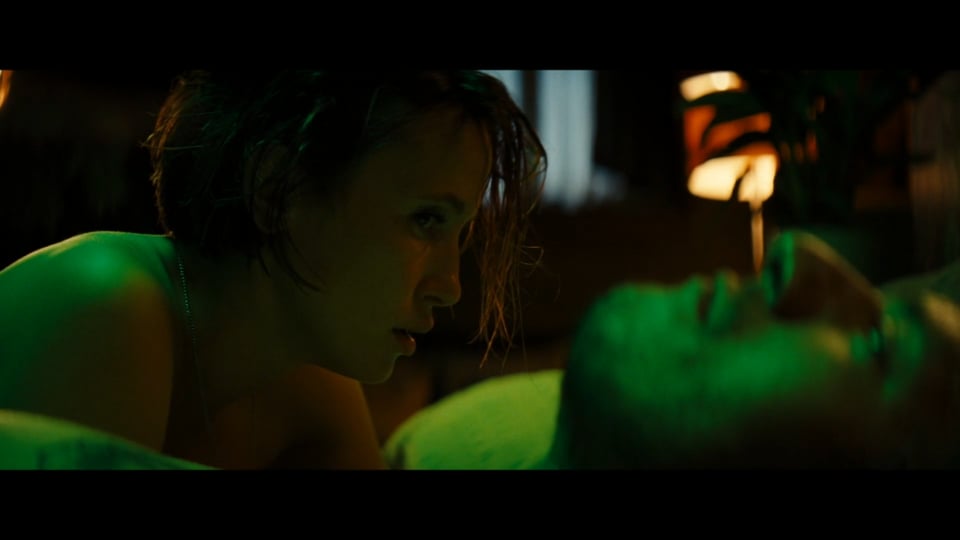
Harriet and Jasper are an artistic couple who supplement their income by producing custom erotic videos for online clients. Their work gives them control over fantasy: clients request it, the couple performs it and the camera turns intimacy into a product. Then a mysterious customer arrives with an unusually lucrative offer and a disturbing set of instructions.
Writer-director Tiago Teixeira transforms that transaction into psychological horror. The client's requests lead Harriet and Jasper toward ritualistic performances recorded on videotape, gradually destabilizing the boundary between creative expression, sexual performance, manipulation and reality. What begins as content they create becomes something capable of reshaping the people creating it.
➡️ Movie Insight: Harriet and Jasper begin as creators selling fantasies they believe they control. The mysterious client reverses that relationship until performance becomes manipulation. The horror comes from realizing that control may have changed hands long before they noticed.
Why This Movie Matters Right Now: Intimate Content Creates New Questions About Who Really Has Control
The expansion of creator-driven platforms has made personalized digital intimacy part of the contemporary media economy. Custom takes that recognizable relationship between creator and anonymous audience and pushes it into horror, asking what happens when financial incentives encourage performers to accept increasingly unfamiliar boundaries.
Importantly, Teixeira has said he did not want the film to become an anti-sex or anti-sex-work morality tale. Harriet and Jasper's sexuality and artistic experimentation belong to who they are; the threat comes instead from the increasingly unequal relationship between creator and client, where money, instructions and anonymity begin shifting control away from the people in front of the camera.
➡️ Why It Matters: Digital culture has made it easier to turn personal expression into content for strangers. That opportunity also raises questions about boundaries, ownership and who ultimately controls the transaction. Custom turns those anxieties into a nightmare where the audience stops behaving like a passive audience.
Should You Watch It?: Erotic Horror for Viewers Who Prefer Atmosphere, Ambiguity and Strange Ideas
Custom is aimed at viewers comfortable with independent horror that prioritizes atmosphere, sexuality and psychological disorientation over conventional scares. Its 76-minute running time keeps the concept concentrated around Harriet, Jasper, their mysterious client and the increasingly disturbing implications of what they are recording.
Teixeira openly acknowledges the influence of David Cronenberg and Clive Barker, while interviews around the film also position it within surreal, experimental and body-horror traditions. The result is better approached as an erotic psychological nightmare than as a straightforward conspiracy thriller.
➡️ Viewing Recommendation: Watch it if strange independent horror matters more than conventional narrative certainty. Its combination of erotic performance, VHS technology and ritualistic imagery deliberately enters uncomfortable territory. The experience is built around losing orientation alongside the characters.
Why Everyone Is Talking About It: A Microbudget Horror Built Its Reputation Through Genre Festivals and Performances
Custom premiered at FrightFest Glasgow in 2024, giving Teixeira's first feature a launch inside the UK horror community. The film subsequently travelled through genre festivals including Razor Reel, Brooklyn Horror Film Festival, Black Sunday Film Festival and Unrestricted View, building attention around its unusual collision of erotic content, analog media and occult horror.
The festival run also produced concrete recognition. Abigail Hardingham won Best Actress at the 2024 Unrestricted View Film Festival. At FIXION Fest 2025, Teixeira won Best Director, Rowan Polonski won Best Actor, and Ted Regklis and Sam Mason won Best Music and Sound Design; FIXION specifically praised the film's dreamlike/fantastical atmosphere and its dark sonic world.
➡️ Viral Potential: Custom has the kind of premise genre audiences can explain in one provocative sentence: custom pornography turns into an occult VHS nightmare. Festival awards give its performances, direction and sound design credibility beyond the hook. Its combination of sex, analog media and psychological horror gives independent-horror communities plenty to debate and recommend.
Why Custom Stands Out: The Camera Is Not Just Recording the Horror — It Becomes Part of the Power Behind It
The VHS mechanism gives Custom its most distinctive narrative device. Harriet and Jasper are already comfortable performing for cameras, so recording itself initially represents creative control rather than danger. The mysterious client exploits exactly that familiarity, requiring them to use videotape as part of increasingly strange assignments.
This creates an effective reversal. The couple make their living converting intimacy into images, but once those images begin escaping their understanding, the medium through which they exercise control becomes the mechanism through which control is taken away.
➡️ Cinema Insight: Custom makes the act of recording inseparable from its horror. Harriet and Jasper are not frightened by cameras because cameras are already part of their creative lives. The nightmare begins when they can no longer be certain that they control what the camera captures.
Movie Trend: Erotic Psychological Horror — When Making Intimate Content for a Mysterious Client Turns a Couple's Private Life Into a Nightmare
Erotic horror increasingly has the opportunity to engage with a world where intimacy can be performed, monetized and customized for anonymous audiences. That creates a contemporary horror mechanism: the danger does not necessarily come from sexuality itself, but from the loss of agency that can occur when intimate expression becomes part of a transactional system.
Custom pushes that mechanism into occult and psychological territory. Harriet and Jasper initially decide what they create, but money draws them into increasingly unfamiliar requests until the distinction between voluntary performance and external manipulation becomes difficult to locate.
Trend Formula:intimate content creation → mysterious high-paying client → unusual instructions → boundaries shift → disturbing recordings emerge → reality destabilizes → obsession escalates → private life becomes the horror → control changes hands
➡️ Movie Trend: Erotic psychological horror can use intimacy to explore power rather than simply provocation. The camera creates a space where desire, commerce and manipulation can become impossible to separate. Custom turns the creator-audience relationship itself into the source of fear.
Broad Trend: Losing Control — When Audiences Are Drawn to Stories Where Something People Thought They Controlled Begins Controlling Them
Losing Control reflects a wider anxiety about systems, technologies, careers and relationships that begin as useful choices but gradually acquire power over the people using them. These stories are compelling because the threat does not arrive from somewhere completely unfamiliar; it grows from something the protagonist originally chose.
That is exactly what happens to Harriet and Jasper. Erotic filmmaking is part of their creative and financial life before the mysterious client appears. Horror begins when an existing activity becomes the route through which another force can influence their behavior, perception and relationship.
Broad Trend Formula:personal control → tempting opportunity → boundaries gradually shift → control becomes uncertain → manipulation escalates → reality feels unstable → fight to regain agency
➡️ Broad Trend: Audiences recognize the fear of realizing that something useful has gradually acquired too much power over them. Losing control is especially disturbing when surrender happens incrementally rather than through one obvious decision. These stories transform everyday compromises into warnings about where agency actually ends.
Why Losing Control Stories Are Popular: Modern Life Depends on Systems We Do Not Completely Control
People increasingly navigate platforms, algorithms, digital identities, employers and online audiences that provide opportunities while simultaneously setting conditions around behavior. Horror intensifies that everyday tension by imagining what happens when the systems people use stop feeling like tools and begin dictating the terms of participation.
➡️ Audience Motivation: Losing-control stories allow viewers to experience helplessness inside a contained fictional nightmare. The attraction comes from watching familiar choices produce increasingly unfamiliar consequences. Horror turns the fear of diminished agency into something audiences can confront from a safe distance.
Viewer Profile: Boundary Breakers - Viewers Seeking Horror That Pushes Into Uncomfortable Sexual and Psychological Territory
Boundary Breakers actively look beyond conventional horror formulas. They are attracted to filmmakers willing to mix genres, confront taboo material and create experiences that may be stranger, more explicit or less easily explained than mainstream horror.
Custom is particularly suited to them because eroticism, art, sex work, analog technology, ritual and psychological horror are allowed to overlap rather than remain separate genre ingredients. Teixeira has described wanting to create a cohesive cinematic world while retaining the more open-ended qualities of his earlier filmmaking.
Audience Dimension | Profile |
Core Audience | Boundary Breakers seeking unconventional independent horror |
Age Group | Adult audiences |
Lifestyle | Genre-engaged viewers comfortable with provocative, experimental and sexually explicit material |
Cinema Taste | Psychological horror, erotic horror, body horror, analog horror and surreal genre cinema |
Streaming Behavior | Discovery through horror festivals, genre platforms, reviews and cult recommendations |
Discovery Mindset | Filmmaker-driven horror, unusual concepts, provocative premises and films outside mainstream formulas |
➡️ Audience Insight: Boundary Breakers want horror to take them somewhere unfamiliar rather than simply repeat reliable scares. They accept ambiguity when it accompanies a distinctive cinematic world. Custom rewards that curiosity by combining forms of horror that rarely occupy the same intimate space.
What This Movie Means for the Industry: Microbudget Horror Can Turn Contemporary Behavior Into High-Concept Genre Cinema
Custom demonstrates the advantage independent horror has when responding to emerging cultural behavior. The personalized-content economy requires little exposition because audiences already understand creators, subscribers, online requests and anonymous customers; horror can therefore take those familiar mechanisms and exaggerate the vulnerabilities inside them.
The film also demonstrates how microbudget production can build visibility through specialist genre ecosystems. FrightFest provided an early platform, while subsequent festivals and awards extended its life before wider streaming availability in markets including the US, Canada and UK.
➡️ Industry Insight: Independent horror does not need large-scale spectacle when it identifies a contemporary anxiety audiences already understand. A provocative concept can travel through festivals before finding a wider streaming audience. Custom shows how cultural immediacy can become production advantage.
Creative Analysis: Intimacy Becomes the Doorway Through Which Control Enters
Custom works creatively because its horror mechanism grows from the protagonists' existing artistic life. Harriet and Jasper do not accidentally discover a cursed object unrelated to them; they invite the threat into a form of creative expression they already understand.
Teixeira has explained that connecting ritual magic to what the couple create was deliberate. Sex, artistic expression and performance therefore become part of the horror's internal logic rather than decorative provocation.
Storytelling
The story begins with a simple transaction: Harriet and Jasper create customized erotic films and receive an unusually lucrative request. The escalating instructions then transform the transaction into mystery, with videotapes and ritual behavior destabilizing their understanding of what they are actually participating in.
That structure makes curiosity important. Every decision to continue promises money or answers while moving the characters deeper into something they understand less.
Direction
Custom is Teixeira's feature directing debut, developed from an earlier short-film concept about a couple turning to sex work during the lockdown period. After that project won a pitch award at the Dark Arts Film Festival in 2022, he expanded the premise into a feature.
His direction deliberately embraces genre influence. Teixeira has acknowledged Cronenberg and Barker, while explaining that he filled his first feature with references to films he loved because he wanted to create within a cinematic world that felt familiar to him.
Performances
Abigail Hardingham plays Harriet, Rowan Polonski plays Jasper, Brad Moore plays Bishop and Samantha Steel plays Bea. Hardingham also became an associate producer after becoming involved in discussions about the script, characters and representation of sex work.
The festival awards reinforce the importance of the central performances: Hardingham won Best Actress at Unrestricted View, while Polonski won Best Actor at FIXION Fest. The latter festival specifically highlighted Jasper's progression through search, discovery and shifting states of mind.
Visual Style
Cinematographer Philipp Morozov shot the film, while Elfide Ozturk handled production design and Cristiana Dini costumes. Teixeira edited the feature himself.
The VHS component creates a deliberate collision between contemporary online sex work and obsolete analog technology. FIXION's jury described the resulting world as retro-futuristic, emphasizing how technological and fantastical elements combine within the film's atmosphere.
Themes
Control is the central theme connecting sex, art, money and horror. Harriet and Jasper initially control their creative work, yet accepting the mysterious commission introduces someone capable of defining increasingly important conditions around that work.
The film also questions what artistic creation requires. Hardingham has described Harriet as believing meaningful art requires risk and collateral, connecting the film's erotic material to a larger tension between creating for oneself and producing what an audience is willing to buy.
What Makes It Different
The most distinctive idea is not simply combining pornography with horror. It is making the creator-audience relationship itself unstable.
The anonymous customer normally exists safely outside the frame, requesting and consuming what performers choose to produce. Custom imagines what happens when that audience crosses the boundary and begins determining not just what the creators perform, but what happens to them.
➡️ Creative Insight: Custom turns artistic freedom into the pathway toward manipulation. Sex, cameras and money initially represent choices Harriet and Jasper make for themselves. Horror emerges when they can no longer tell whether they are creating the performance or performing someone else's design.
If You Liked Custom (2024): Horror Where Media, Obsession and Control Become Dangerous
Rabbit Trap (2025) by Bryn Chainey: When Creative Experimentation Awakens Something the Artists Cannot Control
A married pair of musicians working in rural Wales discover an unusual sound that draws their creative process toward something increasingly uncanny and threatening.
➡️ Why It Connects: Both films begin with couples using media as part of their creative lives. Experimentation gradually becomes the doorway to forces they do not understand. Art stops being something they control and becomes the mechanism through which the unknown enters.
Dead Mail (2024) by Joe DeBoer and Kyle McConaghy: When Analog Technology Pulls an Investigator Into a Disturbing Hidden World
A mysterious plea for help reaches a dead-letter office and draws an investigator into an increasingly sinister mystery connected to obsession, captivity and technology.
➡️ Why It Connects: Both films use tactile analog media to make mystery feel physical rather than purely digital. Technology becomes inseparable from obsession and control. Their retro surfaces conceal worlds that become more disturbing the deeper someone investigates them.
The Substance (2024) by Coralie Fargeat: When a Promise of Greater Control Over the Body Produces the Opposite
An aging celebrity uses a mysterious product promising a younger version of herself, only to discover that the system she voluntarily enters creates increasingly catastrophic demands.
➡️ Why It Connects: Both films begin with characters choosing something that appears capable of giving them greater agency. The arrangement gradually imposes rules that become more powerful than the people who accepted them. Body, identity and control eventually become impossible to separate.
➡️ If You Liked Insight: These films make horror out of systems characters initially choose to enter. Creative opportunity, technological curiosity and bodily transformation all promise greater possibilities before revealing hidden conditions. The nightmare begins when participation becomes harder to stop than it was to start.
Final Verdict: The Audience Becomes Terrifying When It Stops Simply Watching
Custom finds a contemporary horror idea inside a familiar digital transaction: creators produce intimate content while unseen customers pay to consume it. Teixeira's key move is to reverse that power relationship until the anonymous audience is no longer simply requesting a performance but shaping the reality surrounding the performers.
Its microbudget scale, erotic material, analog aesthetic and deliberate ambiguity make it a film for viewers comfortable outside mainstream horror conventions. The result is less interested in condemning sex work than in exploring what happens when creative freedom, money and audience demand become impossible to separate.
➡️ Final Verdict: Custom turns the creator-audience relationship into an erotic psychological nightmare. Its mysterious client converts an opportunity into a gradual surrender of control. The film's most unsettling idea is that Harriet and Jasper may no longer know when they stopped creating the fantasy and started living inside someone else's.
Quick Facts: When the Audience Takes Control of the Performance
Director | Tiago Teixeira |
Screenplay / Writer | Tiago Teixeira |
Lead Cast | Abigail Hardingham / Rowan Polonski |
Key Cast | Brad Moore / Samantha Steel |
Country | United Kingdom |
Year | 2024 |
Runtime | 76 min |
Genre | Erotic Psychological Horror |
Language | English |
Cinematography | Philipp Morozov |
Editing | Tiago Teixeira |
Music / Soundtrack | Ted Regklis |
Sound Design | Sam Mason |
Production Design | Elfide Ozturk |
Costumes | Cristiana Dini |
Production | Obliquebleak Films / Paranoid Android Films |
Producer | Andy Edwards |
Festival Profile | World Premiere — FrightFest Glasgow 2024; subsequent genre-festival circuit |
Awards & Recognition | 4 wins & 1 nomination; Unrestricted View Best Actress for Abigail Hardingham; FIXION Fest Best Director for Tiago Teixeira, Best Actor for Rowan Polonski, Best Music and Sound Design for Ted Regklis and Sam Mason |
Movie Trend | Erotic Psychological Horror — When Making Intimate Content for a Mysterious Client Turns a Couple's Private Life Into a Nightmare |
Broad Trend | Losing Control — When Audiences Are Drawn to Stories Where Something People Thought They Controlled Begins Controlling Them |
Central Characters | Harriet / Jasper |
Core Conflict | A couple's lucrative erotic commission gradually strips them of control over their work, perception and private lives |
Creative Hook | Personalized erotic videos become part of a mysterious ritual recorded on VHS |
Core Themes | Control / intimacy / artistic freedom / audience power / sex work / obsession / technology / manipulation |
Why Watch | A provocative independent horror film combining erotic performance, analog media and psychological disorientation |
Final Insights: Losing Control Is Becoming One of Digital Culture's Most Recognizable Fears
Losing Control resonates because contemporary life increasingly depends on relationships where individuals receive opportunity in exchange for surrendering some degree of agency. Platforms, audiences, employers and technologies may begin as tools, but the balance changes when participation starts determining behavior rather than simply enabling it.
Horror is particularly effective at exposing that reversal because it can make invisible power physically threatening. Custom takes a creator economy built around personalized access and imagines its darkest inversion: the audience no longer wants only the content—it wants control over the people producing it.
➡️ Final Insight: Control is easiest to lose when surrender happens one reasonable decision at a time. The most unsettling systems are often the ones people enter voluntarily because they initially offer something valuable. Custom turns that gradual exchange of agency into the foundation of its horror.
Comments