




Bury the Dead (2024) by Zak Hilditch
- dailyentertainment95

- Mar 21
- 7 min read
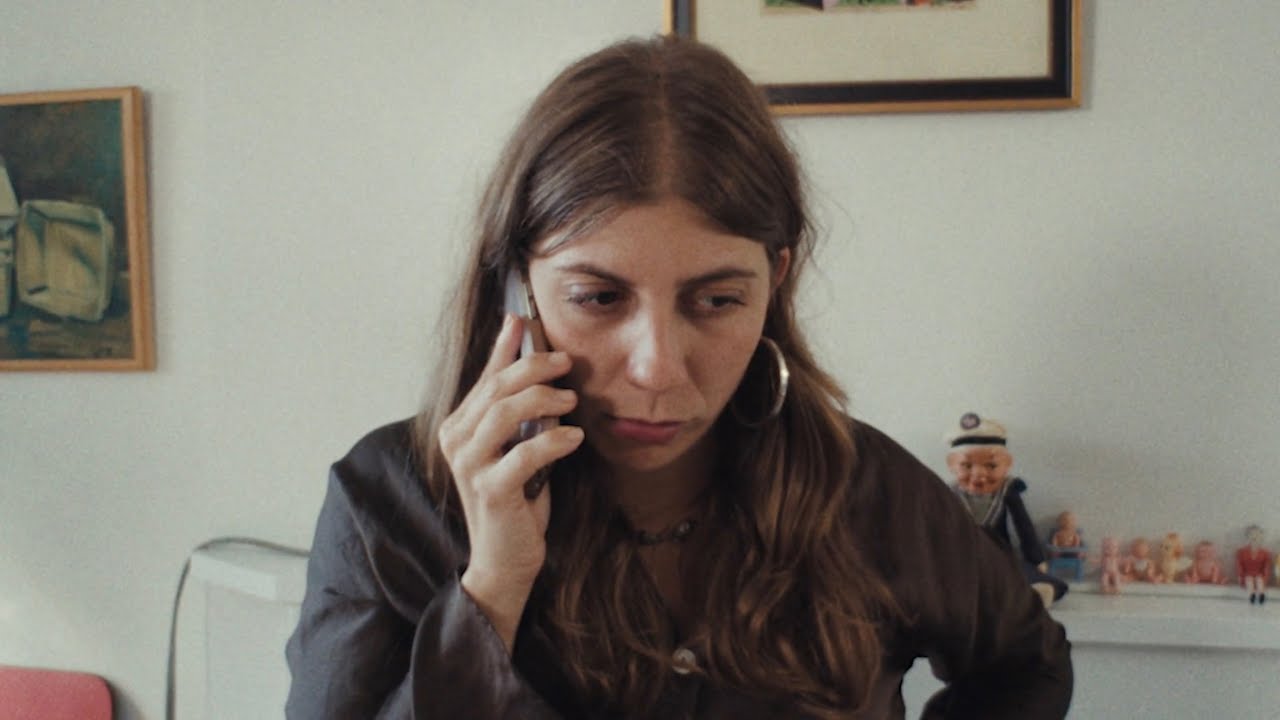
A haunting exploration of grief and survival Horror/Thriller : After a catastrophic military disaster in Tasmania, Ava joins a volunteer body-recovery unit to find her missing husband among the growing piles of the deceased. However, the mission takes a terrifying turn as the corpses don’t just stay down; they begin to hunt the living with a relentless, evolving violence.
Why It Is Trending: The Subversion of High-Octane Horror
The film is trending as a key example of "elevated zombie cinema" that prioritizes atmospheric dread over traditional action beats. Its release window has captured the attention of audiences seeking more substantial, character-driven narratives within the oversaturated survival genre. By placing a global star like Daisy Ridley in a gritty, regional Australian setting, it has generated significant curiosity across both mainstream and indie film circles. The industry is closely monitoring its performance as a test case for whether melancholic "grief-horror" can still command a theatrical and premium VOD presence.
Elements Driving the Trend: Emotional Stakes and Isolationist Tension
The core appeal lies in the narrative focus on a woman’s desperate need for closure amidst a surreal, quiet apocalypse. This specific hook targets fans of "slow-burn horror" who value psychological depth and the exploration of human trauma over constant jump scares. The collaboration between Zak Hilditch and Daisy Ridley provides a high-pedigree creative anchor that elevates the film above standard genre fare. Accessibility through early mystery screenings and strategic festival placements has fueled a polarized but passionate word-of-mouth campaign.
Virality of Movie (Social Media Coverage): The Bait-and-Switch Debate
Social media discussions are heavily divided between viewers praising the film's emotional weight and horror fans debating its "bait-and-switch" marketing. TikTok and X (formerly Twitter) have seen a surge in "ending explained" videos focusing on the film’s metaphorical take on marital guilt and loss.
Critics Reception: Polarized Praise for Ridley’s Restraint
Reviewers have lauded Daisy Ridley’s grounded performance while noting the film’s deliberate, sometimes divisive pacing. Major outlets like The Guardian and ScreenAnarchy have highlighted its unique Australian "Outback Gothic" atmosphere despite some criticism regarding its narrative thinness.
Awards and Recognitions: A Prestigious Festival Foundation
The film secured a high-profile world premiere at SXSW 2025, marking it as a significant "prestige" genre entry. Its regional impact was further cemented by nominations from Australian film bodies, recognizing its effective use of the Western Australian landscape.
We Bury the Dead trends because it challenges the expectation that zombie movies must be fast-paced action spectacles. Its cultural relevance stems from its use of the supernatural as a blunt instrument to examine the messiness of human relationships and regret. This represents an industry opportunity for filmmakers to utilize genre tropes as a Trojan horse for complex, intimate dramas. The market response suggests that while audiences are divided on the execution, there is a clear hunger for "smart" horror that lingers in the mind.
What Movie Trend Is Followed: The Grief-As-Monster Trope
This film follows the "Metaphorical Monster" trend where the external threat—in this case, the rising dead—is a direct manifestation of internal trauma. It defines the trend by stripping away the typical "heroic" survivalism of zombie films and replacing it with a somber, almost ritualistic focus on the dead. This approach is emotionally direct, forcing the audience to sit with the discomfort of loss rather than finding release in combat. It is an audience-friendly way to explore heavy themes like infertility and guilt without losing the commercial safety net of a horror framework.
Trend Drivers: The Shift Toward Psychological Realism
The shift toward grounding supernatural events in raw, human experience is the primary driver behind this specific narrative movement.
What Is Influencing Trend: The A24 Aesthetic Standard
Audiences are increasingly drawn to "A24-style" horror that uses genre elements to heighten emotional stakes. This is fueled by a desire for stories that feel more "real" and less reliant on CGI spectacle or predictable slasher tropes. The movement reflects a broader cinematic shift toward internalizing conflict rather than externalizing it through violence.
Macro Trends Influencing: Regional Horror’s Global Reach
The broader cinematic landscape is seeing a move toward regional, high-quality "international-local" productions that can play globally on streaming services. Globalization of horror has created a market for specific regional aesthetics, like the harsh, beautiful isolation of Tasmania. There is also a post-pandemic cultural fascination with "the aftermath" of disasters and how society recovers—or fails to.
Consumer Trends Influencing: The Preference for Vibe Over Plot
Viewers are currently prioritizing "mood" and "atmosphere" over traditional plot density, often seeking out immersive experiences. There is a visible trend in consumers engaging with "divisive" films that spark heated online debate about genre definitions. Short-form video platforms have allowed these "vibe-heavy" movies to find an audience through visually striking cinematography and sound design.
Audience Analysis: The Sophisticated Genre Enthusiast
The primary audience consists of cinephiles aged 25–45 who enjoy "elevated" genre content that crosses over into drama. This demographic values strong central performances and doesn't mind a slower pace if the thematic payoff feels earned. They are lifestyle-driven viewers who often use film as a medium for discussing social and psychological issues within their digital circles.
The trend works because it provides a prestigious veneer to a traditionally "low-brow" genre, making it more marketable to critics and award bodies. Its scalability is proven by the success of mid-budget films that focus on a single, strong central performance in an isolated location. Market sustainability remains high as audiences continue to seek out horror that "means something" beyond the initial shock. The industry response suggests that "grief-horror" is no longer a niche subgenre but a primary pillar of modern independent cinema.
Final Verdict: A Melancholic Mutation of the Zombie Genre
We Bury the Dead positions itself as a somber, visually arresting entry that favors the heart over the jugular. It serves as an industry signal that the "zombie" label can be successfully repurposed for intimate, small-scale character studies. The film's relevance to identity lies in its exploration of who we become when our past—and our dead—refuse to stay buried. Long-term, it will be remembered as a 2024/2025 standout that prioritized the weight of a body over the thrill of the kill.
Audience Relevance: The Burden of Guilt The film connects with viewers by tapping into the universal anxiety of things left unsaid to those we have lost. It forces the audience to consider the "ghosts" in their own lives and how grief can become a physical, hunting presence.
What Is the Message of Movie: Closure is a Myth The narrative suggests that the search for a "perfect" ending to a relationship is often more dangerous than the truth itself. It highlights that we often bury our secrets and our dead in the same shallow graves.
Relevance to Audience: The Human Aftermath Modern audiences crave stories that acknowledge the exhaustion and slow-burn trauma of surviving a disaster. It offers a low-stakes way to process high-stakes feelings of abandonment and betrayal.
Social Relevance: The Management of Loss The film touches on the cold, bureaucratic reality of mass casualty events and the military's role in "sanitizing" tragedy. It questions the ethics of how we treat the remains of our loved ones during times of national crisis.
Performance: Ridley’s Career-Best Resolution Daisy Ridley delivers an impressively modulated performance that anchors the film’s slow-burning tension with quiet, vibrating grief. Her ability to convey complex shame through silence makes the improbable premise feel grounded in human reality.
Legacy: Australian Outback Gothic This production contributes to the growing prestige of the Australian horror scene, proving it can produce world-class, star-led genre content. It proves that local landscapes can be utilized to create a sense of otherworldly dread that feels entirely unique to the continent.
Success: A Polarizing Market Win The film successfully leveraged its 2026 theatrical launch and early 2025 festival buzz to capture a segment of the audience looking for "thinking person's horror." While its box office was modest, its strong placement on digital charts ensures its survival as a cult favorite.
InsightsThe dead are never as dangerous as the secrets we keep for them. Industry Insight: Using a franchise lead like Ridley for a "small" genre film allows the production to secure global distribution deals that would otherwise be unavailable. Audience Insight: There is a growing fatigue with "action-zombies," creating a vacuum that "dramatic-horror" is successfully filling for mature viewers. Social Insight: The film reflects a modern skepticism toward institutional "official versions" of events, particularly concerning public safety and disasters. Cultural Insight: The "rise of the dead" mirrors a cultural obsession with the past and our inability to move forward from historical and personal traumas.
We Bury the Dead maintains long-term relevance as a case study for subverting audience expectations through careful marketing and tone. Its system-level impact is found in its ability to force a conversation about what "horror" truly means in a post-elevated-cinema world. The market implication is clear: there is a sustainable hunger for "low-noise, high-impact" thrillers that focus on emotional resonance. The industry response indicates that Zak Hilditch has established a foothold as a director capable of making the "unwatchable" parts of grief absolutely gripping.
Summary of the Movie: We Bury the Dead: The Grief Hunt
Movie themes: Grief and Regret. A haunting story about how the secrets of the past literally rise to haunt the living.
Movie director: Australian Auteur. Zak Hilditch directs with a focus on atmospheric dread, following his successful Netflix hit 1922.
Top casting: Franchise Power. Daisy Ridley (Ava) and Brenton Thwaites (Clay) provide raw, emotionally exhausted performances that ground the supernatural elements.
Awards and recognition: SXSW Official Selection. Three nominations across indie and regional award bodies for its writing and lead performance.
Why to watch movie: For fans of "slow-burn" horror like The Babadook or Cargo that value emotional depth over constant action.
Key Success Factors: The film succeeds by pivoting the "zombie" trope into a character study, making the horror feel deeply personal.
Where to watch: Released January 2, 2026; currently available in theaters and for rent on Apple TV and Prime Video.
https://www.justwatch.com/us/movie/we-bury-the-dead (US), https://www.justwatch.com/au/movie/we-bury-the-dead (Australia), https://www.justwatch.com/ca/movie/we-bury-the-dead (Canada), https://www.justwatch.com/uk/movie/we-bury-the-dead (UK), https://www.justwatch.com/de/Film/we-bury-the-dead (Germany)
Comments