



Baby Love (2026) by Joseph Marconi
- dailyentertainment95

- Mar 28
- 6 min read
A fighter’s fall becomes a journey toward healing and identity
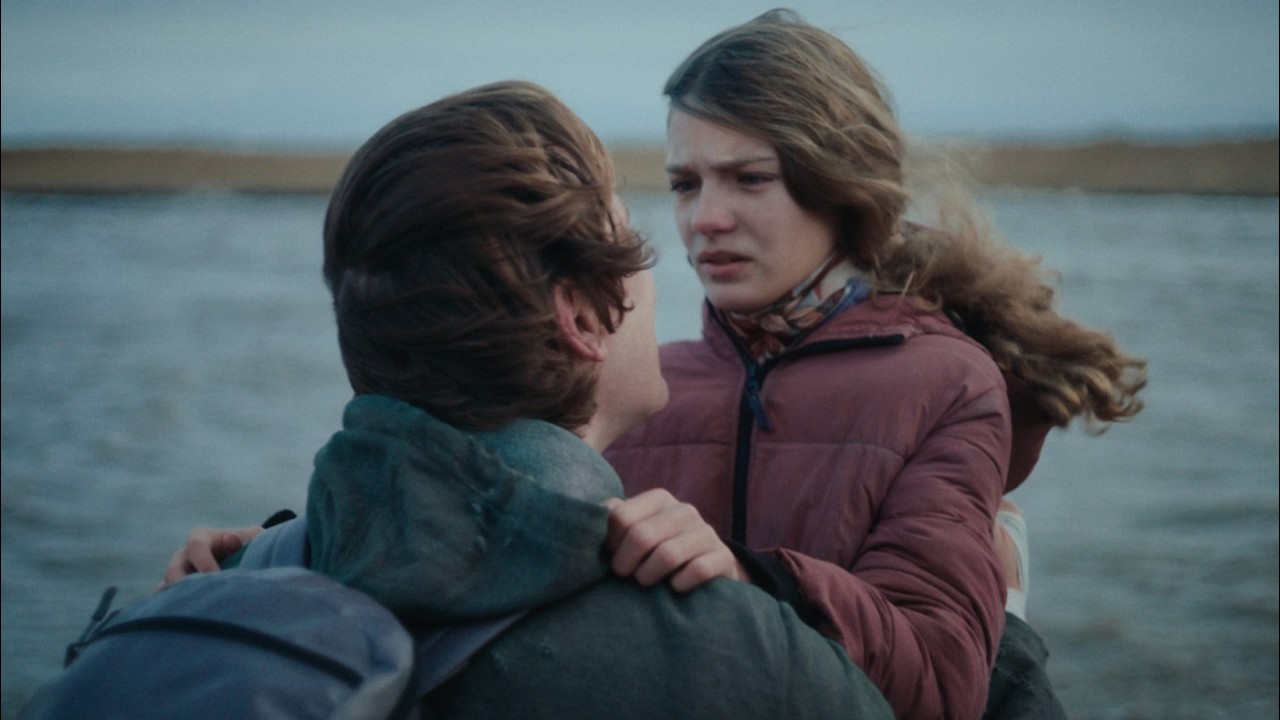
Rhiannon Mitchell, a determined MMA fighter, pushes herself through brutal underground fights in pursuit of success. Her physical resilience is tested when repeated concussions threaten to end her career. Forced into an unconventional equine therapy program, she initially resists the process. Gradually, through connection with horses and fellow participants, she begins to confront her emotional struggles. The journey shifts from physical survival to inner healing. It becomes a story about redefining strength beyond competition.
Why It Is Trending: Sports intensity meets emotional healing narrative
The film is trending due to its blend of high-intensity sports drama with therapeutic and emotional storytelling. It taps into growing interest in athlete mental health and recovery narratives. The use of equine therapy adds a unique and unconventional angle. The story resonates with audiences drawn to transformation and redemption arcs. It aligns with broader conversations around trauma and rehabilitation. Its appeal lies in combining physical grit with emotional vulnerability.
Elements Driving the Trend: Combat sports contrast with therapeutic healing
The core appeal lies in the contrast between violent competition and peaceful recovery. The narrative hook—a fighter forced into therapy—creates tension and curiosity. Director Joseph Marconi frames the story as both physical and emotional evolution. The performance by Kiana Madeira anchors the transformation of the protagonist. The film juxtaposes intensity with introspection. This duality strengthens its emotional impact.
Virality of Movie (Social Media Coverage): Transformation arc drives engagement
Discussions focus on the shift from fighting to healing. Clips highlighting emotional breakthroughs resonate with audiences interested in personal growth.
Critics Reception: Emerging attention with focus on performance and concept
Critical coverage is limited, but early responses highlight the film’s emotional core and unique premise.
Awards and Recognitions: Early-stage positioning within indie and sports drama circuits
The film is in early distribution stages, with potential positioning in festivals such as SXSW Film Festival and Tribeca Festival, known for showcasing character-driven and sports-adjacent narratives.
This positioning reflects its strength as a hybrid sports and personal drama. It reinforces its role as a character-focused indie film.
The film trends because it merges physical resilience with emotional recovery. Its cultural relevance lies in redefining strength beyond performance. It fits within a market increasingly focused on mental health and personal transformation. The industry response supports continued exploration of athlete-centered narratives.
What Movie Trend Is Followed: Athlete recovery and healing-centered storytelling
The film follows the trend of shifting sports narratives from competition to recovery and personal growth. This approach focuses on what happens after physical limits are reached. It emphasizes healing, identity, and emotional resilience. The storytelling moves beyond victory toward transformation. This creates narratives that are introspective and human-centered.
Trend Drivers: Mental health awareness reshaping sports narratives
The increasing visibility of athlete injuries and mental health struggles drives this trend. Audiences are more interested in the human cost of performance. This encourages stories that explore recovery rather than achievement. It deepens emotional engagement with sports storytelling.
What Is Influencing Trend: Alternative therapy and holistic healing
Growing interest in non-traditional therapies, such as equine therapy, influences storytelling. Audiences are open to narratives exploring healing outside conventional systems. This adds uniqueness and authenticity to character journeys.
Macro Trends Influencing: Expansion of wellness-focused storytelling
The industry is increasingly incorporating wellness, recovery, and self-discovery into narratives. This supports films that prioritize emotional growth over external success.
Consumer Trends Influencing: Demand for inspirational and transformative content
Viewers are drawn to stories that combine struggle with redemption. Audiences aged 18–45 engage with narratives that offer both realism and hope. They seek content that inspires while remaining grounded.
Resilient lifestyle audiences seeking balance and transformation
The primary audience includes viewers interested in fitness, wellness, and personal development. They value stories that explore both physical and emotional resilience. This audience connects with narratives about overcoming adversity and redefining identity. They are active in health-conscious and self-improvement communities.
Recovery-Driven Achievers — urban, 18–45, fitness and wellness-oriented individuals who value stories about resilience, healing, and personal transformation beyond success metrics.
The trend works because it reframes strength as recovery rather than dominance. Its scalability lies in its universal themes of struggle and growth. The market sustainability is supported by rising interest in wellness and mental health. The industry response reflects continued investment in human-centered sports narratives.
Final Verdict: A grounded sports drama that redefines strength through healing
“Baby Love” positions itself as a character-driven sports drama focused on recovery and identity. It reflects an industry shift toward emotionally grounded storytelling within athletic narratives. The film emphasizes transformation over competition. Its long-term impact lies in its contribution to wellness-centered storytelling. It signals continued relevance for narratives exploring healing and resilience.
Audience Relevance: A relatable journey from pressure to self-discovery
The film resonates with audiences experiencing burnout, pressure, or identity shifts. Its focus on healing creates strong emotional connection.
The combination of sports and therapy broadens its appeal. It attracts viewers interested in both physical and emotional journeys.
What Is the Message of Movie: True strength lies in healing, not endurance
At its core, the film challenges traditional definitions of strength. It highlights the importance of vulnerability and recovery.
The narrative emphasizes letting go of control and embracing change. It reframes success as balance rather than achievement.
Relevance to Audience: Navigating identity beyond performance
The story connects with viewers facing transitions in career or personal identity. It reflects the struggle of redefining purpose after setbacks.
Its relevance is amplified by its emotional authenticity. It resonates with audiences seeking meaning beyond external success.
Social Relevance: A reflection on athlete health and recovery
The film aligns with broader conversations about concussion awareness and athlete well-being. It highlights the long-term impact of physical trauma.
By focusing on recovery, it promotes awareness around mental and physical health. It contributes to discussions on sustainable performance.
Performance: A committed lead performance drives emotional depth
Kiana Madeira delivers a physically and emotionally demanding performance. Her portrayal captures both intensity and vulnerability.
The supporting cast enhances the therapeutic and grounded tone of the film. It supports the protagonist’s transformation.
Legacy: A meaningful addition to wellness-focused sports cinema
The film has the potential to resonate within sports and wellness-focused storytelling. Its themes ensure continued relevance as mental health awareness grows.
Over time, it may be recognized for its focus on recovery within athletic narratives. Its legacy lies in its emotional sincerity.
Success: Impact driven by message and relatability rather than scale
The film’s success is rooted in its emotional resonance and thematic relevance. Its value lies in connection rather than commercial scale.
It positions itself within a niche of wellness-driven sports dramas. The film’s strength is its authenticity.
InsightsStrength is not just how hard you fight, but how you heal.Industry Insight: The film reinforces the expansion of wellness-focused storytelling within sports cinema. It highlights the demand for narratives that go beyond competition. This trend supports more human-centered filmmaking.Audience Insight: Viewers are increasingly drawn to stories that combine resilience with vulnerability. The film appeals to audiences seeking inspiration grounded in reality. It also encourages emotional reflection.Social Insight: The narrative reflects growing awareness of athlete health, trauma, and recovery. It emphasizes the importance of balance and long-term well-being. The film contributes to these conversations.Cultural Insight: “Baby Love” represents a shift toward redefining strength in modern storytelling. It reinforces the role of cinema in exploring identity and healing. Its cultural value lies in its relatability.
The film’s long-term relevance lies in its alignment with wellness and recovery narratives. It supports a system where storytelling reflects holistic human experiences. Its market implication points toward continued growth in emotionally driven sports dramas. The industry response reflects sustained interest in stories that combine resilience with healing.
Summary of the Movie: Fighting, healing, and redefining strength
• Movie themes:Resilience and recovery — The film explores trauma, healing, and identity beyond competition.
• Movie director:Character-driven realism — Joseph Marconi focuses on emotional transformation within a sports framework.
• Top casting:Transformative lead — Kiana Madeira delivers a performance balancing physical intensity and emotional depth.
• Awards and recognition:Early-stage festival positioning — Potential presence in SXSW and Tribeca circuits.
• Why to watch movie:A powerful story about redefining strength through healing and personal growth.
• Key Success Factors:Combines sports intensity with emotional depth and a unique therapeutic narrative.
• Where to watch:Released March 14, 2026 (United States) — festival and limited distribution.
https://creatics.org/cinejoy/showcase/moviepage/500299/Baby-Love/2026 (available to watch until March 31th, Cinequest Festival)

Comments