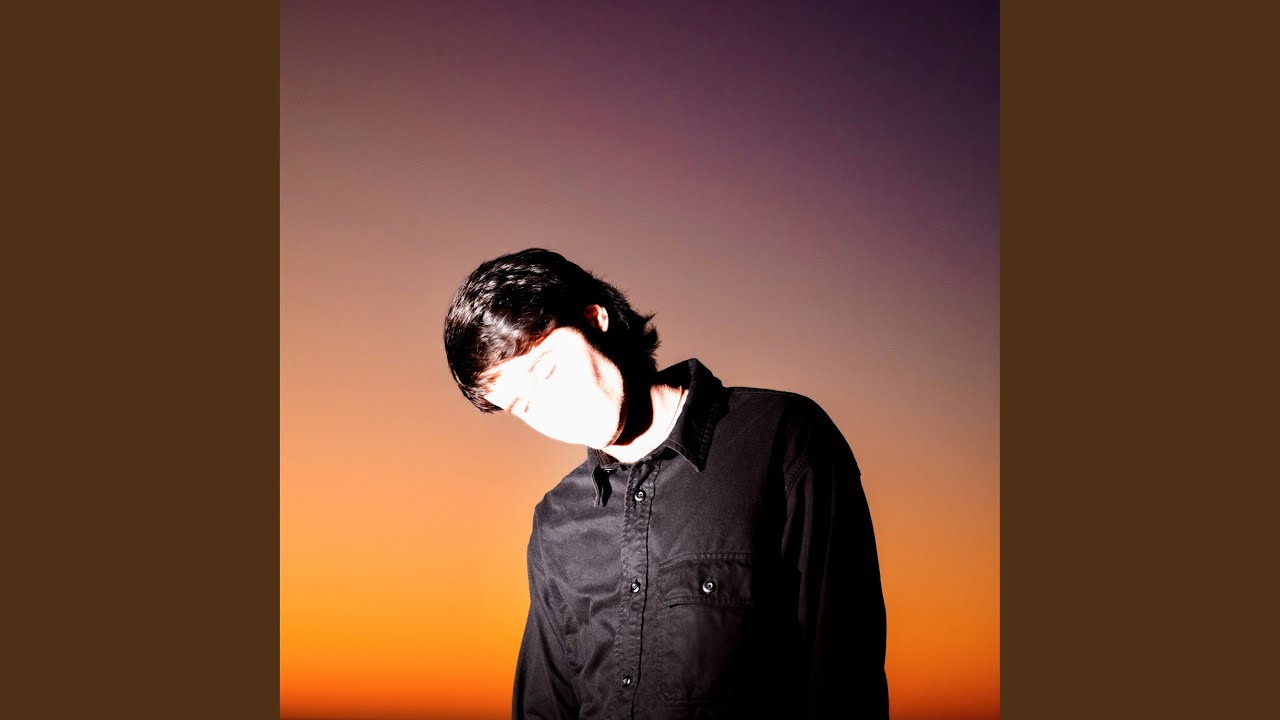


Acts of Love (2025) by Jeppe Rønde: A Danish drama where a brother's return unravels buried secrets in a religious community
- dailyentertainment95

- 3 hours ago
- 8 min read
Summary of the Movie: When the Past Walks Through the Door
Hanna's life in a rural Danish New Age Christian community operates on carefully maintained silence—unspoken rules, buried memories, inherited beliefs never questioned aloud. Jakob's unexpected arrival disrupts the equilibrium, his presence alone surfacing what the community has spent years keeping submerged. What begins as family reunion becomes excavation, every conversation pulling at threads the community needs to stay knotted.
The film accumulates through restraint rather than confrontation, letting tension build in what remains unspoken between siblings who share history the community cannot acknowledge. Rønde's direction stays observational, capturing the suffocating intimacy of closed communities where belief and control become indistinguishable. The pacing mirrors the experience itself—slow revelation, mounting pressure, the inevitable unraveling when the present can no longer sustain the weight of suppressed past.
Hanna confronts long-buried memories as Jakob's presence forces her to choose between community belonging and the truth her brother represents.
Where to watch: https://www.justwatch.com/ (US)
Link IMDB: https://www.imdb.com/title/tt15321652/
Link Review: https://icsfilm.org/festivals/rotterdam/2025-rotterdam/iffr-2025-review-acts-of-love-jeppe-ronde/
Genre: Quiet religious community drama with psychological intensity. Feels less like conventional narrative and more like watching a carefully constructed world begin to fracture from within.
Movie themes: Silence as survival mechanism. The film dissects how closed communities maintain control through what cannot be spoken, and what happens when someone refuses to stay quiet.
Movie trend: Religious community unraveling cinema. Stories where faith-based isolation meets the disruptive force of memory, truth, or external perspective challenging the system's foundation.
Social trend: Cult culture reexamination. Growing cultural fascination with insular religious communities reflects broader questions about belonging, control, and the cost of chosen isolation.
Movie director: Rønde brings observational precision to closed-world drama. His approach trusts silence and accumulation over exposition, letting community dynamics reveal themselves through behavior rather than explanation.
Top casting: Lassen carries Hanna's internal conflict without telegraphing, holding the tension between what she knows and what she can acknowledge. Schmidt's Jakob operates as catalyst rather than protagonist, his presence alone destabilizing everything.
Awards and recognition: 4 nominations. Nordic cinema positioning with European festival momentum building critical and platform discovery.
Release and availability: Theatrical February 10, 2026 in United States. Danish production with international distribution signaling broader appetite for Scandinavian psychological drama.
Why to watch movie: The rare religious community film that resists sensationalism, treating belief and control with psychological precision rather than outsider judgment.
Key Success Factors: Danish New Age Christian setting offers specificity most English-language cult dramas lack, grounding familiar dynamics in unfamiliar cultural texture that generates fresh tension.
Insights: The film works now because it arrives when audiences process religious community dynamics through psychological frameworks rather than purely theological ones, reflecting post-cult-documentary cultural moment.
Industry Insight: Scandinavian psychological drama builds international distribution through festival credibility and platform catalog demand for non-English prestige content. Religious community narratives attract audiences across secular and faith-based demographics when psychological precision replaces sensationalism. Consumer Insight: Audiences respond to closed-community stories exploring control and belonging without requiring villain-victim dynamics, reflecting appetite for complexity over moral clarity. Cultural Insight: Acts of Love positions Nordic cinema as territory for psychologically rigorous religious community drama, establishing cultural and geographic specificity as differentiation from American cult narratives.
The film trends within audiences drawn to Scandinavian psychological precision and post-cult documentary discourse seeking narrative depth beyond true crime. Jakob's return becomes the film's central mechanism—the outsider who is actually the insider, carrying memories the community needs buried to survive. Rønde's restraint honors the complexity of closed communities where belief, control, and genuine connection coexist uncomfortably, refusing easy answers about who escapes and who stays.
Why It Is Trending: Post-Cult Documentary Hunger Meets Nordic Precision
The film arrives when audiences exhausted by sensationalized cult documentaries seek psychological depth over spectacle. Scandinavian cinema's reputation for restraint and moral complexity attracts viewers wanting religious community stories without exploitation or simplification. The New Age Christian setting offers cultural specificity that differentiates it from American evangelical or fundamentalist narratives dominating the conversation. Festival momentum and critical positioning signal prestige discovery for audiences seeking alternatives to English-language drama.
Elements driving the trend:
Atmosphere that sticks: Rural Danish isolation and closed-community rituals create visual and emotional texture that lingers, making the world feel lived-in rather than constructed for outsider judgment.
Relatable emotional tension: The sibling dynamic—one who left, one who stayed—resonates universally beyond religious context, tapping into family loyalty versus self-preservation tensions.
Word-of-mouth discovery: Circulates through Nordic cinema communities and post-documentary audiences as "the cult film that takes belief seriously," spreading through festival and platform recommendation.
Contrast with the market: Where American cult narratives lean toward sensationalism or villain-victim frameworks, this film treats community psychology with observational complexity.
Post-documentary appetite: Audiences saturated with true crime cult content seek narrative films offering psychological depth documentaries cannot sustain across feature length.
Memory as disruption: Jakob's role as memory-keeper resonates with cultural conversation around suppressed trauma and the cost of maintained silence within families and institutions.
Nordic restraint as aesthetic: Scandinavian filmmaking's observational precision attracts audiences tired of over-explained American psychological drama.
Religious community without caricature: The film treats New Age Christian belief as genuine spiritual framework rather than exotic backdrop, generating trust from faith-adjacent audiences skeptical of outsider perspectives.
Insights: Audiences increasingly reward religious community narratives treating belief systems with psychological complexity rather than reducing them to control mechanisms or cult archetypes.
Industry Insight: Nordic psychological drama builds sustainable international audiences through festival prestige and platform catalog positioning, reducing distribution risk for non-English content. Religious community narratives access crossover audiences when cultural specificity replaces generic cult frameworks. Consumer Insight: Post-documentary audiences invest in narrative films offering sustained psychological exploration beyond true crime's surface-level revelation patterns. Restraint and observational distance generate deeper engagement than sensationalized exposure. Cultural Insight: Acts of Love positions Danish cinema as territory for psychologically serious religious community drama, building long-term credibility through complexity over spectacle.
The film trends because it occupies space between documentary exposure and fictional sensationalism—treating closed communities as psychologically legible without requiring viewer judgment. Jakob's presence forces Hanna to choose between competing truths, dramatizing the exact tension anyone raised in closed belief systems eventually confronts. Rønde's refusal to provide external moral framework earns trust from audiences wanting to sit with complexity rather than be told how to feel about what they witness.
What Movie Trend Is Followed: Religious Community Psychology Reaches Maturity
The film belongs to a movement where closed religious communities become subjects for psychological excavation rather than moral condemnation or exotic fascination. The trend matures from outsider exposé into insider perspective, reflecting audiences seeking complexity over clarity in understanding belief-based isolation. Acts of Love exemplifies how restraint and observational distance generate deeper understanding than sensationalized revelation, trusting viewers to navigate moral ambiguity. The movement solidifies as filmmakers recognize that genuine belief and institutional control coexist without canceling each other out.
Macro trends influencing: Cult documentary saturation drives audiences toward narrative films offering psychological depth beyond true crime's revelation-focused structure.
Macro trends influencing — economic & social context: Growing social isolation and online community radicalization make closed belief systems feel less foreign and more psychologically urgent to understand.
Description of main trend: Religious community psychology cinema examines faith-based isolation through insider perspective, treating belief systems as complex rather than reducible to control or delusion.
Implications for audiences: Viewing shifts from outsider judgment toward psychological recognition, offering frameworks for understanding how closed communities sustain themselves emotionally and socially.
Audience motivation: Viewers seek nuanced exploration of belonging, control, and belief rather than simplified villain-victim narratives cult documentaries typically provide.
Related movie trends: Connects to post-cult psychological drama, Scandinavian restraint cinema, and family secret excavation narratives where silence maintains fragile equilibrium.
Related audience trends: Aligns with deconstruction communities, religious trauma discourse, and growing cultural literacy around cult psychology and high-control group dynamics.
Movies using this trend:
The Endless (2017): Former cult members return to their community, discovering belief and reality blur in ways outsider perspective cannot explain.
Apostle (2018): Religious community isolation meets psychological horror, exploring how faith-based systems sustain themselves through control and genuine belief simultaneously.
Midsommar (2019): Cult community examined through immersive insider perspective, refusing to reduce ritualized belief to simple manipulation.
Sound of Metal (2019): Deaf community functions as closed system where belonging requires surrendering previous identity, exploring community psychology without cult framing.
The Other Lamb (2019): Young woman raised in patriarchal religious community begins questioning the system from within rather than escaping to outside perspective.
Heretic (2024): Religious belief examined through psychological pressure rather than theological argument, exploring how control operates through genuine faith rather than despite it.
Insights: Religious community cinema resonates now because audiences recognize that closed belief systems operate through psychological complexity rather than simple manipulation, demanding narratives honoring that reality.
Industry Insight: Scandinavian psychological drama builds international catalog value through festival credibility, rewarding observational restraint over sensationalized revelation. Low-budget closed-community films reduce production risk while generating sustained critical conversation. Consumer Insight: Post-documentary audiences align with narrative films offering psychological depth documentaries cannot sustain, investing in complexity over exposure. Restraint generates deeper engagement than sensationalism for viewers processing their own religious or family system experiences. Cultural Insight: Religious community psychology cinema reshapes how closed belief systems get portrayed, establishing psychological complexity as more culturally valuable than outsider condemnation or exotic fascination.
The trend positions religious communities as psychologically legible rather than morally foreign, challenging filmmakers to examine belief systems from within rather than judge them from outside. The industry can respond by commissioning closed-community narratives prioritizing psychological observation over revelation mechanics, recognizing that audiences process these stories through personal frameworks rather than purely as entertainment. Distribution should position religious community films beyond niche faith or ex-cult audiences, acknowledging that family systems, belonging, and control resonate universally regardless of theological specificity.
Final Verdict: Silence Cannot Hold Forever
Acts of Love's cultural role lies in treating religious community psychology with the seriousness it deserves, arriving when audiences need frameworks for understanding closed systems beyond simplistic cult narratives. Rønde refuses both condemnation and romanticization, holding the complexity of genuine belief coexisting with institutional control. The impact accumulates through festival circulation and Nordic cinema communities rather than mainstream momentum. The film outlasts its limited release because questions about belonging, silence, and suppressed memory never lose cultural urgency.
Meaning — Belief and Control Are Not Opposites: The film ultimately says that religious communities sustain themselves through genuine faith and systematic control simultaneously, and that leaving or staying are both forms of survival rather than moral positions. Hanna's choice carries no clear resolution because the film refuses to simplify what communities like hers actually are.
Relevance — Post-Cult Culture Needs Nuance: It connects now because audiences processing religious trauma or deconstructing faith need narratives acknowledging that closed communities operate through psychological complexity rather than simple manipulation. The New Age Christian framing expands beyond evangelical or fundamentalist narratives dominating American discourse.
Endurance — Psychology Over Exposure: The film's shelf life depends on sustained interest in religious community psychology rather than cult spectacle, positioning it for long-tail discovery among audiences seeking depth beyond documentary revelation patterns. Films treating belief seriously rather than sensationally maintain relevance across cultural shifts.
Legacy — Nordic Standards for Closed Communities: Acts of Love establishes Danish cinema as territory for psychologically rigorous religious community drama, creating a template for filmmakers examining closed systems through observational restraint rather than outsider judgment. Rønde's approach expands what religious community cinema can honestly explore.
Insights: The film's longevity stems from examining questions about silence, memory, and institutional belonging that grow more culturally urgent rather than less, ensuring ongoing discovery across generations processing similar dynamics.
Industry Insight: Nordic psychological drama builds durable catalog value through festival prestige and critical positioning, rewarding complexity over accessibility for platform audiences seeking alternatives to English-language content. Religious community narratives reduce production cost while generating sustained conversation disproportionate to budget. Consumer Insight: Audiences return to films validating the psychological complexity of their own religious or family system experiences, building loyalty around narratives refusing simplification. Restraint and observational distance offer more lasting value than sensationalized exposure. Cultural Insight: Acts of Love signals that religious community narratives treating belief with psychological seriousness generate deeper cultural credibility than outsider condemnation or exotic fascination, establishing complexity as more valuable than moral clarity.
The entertainment industry can respond by commissioning closed-community narratives across cultural and religious contexts, trusting that psychological observation resonates more broadly than theological specificity suggests. Investment in Scandinavian and Nordic cinema expands beyond crime thriller into psychological drama territory, recognizing that restraint and complexity build loyal international audiences algorithmic content cannot replicate. The future belongs to films honest enough to sit inside closed systems without requiring viewers to condemn or romanticize them—Acts of Love demonstrates that restraint completely, offering no exit where none honestly exists.
Comments