




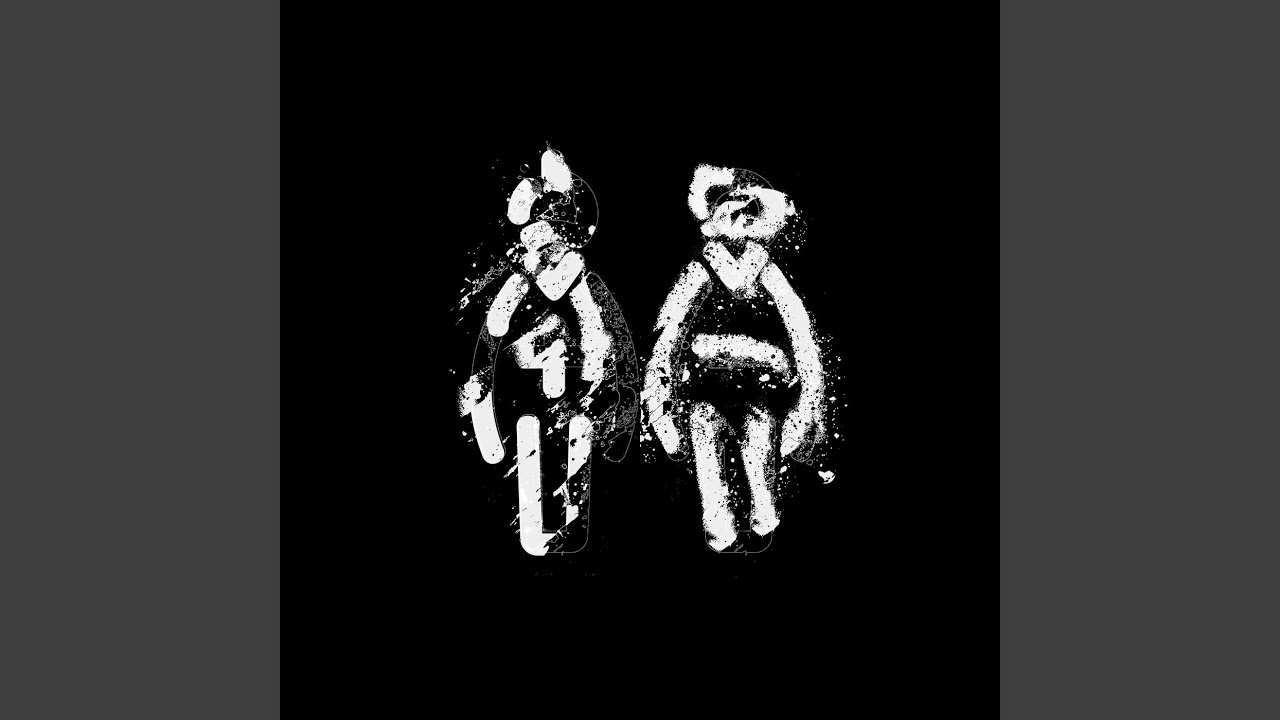
Òpi (2026) by Marta Giec

PL | 2026 | 1h 35m | Horror
➡️ Where to Watch: Festival Scope Pro — Industry Professionals / Festival Circuit
When Escaping Home Cannot Erase Where Someone Comes From
Eighteen-year-old Trina is preparing to escape her toxic mother when mysterious relatives from Kashubia arrive and disrupt that plan. Their presence exposes long-buried family secrets and introduces her to unsettling rituals rooted in Kashubian folklore, forcing Trina to confront a legacy she did not choose but may nevertheless carry.
Marta Giec's Òpi turns the familiar desire to escape a difficult family into something much larger. Trina initially believes distance can provide freedom, but her relatives reveal connections extending beyond her immediate relationship with her mother. Family becomes ancestry, ancestry becomes folklore, and the past begins asserting itself within the present.
➡️ Movie Insight: Òpi transforms family inheritance into supernatural confrontation. Trina can attempt to leave her mother, but leaving home cannot automatically separate her from the history, traditions and secrets that existed before her. Horror emerges from discovering that identity may contain roots deeper than personal choice.
Why This Movie Matters Right Now: Horror Is Returning to Ancestral Roots
Contemporary horror increasingly finds fear not in anonymous supernatural forces but in inherited histories. Families carry stories, rituals, beliefs and secrets across generations, creating protagonists whose encounters with the supernatural simultaneously become encounters with their origins.
Òpi makes this especially distinctive through its Kashubian setting and folklore. Trina is not simply confronted by something strange; the unsettling rituals introduced by her relatives belong to a cultural and familial world connected to her own ancestry.
That turns the traditional horror question of "What is happening?" into something more personal: "What does this have to do with where I come from?"
➡️ Trend Insight: Ancestral Horror makes heritage both a source of identity and a source of uncertainty. The past is not safely historical because traditions, secrets and unresolved family histories continue shaping the present. Òpi turns discovering one's roots into the beginning of supernatural confrontation.
Should You Watch It?: Folk Horror Where Family History Becomes the Mystery
Òpi is particularly suited to viewers drawn to folk horror, dysfunctional family stories and supernatural mysteries grounded in specific regional traditions. Its premise combines a recognizable coming-of-age desire for independence with a much older world of family inheritance and ritual.
The Kashubian element is particularly important because it gives the supernatural mythology cultural specificity. Trina's confrontation with family history therefore becomes simultaneously personal, generational and regional.
➡️ Viewing Recommendation: Òpi is strongest for viewers who prefer horror where mythology grows from culture rather than appearing as an unexplained supernatural device. Trina's family becomes the bridge between contemporary life and ancestral tradition. Her attempt to escape one identity consequently forces her to discover another.
Why Everyone Is Talking About It: Kashubian Folklore Gives Folk Horror a Different Cultural World
Folk horror frequently draws from traditions deeply connected to particular landscapes and communities. Òpi brings Kashubian heritage into that framework, using mysterious relatives and unsettling rituals to connect Trina's contemporary family conflict with a much older cultural world.
That specificity gives the film a distinctive identity. Rather than relying on generalized occult imagery, the premise connects supernatural uncertainty to a recognizable regional heritage within Poland.
The tension is particularly effective because Trina initially wants separation from family. Instead, new family members arrive and expand the definition of what her family actually means.
➡️ Viral Potential: Òpi has a strong discovery hook because Kashubian folklore gives its supernatural world a culturally distinctive identity. Audiences attracted to regional mythology and folk horror encounter traditions less commonly represented internationally. Trina's family mystery provides an accessible emotional route into that unfamiliar cultural world.
Why Òpi Stands Out: The Past Arrives Through the Front Door
Trina does not begin by deliberately investigating her ancestry. Her ancestry arrives in the form of unexpected relatives.
That reverses the familiar roots-discovery narrative. Instead of choosing to search for where she comes from, Trina is forced into contact with a family history just as she is trying to leave her existing family behind.
The timing creates the central contradiction. Independence appears to require moving forward, yet understanding what is happening requires looking backward.
➡️ Cinema Insight: Òpi makes ancestry difficult to categorize as either comforting or threatening. Cultural roots can provide belonging while family history can contain secrets people would rather leave buried. By holding both possibilities together, the film turns heritage itself into an uncertain space.
Movie Trend: Ancestral Horror — When the Past Returns Through Relatives, Rituals and Folklore to Confront Younger Generations With Identities They Thought They Could Escape
FAMILY CONFLICT → ATTEMPTED ESCAPE → ANCESTRAL RETURN → BURIED SECRETS → OLD RITUALS → DARK LEGACY → PAST CLAIMS THE PRESENT
Ancestral Horror transforms inheritance into something active. The younger generation does not simply learn about previous generations; the past intrudes upon contemporary life through beliefs, traditions, secrets and supernatural forces that refuse to remain historical.
Òpi establishes that mechanism through Trina's attempted escape. She initially understands her family problem through her relationship with her toxic mother, suggesting that independence might provide the solution.
The arrival of her Kashubian relatives expands the timeline. Her mother's behavior may belong to a family story that started much earlier, while unsettling rituals reveal cultural connections Trina has not previously understood.
The horror therefore moves backward before it moves forward.
➡️ Movie Trend: Ancestral Horror asks whether people can ever completely separate themselves from what previous generations leave behind. Òpi makes that inheritance both familial and cultural. Trina's journey toward independence unexpectedly becomes a confrontation with ancestry.
Broad Trend: Return to Roots — When Family Origins and Regional Heritage Regain Importance as People Search for Stronger Connections With Where They Come From
MODERN IDENTITY → DISTANCE FROM ORIGINS → REDISCOVERY → FAMILY HISTORY → CULTURAL TRADITIONS → ANCESTRAL CONNECTION → IDENTITY RECONSIDERED
Return to Roots reflects a broader interest in origins, ancestry, local traditions and cultural identities that can become less visible within contemporary life. Looking backward can provide continuity and belonging, particularly when modern identities feel increasingly mobile and fragmented.
Yet returning to roots does not guarantee comfort. Family histories can contain conflict alongside belonging, while traditions inherited from previous generations may clash with the identities younger people are building for themselves.
Òpi turns that tension into horror. Trina is attempting to define herself through separation when her ancestral world suddenly demands recognition.
The question therefore becomes less about whether roots exist and more about what relationship the present should have with them.
➡️ Broad Trend: Return to Roots reflects a renewed desire to understand identity through origin, ancestry and local culture. Yet rediscovering heritage can reveal uncomfortable histories alongside belonging. Òpi captures that contradiction by making Trina's encounter with her roots simultaneously a cultural discovery and a supernatural threat.
Why Ancestral Horror Is Growing: The Past Offers Stories Modern Life Cannot Completely Replace
Folk traditions give horror something particularly valuable: supernatural systems that already belong to communities, landscapes and cultural memory. Rather than inventing mythology from nothing, filmmakers can explore beliefs that connect contemporary characters with generations who inhabited the same cultural world before them.
The progression becomes:
FORGOTTEN TRADITION → CULTURAL REDISCOVERY → ANCESTRAL CONNECTION → SUPERNATURAL MEANING → CONTEMPORARY CONFLICT
This also makes regional specificity an advantage. The more culturally grounded the mythology becomes, the more distinctive the fictional world can feel.
Òpi uses Kashubian folklore for precisely this reason. Trina's experience can be intensely personal while simultaneously opening a window onto a larger cultural inheritance.
➡️ Audience Motivation: Ancestral Horror appeals to viewers seeking mythology with a sense of history behind it. Rituals become more compelling when they appear connected to generations of belief rather than invented solely to frighten contemporary characters. Cultural discovery and supernatural discovery consequently happen together.
Viewer Profile: Folklore Explorers - Viewers Drawn to Horror That Opens Doors Into Unfamiliar Cultural Traditions
Audience Dimension | Profile |
Core Audience | Folk-horror, supernatural-horror and coming-of-age viewers |
Lifestyle | Culturally curious audiences interested in regional identities, mythology and family histories |
Cinema Taste | Folk horror, ancestral mysteries, dysfunctional families and culturally specific supernatural stories |
Story Motivation | Discovering how buried histories continue influencing younger generations |
Discovery Mindset | Attracted to unfamiliar folklore and regional traditions rarely centered in mainstream horror |
Emotional Driver | Tension between independence and belonging |
Cultural Driver | Curiosity about ancestry, rituals and identities carried between generations |
Folklore Explorers want supernatural storytelling to reveal something beyond the supernatural itself. Mythology becomes a route into communities, histories and belief systems that give horror cultural texture.
➡️ Audience Insight: Òpi offers two discoveries simultaneously: Trina discovers the hidden dimensions of her family while audiences encounter the Kashubian traditions connected to that history. Family mystery becomes cultural exploration.
What This Movie Means for the Industry: Local Folklore Can Make Horror More Internationally Distinctive
Global accessibility does not require cultural neutrality. Horror can become more distinctive internationally precisely by becoming more specific locally.
Òpi illustrates that opportunity through Kashubian folklore. Rather than constructing another generic supernatural mythology, the film can draw its identity from traditions connected to a particular region and community.
The formula becomes:
REGIONAL CULTURE + FAMILY HISTORY + ANCESTRAL RITUAL + CONTEMPORARY PROTAGONIST = ANCESTRAL HORROR
This creates considerable territory for filmmakers. Regional folklore contains creatures, rituals, beliefs and oral traditions capable of supporting genre storytelling while simultaneously preserving cultural specificity.
➡️ Industry Insight: Folk horror demonstrates how local storytelling can become an international differentiator. Audiences do not necessarily need to recognize a mythology before entering the story; unfamiliarity can become part of the attraction. Òpi uses Kashubian heritage not as background decoration but as the element distinguishing its supernatural world.
Creative Analysis: When Leaving Home Leads Back Into the Past
Storytelling: Escape Becomes Discovery
Òpi begins with forward movement: Trina intends to leave her toxic mother. The arrival of mysterious relatives reverses that direction, forcing her backward into family history before she can determine what independence actually means.
Direction: Marta Giec Connects Coming-of-Age With Folk Horror
Marta Giec's premise brings two narrative movements together. Coming-of-age pushes Trina toward independence, while ancestral horror pulls her toward family history. The tension between those directions gives the story its central structure.
Performances: Trina Becomes the Bridge Between Generations
Wiktoria Kruszczynska's Trina occupies the center of an intergenerational female ensemble that includes Gabriela Muskała as Ula, Magdalena Boczarska as Helena and Iwona Bielska as Regina. Their presence allows family history to become embodied through different generations rather than existing only as exposition about the past.
Visual Style: Contemporary Poland Meets an Older Ritual World
The Polish setting allows the contemporary world and Kashubian folklore to exist within the same cultural geography. Familiar spaces can acquire different meanings once Trina begins understanding the traditions and histories attached to them.
Themes: Identity, Inheritance and the Limits of Escape
Trina's desire to leave raises a larger question about what escape can actually accomplish. Physical distance may separate someone from a difficult family relationship, but ancestry, memory and inherited identity do not disappear simply because someone moves away.
What Makes It Different: Kashubian Folklore Gives the Horror Cultural Specificity
Òpi's most distinctive element is the connection between Trina's family mystery and Kashubian tradition. The supernatural does not exist independently from identity; understanding one requires confronting the other.
➡️ Creative Insight: Òpi turns the search for independence into an unexpected journey toward ancestry. Trina wants to determine who she will become by escaping the family she knows, only to discover a much larger family history waiting behind it. Horror emerges from the possibility that becoming independent may first require understanding what has been inherited.
If You Liked Òpi: When Ancestral Worlds Refuse to Stay Buried
The Bride! (2026) by Maggie Gyllenhaal: When the Past Is Rebuilt for a New Identity
A familiar Gothic mythology is reconstructed around a woman brought back to life who refuses to remain defined by the identity others intended for her. While more Gothic than folk horror, it connects with Òpi through the collision between inherited narratives and characters attempting to determine who they will become.
➡️ Why It Connects: Both films explore identities shaped by forces that existed before their protagonists could choose for themselves. Trina confronts an ancestral family legacy, while the Bride confronts an identity literally constructed for her by others.
Fréwaka (2025) by Aislinn Clarke: When Folklore Reveals That the Past Never Really Left
A care worker carrying personal tragedy arrives in a remote Irish community where an elderly woman remains terrified by the Na Sídhe and by events buried deep within local memory. Ancient folklore, generational trauma, superstition and cultural identity gradually become impossible to separate. Wildcard Distribution
➡️ Why It Connects: This is the closest companion to Òpi. Both films use culturally specific folklore to connect contemporary women with unresolved histories inherited from previous generations, making a return to cultural roots simultaneously a discovery of belonging and a confrontation with something disturbing.
The Devil’s Bath (2024) by Veronika Franz and Severin Fiala: When Old Beliefs Control Everyday Life
Set in 18th-century Austria, The Devil’s Bath immerses its protagonist in a rural world shaped by religion, social expectations, inherited beliefs and traditions that determine how suffering can be understood and expressed. Its folk-horror atmosphere emerges from a culture in which the individual remains deeply embedded within collective traditions. Moviefone
➡️ Why It Connects: Òpi brings ancestral beliefs into a contemporary young woman's life, while The Devil’s Bath places its protagonist directly inside the historical world from which such traditions emerge. Together they demonstrate two sides of Return to Roots: rediscovering inherited culture in the present and experiencing the social world that originally produced those beliefs.
➡️ If You Liked Insight: These films show different ways the past can remain active inside the present. Family inheritance, cultural mythology, ritual and inherited belief systems become forces contemporary characters cannot simply dismiss because they belong to earlier generations. Like Òpi, they turn the Return to Roots into something more complicated than rediscovering heritage: returning to the past can reveal belonging, but it can also uncover what previous generations never resolved.
Final Verdict: Escaping a Family Is Different From Escaping an Inheritance
Òpi begins with a recognizable coming-of-age desire: Trina wants distance from a toxic parent and the freedom to construct her own life. The arrival of her Kashubian relatives complicates that apparently straightforward solution by revealing that family extends beyond the person she wants to leave.
Its strongest conceptual move is connecting that discovery with folklore. Ancestry becomes tangible through rituals, secrets and a dark legacy, transforming Trina's search for independence into a confrontation with the cultural and familial histories behind her identity.
➡️ Final Verdict: Òpi turns ancestry into horror by making the past something Trina must actively confront rather than simply learn about. Her attempt to escape home opens a much larger question about whether independence requires rejecting one's roots or understanding them. Kashubian folklore gives that conflict a culturally distinctive supernatural language.
Quick Facts: When Kashubian Folklore Reveals a Hidden Family Legacy
Title | Òpi |
Director | Marta Giec |
Writers | Marta Giec, Dominika Kloczewiak |
Stars | Wiktoria Kruszczynska, Gabriela Muskała, Magdalena Boczarska |
Year | 2026 |
Runtime | 1h 35m |
Country | PL |
Language | Polish |
Release Date | September 23, 2026 (PL) |
Filming Location | Poland |
Movie Trend | Ancestral Horror |
Broad Trend | Return to Roots |
Core Conflict | Trina's attempt to escape her toxic mother is disrupted by Kashubian relatives who expose family secrets and a disturbing ancestral legacy. |
Creative Hook | A contemporary family crisis opens the door to unsettling rituals rooted in Kashubian folklore. |
Core Themes | Ancestry, identity, family secrets, independence, inheritance, cultural roots, folklore, ritual |
Final Insights: When Moving Forward Requires Looking Back
Return to Roots reflects a wider tension within contemporary identity: independence encourages people to define themselves individually, while ancestry reminds them that identity also develops through histories, cultures and relationships that existed long before them. Rediscovering those roots can create belonging, but it can also uncover parts of family and cultural history that complicate the identity someone hoped to construct independently.
Ancestral Horror turns that contradiction into genre storytelling. The past becomes active, inherited and sometimes threatening, while younger protagonists must decide what relationship they will maintain with it. Òpi makes that tension particularly distinctive by grounding Trina's confrontation in Kashubian family history and folklore.
➡️ Final Insight: Roots can provide belonging without determining destiny. Òpi turns that tension into horror by confronting Trina with an ancestral identity just as she is trying to create an independent one. The future remains hers to pursue, but the past demands to be confronted before it can be left behind.
Comments