
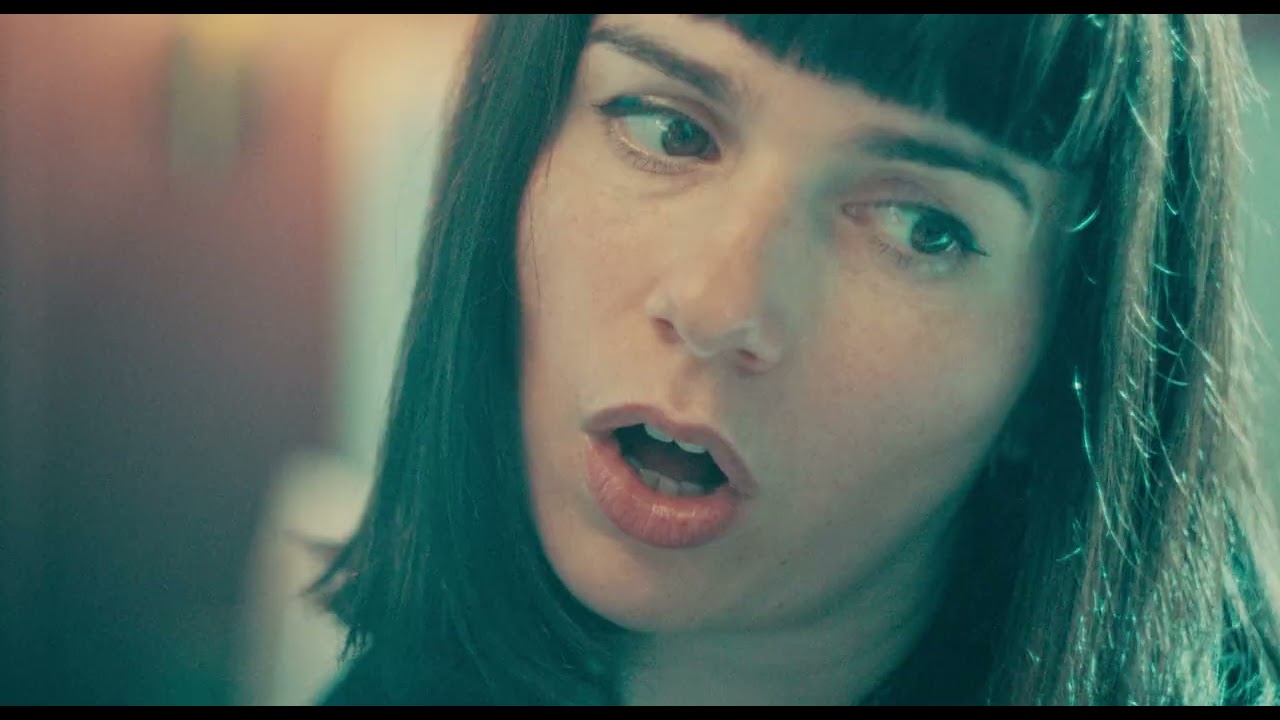


You Believe in Angels, Mr. Drowak? (2025) by Nicolas Steiner:A brutalist black-and-white tragicomedy where alcoholism meets bureaucratic absurdism
- dailyentertainment95

- 5 hours ago
- 8 min read
Summary of the Movie: Loneliness finds a deadline and a muse
The film operates in the space where creative coercion meets human connection, treating government-mandated art as the unlikely catalyst for an alcoholic recluse's transformation. It's a surrealist fable that asks whether bureaucracy can accidentally generate beauty by forcing broken people to produce it. Nicolas Steiner traps his characters in brutalist concrete architecture and forces poetry out of despair.
Where to watch: https://www.amazon.de/-/en/Nicolas-Steiner/dp/B0G7LKR8YD (Germany)
Link IMDB: https://www.imdb.com/fr-ca/title/tt34959040/
Link Review: https://www.moviejones.de/filme/51579/kritik/kritik-sie-glauben-an-engel-herr-drowak_8499.html
Genre: The film blends tragicomedy with surrealist drama, using black-and-white cinematography and ultra-wide lenses to create alienation and beauty simultaneously—tension builds through awkward social encounters, creative frustration, and the slow thaw of a man who's chosen isolation over life
Movie plot: Hugo Drowak, an elderly alcoholic living in squalor among empty bottles, must participate in a government creative writing course to keep his apartment—optimistic student Lena becomes his assigned motivation coach, attempting to coax poetry from a man who wants the world to end
Movie themes: Isolation as self-protection, bureaucracy as accidental intervention, creative expression as survival mechanism, the erotics of mentorship across age/temperament divides
Movie trend: Part of European arthouse cinema treating social services and state intervention as surrealist comedy—fits alongside films making bureaucracy the absurdist backdrop for human connection
Social trend: Reflects growing conversations about loneliness epidemics, aging populations in urban decay, and whether institutions can address mental health through mandated creativity
Movie director: Nicolas Steiner's fiction feature debut after acclaimed documentaries like Above and Below (2015)—known for lyrical widescreen compositions and outsider portraits, transitioning documentary precision into surrealist narrative
Top casting: Karl Markovics plays Hugo with grumpy nihilism that conceals poetic talent; Luna Wedler brings determined optimism as Lena; Lars Eidinger appears as bureaucrat demanding artistic output; Dominique Pinon as eccentric neighbor Edgar
Awards and recognition: World premiere Shanghai International Film Festival 2025, Best Cinematography (Markus Nestroy), European premiere opening Max Ophüls Prize festival January 2026, 7.8 IMDb rating from early festival audiences
Release and availability: December 18, 2025 Germany theatrical release, January 19, 2026 Max Ophüls Prize opening night, distributed by X Verleih
Why to watch movie: For fans of brutalist aesthetics meeting poetry, surreal European comedy that makes bureaucracy look like Jeunet film, ultra-wide lens fetishists
Key Success Factors: You Believe in Angels scores through visual precision over narrative momentum—the cinematography creates architectural poetry that elevates a familiar odd-couple story into something visually stunning
Insights: Government mandates accidentally generate beauty—bureaucracy as muse works when coercion meets compassion
Industry Insight: Documentary filmmakers transitioning to fiction bring compositional rigor and outsider empathy—festival circuits reward visual distinction in arthouse tragicomedy space. Consumer Insight: Audiences seek arthouse films treating social isolation as both comedy and tragedy—surrealist aesthetics make loneliness beautiful enough to watch for 127 minutes. Brand Insight: Black-and-white cinematography signals prestige positioning—ultra-wide lenses and brutalist architecture create Instagram-ready frames that market themselves through visual singularity.
The film operates as both social commentary and visual art installation, treating Hugo's cluttered apartment and the surrounding concrete architecture as characters themselves. Steiner's documentary background shows in patient observation—scenes linger on bottles, rats, and reflections rather than rushing plot. It's a 127-minute exercise in finding beauty in decay, where mandatory creative writing becomes the least absurd thing about a system forcing connection on people who've chosen isolation.
Why It Is Trending: Loneliness goes arthouse—bureaucracy becomes the accidental hero
The film arrives as European cinema grapples with aging populations and social isolation crises. You Believe in Angels capitalizes on renewed interest in films treating state intervention as surrealist comedy rather than dystopian nightmare, positioning mandatory creativity programs as accidentally humane.
Concept → consequence: Government-mandated art becomes genuine connection catalyst, reframing bureaucratic intervention as absurdist care rather than authoritarian control
Culture → visibility: Released during conversations about loneliness epidemics and creative therapy programs, the film positions itself as poetic meditation rather than policy critique
Distribution → discovery: Shanghai premiere followed by Max Ophüls opening night signals European arthouse credibility while black-and-white brutalism creates festival-ready aesthetic
Timing → perception: Drops amid growing recognition that isolation kills and institutions struggle to address it—feels prescient about loneliness as public health crisis
Performance → relatability: Hugo's creative resistance and Lena's determined optimism mirror audience experiences with mandatory self-improvement and the exhaustion of caring for difficult people
Insights: State intervention looks beautiful in black-and-white—audiences want bureaucracy that accidentally works
Industry Insight: Documentary directors transitioning to fiction bring visual rigor that festivals reward—compositional precision compensates for familiar narrative territory in arthouse market. Consumer Insight: Audiences seek films treating social programs as surrealist comedy rather than criticism—the absurdism offers distance from actual policy debates while validating intervention impulse. Brand Insight: Ultra-wide cinematography and brutalist settings create shareable visual signatures—films that photograph well on festival circuits build buzz through frame grabs alone.
The film trends because it makes loneliness look like art and bureaucracy look like Jean-Pierre Jeunet directed a social services department. Steiner's documentary background legitimizes the surrealism—audiences trust that someone who documented real outsiders can fictionalize them with respect. It's trending not because it offers solutions to isolation but because it makes the problem beautiful enough to stare at for two hours while feeling intellectually engaged about social policy.
What Movie Trend Is Followed: Surrealist European arthouse tragicomedy
The film operates within continental cinema treating social dysfunction as visually poetic rather than naturalistically grim. This trend emerged through Amélie's whimsy and matured with Roy Andersson's absurdism—stories where bureaucracy and isolation become surrealist tableaux.
Format lifecycle: European arthouse evolved from gritty social realism (Dardenne brothers) through magical realism (Jeunet) into full surrealist formalism where cinematography creates meaning—Drowak sits where visual architecture replaces psychological interiority
Aesthetic logic: Black-and-white ultra-wide compositions create architectural alienation that mirrors emotional distance—the brutalist settings externalize Hugo's internal decay while making it gallery-worthy
Psychological effect: Audiences experience loneliness as beautiful rather than depressing, allowing extended engagement with difficult subject matter through visual pleasure and absurdist humor buffer
Genre inheritance: Borrows from Amelie's whimsical misfits, Roy Andersson's surrealist tableaux, Aki Kaurismäki's deadpan melancholy, and documentary precision (Steiner's background) to create hybrid art-installation-as-narrative
Insights: Loneliness becomes museum-worthy when shot in black-and-white brutalism
Industry Insight: Festival circuits reward visual singularity in familiar narrative territory—cinematography awards legitimize arthouse films that prioritize composition over plot innovation. Consumer Insight: Audiences tolerate slow pacing and minimal plot when visual aesthetics provide continuous sensory reward—beauty becomes narrative justification for 127-minute runtimes. Brand Insight: Black-and-white cinematography signals cultural prestige—arthouse positioning allows longer runtimes and slower pacing that would fail in color mainstream releases.
You Believe in Angels demonstrates surrealist arthouse maturity by trusting audiences to find humor in bureaucratic absurdism without explaining the joke. The film assumes viewers recognize brutalist architecture as visual metaphor and accept that creative writing courses can function as social intervention. This trend succeeds because it treats difficult subject matter as aesthetically compelling—loneliness stops being unwatchable when it looks this good.
Trends 2026: Visual architecture becomes emotional shorthand
Audiences increasingly accept that cinematography can carry narrative weight traditionally reserved for dialogue and plot. The shift reflects broader appreciation for compositional storytelling where setting creates meaning rather than just backdrop.
Implications: Photography replaces psychology as character development tool
You Believe in Angels signals movement toward films trusting visual language over explanatory dialogue
Viewers accept architectural metaphor as character interiority without needing verbal articulation
This reshapes arthouse filmmaking from actor-driven psychological realism to cinematographer-driven spatial storytelling
The trend suggests audiences developing greater visual literacy where composition communicates emotional state directly
Where it is visible (industry): Documentary directors bring compositional rigor to fiction features
Film festivals prioritize cinematography awards signaling visual distinction as festival currency
Documentary filmmakers transition to fiction carrying observational patience and compositional precision
Arthouse distributors market through frame grabs and visual signatures rather than plot summaries
Black-and-white releases find niche theatrical distribution through prestige positioning and Instagram-friendly aesthetics
Related movie trends:
Brutalist architecture as character - Films using concrete modernist buildings as emotional landscape rather than neutral setting, where spatial design mirrors psychological state
Ultra-wide lens formalism - Cinematographers employing 12mm-16mm focal lengths to create distortion and alienation as stylistic signature
Documentary precision in fiction - Filmmakers bringing observational patience and compositional rigor from nonfiction backgrounds into narrative features
Black-and-white prestige signaling - Color removal functioning as cultural capital marker that justifies slow pacing and minimal plot
Related consumer trends:
Visual literacy sophistication - Audiences reading cinematography as narrative language without requiring verbal explanation of metaphors
Instagram-driven festival culture - Films gaining traction through shareable frame grabs that function as marketing materials
Aesthetic endurance viewing - Viewers tolerating slow pacing when continuous visual reward compensates for minimal plot progression
Loneliness beautification - Content treating isolation as aesthetically compelling rather than just emotionally difficult
The Trends: Surrealist arthouse tragicomedy hits because audiences want difficult subjects made beautiful enough to endure
Viewers seek films acknowledging loneliness epidemics and social dysfunction while making them visually gorgeous enough to watch. The trend resonates because it offers intellectual engagement with social problems without demanding emotional devastation—surrealism provides distance while beauty provides pleasure. You Believe in Angels' appeal lives in making mandatory creative therapy look like art gallery installation, letting audiences feel sophisticated about social policy while primarily enjoying architectural photography.
Trend Type | Trend Name | Description | Implications |
Core Movie Trend | Visual architecture as psychology | Films using cinematography and spatial composition to replace dialogue-driven character development | Cinema shifts from actor/writer dominance toward cinematographer authorship where setting creates interiority |
Core Consumer Trend | Aesthetic endurance viewing | Audiences tolerating minimal plot and slow pacing when visual pleasure provides continuous sensory reward | Consumption patterns favor films prioritizing compositional beauty over narrative momentum in arthouse space |
Core Social Trend | Loneliness beautification | Cultural conversation about isolation epidemics finding expression through visually stunning representations | Society treats difficult emotions as aesthetically compelling—problems become watchable when photographed beautifully |
Core Strategy | Documentary rigor meets surrealist narrative | Filmmakers bringing observational precision from nonfiction into fiction features with formalist visual approaches | Brands and institutions recognize documentary credibility legitimizes stylistic experimentation in narrative space |
Core Motivation | Distance through beauty | Audiences need buffer between difficult subject matter and emotional experience—aesthetics provide safe engagement | Media provides intellectual permission to engage with social dysfunction through visual pleasure rather than empathy demand |
Insights: Visual storytelling replaces verbal explanation—cinematography becomes the psychology
Industry Insight: Festival circuits reward cinematography distinction as differentiator in crowded arthouse market—visual signatures create festival buzz through frame grab circulation. Consumer Insight: Audiences accept slow pacing when visual reward compensates—beauty justifies 127-minute runtimes that would fail with conventional cinematography approaches. Brand Insight: Black-and-white arthouse positioning creates cultural prestige—visual singularity markets better than plot summaries for niche theatrical distribution.
The 2026 landscape reveals audiences treating cinematography as primary narrative language rather than supporting element. You Believe in Angels succeeds because it trusts viewers to read brutalist architecture as emotional state without verbal explanation—the ultra-wide lenses and black-and-white formalism do the psychological work traditionally assigned to dialogue. This trend suggests cinema evolving toward spatial storytelling where setting, composition, and architecture communicate interiority directly.
Final Verdict: A photography exhibition disguised as narrative—loneliness becomes gallery-worthy
You Believe in Angels functions as both social commentary and architectural portrait, treating Hugo's isolation as subject worthy of museum curation rather than just emotional excavation. The film's cultural role sits at the intersection of arthouse formalism and social policy meditation, offering audiences permission to find beauty in dysfunction.
Meaning: The film argues that bureaucratic intervention can accidentally generate human connection and artistic expression—mandatory creativity becomes genuine when executed with compassion rather than compliance obsession
Relevance: Arrives during loneliness epidemic conversations and debates about whether institutions can address mental health through creative programs rather than just medication and therapy
Endurance: The film's staying power depends on continued appreciation for compositional rigor over narrative innovation—if visual formalism cycles out of festival favor, this becomes dated aesthetic exercise
Legacy: Establishes documentary-to-fiction transition as viable path for cinematographers prioritizing spatial storytelling, proving observational patience translates into narrative features
Insights: The film sells loneliness as visual art—audiences pay to watch isolation when it photographs this beautifully
Industry Insight: Documentary directors bring compositional credibility that festivals reward with cinematography prizes—visual distinction compensates for familiar odd-couple narrative territory in arthouse market. Consumer Insight: Audiences engage with difficult subject matter when aesthetic beauty provides emotional buffer—surrealism and formalism make loneliness endurable for 127 minutes. Brand Insight: Black-and-white ultra-wide cinematography creates shareable visual signatures—films that generate festival frame grabs build distribution buzz through Instagram circulation alone.
You Believe in Angels' cultural role is making loneliness museum-worthy through brutalist photography. It lets audiences feel intellectually engaged with social isolation while primarily experiencing visual pleasure—the bureaucratic absurdism provides comedy relief while the architectural compositions provide gallery-quality beauty. Steiner's documentary background legitimizes the exercise: viewers trust someone who spent years observing real outsiders can fictionalize them with dignity. The film succeeds not because it solves loneliness but because it makes the problem beautiful enough to justify two-hour theatrical engagement, positioning cinema as art installation rather than just storytelling vehicle.
Comments