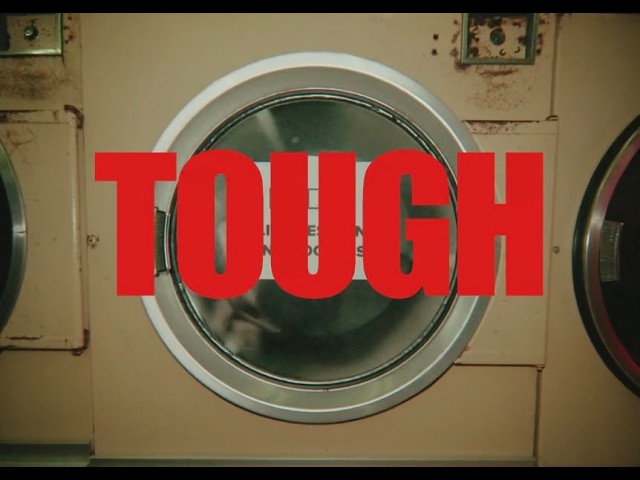





Trash Baby (2025) by Jacy Mairs

US | 2025 | 92 min | Coming-of-Age Drama / Independent Cinema
Two Girls Form an Unexpected Friendship During a Summer That Challenges Their Childhood Innocence
Trash Baby follows Stevie, a young girl spending another sweltering summer in Pine Park, where familiar routines and endless days leave her restless and eager for something different. Her world changes when she crosses paths with Edie, a wild and unconventional girl whose unpredictable personality challenges Stevie's understanding of childhood. Their unexpected connection introduces new possibilities, curiosity and emotional uncertainty, forcing Stevie to confront the desire to grow up and the realization that maturity comes with loss. Written and directed by Jacy Mairs, the film explores the complicated transition between childhood and adolescence through female friendship, youthful rebellion and the bittersweet discovery that growing older means leaving something behind.
➡️ Storyline: During a restless summer in Pine Park, Stevie meets the unpredictable Edie and discovers that growing up brings new freedoms but also the painful loss of childhood innocence.
Why to Watch Trash Baby: An Independent Coming-of-Age Drama About Friendship and the Loss of Childhood Innocence
Trash Baby offers an intimate independent drama built around an unconventional female friendship and the emotional contradictions of growing up. Written and directed by Jacy Mairs, the film stars Esther Harrison as Stevie and Chloe Kramer as Edie, two contrasting young characters whose encounter becomes a catalyst for change. Rather than focusing on major life events, the story uses an ordinary summer to explore restlessness, curiosity, independence and the gradual disappearance of childhood certainty. Its 92-minute runtime, character-driven premise and distinctive relationship make it particularly relevant for viewers interested in independent youth cinema.
Reason to Watch | Detail |
1. An Unexpected Female Friendship | Stevie's encounter with the unconventional Edie creates the emotional foundation of the story. |
2. A Bittersweet Coming-of-Age Story | The film explores the desire to become older alongside the emotional cost of leaving childhood behind. |
3. Jacy Mairs' Independent Filmmaking | The writer-director builds the narrative around youth, identity and the complicated transition toward adolescence. |
4. Two Contrasting Young Characters | Esther Harrison and Chloe Kramer portray Stevie and Edie, whose different personalities shape their developing connection. |
5. A Summer of Personal Discovery | The sweltering Pine Park setting becomes the backdrop for a story about restlessness, freedom and emotional change. |
➡️ Reason to Watch: An intimate coming-of-age drama exploring how an unexpected friendship can transform an ordinary summer into a defining experience of growing up.
Why Trash Baby Stands Out: Growing Up Means Discovering What Childhood Cannot Keep
Trash Baby distinguishes itself through its focus on the emotional losses that accompany growing up, rather than treating adolescence exclusively as a journey toward independence. Stevie's encounter with Edie introduces a contrast between familiar childhood routines and the attraction of unpredictable new experiences. Their friendship becomes the means through which Stevie begins questioning what she wants from life and what she may lose as she changes. The film's summer setting reinforces the temporary nature of childhood, creating a sense of time passing even when everyday life appears unchanged. By exploring maturity through a relationship between two unconventional young characters, the story presents growing up as a combination of discovery, uncertainty and the gradual disappearance of innocence.
➡️ Why It Stands Out: A coming-of-age story that explores the emotional price of maturity through an unexpected friendship, emphasizing what young people leave behind as much as what they discover.
Movie Trend: Coming-of-Age Friendship Dramas — Unexpected Bonds Transform the Journey into Adulthood
Coming-of-Age Friendship Dramas explore how relationships formed during childhood or adolescence influence identity, emotional development and the transition toward adulthood. Trash Baby reflects this direction through Stevie's encounter with Edie, whose unconventional personality challenges the familiar boundaries of Stevie's everyday life. Their friendship introduces new experiences and perspectives, transforming an otherwise ordinary summer into a period of emotional discovery. Unlike narratives driven by major external events, this type of cinema emphasizes how personal relationships can generate internal change, revealing unfamiliar desires and challenging established assumptions. The film connects friendship, curiosity and the loss of innocence, illustrating how encounters with people who live differently can reshape a young person's understanding of themselves and the world.
➡️ Movie Trend Insight: Coming-of-age friendship dramas transform unexpected personal connections into catalysts for self-discovery, showing how relationships shape identity and accelerate emotional growth.
Broad Trend: Identity / Self-Discovery — Finding Yourself Means Leaving Parts of Childhood Behind
Identity / Self-Discovery reflects the psychological need to understand one's individuality, develop independence and establish a sense of self. In Trash Baby, Stevie's restless summer and encounter with Edie introduce new questions about who she is and who she wants to become. The attraction of growing older brings opportunities for exploration, but also uncertainty about losing the familiarity and security of childhood. Through their developing friendship, Stevie encounters perspectives that challenge her existing understanding of life, creating space for curiosity and emotional change. The film illustrates how identity develops through relationships, experimentation and the gradual recognition that personal growth involves both freedom and loss.
➡️ Broad Trend Insight: Identity and self-discovery emerge through experiences that challenge familiar boundaries, revealing how the desire for independence can coexist with the emotional difficulty of leaving childhood behind.
Viewer Profile: Audiences Interested in Female Friendship and Emotionally Complex Coming-of-Age Stories
Trash Baby is likely to appeal to independent cinema followers, coming-of-age drama enthusiasts and viewers interested in unconventional female friendships. Its intimate premise and focus on the transition from childhood to adolescence suggest relevance for audiences who prefer character-driven storytelling over spectacle. The following profiles are editorial estimates rather than measured audience research.
Profile | Audience Insight |
Core Audience | Independent film viewers, coming-of-age drama enthusiasts and audiences interested in female friendship stories |
Age / Generation | Primarily Gen Z, Millennials and younger Gen X, approximately 18–45 |
Lifestyle | Interested in independent cinema, youth culture, emotionally authentic storytelling and personal identity |
Cinema Taste | Character-driven dramas, independent coming-of-age films, female friendship narratives and unconventional youth stories |
Story Motivation | Exploring the emotional transition toward adulthood and discovering how unexpected relationships influence personal growth |
Discovery Mindset | Emerging filmmakers, independent productions, distinctive young characters and intimate storytelling |
Emotional Driver | Belonging, curiosity, independence, nostalgia and the desire for self-discovery |
Key Profiles: Three Audiences, Three Reasons to Watch
1. Coming-of-Age Cinema Enthusiasts
Audience Description: Viewers approximately 18–40 who enjoy stories about adolescence, identity and emotional transformation. Stevie's changing understanding of childhood offers a recognizable exploration of growing up.
2. Independent Film and Emerging Filmmaker Followers
Audience Description: Adults approximately 20–50 interested in smaller productions, emerging directors and unconventional character-focused narratives. Jacy Mairs' approach to childhood and female friendship provides a reason to discover the film.
3. Female Friendship and Identity Drama Audiences
Audience Description: Viewers approximately 18–45 drawn to emotionally complex relationships and stories about personal development. Stevie and Edie's contrasting personalities create the central attraction.
➡️ Audience Insight: Trash Baby connects with audiences through three motivations: revisiting the emotional experience of growing up, discovering independent storytelling and exploring how friendship influences identity.
What This Movie Means for the Industry: Independent Coming-of-Age Cinema Finds Drama in Ordinary Experiences
Trash Baby illustrates how independent coming-of-age films can build meaningful narratives around everyday experiences and intimate relationships rather than large-scale events. By focusing on an unexpected friendship during a seemingly ordinary summer, Jacy Mairs explores the emotional contradictions of growing up through a contained, character-centered premise. The film demonstrates the creative potential of youth stories that emphasize uncertainty, unconventional personalities and the gradual transformation of identity. Its approach also reflects the continuing relevance of female friendship as a subject for independent cinema, particularly when relationships challenge familiar expectations of childhood and adolescence. The broader opportunity for filmmakers lies in developing distinctive perspectives on universal emotional experiences, allowing smaller productions to connect with audiences through recognizable feelings rather than spectacle.
➡️ Industry Insight: Independent coming-of-age cinema can distinguish itself through intimate storytelling, unconventional friendships and emotionally recognizable experiences that reveal the complexities of growing up.
Final Verdict: A Bittersweet Independent Drama About Friendship and the End of Childhood
Trash Baby presents an intimate coming-of-age premise centered on the emotional transformation of a young girl whose unexpected friendship challenges her understanding of childhood. Esther Harrison's Stevie and Chloe Kramer's Edie provide the central relationship, while Jacy Mairs' story examines the tension between wanting to grow older and recognizing what maturity takes away. The sweltering Pine Park summer creates a setting for restlessness, curiosity and the gradual discovery of independence. With an IMDb rating of 8.6/10 from just 41 users, the film has received encouraging early audience scores, although the limited sample makes broader reception difficult to assess. Its strongest potential appeal lies in its unconventional friendship, intimate perspective and bittersweet exploration of growing up.
➡️ Final Verdict Insight: An independent coming-of-age drama with an emotionally engaging premise about unexpected friendship, youthful curiosity and the realization that growing up means leaving parts of childhood behind.
Final Insights: The Friendships That Change Us Also Change What We Leave Behind
The broader Identity / Self-Discovery trend reflects the need to understand who we are as familiar experiences give way to new possibilities. Trash Baby explores this transition through Stevie, whose encounter with Edie introduces unfamiliar perspectives and challenges her childhood routines. Their developing relationship illustrates how personal growth often begins with curiosity about people and experiences beyond one's existing world.
The Coming-of-Age Friendship Dramas trend transforms this process into a story about the emotional influence of unexpected relationships. By connecting friendship with the desire to mature and the loss of childhood innocence, Trash Baby highlights the contradictions of growing older. Its central insight is that discovering who we want to become often means accepting that some parts of who we once were cannot remain unchanged.
➡️ Final Insight: Identity / Self-Discovery reflects the human desire to develop independence and understand one's evolving sense of self. Trash Baby explores this need through an unexpected friendship that transforms a young girl's understanding of growing up. Its coming-of-age narrative illustrates how meaningful relationships create opportunities for personal discovery while revealing the emotional cost of leaving childhood behind.
Comments