

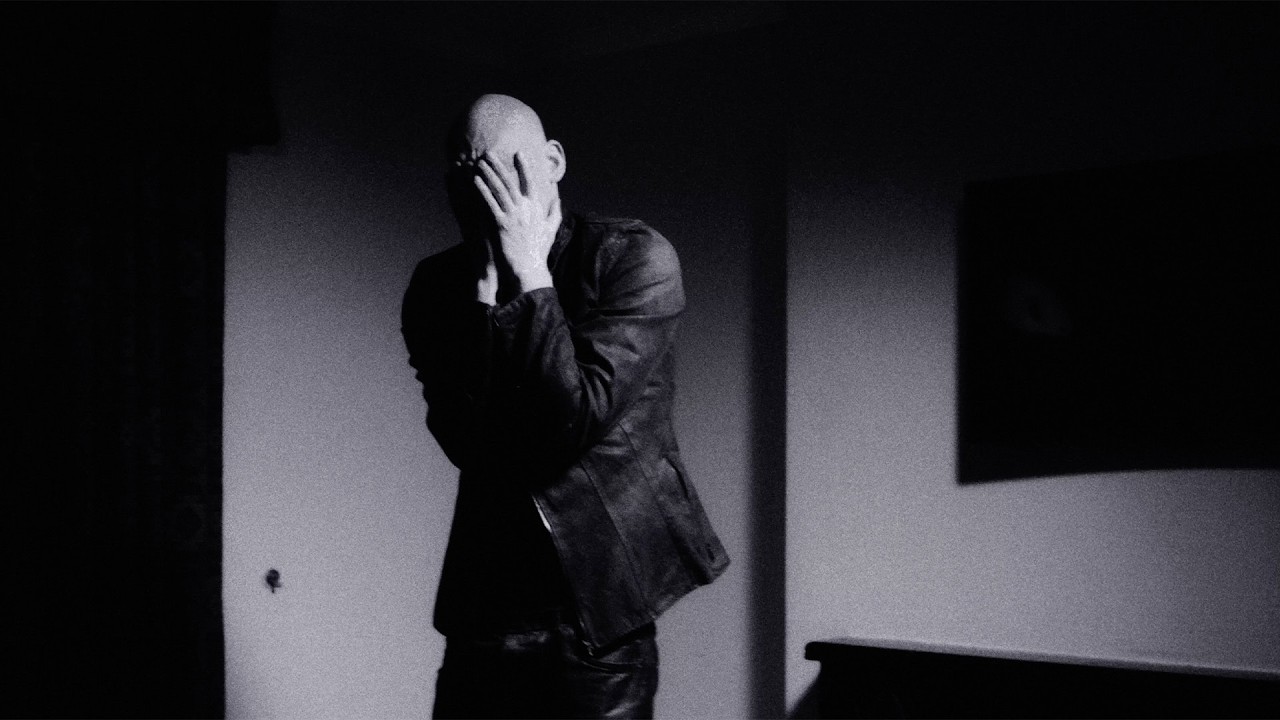



The State of Us (2026) by Ollie Gardner & Jake Harvey

United Kingdom | 2026 | 90 min | Comedy Drama
➡️ Where to Watch: Festival Scope Pro — Industry professionals, festival circuit
When Friendship Becomes the Hardest Part of Growing Up
Frankie breaks his terminally ill best friend Taylor out of hospice for one final night around Bradford. What begins as an attempt to escape reality through drinking, partying and reckless fun gradually becomes something neither young man can avoid: Taylor is preparing to die, while Frankie is unable to imagine continuing without him.
That makes The State of Us more than a terminal-illness drama. Its emotional center is friendship under the pressure of limited time, and the different ways two young men respond when a relationship that has defined their lives suddenly has an ending.
The result connects Coming-of-Age Drama: Friendship and Loss with The Search for Connection. Frankie cannot stop what is happening to Taylor. What he can still do is spend time with him, confront what their friendship means and eventually face the future that their final night has been designed to postpone.
➡️ Trend Insight: Coming-of-age cinema is increasingly interested in emotional experiences that force young characters into adulthood before they feel ready. Here, growing up means discovering that connection becomes most visible when the possibility of losing it becomes real.
Why This Movie Matters Right Now: Growing Up Means Learning How to Lose
YOUTH → FRIENDSHIP → LIMITED TIME → DENIAL → VULNERABILITY → LOSS → MATURITY
Coming-of-age traditionally revolves around beginnings: first love, independence, sexuality, leaving home or discovering identity. The State of Us reverses that direction. Its defining transition comes from an ending.
Frankie and Taylor already possess the connection many coming-of-age characters spend entire films trying to find. The crisis is that they cannot keep it forever. Taylor appears more capable of confronting his mortality, while Frankie attempts to outrun it through increasingly chaotic behavior. The British Council's synopsis explicitly describes Frankie unraveling as Taylor tries to hold him together.
The emotional paradox is powerful: the friend who is physically dying can see value in the time remaining, while the physically healthy friend struggles to imagine value in a future without him. Harvey has identified this contrast as central to the film.
➡️ Trend Insight: The coming-of-age transition becomes not gaining something new, but learning to live after losing something fundamental.
Should You Watch It?: A Buddy Movie Where the Party Cannot Stop the Future
The State of Us is likely to connect most strongly with viewers drawn to British independent cinema, male friendship stories, tragicomedy and emotionally intense coming-of-age films. Reviews consistently highlight Samuel Bottomley and Callum Scott Howells, with particular attention to the believable history and emotional tension they create between Frankie and Taylor.
Its tonal contrast is central to the experience. The film moves through partying, drugs, jokes, arguments and youthful recklessness while terminal illness remains unavoidable underneath. Rather than treating grief as solemn from beginning to end, it allows the boys to remain immature, funny and difficult even while confronting something devastating.
➡️ Viewing Recommendation: Watch it for the friendship rather than simply the illness narrative. Taylor's mortality creates the deadline, but the emotional story concerns what happens when two young men finally have to communicate how much they mean to one another.
Why Everyone Is Talking About It: Male Friendship Becomes Emotionally Visible
The film received its world premiere in the competition strand at the 2026 Edinburgh International Film Festival, where festival programming described it as an exploration of male friendship, grief and acceptance in extreme circumstances.
Critical responses repeatedly returned to the chemistry between Bottomley and Howells. Cinema Perspective highlighted the combination of volatility and vulnerability in their performances, while other reviews emphasized the film's movement from abrasive comedy toward an examination of friendship, grief and imagining life without the person who has always been there.
There is also authenticity behind the concept. Harvey has explained that the film draws partly from people he grew up with and from a friend who died at 18. He and Gardner described the project as essentially a film about two best friends made by two best friends.
➡️ Viral Potential: The State of Us has a highly shareable emotional proposition: WHO WOULD YOU CHOOSE FOR YOUR LAST NIGHT? Its combination of friendship, humour, mortality and emotional release creates the kind of viewing experience that can generate personal conversation rather than discussion about plot alone.
Why The State of Us Stands Out: The Dying Friend Is Not the Only One Who Needs Saving
Taylor's terminal illness initially appears to establish the expected emotional structure: Frankie is the healthy friend taking his dying best mate on one final adventure.
The film complicates that relationship. The British Council describes Frankie unraveling while Taylor attempts to hold him together, and Harvey has similarly described Taylor as physically dying but able to appreciate his remaining life, while Frankie is physically healthy but sees little value in the world beyond Taylor.
That reversal changes the meaning of the final-night narrative.
TAYLOR IS LOSING HIS LIFE → FRANKIE IS LOSING HIS FUTURE AS HE IMAGINED IT
Their friendship becomes both refuge and crisis.
➡️ Cinema Insight: The State of Us strengthens the terminal-illness drama by refusing a simple caregiver dynamic. The person staying alive may be the person least prepared to survive the loss.
Movie Trend: Coming-of-Age Drama: Friendship and Loss — Adulthood Begins When Permanence Ends
FRIENDSHIP → SECURITY → IMPENDING LOSS → EMOTIONAL CRISIS → ACCEPTANCE → MATURITY
Coming-of-age cinema frequently uses friendship as part of the background to adolescence. The State of Us moves it into the foreground. Frankie and Taylor's friendship is not simply one relationship within their youth; it has become part of the emotional structure through which Frankie understands his life.
Loss therefore threatens more than companionship. It threatens continuity. Frankie must imagine a version of adulthood in which the person who helped define his youth will no longer be present.
This creates a different coming-of-age mechanism. Frankie cannot mature by preserving his existing world. He must confront the fact that growing older inevitably means carrying relationships forward in altered forms—sometimes as memory rather than presence.
➡️ Movie Trend: Coming-of-Age Drama: Friendship and Loss reflects a shift toward stories where emotional maturity emerges from confronting impermanence. FRIENDSHIP → LOSS → MEMORY → IDENTITY → GROWTH.
Broad Trend: The Search for Connection — Relationships Become the Measure of a Meaningful Life
ISOLATION → CONNECTION → BELONGING → VULNERABILITY → MEANING
The Search for Connection becomes especially powerful when time is limited. Taylor cannot solve his illness, and Frankie cannot stop the future. Their remaining resource is their relationship.
This turns the chaotic night into more than escapism. Every shared experience becomes more valuable precisely because it cannot be repeated indefinitely. The film's question gradually shifts from how they can escape Taylor's approaching death to whether they can become emotionally present with each other before time disappears.
Connection therefore becomes less about having many relationships and more about recognizing the depth of the ones that matter.
MORE TIME ≠ MORE MEANING
DEEPER CONNECTION → GREATER MEANING
➡️ Broad Trend: The Search for Connection reflects growing cultural interest in relationships as emotional infrastructure. The State of Us takes that idea to its extreme: when almost everything else becomes temporary, connection is what remains meaningful.
Why Coming-of-Age Drama: Friendship and Loss Is Growing: Vulnerability Is Expanding the Male Coming-of-Age Story
Male coming-of-age cinema has often relied on rebellion, sex, violence, competition or escape as markers of adulthood. The State of Us retains some of that language—partying, drugs, recklessness and confrontation—but places emotional vulnerability underneath it.
One review specifically interpreted Frankie's behavior in relation to unresolved grief and the difficulty young men can experience asking for help, while others noted how the film allows masculine friendship to contain both volatility and vulnerability.
This creates a significant evolution in the genre. Male friendship no longer needs to be emotionally meaningful while remaining emotionally unspoken. The inability to communicate can itself become the conflict.
➡️ Audience Motivation: Viewers are not simply watching Frankie and Taylor have one final adventure. They are watching two friends attempt to express something larger than their usual emotional vocabulary allows.
FEELING → AVOIDANCE → CHAOS → VULNERABILITY → CONNECTION
Viewer Profile: Connection Seekers — Audiences Looking for Emotion Inside the Chaos
Audience Dimension | Profile |
Core Audience | Coming-of-age, British indie and emotional-drama viewers |
Relationship Driver | Deep friendship and chosen-family bonds |
Emotional Driver | Grief, mortality, vulnerability and acceptance |
Character Driver | Flawed young men struggling to communicate |
Cultural Driver | Changing representations of masculinity |
Narrative Driver | One-night stories with emotional urgency |
Tone Preference | Humour and chaos mixed with emotional intensity |
Movie Trend | Coming-of-Age Drama: Friendship and Loss |
Broad Trend | The Search for Connection |
The strongest audience connection is likely to come from viewers who recognize friendship as one of the formative relationships of youth rather than something secondary to romance or family.
The film also gives male audiences a particularly direct emotional entry point. Friendship provides the vocabulary through which larger questions about grief, fear, dependence and love can be explored without converting the relationship into romance.
➡️ Audience Insight: The emotional trigger is simple but powerful: WHAT IF THE PERSON WHO KNOWS YOU BEST WILL NOT BE THERE FOR THE REST OF YOUR LIFE?
What This Movie Means for the Industry: Friendship Can Carry the Emotional Weight Usually Given to Romance
The State of Us demonstrates the narrative potential of treating friendship as a primary emotional relationship. The story does not need romantic separation to create intimacy, heartbreak or transformation; Frankie and Taylor's friendship supplies those stakes.
That expands the emotional territory available to coming-of-age cinema, particularly stories about young men.
FRIENDSHIP + VULNERABILITY + HIGH EMOTIONAL STAKES → CHARACTER-DRIVEN COMING-OF-AGE
The film also represents a distinctly British independent model. Bradford is not interchangeable scenery: reviews and official materials emphasize the city and Northern working-class environment, while the creative team includes cinematographer Yunus Roy Imer, editors Chris Gill and Abi Wright, and composer Tom Ogden of Blossoms.
➡️ Industry Insight: Friendship can function as a premium emotional engine rather than a supporting relationship. For coming-of-age storytelling, that creates space for stories about intimacy, care and loss that do not need to be organized around romance.
Creative Analysis: Chaos Becomes a Defense Against Grief
Storytelling: One Night Compresses an Entire Relationship
The one-night structure creates urgency. Taylor and Frankie do not have unlimited time to work through their emotions; dawn is effectively a deadline.
That compression transforms ordinary youth-cinema activities—drinking, partying, driving around, getting into trouble—because every moment exists beside the knowledge that the night will end.
Direction: Comedy and Grief Occupy the Same Night
Ollie Gardner and Jake Harvey resist making terminal illness synonymous with constant solemnity. Reviews describe the film balancing dark humour, youthful chaos and emotional vulnerability, allowing the tonal instability to mirror the boys themselves.
The approach makes grief feel less orderly. Frankie does not progress neatly from denial toward acceptance; he behaves badly, jokes, lashes out and tries to keep moving.
Performances: Two Different Responses to the Same Ending
Samuel Bottomley plays Frankie as volatile and increasingly unable to contain what he is feeling, while Callum Scott Howells gives Taylor a contrasting mixture of warmth, frustration and awareness of his own mortality. Critics repeatedly identified their chemistry as the film's emotional anchor.
The contrast is essential because neither character experiences Taylor's illness in the same way.
TAYLOR → ACCEPTING LIMITED TIME
FRANKIE → REFUSING A FUTURE WITHOUT TAYLOR
Visual Style: Bradford Turns the Last Night Into a Memory
The film was shot in Bradford, with Yunus Roy Imer as cinematographer, and uses a 1.33:1 frame according to the British Council's production listing.
That environment gives the story geographical specificity. Rather than sending the boys toward an extraordinary destination, the movie turns familiar streets, parties and landscapes into the setting for an extraordinary emotional transition.
Themes: Friendship, Mortality, Masculinity and Acceptance
The film's themes continually converge around connection. Mortality makes friendship urgent; friendship makes loss painful; loss forces vulnerability; vulnerability challenges Frankie's existing way of performing masculinity.
The progression becomes:
FRIENDSHIP → FEAR OF LOSS → REPRESSION → RECKLESSNESS → VULNERABILITY → ACCEPTANCE
What Makes It Different: The Last Adventure Is Really About the Person Left Behind
The escape from hospice initially suggests Taylor is being given one final experience.
But the deeper emotional journey belongs equally—perhaps especially—to Frankie. He is the character who must continue after the night ends.
The adventure therefore becomes preparation for absence.
➡️ Creative Insight: The State of Us transforms the familiar “one last night” structure into an emotional coming-of-age mechanism. THE NIGHT IS TEMPORARY → THE FRIENDSHIP IS ENDING → THE MEMORY MUST CONTINUE.
If You Liked The State of Us: Friendship, Grief and Growing Up
7 Miles Out (2026) by Carol Morley: Grief Accelerates the Journey Into Adulthood
After her father's death, eleven-year-old Ann struggles with grief, family instability and self-destructive behaviour while gradually discovering expression and escape through creativity. Like The State of Us, the film places loss directly inside the coming-of-age process, showing how mortality can force young people toward emotional experiences they are not yet prepared to navigate.
➡️ Why It Connects: Frankie faces the approaching loss of his best friend, while Ann lives with the consequences of losing her father. Both stories make grief part of growing up rather than something that arrives after adulthood.
LOSS → DISORIENTATION → CONNECTION → SELF-EXPRESSION → GROWTH
➡️ Where to Watch: UK — BFI London Film Festival, 17–18 October 2026.
My Oxford Year (2025) by Iain Morris: Love, Limited Time and the Future We Cannot Control
Anna arrives at Oxford expecting a year defined by ambition and carefully planned goals, but her relationship with Jamie forces her to reconsider what makes a life meaningful when the future becomes uncertain. What begins as a university romance gradually becomes a story about mortality, connection and emotional maturity.
➡️ Why It Connects: The relationship is romantic rather than platonic, but the emotional mechanism closely mirrors The State of Us. Both stories ask what happens when someone young discovers that loving another person cannot guarantee having more time with them.
CONNECTION → LIMITED TIME → VULNERABILITY → LOSS → CHANGED PRIORITIES → MATURITY
When the Light Breaks (2024) by Rúnar Rúnarsson: One Day Divides Youth Into Before and After
Over the course of a long summer day in Iceland, young art student Una confronts sudden loss while navigating love, friendship and grief. Its compressed timeframe makes it especially close to The State of Us: both use a short period of time to show young people suddenly confronting the impermanence of relationships.
➡️ Why It Connects: The State of Us takes place while loss is approaching; When the Light Breaks begins once loss has occurred. Both show mortality accelerating emotional adulthood and revealing how deeply identity can be constructed around connection with another person.
YOUTH → CONNECTION → LOSS → GRIEF → ACCEPTANCE → ADULTHOOD
➡️ If You Liked Insight: These films explore different forms of Coming-of-Age Drama: Friendship and Loss. 7 Miles Out examines adolescence after parental loss, My Oxford Year explores how limited time transforms love and future expectations, while When the Light Breaks captures the immediate transition from connection to grief. Together with The State of Us, they trace the same emotional progression: CONNECTION → LIMITED TIME → LOSS → GRIEF → MEMORY → MATURITY.
Final Verdict: Friendship Becomes a Lesson in Impermanence
The State of Us takes the familiar last-night buddy movie and gives it irreversible stakes. Frankie and Taylor can drink, laugh, fight and keep moving through Bradford, but none of those actions can change what waits beyond the night. The approaching loss transforms friendship from something they have always possessed into something they suddenly understand.
That is why Coming-of-Age Drama: Friendship and Loss and The Search for Connection work together so well. The first describes Frankie's transition; the second explains why that transition matters. Growing up requires Frankie to understand that losing Taylor physically does not erase what their friendship has built inside him.
➡️ Final Verdict: The State of Us turns one last night into a painful definition of adulthood: CONNECTION CANNOT ALWAYS BE PRESERVED, BUT ITS MEANING CAN BE CARRIED FORWARD.
Quick Facts: Friendship at the Edge of Loss
Category | Details |
Title | The State of Us |
Year | 2026 |
Country | United Kingdom |
Runtime | 90 min |
Genre | Comedy Drama |
Directors | Ollie Gardner, Jake Harvey |
Writer | Jake Harvey |
Stars | Samuel Bottomley, Callum Scott Howells, Frances Barber, Safia Oakley-Green |
Setting | Bradford, England |
World Premiere | Edinburgh International Film Festival 2026 |
Cinematography | Yunus Roy Imer |
Editors | Chris Gill, Abi Wright |
Composer | Tom Ogden |
Movie Trend | Coming-of-Age Drama: Friendship and Loss |
Broad Trend | The Search for Connection |
Core Conflict | Frankie struggles to imagine life after the death of his terminally ill best friend Taylor |
Core Themes | Friendship, grief, mortality, masculinity, vulnerability and acceptance |
Final Insights: Growing Up Means Understanding That Connection Can Outlive Presence
Coming-of-age stories traditionally ask young people to imagine the lives waiting ahead of them. Coming-of-Age Drama: Friendship and Loss introduces a more difficult question: how do you imagine that future when someone central to your present will not be part of it? The State of Us makes friendship the emotional bridge between youth and adulthood, turning impending loss into the moment when connection is finally understood.
The Search for Connection makes that story culturally larger. In a period when loneliness, emotional isolation and uncertainty increasingly shape stories about young adulthood, friendship can become more than companionship—it can become identity, stability and chosen family. The tragedy is that connection cannot eliminate mortality; its power lies in giving relationships meaning even when they cannot continue in their original form.
➡️ Final Insight: The State of Us moves from FRIENDSHIP → LIMITED TIME → VULNERABILITY → LOSS → MEMORY → CONNECTION. Taylor's approaching death creates the crisis, but the deeper coming-of-age story belongs to what Frankie must learn from loving someone he cannot keep. Growing up means discovering that some connections end in presence but continue in identity.

Comments