



The Last Viking (2025) by Anders Thomas Jensen
- dailyentertainment95

- May 25
- 13 min read
Dark tragicomedy exploring trauma, brotherhood, and emotional absurdity
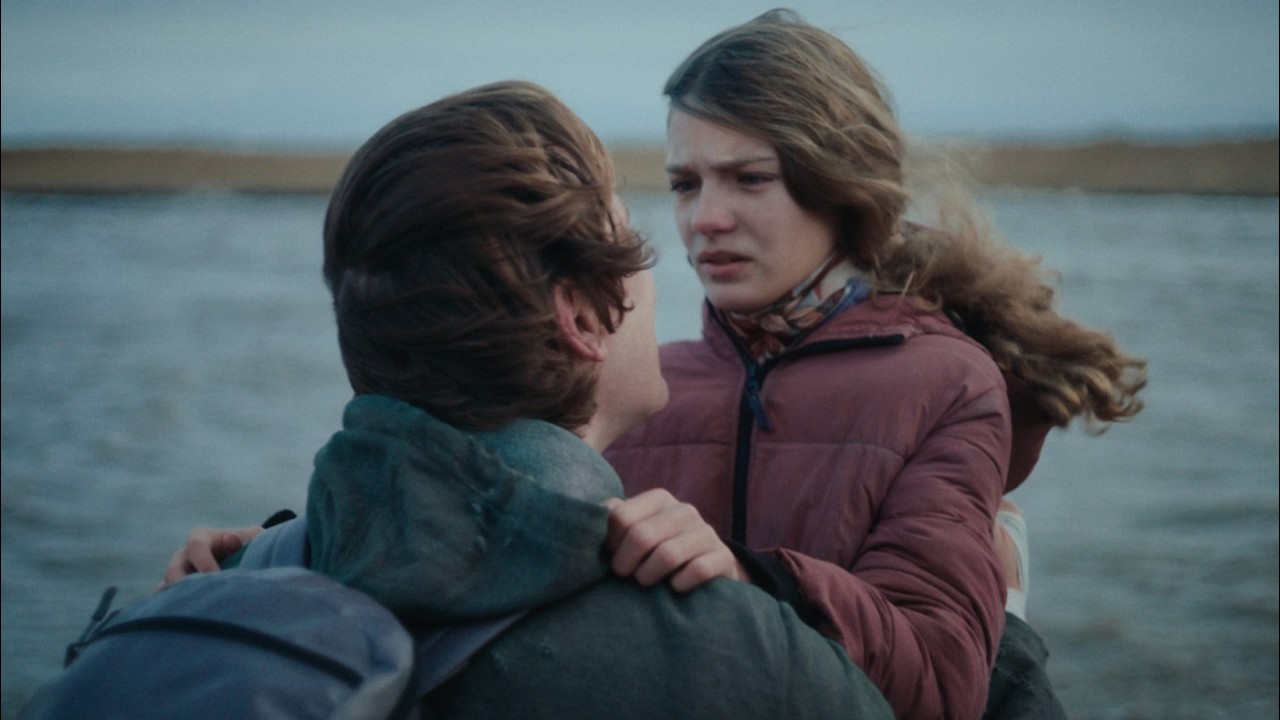
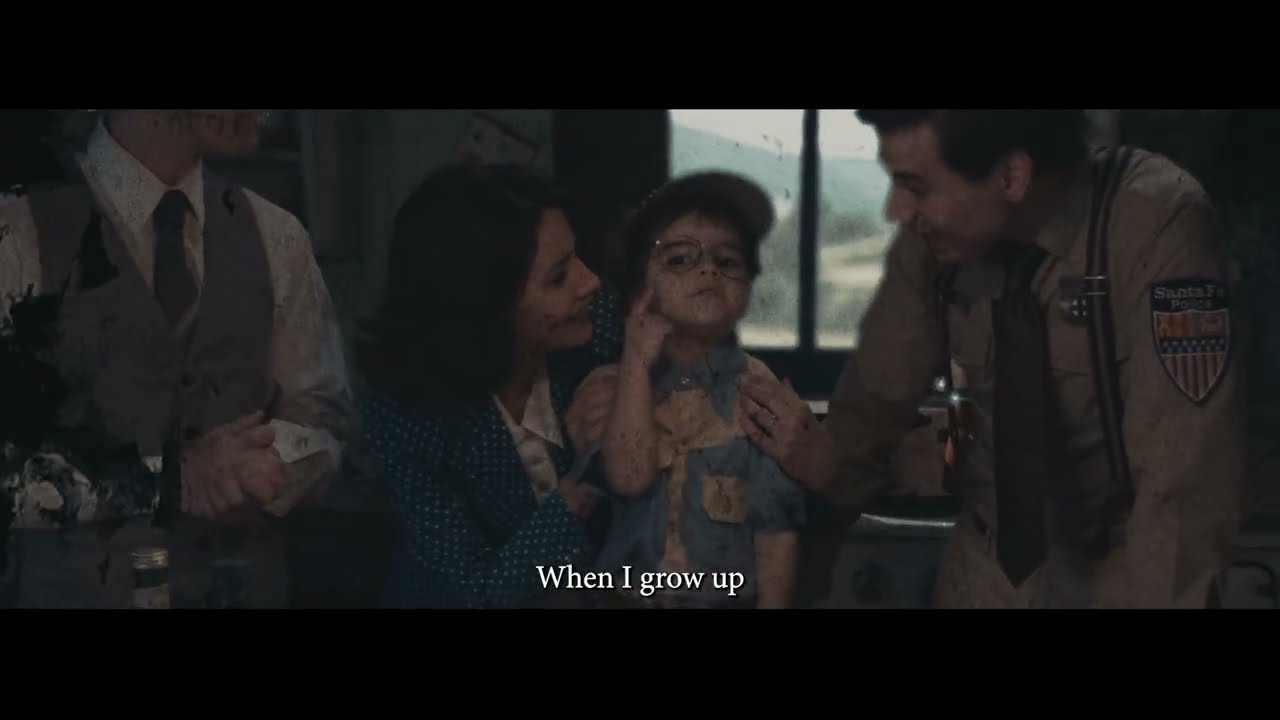
The Last Viking follows a bank robber released from prison who must unlock his traumatized brother’s fractured memory to recover stolen money. Directed by Anders Thomas Jensen, the film blends crime, absurdist humor, emotional trauma, dysfunctional family dynamics, and existential melancholy into a dark Nordic tragicomedy driven by emotional chaos and psychological instability. Led by Mads Mikkelsen and Nikolaj Lie Kaas, the movie explores childhood trauma, identity fragmentation, loneliness, and male emotional repression through bizarre situations and emotionally grounded absurdity. Its mixture of brutal humor, emotional vulnerability, and surreal unpredictability reinforces Jensen’s signature storytelling style balancing darkness with humanity. Ultimately, the film becomes both a crime dramedy and a reflection on how trauma, memory, and emotional damage continue shaping adulthood long after childhood ends.
➡️ Implication: Nordic tragicomedies increasingly blend absurd humor with emotionally complex explorations of trauma and masculinity.
Why It Is Trending: Anders Thomas Jensen’s return to emotionally chaotic dark comedy
The film gained strong attention because of the reunion between Anders Thomas Jensen and Mads Mikkelsen following earlier cult dark comedies like Riders of Justice and Adam's Apples. Audiences and critics strongly responded to the movie’s blend of absurd humor, emotional pain, chaotic storytelling, and psychologically damaged characters. Online discussion also focused heavily on the chemistry between Mads Mikkelsen and Nikolaj Lie Kaas alongside the film’s emotionally layered exploration of trauma and fractured masculinity. Its dark comedic tone and unpredictable narrative twists strengthened arthouse and mainstream crossover appeal considerably. The movie quickly became one of the most discussed Scandinavian tragicomedies of 2025.
➡️ Implication: Emotionally layered dark comedy continues gaining strong international arthouse and streaming attention.
Elements Driving the Trend: Trauma, absurdity, and emotionally broken masculinity
The film builds emotional depth through chaotic absurdism, fractured memory, dysfunctional brotherhood, and emotionally unstable masculinity. Manfred and Anker’s relationship becomes the emotional center of the story as trauma, repression, and emotional damage shape their increasingly unpredictable journey. The movie combines violent crime, surreal comedy, and emotionally vulnerable character writing without losing psychological authenticity. Jensen’s signature blend of absurd dialogue, existential humor, and morally messy humanity reinforces the emotional unpredictability throughout the narrative. Together, these elements create a tragicomic world balancing brutality, vulnerability, and emotional chaos simultaneously.
➡️ Implication: Modern tragicomedies increasingly use absurdity to explore emotional trauma and psychological instability.
Virality of Movie (Social Media Coverage): Dark humor and emotional chaos fueled online praise
The film generated strong online discussion because of its unpredictable tone, bizarre humor, emotional intensity, and standout performances. Social-media reactions heavily praised Mads Mikkelsen’s emotionally restrained performance and the movie’s ability to balance brutality with heartfelt emotional vulnerability. Viewers also shared reactions surrounding the film’s shocking tonal shifts, absurd dialogue, and emotionally chaotic storytelling. Scandinavian cinema audiences especially amplified the movie across film-discussion spaces because of its mix of existential humor and emotional depth. Its emotionally strange but human atmosphere strengthened online cult appeal considerably.
➡️ Implication: Emotionally chaotic tragicomedies increasingly generate cult-style digital engagement and discussion.
Critics Reception: Strong praise for performances, writing, and emotional absurdism
Critical reception strongly praised the film’s writing, performances, and balance between emotional tragedy and absurd humor. Reviewers highlighted Anders Thomas Jensen’s ability to transform emotionally damaged characters into deeply human tragicomic figures without losing emotional sincerity. Mads Mikkelsen received widespread acclaim for his subtle portrayal of trauma and emotional repression, while Nikolaj Lie Kaas was praised for his emotionally explosive unpredictability. Critics also noted the film’s mixture of existential melancholy, absurd violence, and emotionally layered storytelling as a continuation of Jensen’s signature style. The movie became one of the most critically respected Scandinavian dark comedies of 2025.
➡️ Implication: Emotionally intelligent dark comedy continues strengthening Scandinavian cinema’s global prestige.
Awards and Recognitions: A critically acclaimed Danish tragicomedy driven by ensemble performances and dark absurdism
The film received strong recognition across European and Danish award circuits because of its emotionally layered storytelling, ensemble performances, and signature absurdist humor from Anders Thomas Jensen. The movie won Best Ensemble (Bedste ensemble) at the Bodil Awards for performances by Nikolaj Lie Kaas, Bodil Jørgensen, Lars Brygmann, Søren Malling, Mads Mikkelsen, Sofie Gråbøl, Nicolas Bro, and Kardo Razzazi. Mads Mikkelsen also received a nomination for European Actor at the European Film Awards. The movie additionally earned multiple Robert Awards nominations including Best Film, Best Director, and acting nominations for Mads Mikkelsen, Nikolaj Lie Kaas, and Lars Brygmann. International festival recognition included a Golden Giraldillo nomination at the Seville European Film Festival and a Méliès d'Argent for Best Feature win at the Imagine Film Festival.
➡️ Implication: European dark tragicomedies continue gaining critical recognition through emotionally layered ensemble storytelling and absurdist realism.
Director and Cast: Scandinavian ensemble performances balancing chaos and emotional vulnerability
Directed by Anders Thomas Jensen, the film balances absurd comedy, crime chaos, emotional melancholy, and psychological trauma through emotionally grounded character writing. Mads Mikkelsen anchors the movie through a restrained performance shaped by trauma, loneliness, and emotional repression, while Nikolaj Lie Kaas delivers emotionally explosive unpredictability and chaotic emotional energy. Supporting performances from Sofie Gråbøl, Lars Brygmann, Søren Malling, Nicolas Bro, and Bodil Jørgensen reinforce the film’s emotionally unstable but deeply human atmosphere. Jensen’s direction maintains tonal chaos while preserving emotional sincerity beneath the absurdism.
➡️ Implication: Scandinavian tragicomedies increasingly rely on emotionally layered ensemble realism beneath absurd storytelling.
Conclusion: A dark Nordic tragicomedy about trauma, memory, and emotionally broken masculinity
The Last Viking transforms a crime-recovery story into a deeply emotional exploration of trauma, fractured memory, dysfunctional brotherhood, and emotional repression. Its absurd humor and emotionally chaotic storytelling create a tragicomic world balancing brutality, loneliness, vulnerability, and existential melancholy simultaneously. Anders Thomas Jensen approaches masculinity and emotional trauma through bizarre comedy, emotional unpredictability, and psychologically damaged characters rather than traditional crime-thriller realism alone. Mads Mikkelsen and Nikolaj Lie Kaas anchor the movie through emotionally layered performances balancing sadness, absurdity, violence, and emotional need. Themes surrounding childhood trauma, loneliness, emotional repression, and unstable masculinity remain central throughout the narrative. Ultimately, the film becomes both a chaotic Scandinavian crime comedy and a reflection on how emotional damage continues shaping identity and human connection long after childhood trauma ends.
➡️ Implication: Emotionally intelligent tragicomedy will continue shaping the future of Scandinavian cinema.
What Movie Trend Is Followed: Emotionally intelligent Nordic tragicomedy and trauma-driven absurdism
The Last Viking follows the growing trend of Scandinavian tragicomedies blending absurd humor, emotional trauma, existential melancholy, and dysfunctional masculinity into emotionally layered genre storytelling. Rather than treating crime narratives through straightforward thriller realism, the film approaches violence, memory, and psychological instability through bizarre humor and emotionally chaotic character dynamics. Similar Nordic dark comedies increasingly explore loneliness, emotional repression, and damaged identity through surreal situations and morally unstable characters. The movie also reflects the expanding international popularity of emotionally intelligent Scandinavian cinema balancing bleakness with emotional vulnerability and absurdist humanity. Its unpredictable tonal shifts and emotionally fractured storytelling reinforce the rise of trauma-driven tragicomic filmmaking.
➡️ Implication: Nordic tragicomedies increasingly redefine crime storytelling through emotional absurdism and psychological vulnerability.
Trend Drivers: Audiences increasingly connect with emotionally chaotic tragicomedy
Modern audiences strongly engage with films blending emotional pain, absurd humor, existential anxiety, and dysfunctional human relationships into emotionally layered storytelling. Stories centered on trauma, loneliness, damaged masculinity, and fractured identity create stronger emotional depth beneath chaotic comedic structures. Viewers increasingly support tragicomedies balancing emotional vulnerability with bizarre humor and unpredictable tonal shifts. Scandinavian cinema audiences especially connect with emotionally restrained but psychologically unstable characters navigating morally messy situations. This creates strong demand for dark comedy rooted in emotional realism and human imperfection.
➡️ Implication: Emotionally vulnerable absurdism increasingly drives modern tragicomedy storytelling.
What Is Influencing Trend: Scandinavian cinema expanding emotionally intelligent dark comedy
Modern Scandinavian filmmakers increasingly use dark comedy to explore trauma, emotional repression, masculinity, loneliness, and existential instability through absurd storytelling. Directors now frequently combine crime narratives, dysfunctional families, psychological damage, and surreal humor into emotionally grounded tragicomic worlds. Emotionally layered ensemble storytelling also continues strengthening the international reputation of Nordic cinema considerably. Streaming platforms and global arthouse audiences increasingly support films balancing bleakness, vulnerability, and absurdity without losing emotional sincerity. These shifts strongly influence the rise of emotionally intelligent Scandinavian tragicomedy.
➡️ Implication: Scandinavian dark comedy increasingly prioritizes emotional complexity beneath absurd storytelling.
Macro Trends Influencing: Expansion of trauma-centered male character studies
Contemporary cinema increasingly reflects emotional damage, fractured masculinity, childhood trauma, and loneliness through psychologically unstable male protagonists. Modern audiences strongly engage with stories exploring vulnerability, emotional repression, and dysfunctional identity beneath crime, violence, and absurd humor. The rise of emotionally introspective male narratives also reshaped modern tragicomedy considerably across European cinema. Younger audiences increasingly support emotionally flawed characters navigating grief, trauma, and emotional instability realistically rather than heroically. These broader trends continue expanding emotionally driven crime tragicomedies globally.
➡️ Implication: Trauma-centered masculinity increasingly shapes emotionally intelligent European cinema.
Consumer Trends Influencing: Audiences seeking emotionally layered dark comedy
Modern viewers increasingly prefer dark comedies blending emotional sincerity, psychological complexity, absurdity, and human vulnerability. Audiences strongly engage with tragicomic narratives balancing existential sadness with bizarre humor and emotionally unstable characters. Streaming and arthouse audiences especially amplify films combining emotional realism with unpredictable storytelling and morally messy humanity. Fans of Scandinavian cinema also increasingly support projects driven by emotional depth rather than conventional genre formulas alone. These behaviors strongly support the expansion of emotionally intelligent tragicomedy.
➡️ Implication: Emotional complexity increasingly strengthens audience engagement inside modern dark comedy.
Audience Analysis: Arthouse audiences drawn to emotionally unstable Nordic storytelling
The film mainly appeals to viewers aged 30–60 interested in Scandinavian cinema, tragicomedy, emotionally intelligent crime stories, and psychologically layered character drama. These audiences strongly engage with narratives exploring trauma, emotional repression, dysfunctional masculinity, loneliness, and fractured identity through absurd humor and existential storytelling. Fans of Nordic dark comedy especially connect with the movie’s emotionally unstable atmosphere, bizarre humor, and morally chaotic character dynamics. Arthouse viewers also strongly support emotionally vulnerable performances and psychologically damaged protagonists inside emotionally layered tragicomedies. The movie’s combination of bleakness, absurdity, and emotional sincerity strengthens both festival and streaming appeal considerably.
➡️ Implication: Emotionally layered Nordic tragicomedy continues attracting mature arthouse and streaming audiences.
Conclusion: A tragicomedy trend shaped by trauma, absurdity, and emotional vulnerability
The trend reflected in The Last Viking shows how contemporary Scandinavian cinema increasingly transforms trauma, loneliness, and emotional repression into emotionally chaotic tragicomic storytelling. These narratives resonate because they portray damaged masculinity and emotional instability through bizarre humor, moral messiness, and existential absurdity rather than heroic realism. Emotionally fractured male characters create stronger audience recognition because they combine vulnerability, violence, sadness, and emotional confusion simultaneously. The rise of psychologically layered dark comedy also reflects broader audience demand for emotionally intelligent storytelling grounded in imperfection and emotional realism. These projects succeed through tonal unpredictability, emotional sincerity, and absurd humanity. Ultimately, the trend represents a broader movement toward tragicomedy built around emotional damage, vulnerability, and existential chaos.
➡️ Implication: Emotionally intelligent tragicomedy will continue shaping the future of Scandinavian cinema.
Final Verdict: A dark Scandinavian tragicomedy about trauma, memory, and emotionally broken masculinity
The Last Viking succeeds by transforming a chaotic crime-recovery narrative into a deeply emotional exploration of trauma, dysfunctional brotherhood, loneliness, and fractured identity. Rather than approaching crime through conventional thriller realism, the film balances absurd humor, emotional instability, existential sadness, and psychologically damaged masculinity through unpredictable tragicomic storytelling. Anders Thomas Jensen combines surreal comedy, emotional vulnerability, and morally chaotic humanity into a distinctly Nordic tragicomedy driven by emotional absurdism and psychological depth. Mads Mikkelsen and Nikolaj Lie Kaas anchor the film through emotionally layered performances balancing violence, sadness, absurdity, and emotional repression. Themes surrounding childhood trauma, loneliness, damaged masculinity, emotional instability, and fractured memory remain central throughout the narrative. Ultimately, the movie becomes both a chaotic crime dramedy and a reflection on how emotional damage continues shaping identity and human connection long after trauma ends.
➡️ Implication: Emotionally intelligent tragicomedy continues redefining Scandinavian crime cinema.
Audience Relevance: Appeals to mature viewers seeking emotionally layered dark comedy
The film strongly connects with audiences drawn to Scandinavian tragicomedy, emotionally intelligent crime stories, and psychologically unstable character drama. Mature arthouse viewers especially engage with narratives exploring loneliness, trauma, dysfunctional masculinity, and emotional repression through bizarre humor and emotional unpredictability. Fans of Nordic cinema also strongly connect with the film’s emotionally chaotic atmosphere, morally messy characters, and existential comedic tone. Its balance of absurdity and emotional sincerity strengthens both arthouse and streaming-era crossover appeal considerably. This creates strong engagement among viewers seeking emotionally complex storytelling beneath dark humor.
➡️ Implication: Emotionally layered dark comedy increasingly attracts mature streaming and arthouse audiences.
What Is the Message of Movie: Trauma and emotional damage never fully disappear
The film explores how childhood trauma, emotional repression, and damaged identity continue shaping adulthood long after the original emotional wounds occurred. Manfred and Anker’s relationship reflects how emotionally broken individuals struggle to reconnect while carrying unresolved pain, loneliness, and psychological instability. The narrative suggests masculinity often becomes shaped by emotional suppression, confusion, and dysfunctional coping mechanisms rather than emotional honesty. Through absurd humor and chaotic situations, the movie portrays trauma as emotionally persistent, unpredictable, and deeply human. Its tragicomic structure ultimately reveals how vulnerability and emotional damage coexist beneath violence, humor, and masculine performance.
➡️ Implication: Modern tragicomedy increasingly uses absurdism to explore emotional trauma and psychological vulnerability.
Relevance to Audience: Reflects modern anxieties surrounding masculinity and emotional isolation
The film resonates because its emotional instability and damaged masculinity feel deeply recognizable within contemporary conversations surrounding loneliness, emotional repression, and psychological vulnerability among men. Audiences strongly connect with stories portraying flawed individuals navigating trauma, identity confusion, and emotional dysfunction realistically rather than heroically. The narrative also reflects broader anxieties surrounding fractured family relationships, unstable masculinity, and emotional disconnection in modern society. Its bizarre humor intensifies emotional recognition rather than reducing emotional weight. This emotional relevance strengthens the movie’s cultural resonance among mature audiences considerably.
➡️ Implication: Emotionally vulnerable male narratives increasingly shape contemporary European cinema.
Social Relevance: A tragicomic portrait of damaged masculinity and emotional repression
The movie examines how emotional repression, violence, loneliness, and dysfunctional identity shape male relationships and personal instability. Its emotionally chaotic brotherhood reflects broader social conversations surrounding masculinity, trauma, emotional isolation, and psychological fragility. The story also critiques emotionally performative masculinity through absurdity and moral chaos rather than direct realism alone. Rather than presenting men as emotionally controlled figures, the film portrays masculinity as unstable, emotionally wounded, and psychologically vulnerable. This gives the movie deeper emotional and social resonance beneath its darkly comedic structure.
➡️ Implication: Scandinavian tragicomedy increasingly critiques emotional repression and unstable masculinity through absurd realism.
Performance: Emotionally layered ensemble performances drive the tragicomic chaos
The performances reinforce the film’s emotional instability, absurd humor, and psychological vulnerability throughout. Mads Mikkelsen delivers a restrained but emotionally devastating performance balancing loneliness, trauma, repression, and emotional confusion. Nikolaj Lie Kaas strengthens the emotional volatility through explosive unpredictability, damaged emotional energy, and chaotic emotional need. Supporting performances from Sofie Gråbøl, Lars Brygmann, Søren Malling, Nicolas Bro, and Bodil Jørgensen reinforce the emotionally unstable but deeply human atmosphere surrounding the central story. The ensemble collectively strengthens the film’s tragicomic realism and emotional unpredictability.
➡️ Implication: Emotionally vulnerable ensemble performances increasingly define modern Nordic tragicomedy.
Legacy: Part of the rise of emotionally intelligent Scandinavian dark comedy
The Last Viking aligns with the growing expansion of Scandinavian tragicomedies exploring trauma, emotional repression, dysfunctional masculinity, and existential instability through absurd humor and emotionally layered storytelling. Its emotionally chaotic atmosphere and psychologically damaged characters reinforce the international prestige of Nordic dark comedy considerably. The movie also strengthens Anders Thomas Jensen’s reputation as one of contemporary cinema’s strongest creators of emotionally absurd tragicomic worlds. Over time, the film may gain stronger cult and arthouse recognition because of its balance between emotional sincerity and bizarre comedic chaos. Its emotionally unstable storytelling positions it within the broader evolution of psychologically intelligent European tragicomedy.
➡️ Implication: Emotionally intelligent absurdism increasingly defines modern Scandinavian cinema identity.
Success: Critical acclaim driven by emotional depth and absurdist storytelling
The film’s success comes primarily through critical acclaim, ensemble performances, emotionally layered writing, and strong arthouse audience reception. Critics and viewers strongly praised its balance between emotional vulnerability, bizarre humor, existential melancholy, and chaotic storytelling. Audience discussion heavily focused on Mads Mikkelsen’s emotionally restrained performance and the film’s emotionally intelligent exploration of trauma and damaged masculinity. International festival recognition and Danish award nominations significantly strengthened its prestige inside European cinema spaces. Its success ultimately reflects growing audience demand for emotionally grounded tragicomedy balancing absurdity with psychological realism.
➡️ Implication: Emotionally layered tragicomedy increasingly strengthens the global prestige of Scandinavian cinema.
Insights: The film transforms crime chaos and absurd humor into a deeply emotional exploration of trauma, loneliness, and fractured masculinity.Industry Insight: Scandinavian cinema increasingly blends emotional vulnerability, absurdist humor, and psychological realism through tragicomic storytelling.Audience Insight: Mature arthouse audiences strongly connect with emotionally unstable characters navigating trauma, loneliness, and dysfunctional identity.Social Insight: The story reflects anxieties surrounding emotional repression, damaged masculinity, fractured family dynamics, and psychological isolation.Cultural Insight: Nordic tragicomedy continues evolving through emotionally intelligent absurdism and psychologically layered storytelling.
Conclusion: A chaotic Nordic tragicomedy about trauma, masculinity, and emotional vulnerability
The Last Viking transforms a crime-recovery story into a deeply emotional exploration of trauma, fractured memory, dysfunctional brotherhood, and emotional repression. Its absurd humor and emotionally chaotic storytelling create a tragicomic world balancing brutality, loneliness, vulnerability, and existential melancholy simultaneously. Anders Thomas Jensen approaches masculinity and emotional trauma through bizarre comedy, emotional unpredictability, and psychologically damaged characters rather than conventional crime-thriller realism alone. Mads Mikkelsen and Nikolaj Lie Kaas anchor the movie through emotionally layered performances balancing sadness, absurdity, violence, and emotional need. Themes surrounding childhood trauma, loneliness, emotional repression, and unstable masculinity remain central throughout the narrative. Ultimately, the film becomes both a chaotic Scandinavian crime comedy and a reflection on how emotional damage continues shaping identity and human connection long after childhood trauma ends.
➡️ Implication: Emotionally intelligent tragicomedy will continue shaping the future of Scandinavian cinema.
Summary of the Movie: A dark Nordic tragicomedy about trauma, brotherhood, and emotional chaos
• Movie themes: Childhood trauma, fractured memory, dysfunctional brotherhood, loneliness, emotional repression, masculinity, identity instability, existential melancholy, and absurd humanity — the film explores how emotional damage continues shaping adulthood through bizarre tragicomic chaos.➡️ Implication: Scandinavian tragicomedy increasingly uses absurd humor to explore trauma and emotional vulnerability.
• Movie director: Anders Thomas Jensen blends crime storytelling, existential comedy, emotional instability, and psychologically damaged masculinity into a chaotic but emotionally intelligent Nordic tragicomedy.➡️ Implication: Contemporary Scandinavian directors increasingly prioritize emotionally layered absurdism and psychological realism.
• Top casting: Mads Mikkelsen leads alongside Nikolaj Lie Kaas, Sofie Gråbøl, Lars Brygmann, Søren Malling, Nicolas Bro, and Bodil Jørgensen, reinforcing the film’s emotionally unstable but deeply human atmosphere.➡️ Implication: Ensemble-driven emotional realism increasingly strengthens modern Nordic tragicomedy.
• Awards and recognition: The film won Best Ensemble at the Bodil Awards and received multiple Robert Awards nominations including Best Film, Best Director, and acting nominations for Mads Mikkelsen and Nikolaj Lie Kaas. Mads Mikkelsen also received a European Actor nomination at the European Film Awards. International recognition included a Méliès d'Argent for Best Feature win at the Imagine Film Festival and a Golden Giraldillo nomination at the Seville European Film Festival.
➡️ Implication: Emotionally intelligent Scandinavian tragicomedies continue gaining strong international critical recognition.
• Why to watch movie: A strong choice for viewers interested in Scandinavian cinema, dark comedy, emotionally layered crime stories, dysfunctional family drama, and psychologically intelligent tragicomedy.➡️ Implication: Mature audiences increasingly seek emotionally complex storytelling balancing absurdity with vulnerability.
• Key success factors: Emotionally layered writing, absurdist humor, psychologically damaged characters, ensemble performances, existential melancholy, chaotic storytelling, and emotionally intelligent tragicomic realism.➡️ Implication: Emotional depth increasingly strengthens audience engagement inside modern dark comedy cinema.
• Where to watch: Released theatrically in Denmark on October 9, 2025, following strong European arthouse and festival attention.
➡️ Implication: European festival visibility increasingly strengthens global attention for Scandinavian tragicomedy.
https://www.justwatch.com/us/movie/the-last-viking (US), https://www.justwatch.com/de/Film/der-letzte-wikinger (Germany)
Conclusion: A chaotic Scandinavian tragicomedy about trauma, absurdity, and emotionally broken masculinity
The Last Viking transforms a crime-recovery story into a deeply emotional exploration of trauma, fractured memory, dysfunctional brotherhood, and emotional repression. Its absurd humor and emotionally chaotic storytelling create a tragicomic world balancing brutality, loneliness, vulnerability, and existential melancholy simultaneously. Anders Thomas Jensen approaches masculinity and emotional trauma through bizarre comedy, emotional unpredictability, and psychologically damaged characters rather than conventional crime-thriller realism alone. Mads Mikkelsen and Nikolaj Lie Kaas anchor the movie through emotionally layered performances balancing sadness, absurdity, violence, and emotional need. Themes surrounding childhood trauma, loneliness, emotional repression, and unstable masculinity remain central throughout the narrative. Ultimately, the film becomes both a chaotic Scandinavian crime comedy and a reflection on how emotional damage continues shaping identity and human connection long after childhood trauma ends.
➡️ Implication: Emotionally intelligent tragicomedy will continue shaping the future of Scandinavian cinema.
Comments