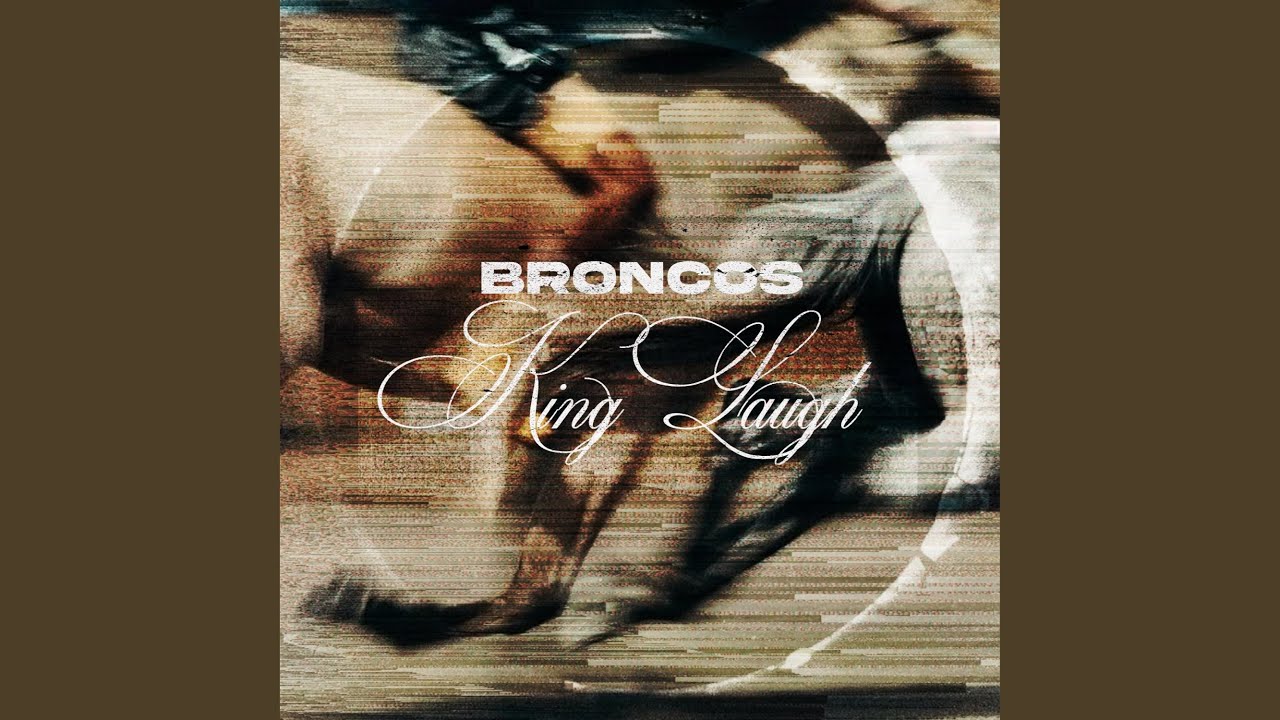

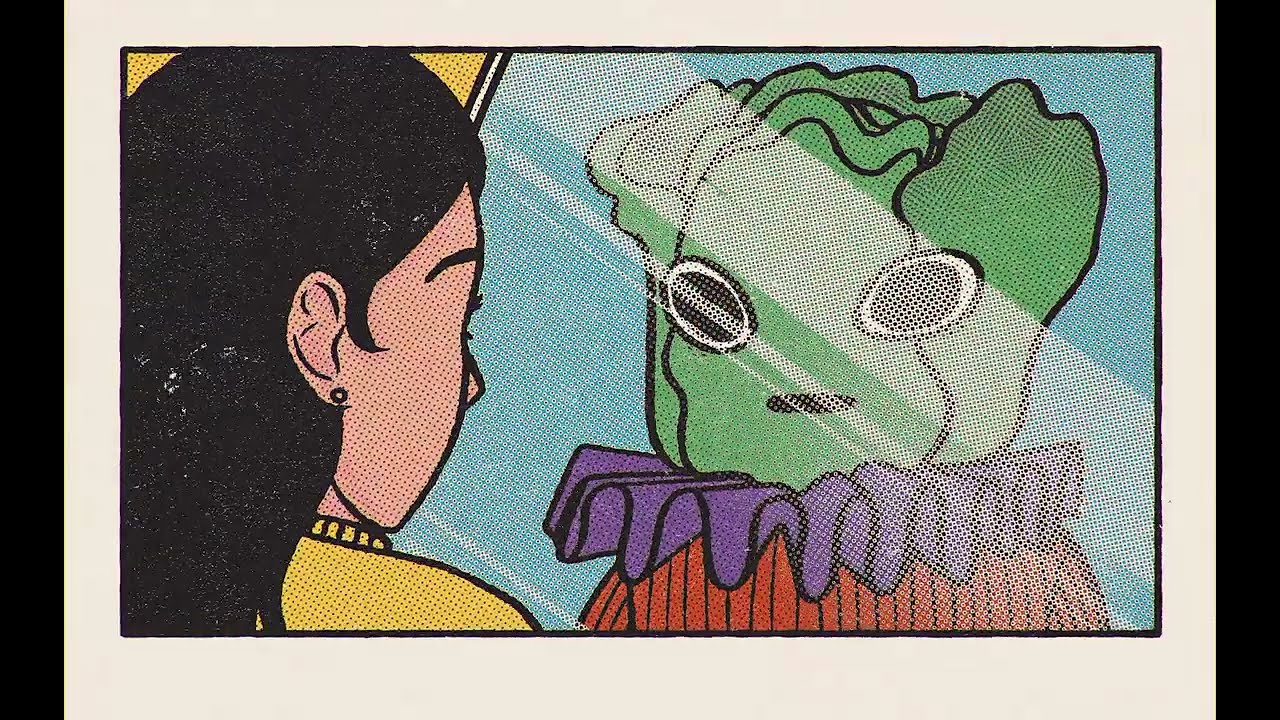


Teenage Sex and Death at Camp Miasma (2026) by Jane Schoenbrun

US / CA | 2026 | 112 min | Meta-Horror / Comedy
When the Final Girl Who Shaped Your Identity Becomes the Woman You Cannot Stop Wanting
Kris is a young queer filmmaker handed the opportunity to resurrect Camp Miasma, a once-popular slasher franchise diminished by years of uninspired sequels. Her solution is not simply another killer, another group of teenagers or another trip to the lake. She wants Billy Presley, the reclusive actress who played the final girl in the original film — and whose screen image has occupied Kris's imagination for years.
What begins as casting becomes fascination, attraction and psychological destabilization. The slasher movie Kris wants to make becomes inseparable from the movie that helped shape her, turning Schoenbrun's horror story into something more unusual: a confrontation between a fan and the cultural icon through whom she learned something about her own desire.
➡️ Movie Insight: Kris does not simply want to remake the horror movie she loves. She wants access to the woman who made that movie emotionally formative. The real danger begins when cinematic obsession becomes intimate desire.
Why This Movie Matters Right Now: Fandom Is Becoming Part of the Story Rather Than Simply the Audience
Contemporary culture increasingly treats formative entertainment as part of identity: the movies, television series, games and online worlds encountered during adolescence can become emotional languages through which people recognize themselves. Camp Miasma turns that relationship into narrative material by asking what happens when a filmmaker gains professional access to an image that once existed only inside her private imagination.
That gives nostalgia a more complicated function than conventional franchise revival. Schoenbrun is not merely reconstructing slasher cinema; the film examines the contradictory experience of loving a genre whose historical treatment of sex, gender and queer identity can be both formative and alienating. MUBI's critical roundup similarly identifies this tension between celebrating slashers and questioning what it means to love a genre that has not always loved every viewer back.
➡️ Why It Matters: Popular culture can become part of the way people understand themselves. Revisiting formative entertainment therefore means revisiting both pleasure and discomfort. Camp Miasma transforms horror nostalgia into a confrontation with the identities that fandom helped create.
Should You Watch It?: A Slasher for Audiences More Interested in Desire Than Body Counts
Despite the title, the movie should not be approached as a straightforward summer-camp slasher. Its horror iconography becomes the foundation for psychological romance, camp comedy, sexuality, metafiction and increasingly unstable boundaries between movies and reality. Contemporary critical response has repeatedly emphasized that the film is as interested in film studies, erotic tension and genre commentary as conventional horror mechanics.
That makes it particularly suited to audiences comfortable with genre mutation. The pleasure comes from watching Schoenbrun simultaneously embrace slasher excess and dismantle what the final girl, masked killer and sexually punished teenager traditionally represent.
➡️ Viewing Recommendation: Expect slasher imagery without expecting a conventional slasher structure. The central relationship matters more than the mechanics of surviving a killer. Its strongest pleasures come from horror fandom, queer desire, camp and cinema folding into one another.
Why Everyone Is Talking About It: Queer Horror Moves From the Slasher Screen Into the Psychology of Fandom
Teenage Sex and Death at Camp Miasma opened the Un Certain Regard section at the 2026 Cannes Film Festival, where it competed for the Un Certain Regard Award and won the Queer Palm. Its festival trajectory subsequently included further recognition at Munich, San Sebastián, Strasbourg and Frameline, where it won the Narrative Feature Audience Award.
The response also demonstrates unusual crossover potential between prestige and genre audiences. The supplied IMDb material records an 89 Metascore and extensive critical coverage, while MUBI's critical roundup shows critics repeatedly responding to its combination of psychosexual thriller, parody, queer joy, horror history and filmmaking commentary.
➡️ Viral Potential: The movie arrives with a premise built for horror and queer-cinema conversation. Cannes recognition gives its deliberately excessive genre play prestige visibility beyond the traditional slasher audience. Its strongest word-of-mouth hook is the unexpected transformation of horror nostalgia into erotic and psychological obsession.
Why Teenage Sex and Death at Camp Miasma Stands Out: The Final Girl Becomes the Object of the Story Rather Than Simply Its Survivor
Traditional slashers turn the final girl into the last person standing. Schoenbrun asks what happens decades later, after survival has become an image endlessly watched, remembered and mythologized by other people. Billy is therefore simultaneously a woman, an actress and the embodiment of somebody else's formative cinematic experience.
Kris complicates that mythology further because she approaches Billy as both filmmaker and fan. Professional authority does not erase adolescent fascination; directing the reboot instead gives Kris the opportunity to physically enter the cultural object she once consumed from a distance. The familiar relationship between filmmaker, performer and audience begins collapsing.
➡️ Cinema Insight: The original slasher makes the final girl survive the killer. Camp Miasma examines what happens after cinema turns that survivor into mythology. By making her greatest fan the new filmmaker, Schoenbrun transforms franchise nostalgia into a psychological power relationship.
Movie Trend: Meta-Horror — When Obsession With a Final Girl Becomes an Obsession With the Woman Who Played Her
Meta-horror traditionally works by teaching characters the rules audiences already understand: never separate from the group, never assume the killer is dead, never behave as though horror movies do not exist. Camp Miasma moves meta-horror somewhere more personal. Its characters do not merely understand horror conventions; horror has helped construct who they are.
Kris's attachment to Billy therefore turns fandom into narrative conflict. The cultural icon she watched from a distance becomes an actual woman capable of challenging the fantasy Kris has built around her.
Trend Formula:cult horror creates iconic final girl → young viewer becomes emotionally attached → horror becomes part of identity → viewer becomes filmmaker → franchise revival creates access to formative movie → filmmaker seeks original actress → icon becomes real woman → admiration becomes attraction → attraction becomes obsession → filmmaking and desire collapse into each other
➡️ Movie Trend: Meta-horror is evolving from jokes about genre rules toward stories about what genre culture does to its audiences. Fandom becomes psychologically significant when entertainment helps construct identity. The horror then comes from discovering what happens when the fantasy can finally be touched.
Why These Meta-Horror Films Are Popular: Audiences Want Horror to Examine Why Horror Matters
Genre-literate audiences no longer need another movie simply explaining that horror has conventions. The richer opportunity is examining why people repeatedly return to those conventions, why particular monsters or survivors become emotionally important and why supposedly disposable entertainment can become formative culture. Camp Miasma makes that relationship explicitly personal by connecting horror fandom with sexuality, identity and creative ambition.
➡️ Audience Motivation: Meta-horror gives fans recognition without requiring them to abandon emotional involvement. Familiar conventions become opportunities to examine personal relationships with genre culture. The reward comes from seeing fandom itself transformed into part of the mystery.
Viewer Profile: Genre Obsessives - Arthouse Horror Audiences Drawn to Queer Identity, Cult Cinema and Meta-Storytelling
Genre Obsessives watch horror not only for scares but for its history, iconography, subgenres and cultural evolution. They recognize the final girl as more than a plot function and understand how VHS culture, slashers, cult movies and midnight screenings create communities around films long after their original release.
Camp Miasma particularly suits viewers who move comfortably between genre and arthouse cinema. Its combination of slasher imagery, queer desire, surrealism, camp comedy and filmmaking commentary makes horror literacy part of the viewing experience rather than a prerequisite for simply following the plot.
Audience Dimension | Profile |
Core Audience | Arthouse horror, queer cinema and cult-film audiences |
Age Group | Adult genre viewers with strong pop-cultural and horror literacy |
Lifestyle | Festival followers, horror-community audiences and culturally engaged film fans |
Cinema Taste | Meta-horror, queer genre cinema, psychological horror, surrealism and camp |
Streaming Behavior | MUBI, curated cinema platforms, theatrical specialty releases and genre discovery |
Discovery Mindset | Directors, festivals, horror communities, critical conversation and cult word of mouth |
➡️ Audience Insight: Genre Obsessives want movies that understand their knowledge without merely flattering it. They respond when familiar iconography is given an unexpected emotional function. Camp Miasma turns being a horror fan into the psychological engine of the story.
What This Movie Means for the Industry: Franchise Nostalgia Can Examine the Audience the Original Movie Created
Hollywood franchise revival usually asks how recognizable characters, monsters and intellectual property can be introduced to another generation. Camp Miasma suggests a more interesting creative question: what kind of person did the original movie help create? That shifts nostalgia from reconstruction toward consequence.
The approach offers genre filmmakers a way to revisit culturally complicated horror without simply reproducing or rejecting it. Old tropes can become material for new perspectives on gender, sexuality and fandom, allowing filmmakers to acknowledge both the pleasure and limitations of the movies that influenced them.
➡️ Industry Insight: Horror IP becomes more creatively useful when nostalgia generates character rather than simply recognition. A reboot can investigate the audience shaped by the original instead of merely reproducing its iconography. That creates space for new filmmakers to challenge genre history while remaining emotionally attached to it.
Creative Analysis: Horror Fandom Becomes a World Kris Can Physically Enter
Schoenbrun builds the movie around the unstable relationship between representation and reality. The Camp Miasma franchise exists as fictional cinema inside the film, but its imagery increasingly determines how Kris understands Billy, sexuality, filmmaking and herself.
That instability extends into the film's construction. Cannes officially credits Eric K. Yue for cinematography, Graham Mason for editing, Alex G for music and Brandon Tonner-Connolly and Matthew Hyland for production design.
Storytelling: A Franchise Reboot Becomes a Personal Excavation
The initial objective is commercially familiar: resurrect a deteriorating horror property. But Schoenbrun quickly makes the reboot secondary to Kris's need to reconnect with the original film and Billy.
That creates a useful reversal. Instead of nostalgia serving the franchise, the franchise becomes a mechanism through which Kris investigates herself.
Direction: Jane Schoenbrun Makes Genre Knowledge Emotionally Dangerous
Schoenbrun treats slasher literacy as more than comedy. Knowing horror history gives Kris a vocabulary, but it also means that she approaches Billy through decades of accumulated fantasy rather than as a stranger.
The movie consequently moves between parody, romance, psychological instability and horror without insisting those modes remain separate. Its camp excess becomes part of its argument about the simultaneous absurdity and emotional seriousness of loving movies intensely.
Performances: Hannah Einbinder and Gillian Anderson Turn Fandom Into Intimacy
Hannah Einbinder plays Kris while Gillian Anderson plays Billy, with Jack Haven appearing as Little Death; the supplied IMDb cast also includes Jasmin Savoy Brown, Quintessa Swindell, Arthur Conti, Zach Cherry, Sarah Sherman and others.
The central dynamic depends on imbalance. Kris arrives carrying years of emotional investment in Billy's image, while Billy confronts somebody whose understanding of her has been mediated through a movie. Attraction therefore develops inside a relationship already complicated by fandom, authorship and projection.
Visual Style: Two Cinematic Worlds Turn Nostalgia Into Psychology
The visual strategy is unusually concrete. Cinematographer Eric K. Yue shot on 35mm and created two distinct visual environments: the vintage slasher material uses pronounced grain, crash zooms and handheld stalking perspectives, while Kris and Billy's surreal relationship moves toward saturated colors, artificial snow and hand-painted matte backgrounds.
Production designers Brandon Tonner-Connolly and Matthew Hyland similarly used hand-painted backgrounds and practical techniques rather than relying exclusively on digital construction. The result deliberately makes artificiality visible: cinema does not hide behind reality because artificial cinema is precisely what the movie wants its characters to inhabit.
Themes: Queer Desire, Fandom, Identity, Nostalgia and Creative Ownership
The film connects sexual awakening with cultural consumption. Kris's relationship with Camp Miasma suggests that viewers sometimes recognize themselves through images before they have language for what those images awaken.
But Schoenbrun also complicates nostalgia by asking who controls those images once they become culturally meaningful. Billy lived the role; Kris consumed it; the industry wants to monetize it again. Desire and authorship therefore become intertwined.
What Makes It Different: The Horror Movie Is About What Horror Movies Do to Their Fans
The film's most distinctive shift is moving the audience's relationship with horror inside the narrative. Kris is simultaneously filmmaker, fan, interpreter and participant.
That allows Schoenbrun to treat cult cinema almost like memory. The original Camp Miasma is no longer simply a movie Kris watched; it has become part of the architecture through which she understands desire.
➡️ Creative Insight: Camp Miasma turns genre nostalgia into a psychological environment rather than decorative reference. Its artificial visual worlds reinforce the idea that movies can become more emotionally real than ordinary experience. The final girl becomes powerful because Kris has spent years carrying her beyond the screen.
If You Liked Teenage Sex and Death at Camp Miasma (2026): Horror Where Identity Changes the Meaning of the Genre
Queens of the Dead (2025) by Tina Romero: Queer Community Reclaims Another Classic Horror Tradition
Tina Romero turns zombie cinema toward drag queens, club culture and queer community as a Brooklyn warehouse party collides with an undead outbreak. Like Camp Miasma, it takes a familiar horror framework and gives queer characters control of the genre rather than positioning them at its edges.
➡️ Why It Connects: Both films treat queer culture as a way of reinventing familiar horror mythology. Comedy and excess coexist with genuine affection for the genres being reworked. Horror history becomes something a new generation can inherit and transform.
The Ugly Stepsister (2025) by Emilie Blichfeldt: Familiar Cultural Mythology Becomes Grotesque Body Horror
Emilie Blichfeldt reconstructs Cinderella through Elvira, the overlooked stepsister whose desperate pursuit of conventional beauty transforms the fairy tale into visceral body horror. Rather than simply retelling a familiar story, the film exposes the violence hidden inside cultural ideals audiences have been taught to accept as romantic.
➡️ Why It Connects: Both movies love the cultural forms they simultaneously dismantle. Familiar imagery becomes unsettling once viewed through characters marginalized by the original mythology. Genre revision becomes a way of exposing who traditional stories were designed to reward.
I Saw the TV Glow (2024) by Jane Schoenbrun: When the Screen Becomes a Language for an Identity That Cannot Yet Be Named
Schoenbrun's previous feature follows Owen and Maddy as their attachment to a late-night television series destabilizes the boundary between media, memory and reality. It is the clearest companion piece to Camp Miasma because both films ask how formative entertainment can become inseparable from identity.
➡️ Why It Connects: Both films treat pop culture as something capable of shaping rather than merely reflecting identity. Fictional worlds provide language for feelings their characters struggle to articulate elsewhere. Camp Miasma develops that idea further by transforming media identification into adult desire and filmmaking.
➡️ If You Liked Insight: These films use familiar genre traditions as material for identities previously pushed toward their edges. Their creators do not simply reject old horror and fantasy conventions but reclaim the pleasure contained within them. Reinvention becomes most powerful when affection and criticism are allowed to coexist.
Final Verdict: The Horror Movie That Made Kris a Fan Becomes the Movie She Has to Escape
Teenage Sex and Death at Camp Miasma works because Schoenbrun does not treat genre deconstruction as an intellectual exercise detached from pleasure. Blood, sexuality, camp, final girls, masked killers and ridiculous franchise mythology remain enjoyable even while the film interrogates why those images became culturally powerful.
Kris makes that investigation personal. Her fascination with Billy begins long before the women meet, meaning their eventual relationship carries the emotional weight of fandom, sexual awakening and artistic ambition simultaneously. The slasher is no longer simply being remade — it is being confronted by one of the people it helped create.
➡️ Final Verdict: Schoenbrun turns the final girl from a survival archetype into an object of memory, desire and cultural projection. The movie's real obsession is not killing horror history but understanding why audiences continue loving it. Its most distinctive achievement is making fandom itself feel dangerous, erotic and transformative.
Quick Facts: A Slasher Reboot Becomes an Obsession With the Woman Behind the Final Girl
Director | Jane Schoenbrun |
Screenplay / Writer | Jane Schoenbrun |
Lead Cast | Hannah Einbinder, Gillian Anderson |
Key Cast | Jack Haven, Jasmin Savoy Brown, Quintessa Swindell, Arthur Conti, Zach Cherry, Sarah Sherman |
Countries | United States / Canada |
Year | 2026 |
Runtime | 112 min |
Genre | Meta-Horror / Comedy / LGBTQ+ |
Language | English |
Cinematography | Eric K. Yue |
Editing | Graham Mason |
Music | Alex G |
Production Design | Brandon Tonner-Connolly, Matthew Hyland |
Production | Plan B; MUBI and Scythia Films are also credited in production listings |
Producers | Dede Gardner, Jeremy Kleiner |
Festival Profile | Cannes 2026 — Un Certain Regard opening film; subsequent international festival circuit |
Awards & Recognition | 2 wins & 5 nominations in supplied IMDb record; Cannes Queer Palm winner; Frameline Narrative Feature Audience Award winner |
Movie Trend | Meta-Horror — When Obsession With a Final Girl Becomes an Obsession With the Woman Who Played Her |
Central Characters | Kris, Billy, Little Death |
Core Conflict | A filmmaker attempting to revive a slasher franchise becomes personally and sexually obsessed with its original final girl |
Creative Hook | Horror fandom becomes an intimate relationship between the fan-turned-filmmaker and the woman whose screen image shaped her |
Core Themes | Fandom, queer desire, identity, nostalgia, filmmaking, projection, sexuality, horror mythology |
Why Watch | A formally ambitious queer meta-horror that transforms slasher nostalgia into a story about desire and cultural identity |
Cannes verifies the US/Canada production, 112-minute runtime and principal creative credits. The supplied IMDb material confirms Schoenbrun as writer-director and records the principal cast.
Final Insights: Meta-Horror Is Moving From Knowing the Rules to Understanding Why Audiences Needed Them
The most interesting evolution in meta-horror is no longer simply having characters recognize that they are living inside familiar genre conventions. Contemporary filmmakers can instead examine how those conventions entered audiences' imaginations in the first place — shaping sexuality, identity, fantasy, fear and eventually the artists who grew up consuming them. Camp Miasma makes that evolution explicit by turning a horror fan into the filmmaker responsible for reinventing the object of her obsession.
That creates a richer future for franchise revision. Instead of endlessly asking how an old monster can return, filmmakers can ask what decades of watching that monster produced culturally and psychologically. Horror history then becomes something new generations can simultaneously celebrate, criticize, desire and transform.
➡️ Final Insight: The next generation of meta-horror is less interested in proving that audiences understand genre conventions. It wants to understand why those conventions became emotionally important enough to survive for decades. Camp Miasma suggests that the most powerful horror nostalgia begins when filmmakers stop recreating the movies they loved and start examining what those movies created inside them.
Comments