
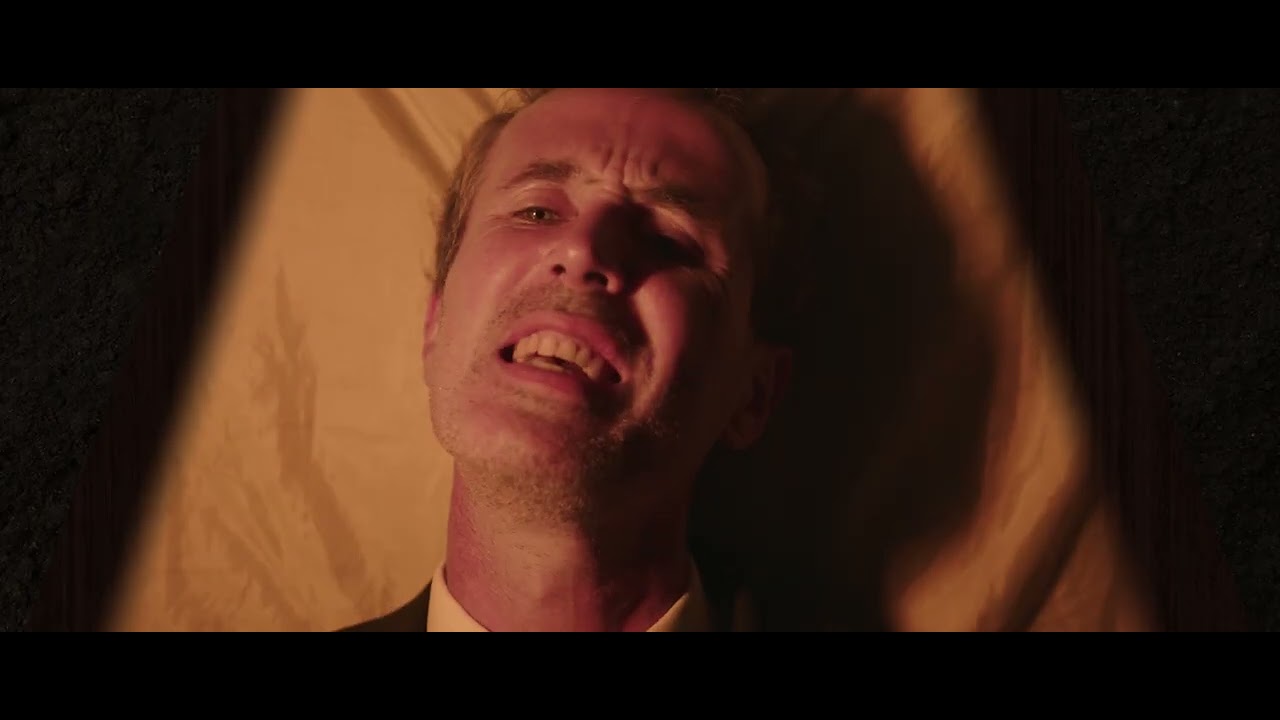




Something Old, Something New, Something Borrowed (2024)
- dailyentertainment95

- Apr 5
- 5 min read
Family, power, and survival in the underground economy. Family business reshaped by loss and power
After the death of the family patriarch, a working-class family in Buenos Aires must navigate both grief and survival while running an underground sports betting operation. What was once a structured, male-led system transforms into a matriarchal dynamic, reshaping power and responsibility.As roles shift, tensions emerge between tradition, loyalty, and necessity. The film frames this transition as both a personal and systemic evolution, exploring how family structures adapt under pressure.
Why It Is Trending: Gritty realism meets shifting power dynamics
The film is trending due to its raw portrayal of working-class life intertwined with underground economies, a theme gaining traction in global cinema. It reflects growing interest in stories that explore power shifts within families, particularly through female-led narratives. The matriarchal transition adds a fresh perspective to crime-adjacent storytelling, focusing more on structure than action. Its grounded realism and local specificity resonate with audiences seeking authentic, culturally rooted narratives. Additionally, Argentine cinema continues to gain international recognition, positioning the film within a broader wave of Latin American storytelling.
Elements Driving the Trend: Family as economic systemThe film portrays the family not just as a unit of emotion but as an operational system. Power transitions are driven by necessity rather than ideology. The narrative blends domestic life with criminal enterprise, creating layered tension. Realism replaces dramatization, grounding the story in authenticity. This reflects a broader trend of socio-economic storytelling.
Virality of Movie (Social Media Coverage): Interest in underground economiesDiscussions highlight the depiction of informal economies and survival strategies. Audiences engage with its portrayal of realism and family dynamics.
Critics Reception: Authentic and observational storytellingCritics praise its grounded approach and commitment to realism. The film is noted for its subtle storytelling and non-sensationalized tone.
Awards and Recognitions: Festival recognition with emerging winsThe film has achieved 2 wins and 8 nominations, including Best Film, Mar del Plata International Film Festival (2024) — highlighting its recognition within Latin American festival circuits.
A family structure evolves under pressure and necessity. It reveals how power adapts in moments of loss. Its realism grounds the narrative in lived experience. This is cinema that observes rather than dramatizes. It reflects survival within constrained systems.
What Movie Trend Is Followed: Working-class realism and family power dynamics
This film follows the trend of working-class realist dramas that explore how economic survival shapes family structures and relationships. Rather than focusing on crime itself, it examines the systems behind it—how families operate as economic units under pressure. The narrative reflects a shift toward grounded storytelling that prioritizes authenticity over dramatization. It aligns with contemporary cinema that highlights invisible economies and everyday survival strategies. This trend emphasizes realism, where power, gender roles, and responsibility evolve organically within constrained environments.
Trend Drivers: Economic survival as narrative coreFilmmakers are increasingly focusing on stories rooted in economic reality rather than escapism. Families are portrayed as adaptive systems responding to financial and social pressures. The blending of domestic life with informal economies creates layered storytelling. Directors like Hernán Rosselli use observational techniques to enhance authenticity. This reflects a broader shift toward socio-economic realism in global cinema.
What Is Influencing Trend: Economic instability and informal marketsReal-world financial uncertainty and the prevalence of underground economies influence storytelling themes. These narratives reflect survival strategies within constrained systems.
Macro Trends Influencing: Rise of Latin American realist cinemaLatin American films are gaining recognition for their grounded, socially engaged storytelling. Festivals increasingly highlight region-specific narratives with universal relevance.
Consumer Trends Influencing: Preference for authenticity and realismAudiences are seeking stories that reflect real-life struggles and environments. Authenticity is valued over stylized or exaggerated narratives.
Audience Analysis: Realism-focused and socially aware viewersThe film appeals primarily to audiences aged 25–55 who are interested in social realism, family dramas, and international cinema. These viewers value authenticity, subtle storytelling, and cultural specificity. They are often engaged with socio-economic themes and appreciate observational narratives. The audience includes cinephiles, festival audiences, and viewers seeking grounded storytelling. This segment is selective but highly engaged.
A family system becomes a reflection of economic survival. It reveals how roles shift under pressure. The narrative prioritizes realism over dramatization. This trend emphasizes lived experience and authenticity. It positions cinema as a mirror to everyday struggle.
Final Verdict: A grounded portrait of family, power, and survival
The film positions itself as a restrained yet insightful exploration of how economic realities reshape family dynamics. It reflects a broader cinematic movement toward realism that prioritizes observation over dramatization. Its strength lies in authenticity, subtle storytelling, and socio-economic relevance rather than narrative spectacle. While its quiet approach may not appeal to all audiences, it reinforces its credibility and artistic integrity. Over time, it stands as a significant entry in contemporary Latin American realist cinema.
Audience Relevance: Niche but deeply resonantIt resonates with viewers interested in realism and socio-economic narratives.Mainstream audiences may find its subtle pacing less engaging.
What Is the Message of Movie: Survival reshapes structureThe film suggests that economic necessity can redefine family roles and power dynamics.It highlights how survival often overrides tradition and expectation.
Relevance to Audience: Everyday economic struggleIt reflects real-world experiences of financial instability and adaptation.It resonates with audiences navigating similar pressures.
Social Relevance: Informal economies and family systemsExplores how underground systems sustain communities.Raises awareness about the realities of working-class survival.
Performance: Naturalistic and ensemble-drivenAlejandra Cánepa and Marcelo Barbosa contribute to a grounded, authentic portrayal.The ensemble cast enhances realism through understated performances.
Legacy: A key example of modern realist cinemaIt contributes to the growing prominence of Latin American social realism.May be referenced in discussions around economic and family-driven narratives.
Success: Festival recognition and critical appreciationThe film achieved 2 wins and 8 nominations, including Best Film, Mar del Plata International Film Festival (2024).Its impact is driven by critical reception and festival visibility rather than commercial scale.
Insights: Survival defines structure more than tradition
Industry Insight: The film highlights the continued strength of realist storytelling in global cinema, particularly within Latin American filmmaking. It demonstrates how socio-economic narratives can achieve depth without relying on spectacle. It also reinforces the importance of festival circuits in elevating such films.Audience Insight: Viewers are increasingly drawn to stories that reflect real-life struggles and environments. However, engagement often depends on balancing realism with narrative momentum. Audiences engaging with such films value authenticity over entertainment.Social Insight: The narrative reflects how economic instability shapes family roles and decision-making. It mirrors real-world reliance on informal systems for survival. These themes resonate strongly in regions experiencing similar conditions.Cultural Insight: The film captures a cultural reality rooted in working-class experience and resilience. It aligns with broader movements highlighting underrepresented voices and everyday struggles. This reinforces cinema’s role as a document of lived experience.
A shifting structure reveals the realities of survival. It transforms family into an economic system. Its strength lies in authenticity and restraint. It reflects a world shaped by necessity rather than choice. It ultimately stands as a powerful portrayal of resilience and adaptation.
Summary of the Movie: When family becomes a system of survival
• Movie themes:Family and survival — A working-class family transforms its structure to sustain an underground economy after loss
• Movie director:Realist observer of social systems — Hernán Rosselli crafts a grounded narrative focused on authenticity, using subtle storytelling to explore economic pressure and shifting power dynamics
• Top casting:Ensemble realism — Alejandra Cánepa and Marcelo Barbosa lead a cast that delivers naturalistic performances rooted in everyday experience
• Awards and recognition:2 wins & 8 nominations, including Best Film, Mar del Plata International Film Festival (2024) — highlighting strong recognition within Latin American festival circuits
• Why to watch movie:A raw, authentic drama exploring how economic necessity reshapes family roles and power structures
• Key Success Factors:Comparable to Latin American realist cinema, distinguished by its focus on family as an economic system rather than purely emotional unit
• Where to watch:Released December 5, 2024 (Argentina) — available through festival circuits and regional distribution platforms
https://www.justwatch.com/fr/film/something-old-something-new-something-borrowed (Freance), https://www.justwatch.com/ar/pelicula/algo-viejo-algo-nuevo-algo-prestado (Argentina)
Comments