




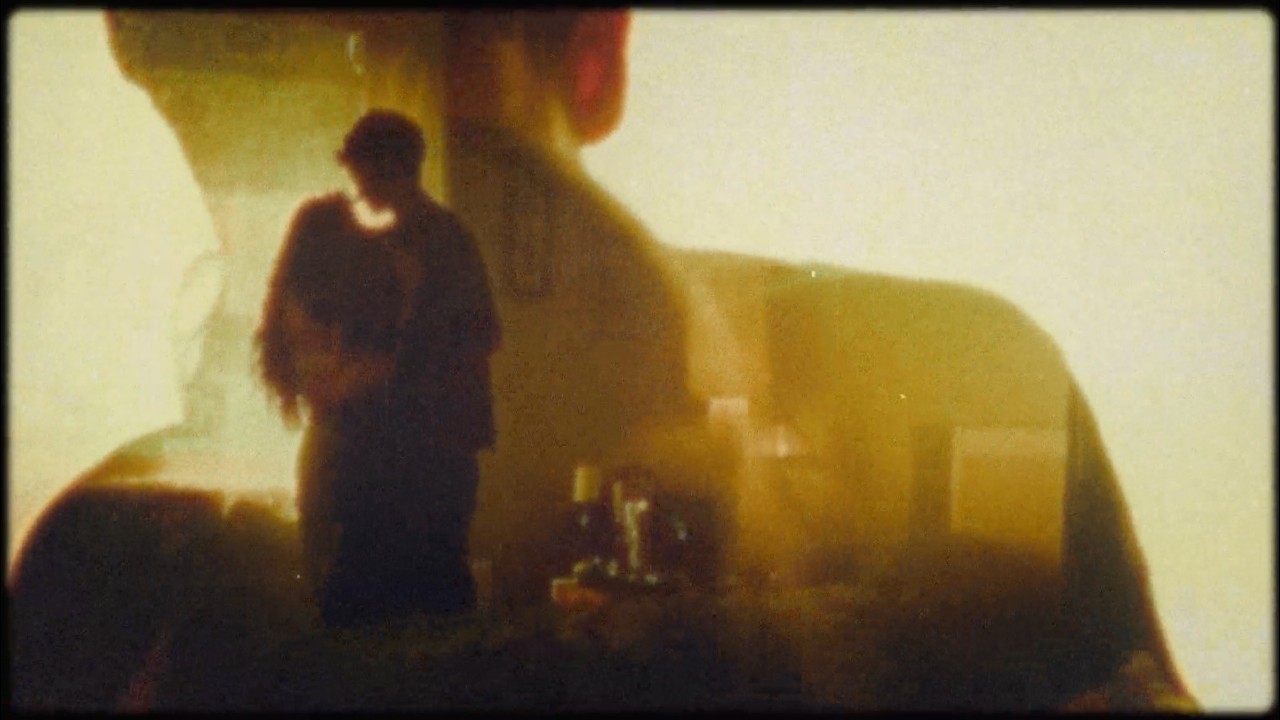
Saints (2026) by Mikel Gurrea

ES / IT | 2026 | 103 min | Caregiving Heist Drama
➡️ Where to Watch: Festival Scope Pro — Industry professionals / festival circuit.
When Caring for a Dying Parent Opens the Door to a Completely Different Life
Lali returns to Barcelona carrying a responsibility that immediately changes the rhythm of her life. Her mother is terminally ill, and caring for her means confronting illness, responsibility and the approaching reality of loss. At the same time, another world opens when Lali becomes involved with a gang of thieves who make their living stealing sacred artifacts from churches. What begins as criminal temptation develops into something more complicated: a dangerous community offering movement, excitement and collective belonging at precisely the moment when family responsibility is making Lali's own life feel increasingly constrained.
Director Mikel Gurrea turns that contradiction into the emotional engine of Sants. Lali moves between two environments that initially appear completely opposed—caring for a vulnerable mother and participating in robberies—but both ultimately confront her with questions about responsibility, trust, dependence and what it means to care for other people.
➡️ Movie Insight: Sants transforms the heist film into a story about competing forms of responsibility. Lali is pulled between the intimate obligation of caring for her mother and the dangerous freedom offered by a criminal collective. The tension comes from discovering that the world offering escape may also teach her something about belonging, dependence and care.
Why This Movie Matters Right Now: Caregiving Can Reshape an Entire Life
Family care rarely affects only the hours spent providing it. When a parent becomes seriously ill, everyday life can reorganize around physical needs, emotional support and uncertainty. Time changes, freedom changes, relationships change and future plans can suddenly become secondary to immediate responsibility. The progression becomes PERSONAL LIFE → FAMILY CRISIS → CARE RESPONSIBILITY → LESS AUTONOMY → EMOTIONAL PRESSURE → CHANGING PRIORITIES → REASSESSMENT.
Sants pushes that recognizable experience into unexpected genre territory because Lali does not respond to pressure simply by withdrawing. She enters another world entirely. The thieves provide almost the opposite of caregiving through risk, transgression, adrenaline and apparent freedom, yet the contrast gradually becomes less straightforward because the gang also functions as a collective. Participation requires trust, coordination and responsibility toward other people.
The film therefore places two different versions of belonging beside each other: FAMILY → OBLIGATION → CARE and GANG → FREEDOM → RISK → COMMUNITY. The deeper tension comes from discovering that these worlds may not be as different as they initially appear.
➡️ Why It Matters: Caring for another person can change far more than daily routines; it can destabilize assumptions about freedom, responsibility and the future. Sants captures that pressure through an unusual collision between caregiving and crime. Lali's dangerous alternative life becomes compelling partly because her existing life has suddenly become defined by responsibilities she cannot simply escape.
Should You Watch It?: A Crime Drama Where the Emotional Stakes Matter as Much as the Heists
Sants is particularly suited to audiences who prefer crime stories where genre mechanics reveal something larger about the characters living inside them. The premise offers obvious thriller ingredients—a criminal gang, church robberies, valuable sacred objects and the danger surrounding an illegal underground economy—but the deeper tension belongs to Lali.
Victoria Luengo plays a woman moving between impending family loss and a criminal community that offers an unexpected alternative identity. Ariadna Gil, Eulàlia Ramon and Cosimo Fusco join an ensemble surrounding that conflict, while Gurrea uses the theft story to examine responsibility rather than treating the robberies purely as spectacle. The result places Sants somewhere between family drama, character study and heist film.
➡️ Viewing Recommendation: Sants should appeal most to viewers who prefer crime films where criminal activity exposes a deeper emotional conflict. The church robberies create movement and danger, but Lali's divided responsibilities give those events meaning. The film becomes particularly distinctive when caregiving and crime begin reflecting different versions of the same question: what is owed to the people who become part of a life?
Why Everyone Is Talking About It: A Heist Film Built Around Care Rather Than Greed
Sants competed for the Golden Seashell at the 2026 San Sebastián International Film Festival and received a Gold Hugo nomination in the New Directors Competition at the Chicago International Film Festival. Its strongest conversation point, however, is conceptual because a gang stealing religious artifacts could easily support a conventional crime thriller about money, danger and betrayal, while Gurrea instead connects the criminal activity to care.
That changes the familiar genre equation from VALUABLE OBJECT → THEFT → MONEY into something more emotionally layered: VULNERABLE PERSON → CARE → RESPONSIBILITY alongside SACRED OBJECT → CAREFUL HANDLING → RESPONSIBILITY. The parallel allows the heist mechanics to carry emotional meaning.
Sants also places that story inside Barcelona's Sants neighborhood, giving the idea of community another dimension. The gang is dangerous, but it is also collective. Lali is surrounded by people at the same moment that caring for her mother forces her to confront how dependent lives can become on other people.
➡️ Viral Potential: Sants has strong conversation potential because its genre hook is immediately understandable while its underlying idea is considerably less conventional. Church thieves provide the crime-story attraction, but caregiving gives the film emotional depth and contemporary relevance. Its festival positioning can further expand discussion around how European cinema is using familiar genres to explore changing ideas of family, responsibility and community.
Why Sants Stands Out: The Escape From Responsibility Becomes Another Form of Responsibility
Lali initially appears caught between opposites. At home, ILLNESS → DUTY → CARE → RESTRICTION defines her experience, while the gang offers CRIME → RISK → MOVEMENT → FREEDOM. Sants gradually complicates that opposition because a successful robbery depends on other people, members of the group depend on one another, valuable objects must be handled carefully and individual actions can affect everyone.
The criminal collective therefore begins reproducing some of the structures Lali might initially be trying to escape: DEPENDENCE → RESPONSIBILITY → TRUST → CARE. This makes the gang more narratively interesting than a simple escape mechanism because Lali effectively moves from one form of responsibility into another.
➡️ Cinema Insight: Sants stands out because freedom and responsibility gradually stop functioning as opposites. The criminal community initially appears to offer Lali an escape from the pressures surrounding her mother's illness, yet belonging to that community creates its own obligations. The heist narrative consequently becomes a way of exploring whether meaningful freedom can ever be completely separated from responsibility toward other people.
Movie Trend: Caregiving Heist Drama — When Family Responsibility Collides With the Freedom of a Dangerous New Community
Caregiving Heist Drama combines two narrative structures rarely placed together. The first is intimate—ILLNESS → FAMILY → RESPONSIBILITY → CARE → ANTICIPATORY LOSS—while the second is kinetic—GANG → PLAN → THEFT → DANGER → ESCAPE. Sants brings them together through Lali, who returns to Barcelona because her mother needs care, placing her inside a life increasingly shaped by another person's vulnerability while involvement with thieves simultaneously introduces risk, movement and a community operating outside conventional expectations.
The criminal world offers apparent freedom, but that freedom comes with another group of people. This contradiction creates the central progression: FAMILY RESPONSIBILITY → PRESSURE → DESIRE FOR ESCAPE → DANGEROUS COMMUNITY → FREEDOM → BELONGING → NEW RESPONSIBILITIES → PERSONAL CHANGE. The heist therefore does more than generate suspense; it creates an alternative social structure through which Lali can reconsider the life waiting outside it.
➡️ Movie Trend: Caregiving Heist Drama turns crime into a counterweight to the restrictions created by family responsibility. The attraction of the criminal world comes from the freedom it appears to offer, while its deeper significance emerges when that freedom produces another form of belonging. Sants uses the collision to explore how responsibility can follow people even into places originally imagined as escape.
Broad Trend: Life Under Pressure — When Caring for Someone Else Forces a Reconsideration of How Life Is Being Lived
Life Under Pressure describes what happens when circumstances compress the space available for ordinary choices. Caregiving can create exactly that experience because daily decisions that once revolved around work, relationships, leisure or personal ambitions suddenly exist alongside another person's needs. PERSONAL TIME → CARE TIME, FREEDOM → RESPONSIBILITY, FUTURE PLANNING → IMMEDIATE NEEDS and INDEPENDENCE → INTERDEPENDENCE become part of the same life transition.
The pressure is not necessarily created by unwillingness to care. Love and burden can coexist, responsibility and frustration can coexist, and devotion and the desire to escape can coexist. That contradiction makes the trend particularly relevant to Sants because Lali can care about her mother while simultaneously being attracted to a world that seems to release her from the emotional gravity surrounding that responsibility.
The gang therefore represents more than crime; it represents another rhythm of life. CARE → ROUTINE → VULNERABILITY → IMPENDING LOSS exists alongside THEFT → RISK → ADRENALINE → MOVEMENT → UNCERTAINTY, yet the deeper Lali enters the new community, the harder it becomes to separate freedom from responsibility.
Broad Trend Formula: INDEPENDENT LIFE → FAMILY CRISIS → CARE RESPONSIBILITY → TIME PRESSURE → REDUCED AUTONOMY → EMOTIONAL OVERLOAD → SEARCH FOR RELEASE → ALTERNATIVE COMMUNITY → NEW EXPERIENCES → NEW RESPONSIBILITIES → REASSESSMENT → DIFFERENT UNDERSTANDING OF LIFE
The wider trend extends beyond illness. Financial pressure, parenthood, elder care, unstable employment and other major responsibilities can all narrow the distance between the life originally planned and the life circumstances now require. Under enough pressure, the central question changes from WHAT LIFE WAS PLANNED? to WHAT LIFE IS POSSIBLE NOW?
➡️ Broad Trend: Life Under Pressure reflects how responsibility can reorganize priorities, relationships and ideas about personal freedom. Caring for another person can make the tension particularly intense because emotional commitment exists alongside practical constraint. Sants turns that pressure into cinema by placing Lali between family care and a dangerous community that appears to offer freedom but ultimately introduces another form of responsibility.
Why Caregiving Heist Dramas Are Popular: Genre Makes Everyday Responsibility Feel Urgent
Caregiving rarely looks like a heist, which is precisely why the combination works. Both worlds involve vulnerability, both require attention, both involve consequences when something goes wrong and both can make one person responsible for something—or someone—that cannot simply be abandoned. By translating caregiving tension into crime-film language, Sants gives an everyday social reality a different dramatic energy.
The genre structure also avoids reducing Lali entirely to the role of caregiver. She can be a daughter and a thief, responsible and reckless, caring and desperate for freedom. The coexistence of those identities makes the character more complex than a conventional narrative of family sacrifice.
➡️ Audience Motivation: Genre hybrids allow familiar life pressures to be explored without turning them into conventional social dramas. Sants uses the excitement of theft and criminal community to externalize Lali's conflict between responsibility and freedom. The result gives audiences both the propulsion of a heist story and the emotional recognition of a life being reorganized by circumstances outside individual control.
Viewer Profile: Life Negotiators - Viewers Drawn to Stories About People Balancing Personal Freedom With Responsibilities They Cannot Ignore
Life Negotiators gravitate toward characters caught between competing versions of what life demands. They are interested in stories where there is no simple choice between freedom and responsibility because both carry consequences.
Audience Dimension | Profile |
Core Audience | Viewers drawn to character-driven crime dramas, family stories and unconventional genre hybrids |
Age Group | Adult audiences interested in responsibility, family change, personal freedom and difficult life transitions |
Lifestyle | Viewers negotiating competing responsibilities across family, work, relationships and personal ambitions |
Cinema Taste | European crime drama, social realism, intimate thrillers and character-driven heist films |
Streaming Behavior | Festival discoveries, international cinema and critically positioned independent films |
Discovery Mindset | Looks for genre films that connect crime or suspense with recognizable contemporary pressures |
➡️ Audience Insight: Life Negotiators recognize the tension between individual desires and the responsibilities created by circumstances. They are attracted to characters who cannot solve that tension simply by choosing one side because freedom, loyalty, responsibility and belonging remain interconnected. Sants speaks to this audience by turning Lali's movement between caregiving and crime into a negotiation over what kind of life can exist under pressure.
What This Movie Means for the Industry: Social Reality Is Moving Inside Genre Cinema
Sants demonstrates how contemporary social concerns can enter genre cinema without becoming separate from the entertainment proposition. Caregiving could support a conventional family drama and sacred-art theft could support a conventional heist thriller, but combining them creates something more distinctive. SOCIAL REALITY + GENRE MECHANISM = EMOTIONAL ACCESS + NARRATIVE ENERGY.
This approach allows filmmakers to address responsibility, illness, community and personal freedom while maintaining the momentum associated with crime cinema. It also broadens what a heist can represent because the stolen objects are not merely valuables. Their sacred status introduces questions around belief, cultural meaning and the way societies decide what deserves protection.
That resonates with the film's caregiving story because people care for objects, traditions, communities and one another. The meaning of care changes depending on what—or who—is considered valuable.
➡️ Industry Insight: Sants reflects a broader movement toward genre films that use familiar entertainment structures to examine everyday social pressures. The heist provides suspense, but caregiving provides the emotional architecture underneath it. That combination allows crime cinema to move beyond questions of what can be stolen toward larger questions about what deserves care, protection and responsibility.
Creative Analysis: Turning a Church Heist Into a Story About Care
Sants builds its identity through contradiction. The sacred and criminal coexist, care and recklessness coexist, and family responsibility and personal freedom coexist. Rather than resolving those oppositions immediately, Gurrea allows Lali to move between them, gradually revealing how apparently different parts of her life are connected by responsibility, dependence and care.
Storytelling: Two Responsibilities That Initially Look Like Opposite Lives
The screenplay places Lali between two narrative systems. One slows life down through illness, caregiving, waiting and approaching loss, while the other accelerates it through theft, danger, movement and escape. Moving between these worlds creates the film's dramatic rhythm, but the two stories gradually begin reflecting each other. Caring for her mother requires attention and responsibility, while participating in the gang requires trust, coordination and responsibility toward others. What initially appears to be an escape narrative therefore becomes a story about moving from one form of responsibility into another.
Direction: Finding Intimacy Inside Crime
Gurrea approaches the criminal world through Lali's emotional circumstances rather than treating the robberies as isolated spectacle. This keeps the film centered on character even as the story moves into churches, stolen artifacts and dangerous criminal activity. The important question is not merely whether the gang can successfully steal sacred objects, but what entering this world changes inside Lali. The robberies become experiences through which another understanding of responsibility, freedom and community can emerge.
Performances: Making Contradiction Central to Lali
Victoria Luengo's Lali must occupy several emotional positions simultaneously. She is a daughter confronting her mother's terminal illness, a caregiver carrying responsibility, a woman attracted to danger, a newcomer entering a criminal collective and someone trying to understand the direction of her own life. These identities coexist rather than replacing one another, preventing Lali from becoming either a conventional self-sacrificing caregiver or a straightforward rebel escaping responsibility. Her contradictions become the character, allowing the performance to express how competing responsibilities can pull one life in radically different directions.
Visual Style: Sacred Objects Enter a Criminal World
The central heist concept creates a striking visual contradiction between reverence and transgression. Churches, religious figures and sacred artifacts belong to spaces associated with history, permanence and protection, yet the thieves transform those objects into things that can be removed, transported and sold. Their criminal value does not eliminate their physical vulnerability because stealing them successfully still requires careful handling. That relationship between delicacy and transgression reinforces the film's larger thematic contradiction: care can exist in unexpected places and among people whose actions initially appear fundamentally careless.
Themes: Freedom, Responsibility and the Different Meanings of Care
Care becomes the connecting idea beneath apparently unrelated parts of the story. Lali cares for her mother, the thieves must carefully handle what they steal, members of the criminal group depend on one another and the wider community creates its own structures of belonging. Each situation changes the meaning of care while reinforcing the idea that individual lives are constantly shaped by responsibility toward other people and things. The film can therefore move naturally from the intimate question of how a dying parent is cared for toward the broader question of what receives care, protection and responsibility when life becomes difficult.
What Makes It Different: Crime Becomes an Unexpected Education in Care
The strongest creative reversal is that Lali's criminal life does not simply represent a rejection of responsibility. It introduces another version of it. The progression moves from CAREGIVING → PRESSURE → ESCAPE → CRIME → COMMUNITY → BELONGING → RESPONSIBILITY → DIFFERENT UNDERSTANDING OF CARE. The place that initially appears to offer freedom from obligation therefore becomes another environment in which trust, dependence and responsibility matter. This makes the heist more than a genre mechanism: it becomes the experience through which Lali begins reconsidering the relationship between freedom and caring for others.
➡️ Creative Insight: Sants makes its heist premise distinctive by connecting the careful handling of sacred objects with the much more intimate challenge of caring for another person. Crime initially appears to provide Lali with an escape from a life dominated by illness and responsibility, but the gang introduces its own forms of dependence, trust and belonging. The resulting contradiction turns a church-heist story into a larger examination of what care means when life is under pressure.
If You Liked Sants: When Responsibility, Crime and the Search for Freedom Collide
Rosebush Pruning (2026) by Karim Aïnouz: When Family Responsibility Turns the Desire for Freedom Into a Dangerous Conflict
After their mother's death, four wealthy siblings remain isolated together in a Spanish villa, where family dependence becomes increasingly unstable when Jack decides he wants to leave and build a separate life. The remaining siblings are also confronted with responsibility for their blind father, turning the family home into a space where care, dependence, resentment and the desire for freedom become increasingly difficult to separate.
➡️ Why It Connects: Rosebush Pruning connects with Sants through characters whose personal freedom becomes complicated by family responsibility. Lali is pulled between caring for her terminally ill mother and entering a dangerous community that offers an alternative life, while Aïnouz's siblings respond to family dependence by becoming increasingly desperate to preserve the structure holding them together. Both films turn family care into a pressure point where responsibility, independence and destructive behavior begin colliding.
The Mastermind (2025) by Kelly Reichardt: When an Art Heist Promises Escape but Creates a New Set of Responsibilities
Unemployed family man J.B. Mooney turns toward art theft in 1970s Massachusetts, assembling a small group to steal valuable paintings from a museum. What appears to offer movement beyond the frustrations of ordinary life instead produces consequences that increasingly affect his family, accomplices and freedom, turning the heist into another structure of responsibility rather than a route away from it.
➡️ Why It Connects: The Mastermind is the closest genre companion to Sants because both films use art theft to examine the tension between ordinary responsibilities and the attraction of another life. Lali enters a gang stealing sacred artifacts while caring for her dying mother, whereas Mooney turns toward stolen paintings while already carrying the responsibilities of family life. In both films, crime initially represents possibility and escape before revealing that freedom built through other people inevitably creates new forms of dependence and consequence.
Thelma (2024) by Josh Margolin: When Protecting Independence Means Refusing to Let Vulnerability Define a Life
After 93-year-old Thelma is deceived by a phone scammer impersonating her grandson, she refuses to accept the passive role others expect from her and sets out across Los Angeles to recover the stolen money. Her increasingly risky mission becomes both an adventure and an assertion of independence, while the people around her struggle with how to care for someone without allowing care to become control.
➡️ Why It Connects: Thelma approaches Sants from the other side of the caregiving relationship. Lali experiences how responsibility for a vulnerable parent can reshape personal freedom, while Thelma explores how being considered vulnerable can threaten a person's own sense of independence. Both films use crime and danger to complicate the apparent opposition between care and freedom, showing that protecting someone and respecting an independent life do not always point in the same direction.
➡️ If You Liked Insight: Rosebush Pruning, The Mastermind and Thelma all explore lives in which responsibility and personal freedom become increasingly difficult to separate. Family dependence, art theft and dangerous acts of independence provide very different genre mechanisms, but each turns pressure into a test of what individuals owe to themselves and to other people. Sants belongs to this same territory by transforming a church-heist story into a larger negotiation between caregiving, escape, community and the responsibilities created by belonging.
Final Verdict: Freedom Becomes More Complicated When Other People Depend on It
Sants begins with an apparent opposition: Lali's mother represents responsibility while the thieves represent freedom. The deeper she moves between those worlds, however, the less stable that distinction becomes. Care can feel restrictive while still being an expression of love, a criminal community can feel liberating while still creating obligations, and belonging can provide freedom while simultaneously making individual choices matter to other people. That complexity gives the heist story its larger meaning.
➡️ Final Verdict: Sants turns the collision between caregiving and crime into a story about the limits of individual freedom. Lali's dangerous new community appears to offer an escape from a life increasingly shaped by her mother's illness, yet belonging creates new responsibilities of its own. The film ultimately suggests that life under pressure does not eliminate freedom but forces a reconsideration of what freedom means when other people matter.
Quick Facts: Caregiving Meets the Church Heist
Title | Sants |
Director | Mikel Gurrea |
Writers | Mikel Gurrea, Francisco Kosterlitz |
Lead Cast | Victoria Luengo, Cosimo Fusco, Ariadna Gil, Eulàlia Ramon |
Year | 2026 |
Spain Release | February 26, 2027 |
Runtime | 103 min |
Countries | Spain / Italy |
Production Companies | Kino Produzioni, Lastor Media, Nocturna Pictures |
Movie Trend | Caregiving Heist Drama — When Family Responsibility Collides With the Freedom of a Dangerous New Community |
Broad Trend | Life Under Pressure — When Caring for Someone Else Forces a Reconsideration of How Life Is Being Lived |
Viewer Profile | Life Negotiators |
Core Conflict | Caring for her terminally ill mother while entering a criminal community that steals sacred artifacts |
Creative Hook | The careful handling required by church theft becomes a reflection of the responsibility involved in caring for another person |
Core Themes | Caregiving, responsibility, freedom, belonging, family, community, illness, crime and personal change |
Festival Recognition | Golden Seashell nominee at San Sebastián; Gold Hugo nominee in Chicago's New Directors Competition |
Final Insights: Responsibility Changes the Meaning of Freedom
Life Under Pressure emerges when responsibilities become significant enough to reorganize everyday choices. Caring for another person can make that tension particularly visible because personal freedom does not disappear but becomes inseparable from the needs of someone else. The resulting conflict is rarely as simple as choosing responsibility over independence.
Sants expands that tension through the unexpected freedom of a criminal community. Lali enters a world that appears to exist outside conventional obligations, only to discover new forms of trust, dependence and belonging within it. The film therefore turns caregiving and heist cinema into two sides of the same question about how lives become connected to other lives.
➡️ Final Insight: Freedom changes once choices begin affecting people who matter. Responsibility can feel restrictive while community can feel liberating, yet both create forms of dependence that make completely individual living impossible. Sants captures that contradiction by showing how a life under pressure can transform the meaning of care, belonging and freedom itself.
Comments