


Movies: Aurora (2025) by Andres Maimik & Rain Tolk: When pleasing everyone becomes the most dangerous role
- dailyentertainment95

- 1 day ago
- 6 min read
Summary of the Movie: Devotion fractures when desire stops waiting its turn
Aurora unfolds inside a carefully maintained moral architecture, where love, faith, and obedience are tightly choreographed. The film watches what happens when one person tries to hold every expectation at once—and slowly realizes that harmony is the most fragile illusion of all.
This is a story about what breaks when silence has been mistaken for virtue.
Where to watch: https://go3.ee/en/tvod/aurora,vod-8986011
Link IMDB: https://www.imdb.com/title/tt28490726/
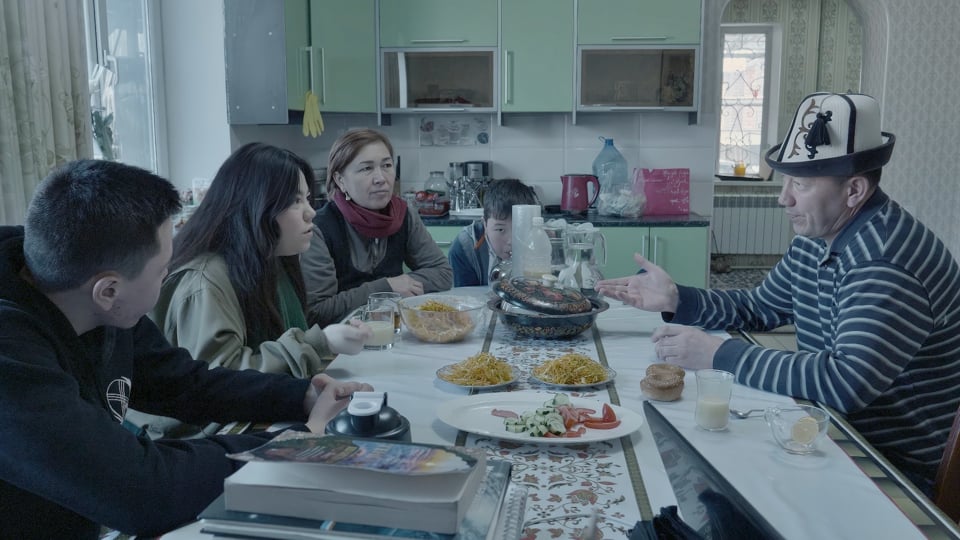
Movie plot: A secret that destabilizes a perfect surfaceAurora, the daughter of a respected religious leader, enters a clandestine affair that reshapes her inner life while leaving her public role intact. As a lavish wedding anniversary celebration approaches, an unexpected presence threatens to expose not just her secret, but the quiet compromises holding the family together.
Movie themes: Faith, desire, and emotional complianceThe film explores how devotion can slide into self-erasure. Love, belief, and loyalty become competing forces rather than shared values.
Movie trend: Domestic tension dramasAurora aligns with intimate European dramas that locate conflict inside families rather than institutions. Pressure builds through proximity, ritual, and expectation.
Social trend: Performance over truthThe story reflects a broader cultural pattern where emotional labor is rewarded more than honesty. Keeping peace becomes a form of unpaid work.
Movie directors: Andres Maimik & Rain TolkThe directors favor gradual revelation over confrontation. Their approach trusts accumulation, letting small moments quietly destabilize the whole.
Top casting: Controlled restraintMaarja Johanna Mägi plays Aurora with composed tension, holding back more than she reveals. The performance centers containment rather than release.
Awards and recognition: Modest critical attentionThe film’s reception remains low-key, circulating primarily within regional and festival contexts. Its impact relies on intimacy, not scale.
Release and availability: Quiet theatrical presence, platform-led afterlife
Released theatrically in Estonia on January 10, 2025, Aurora followed a restrained arthouse rollout focused on local cinemas and festival circulation. As of now, no wide international streaming date has been formally announced, positioning the film for a slower platform-based discovery rather than immediate global access.
Why to watch movie: When politeness turns corrosiveAurora resonates for viewers drawn to stories where conflict is emotional, not explosive.
Key Success Factors: Pressure without melodramaThe film resists moral judgment and narrative excess. Its power comes from watching restraint crack, not from forcing collapse.
Insights: When harmony becomes a burden
Industry Insight: Aurora reflects continued strength in European dramas built around emotional tension rather than plot mechanics. Intimacy sustains relevance.Consumer Insight: Audiences connect to characters navigating obligation over desire. Recognition deepens engagement.Brand Insight: The film shows how quiet conflict can define a strong identity. Subtlety becomes distinction.
Aurora stays because it understands how easily love can become labor. By watching one woman try to keep everyone whole, the film exposes the quiet cost of being good for too long.
Why It Is Trending: Emotional obedience is losing its moral authority
Aurora is finding relevance because it captures a quiet but growing resistance to lives built around accommodation. The film speaks to a moment when pleasing everyone no longer reads as virtue, but as risk.
Concept → consequence: Devotion without agency collapses inwardAurora’s attempt to honor faith, family, and desire simultaneously exposes how incompatible those demands can become. What looks like balance slowly reveals itself as emotional overload.
Culture → visibility: Politeness as pressureThe story mirrors a cultural fatigue with emotional compliance, especially within family and belief systems. Silence stops being neutral and starts feeling complicit.
Distribution → discovery: Slow-burn dramas finding patient audiencesThe film’s gradual rollout favors viewers willing to sit with discomfort rather than demand immediacy. Discovery happens through resonance, not volume.
Timing → perception: After respectability, before ruptureArriving amid wider conversations about boundaries, belief, and selfhood, the film feels precisely timed. The question it raises isn’t whether Aurora will break rules, but how long she can survive without doing so.
Insights: When being good stops being safe
Industry Insight: The film aligns with a renewed appetite for character-driven dramas that interrogate moral structures from the inside. Internal conflict carries contemporary weight.Consumer Insight: Audiences recognize the cost of emotional labor framed as duty. Identification grows from shared restraint.Brand Insight: Aurora demonstrates how understated storytelling can articulate complex cultural tensions. Quiet critique travels far.
Aurora trends because it understands that many conflicts now happen beneath the surface. By focusing on the erosion caused by constant accommodation, the film gives form to a pressure that rarely announces itself.
What Movie Trend Is Followed: Family dramas shift from rebellion to erosion
Aurora sits inside a contemporary wave of dramas that stop centering on loud defiance and instead trace what happens when pressure accumulates quietly. The conflict isn’t sparked by a single transgression, but by years of emotional containment finally losing structural integrity.
Format lifecycle: From explosive scandal to slow unravelingRather than building toward confrontation, this trend allows tension to pool gradually. The drama lives in what is postponed, swallowed, or politely ignored.
Aesthetic logic: Ritual over ruptureFamily gatherings, celebrations, and religious customs become sites of strain rather than comfort. Familiar structures amplify pressure instead of resolving it.
Psychological effect: Anxiety without catharsisViewers are held inside anticipation rather than release. Discomfort comes from watching restraint hold—until it can’t.
Genre inheritance: From moral drama to emotional realismDrawing from European domestic cinema, the genre moves away from judgment and toward observation. Characters are not punished or redeemed; they are revealed.
Insights: When silence does the damage
Industry Insight: This trend reflects a preference for dramas that examine systems of belief and family from within rather than opposing them outright. Subtlety signals seriousness.Consumer Insight: Audiences connect with stories that mirror the exhaustion of constant emotional management. Recognition replaces shock.Brand Insight: Films that commit to restraint and interior tension build long-term cultural credibility. Erosion becomes a narrative signature.
This trend endures because it mirrors how many experience conflict today—not as rupture, but as slow emotional wear. By focusing on erosion rather than rebellion, Aurora aligns with a cinema that understands collapse often happens quietly, long before it becomes visible.
Trends 2026: Emotional labor stops being framed as virtue
Aurora points toward a cultural shift where constant accommodation loses its moral shine. Doing the work of harmony no longer reads as goodness—it starts to look like self-erasure.
Care turns political when it becomes one-sided.
Implications — Saying yes becomes the hidden costFilms gain relevance by exposing how emotional responsibility is unevenly distributed. What was once framed as maturity now reads as quiet damage.
Where it is visible (industry) — Intimate belief-system dramasEuropean cinema increasingly returns to family, religion, and tradition as pressure systems rather than anchors. Conflict emerges from maintenance, not rebellion.
Related movie trends — Obedience under stress
Ritual-pressure narratives: Celebrations and ceremonies become emotional traps.
Containment performances: Characters survive by staying composed.
Moral fatigue arcs: Belief systems strain under lived contradiction.
Related consumer trends — Reclaiming interior space
Boundary awakening: Constant accommodation loses legitimacy.
Emotional accounting: Care is expected to be mutual.
Soft refusal: Withdrawal replaces confrontation.
Being “good” stops being the goal
Trend Name | Description | Implications |
Core Movie Trend | Erosion dramas | Collapse through care. |
Core Consumer Trend | Boundary rebalancing | Selfhood over harmony. |
Core Social Trend | Fatigue with obligation | Compliance questioned. |
Core Strategy | Quiet exposure | Intimacy reveals cost. |
Core Motivation | Preserve self | Care without erasure. |
This trend lasts because emotional labor has reached saturation. As accommodation loses its moral authority, cinema turns inward. Aurora captures the moment when keeping everyone happy stops being survivable.
Final Verdict: A film that exposes the cost of being agreeable
Aurora ends without spectacle or rebellion, choosing instead to let the damage of emotional compliance fully register. Its power comes from showing how easily care turns corrosive when it’s never returned.
Meaning: Love collapses when it’s always negotiatedThe film reframes devotion as something that can hollow a person out when it’s built on constant adjustment. Affection survives, but the self starts to thin.
Relevance: Politeness after its expiration dateIn a moment where boundaries are being renegotiated across family, belief, and identity, Aurora feels sharply current. It understands how often goodness is rewarded with more demand.
Endurance: Quiet tension that lingersThe film stays present because it never resolves its discomfort. Its restraint allows the emotional weight to settle rather than dissipate.
Legacy: Soft pressure as narrative engineRather than redefining family drama through rupture, Aurora does so through accumulation. It leaves behind a model where erosion, not explosion, carries the truth.
Insights: When being easy becomes impossible
Industry Insight: Aurora reinforces the relevance of intimate, belief-centered dramas that interrogate emotional labor from the inside. Subtlety remains culturally potent.Consumer Insight: Audiences recognize the exhaustion of constant accommodation. Identification grows from shared restraint rather than dramatic release.Brand Insight: The film shows how quiet critique can define a strong, lasting voice. Softness becomes authority.
Aurora endures because it names a feeling many live with but rarely articulate. By tracing what happens when harmony is maintained at all costs, it captures the moment when being “good” finally stops feeling safe.
Comments