
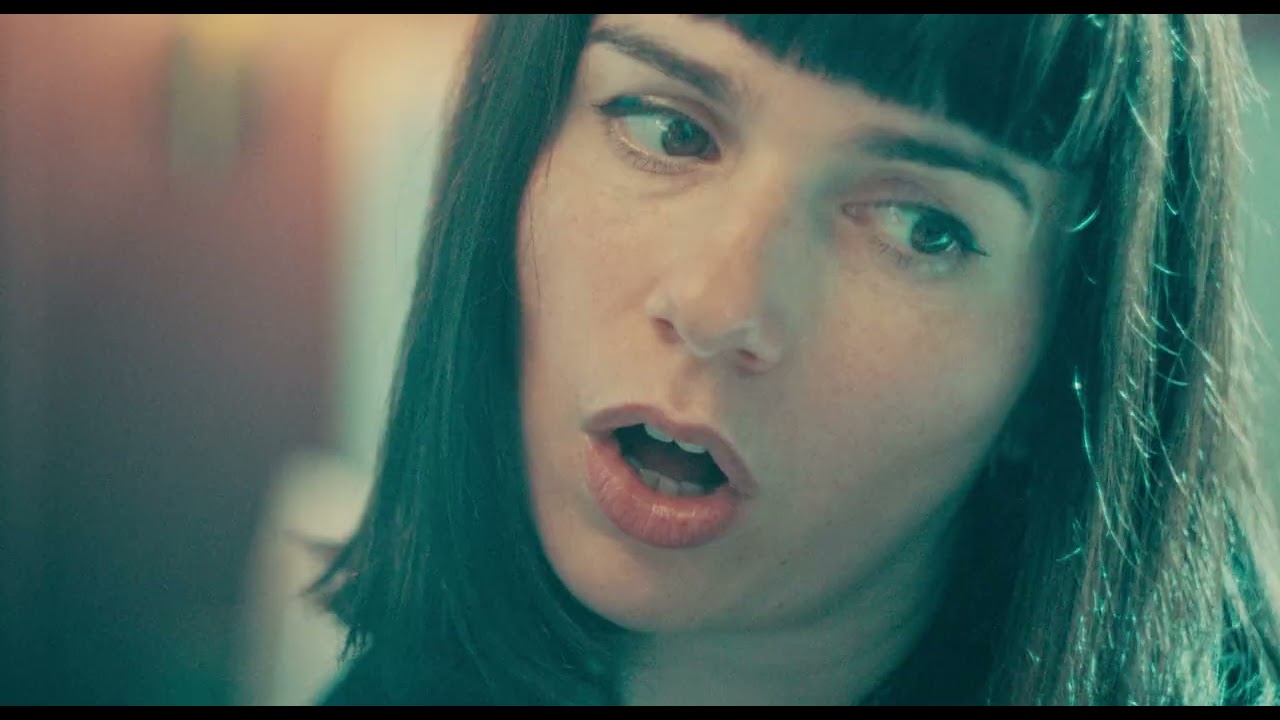



Mean Girls (2024) by Samantha Jayne & Arturo Perez Jr.: A musical adaptation caught between Broadway faithful and 2004 nostalgia remake
- dailyentertainment95

- 8 hours ago
- 11 min read
Summary of the Movie: The Plastics get Auto-Tuned but lose their edge
The film operates in the space where Broadway adaptation meets unnecessary remake, treating the 2004 classic as template rather than inspiration. It's a 112-minute identity crisis that can't decide whether to honor the stage musical or recreate iconic movie moments, ending up doing neither particularly well. Samantha Jayne and Arturo Perez Jr. direct Tina Fey's adaptation of her own Broadway musical based on her own movie based on Rosalind Wiseman's book—each iteration removing sharpness until the satire feels like a Plastics-approved version of itself.
Where to watch: https://www.justwatch.com/us/movie/mean-girls-2024-0 (US), https://www.justwatch.com/au/movie/mean-girls (Australia), https://www.justwatch.com/ca/movie/mean-girls-2024 (Canada), https://www.justwatch.com/uk/movie/mean-girls-2024 (UK), https://www.justwatch.com/fr/film/mean-girls (France), https://www.justwatch.com/it/film/mean-girls-2024 (Italy), https://www.justwatch.com/es/pelicula/mean-girls (Spain), https://www.justwatch.com/de/Film/mean-girls-der-girls-club (Germany)
Link IMDB: https://www.imdb.com/title/tt11762114/
Link Review: https://www.redbrick.me/review-mean-girls-2024/
Genre: The film blends teen comedy with pop musical, using TikTok-ready song snippets and social media aesthetics to update 2004's biting satire—tension builds through... actually, tension doesn't really build, the film just cycles through familiar plot beats with musical numbers inserted where the original had dialogue
Movie plot: Cady Heron, homeschooled in Kenya, enters American high school and infiltrates the Plastics (Regina George, Gretchen Wieners, Karen Shetty) with help from outsiders Janis and Damian—her revenge plot against Regina for stealing Aaron Samuels spirals into becoming what she hated, now with singing
Movie themes: Female competition as social survival, authenticity versus popularity performance, how mean girls are made not born, the exhausting labor of maintaining hierarchies, now delivered through musical theater conventions that soften every edge
Movie trend: Part of the IP recycling industrial complex where successful properties get endlessly remade—fits alongside Disney live-action remakes and Broadway-to-screen adaptations that assume audiences want familiar content repackaged rather than new stories
Social trend: Reflects Hollywood's risk-averse reliance on proven IP, TikTok generation's preference for bite-sized content over sustained satire, the flattening of cultural critique into acceptable musical numbers
Movie director: Samantha Jayne and Arturo Perez Jr. make their feature debuts after commercial and music video work—hired to execute Paramount's IP strategy rather than bring distinctive vision, resulting in competent but personality-free direction
Top casting: Angourie Rice brings earnestness where Lindsay Lohan had edge as Cady; Reneé Rapp (from Broadway production) dominates as Regina; Auli'i Cravalho and Jaquel Spivey bring energy as Janis and Damian; Christopher Briney as bland Aaron; Tina Fey and Tim Meadows reprise teacher roles; Lindsay Lohan cameos as mathlete moderator
Awards and recognition: 1 win and 5 nominations, 58 Metascore (mixed reviews), 5.5 IMDb rating from 40K+ users—critical consensus: unnecessary and inferior to both original and Broadway version
Release and availability: January 12, 2024 theatrical release, later streaming on Paramount+, Netflix availability announced December 2024, $105M worldwide gross on $36M budget (modest success)
Why to watch movie: For completists needing all Mean Girls content, Reneé Rapp's vocals, "Revenge Party" and "World Burn" musical numbers that almost justify the rest
Key Success Factors: Mean Girls 2024 succeeds financially through brand recognition alone—the IP does the heavy lifting while the actual filmmaking adds little value beyond existing in theaters when nostalgic millennials wanted group outings
Insights: Remakes without reason—studios learn audiences will pay for comfort content even when it's worse than what they already own
Industry Insight: Broadway adaptations provide IP legitimacy for otherwise unnecessary remakes—adding musical numbers justifies rehashing 20-year-old movies rather than developing original teen comedies. Consumer Insight: Audiences show up for familiar IP regardless of quality—nostalgia drives opening weekend while actual film quality determines post-theatrical life and cultural staying power. Brand Insight: Franchise recognition outweighs execution quality for initial commercial performance—bad remakes still profit when brands are strong enough, teaching studios that risk-taking isn't economically necessary.
The film operates as IP management rather than artistic statement, treating Mean Girls as content library asset requiring periodic refresh to maintain brand visibility. Critics universally note that it's inferior to both the 2004 film and the Broadway musical it adapts, existing in the worst possible middle ground—too beholden to the original to tell fresh stories, too committed to musical format to just be a straight remake, too scared of the source material to make bold choices. The songs are truncated to fit TikTok attention spans, the satire is defanged to avoid offense, and the result feels like a Disney Channel version of something that worked precisely because it wasn't Disney Channel-safe. Reneé Rapp is genuinely great, carrying the film on her vocals and charisma, but even she can't overcome a project with no compelling reason to exist beyond Paramount's quarterly earnings report.
Why It Is Trending: Nostalgia gets monetized again—audiences pay for worse versions of things they already love
The film arrives during peak IP recycling where every successful property gets remade regardless of necessity. Mean Girls 2024 capitalizes on millennial nostalgia for the 2004 original while targeting Gen Z through TikTok marketing and casting, banking on brand recognition to overcome lack of creative justification.
Concept → consequence: Broadway musical adaptation provides thin justification for remaking beloved film, but cutting most songs and keeping original's plot beats satisfies neither theater fans nor movie purists
Culture → visibility: Released during January doldrums when competition is low, marketed heavily through social media with cast doing TikTok challenges and interviews, banking on "fetch" meme recognition transcending actual film quality
Distribution → discovery: Wide theatrical release on MLK weekend traditionally targets families and young audiences, later Paramount+ and Netflix streaming extends reach to casual viewers who wouldn't pay theatrical prices
Timing → perception: Drops 20 years after original when that film's target audience has disposable income and children, creating intergenerational viewing opportunity that justifies remake more financially than artistically
Performance → relatability: Cast chemistry doesn't match original's lightning-in-bottle dynamics—Rapp's Regina is great but Rice's Cady lacks Lohan's star presence, making the film feel like expensive cosplay of something audiences can just rewatch
Insights: IP exploitation finds its limit—even nostalgic audiences notice when remakes add nothing but musical numbers to justified classics
Industry Insight: Studios learn that Broadway pedigree legitimizes unnecessary remakes—slapping "based on the Tony-nominated musical" on projects justifies remaking films that don't need remade. Consumer Insight: Audiences show up opening weekend from brand recognition then immediately forget the remake exists—streaming platforms become these films' actual home where they live as background content. Brand Insight: Franchise awareness drives initial box office regardless of quality—Mean Girls brand recognition generates $100M+ worldwide even when everyone agrees the remake is inferior to free alternatives.
The film trends initially through marketing saturation and nostalgia exploitation rather than actual merit. Paramount correctly calculated that enough people would see "Mean Girls" and pay money before realizing it's not particularly good. The discourse around it focuses on comparisons to the original and Broadway version rather than discussing it on its own terms—a film so derivative that even its conversation exists only in relation to superior predecessors. It trends in the same way reheated leftovers get consumed—out of convenience and familiarity rather than genuine desire, generating profit while proving that audiences will tolerate mediocrity if it's wearing familiar branding.
What Movie Trend Is Followed: Unnecessary Broadway-to-screen adaptations of already-filmed properties
The film operates within Hollywood's IP recycling machinery where successful movies become Broadway musicals that then get filmed again, creating infinite content loop that requires no new ideas. This trend emerged through Hairspray's success and calcified with Disney live-action remakes—stories where brand recognition replaces creative justification.
Format lifecycle: Teen comedies evolved from original screenplays (Clueless, 10 Things I Hate About You) through successful franchises (Mean Girls, Easy A) into IP that gets endlessly remade/rebooted/musicalized regardless of whether anyone wants new versions
Aesthetic logic: Social media integration and TikTok-ready song snippets replace the original's quotable dialogue and observational comedy—the film looks like Instagram stories rather than movie, prioritizing shareable moments over sustained narrative
Psychological effect: Audiences experience cognitive dissonance between affection for original and recognition that remake is inferior, forcing choice between nostalgic enjoyment and critical honesty
Genre inheritance: Borrows from teen comedy canon (the 2004 original), Broadway musical adaptation conventions (Hairspray, Chicago), and Disney Channel movie aesthetics to create something that pleases no constituency completely
Insights: Remake culture eats itself—films become musicals become films again in infinite loop requiring no original thinking
Industry Insight: Broadway adaptation provides cover for unnecessary remakes—studios can claim they're adapting the musical rather than admitting they're just reheating the original movie for profit. Consumer Insight: Audiences increasingly recognize when remakes exist for IP management rather than artistic reasons—critical pushback grows even as opening weekends remain strong through brand recognition. Brand Insight: Franchise value can survive multiple inferior iterations—Mean Girls brand strong enough that even mediocre remake generates profit, teaching studios that quality control is optional for established IP.
Mean Girls 2024 demonstrates the final form of IP recycling where content exists purely for brand maintenance rather than artistic statement. The film assumes audiences want familiar stories repackaged with contemporary aesthetics rather than new teen comedies exploring current generation's actual dynamics. This trend succeeds commercially while failing creatively because studios correctly calculate that nostalgia drives opening weekends regardless of quality, and streaming platforms need content libraries more than they need good content. The result is cinema as product management rather than art—Mean Girls gets periodically refreshed like an iPhone operating system, generating profit while acknowledging that each iteration might be worse than the last but that won't stop the next one from happening.
Trends 2026: IP exploitation fatigue sets in but profits prevent course correction
Audiences increasingly vocalize frustration with unnecessary remakes and reboots even as they continue paying for them. The shift reflects growing awareness that Hollywood prioritizes brand management over storytelling, but economic incentives ensure the cycle continues regardless of critical or popular sentiment.
Implications: Recognition without rejection—audiences complain about remakes while funding more
Mean Girls 2024 signals movement toward audience cynicism about remake culture without behavioral change—people watch and criticize simultaneously
Viewers accept that Hollywood won't develop original teen comedies when remaking existing ones is less risky financially
This reshapes moviegoing from artistic experience to nostalgia management, where audiences pay for worse versions of things they love purely for communal viewing opportunities
The trend suggests cinema functioning as IP library that gets periodically cycled through theaters regardless of whether new versions improve on originals
Where it is visible (industry): Every successful film gets musical treatment as remake justification
Studios prioritize Broadway adaptation rights for successful films to create legal and marketing justification for remakes that would otherwise seem unnecessary
Teen comedy IP particularly vulnerable to musical adaptation cycle because songs provide content differentiation from original films
Streaming platforms amplify this by needing constant content regardless of quality—remakes fill libraries without requiring original development costs
Opening weekend performance metrics matter more than sustained cultural impact, making quality secondary to brand recognition for green-lighting decisions
Related movie trends:
Broadway-to-screen IP recycling - Films becoming musicals becoming films again, creating infinite remake loop justified through format changes rather than creative necessity
TikTok-optimized musical numbers - Song sequences designed for social media sharing rather than narrative integration, prioritizing viral moments over storytelling coherence
Nostalgic IP with Gen Z aesthetics - Millenni favorite properties repackaged with contemporary social media integration to capture dual generational audience
Remake as brand maintenance - Studios treating theatrical releases as marketing campaigns for streaming libraries rather than standalone artistic statements
Related consumer trends:
Nostalgic hate-watching - Audiences paying for remakes while knowing they're inferior, watching to criticize rather than enjoy
IP fatigue without boycott - Growing verbal frustration with remake culture that doesn't translate into actual viewing boycotts or ticket purchase changes
Comparison viewing as content - Consumers treating remakes as opportunities to validate original's superiority rather than engage with new version on its merits
Background streaming default - Remakes and reboots functioning as comfort content for streaming platforms where quality matters less than familiarity
The Trends: Broadway adaptation justifies unnecessary remakes because audiences haven't learned to vote with wallets yet
Viewers increasingly recognize when remakes exist purely for IP management rather than creative reasons, but continue paying for them anyway. The trend resonates because studios correctly calculate that nostalgic recognition drives opening weekend profits regardless of quality, and streaming platforms need branded content more than good content. Mean Girls 2024's modest success despite universal critical consensus that it's inferior to both the 2004 film and Broadway musical teaches studios that franchise value survives quality decline—audiences will pay for familiar branding even when openly admitting new versions don't justify their existence.
Trend Type | Trend Name | Description | Implications |
Core Movie Trend | Unnecessary IP recycling | Films that become Broadway musicals that become films again, creating infinite remake loop requiring no original ideas | Cinema shifts from art form to product management where franchises get periodically refreshed regardless of creative justification |
Core Consumer Trend | Nostalgic complicity | Audiences criticizing remakes as unnecessary while still paying for them, verbalizing IP fatigue without changing viewing behavior | Consumption patterns reward studios for risk-averse IP management despite growing critical awareness that remakes usually disappoint |
Core Social Trend | Brand recognition over quality | Cultural acceptance that familiar IP will get endlessly remade regardless of necessity, with audiences resigned to consuming worse versions of beloved properties | Society treats remake culture as inevitable rather than changeable, normalizing that each iteration will likely be inferior to predecessors |
Core Strategy | Broadway legitimization | Studios using musical adaptation as legal and marketing cover for remaking films that don't need remade, providing format differentiation that masks lack of creative justification | Brands recognize that adding "based on the Tony-nominated musical" to marketing materials justifies remakes that would otherwise seem purely exploitative |
Core Motivation | Nostalgia monetization | Audiences paying for theatrical communal experiences of familiar content even when knowing remakes are inferior to originals they already own | Media provides social viewing opportunities that justify ticket prices regardless of quality—paying for experience rather than actual film |
Insights: Audiences fund their own disappointment—remake culture persists because complaints don't translate into boycotts
Industry Insight: Studios learn that franchise recognition drives opening weekends regardless of quality—Mean Girls brand generates $100M+ worldwide even when everyone agrees remake is inferior, removing financial incentive for risk-taking. Consumer Insight: Viewers increasingly separate critical assessment from viewing behavior—audiences openly state remakes are worse than originals while still paying for theatrical and streaming access. Brand Insight: IP value survives quality decline—established franchises can generate profits through inferior iterations because brand recognition matters more than execution for initial commercial performance.
The 2026 landscape reveals audiences trapped in cycle of funding remakes they don't want. Mean Girls 2024 succeeds commercially while failing critically, teaching studios that IP management is more profitable than original development. The film proves that nostalgic millennials will pay for worse versions of beloved properties if marketed correctly, while Gen Z audiences unfamiliar with originals provide secondary revenue stream. This creates perverse incentive structure where studios prioritize remaking successful films over developing new ones, correctly calculating that brand recognition reduces marketing costs and guarantees opening weekend regardless of quality. Audiences verbalize frustration but behavior doesn't change, ensuring remake culture continues indefinitely.
Final Verdict: A case study in unnecessary—profitable mediocrity that teaches studios all the wrong lessons
Mean Girls 2024 functions as IP management exercise rather than creative work, treating the original film as content asset requiring periodic refresh to maintain brand visibility. The film's cultural role is teaching studios that quality is optional when franchises are strong enough, audiences will pay for nostalgia regardless of execution.
Meaning: The film argues nothing because it has nothing to say—it exists purely to exploit Mean Girls brand recognition, offering no new perspective on teen social dynamics or female competition beyond repackaging the 2004 film with musical numbers
Relevance: Arrives as Hollywood's IP recycling reaches terminal velocity, demonstrating that even critically beloved films that don't need remade will get remade anyway because nostalgia is more profitable than originality
Endurance: The film's staying power is zero—it already exists primarily as comparison point proving the original's superiority, future audiences will skip this for either 2004 film or Broadway recording
Legacy: Establishes that franchise value survives multiple inferior iterations—Mean Girls brand strong enough that even mediocre remake generates profit, ensuring future remakes will happen regardless of critical consensus
Insights: The film sells nostalgia for something audiences already own—Paramount monetizes millennial affection for 2004 classic by offering worse version
Industry Insight: Broadway adaptation provides legal and marketing cover for unnecessary remakes—studios can claim they're adapting the musical rather than admitting they're reheating the original for quarterly earnings. Consumer Insight: Audiences exhibit nostalgic complicity—viewers pay for remakes while openly stating they're inferior, separating critical judgment from viewing behavior in ways that reward studio risk-aversion. Brand Insight: Franchise recognition removes quality as success prerequisite—Mean Girls brand generates theatrical and streaming profits regardless of execution because familiarity reduces marketing costs and guarantees opening weekend.
Mean Girls 2024's cultural role is teaching everyone involved the wrong lessons. Studios learn that IP exploitation is more profitable than original development. Audiences learn that complaining about remakes while still paying for them ensures more remakes get made. Critics learn that negative reviews don't impact opening weekends when brand recognition is strong enough. The result is cinema trapped in infinite IP recycling loop where successful films get periodically remade with diminishing returns but sustained profits—each iteration worse than the last but profitable enough to justify the next one. This film will be forgotten except as cautionary tale about remake culture, remembered primarily for proving that audiences will pay for comfort content even when openly acknowledging it's worse than free alternatives they already own.
Comments