
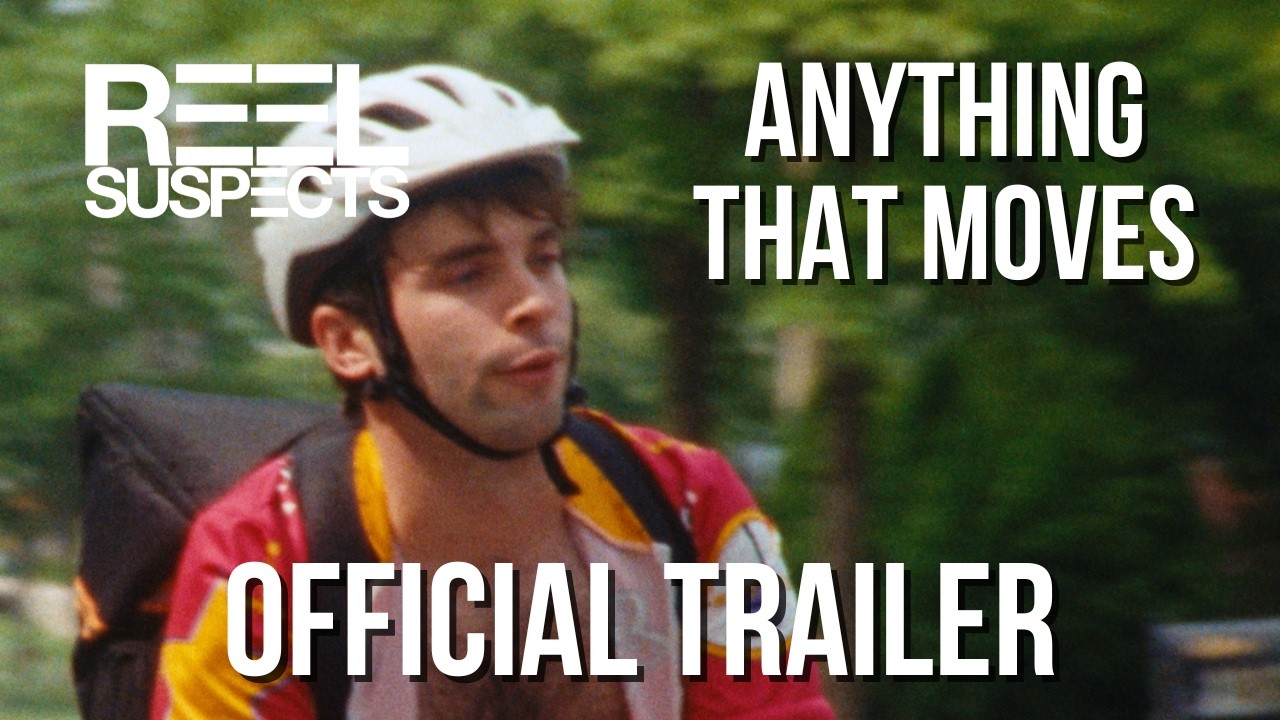



Lenore (2026) by David Ward

US / AU | 2026 | 1h 28m | Horror / Thriller
When Following Someone Online Becomes a Way of Losing Yourself
Lenore begins inside one of contemporary culture’s most recognizable relationships: the bond between an online personality and the strangers who follow them. When controversial influencer Lenore suddenly disappears, Max Wren, an unemployed filmmaker consumed by her online presence, begins assembling footage into a distorted tribute while searching for answers.
But the investigation gradually turns back toward the investigator. Max’s obsession with Lenore, his antisocial isolation and the secrets surrounding his own behavior become increasingly difficult to separate from the mystery he believes he is solving. What begins as devotion to someone famous online becomes a horror story about what influence can produce in the people watching from the other side of the screen.
➡️ Movie Insight: Lenore makes influencer culture frightening by shifting attention from the creator to the follower. Digital influence does not end when the screen switches off; it can shape attachment, identity and behavior. The real horror emerges when admiration becomes powerful enough to reorganize someone's reality.
Why This Movie Matters Right Now: Influence Has Become More Than a Marketing Business
Influencer culture is no longer simply about products, followers and social-media visibility. Creators can become emotional reference points around which communities, identities and intensely one-sided relationships develop. Lenore takes that familiar cultural mechanism and pushes it into horror.
Max is described as terminally online, making his relationship with Lenore particularly significant. He does not merely consume her content. He collects it, studies it and reconstructs her identity through the fragments she has left online, gradually making her digital presence part of his own psychological world.
The movie consequently moves beyond the familiar idea of the dangerous influencer. Its more disturbing proposition is that influence can continue operating even when the influencer disappears.
➡️ Why It Matters: Influence Culture increasingly extends beyond persuasion into identity and belonging. Online personalities can occupy significant emotional territory in the lives of people they have never met. Lenore turns that asymmetrical relationship into horror by asking what happens when following becomes fixation.
Should You Watch It?: Digital-Age Horror for Viewers Interested in Obsession, Identity and Online Culture
Lenore is particularly relevant to viewers attracted to psychological horror that uses contemporary behavior rather than traditional mythology as its starting point. Its horror grows from internet addiction, parasocial attachment, online isolation and the increasingly unstable boundary between mediated identity and physical reality.
The mystery surrounding Lenore’s disappearance provides the narrative engine, but Max increasingly becomes the subject under investigation. His search forces him toward uncomfortable truths about his own actions, turning a missing-influencer mystery into something more introspective and morally disturbing.
➡️ Viewing Recommendation: Lenore is strongest for viewers interested in psychological horror, internet culture and unreliable protagonists. Its distinctive appeal comes from transforming familiar online behaviors into evidence of deeper isolation and obsession. The mystery matters, but the person conducting the investigation becomes equally important.
Why Everyone Is Talking About It: Influencer Horror Is Turning the Attention Economy Into a Nightmare
Lenore arrives as influencer culture is becoming increasingly visible territory for horror. Social-media fame naturally contains many ingredients the genre can exploit: surveillance, performance, strangers observing intimate lives, obsessive fandom, manufactured identities and the constant competition for attention.
The film has also generated festival recognition. David Ward won the 2026 Fantasporto Audience Award, while the film won Best Horror Feature at the Arizona Underground Film Festival. At the Romford Horror Festival, it received nominations for Best Feature Film, Best Actress for Ruby Duncan and Best Actor for Nicholas Jaquinot.
Those achievements give the movie evidence of audience and genre-community engagement beyond its premise. Rather than simply using influencer culture as fashionable scenery, Lenore positions digital obsession as the psychological architecture of its horror.
➡️ Viral Potential: A movie about obsessive online fandom carries an inherently shareable contradiction because the same digital ecosystem being criticized can also circulate the film. Festival recognition gives that conversation additional visibility. Lenore can therefore participate in the attention economy while simultaneously turning that economy into its source of fear.
Why Lenore Stands Out: The Follower Becomes More Disturbing Than the Influencer
Many stories about influencers concentrate on the artificiality, narcissism or danger surrounding the person creating the content. Lenore shifts the perspective toward the audience. Its central character is someone whose consumption of another person's identity has become central to his own existence.
That creates a more uncomfortable form of influencer horror. The creator does not need to manipulate the follower directly for influence to become dangerous. Repetition, emotional investment and constant digital access can allow audiences to construct imagined relationships whose significance greatly exceeds the actual connection.
➡️ Cinema Insight: Lenore moves influencer horror from the performance of fame toward the psychology of following. The screen becomes the meeting point between a public identity and a private obsession. Horror emerges when those two realities can no longer remain separate.
Movie Trend: Influencer Horror — When Online Fame Becomes the Setting for Obsession, Manipulation and Darker Consequences
ONLINE PERSONALITY → AUDIENCE ATTENTION → EMOTIONAL ATTACHMENT → OBSESSION → DIGITAL IDENTITY ENTERS REAL LIFE → CONSEQUENCES
Influencer Horror transforms one of the defining entertainment structures of contemporary culture into a source of fear. The influencer already exists inside a strange social arrangement: visible to thousands or millions of people, apparently intimate with followers, yet personally unknown to almost all of them.
Lenore exploits that imbalance through Max. His fascination with the missing influencer is not simply curiosity about a celebrity. He searches through her digital traces and builds a personal interpretation of someone whose mediated identity has become extraordinarily important to him.
The movie therefore makes the infrastructure of influence part of the horror mechanism. Content becomes evidence, following becomes obsession and the relationship between creator and audience becomes psychologically unstable.
➡️ Movie Trend: Influencer Horror turns digital visibility into vulnerability. The same systems that create intimacy between creators and followers can also produce obsession, projection and distorted relationships. Lenore makes the person watching the screen as important as the person appearing on it.
Broad Trend: Influence Culture — Why Creators Are Shaping More Than What People Watch and Buy
VISIBILITY → FOLLOWING → TRUST → IDENTIFICATION → COMMUNITY → BEHAVIOR → CULTURAL INFLUENCE
Influence Culture describes the expansion of creators from content producers into broader cultural reference points. Their impact can extend across fashion, entertainment, lifestyle, relationships, opinions, language and personal identity, while audiences increasingly organize themselves into communities around individual personalities.
The relationship is particularly powerful because digital platforms create a perception of proximity. Repeated access to someone's face, voice, experiences and opinions can make a distant public figure feel familiar despite the absence of a reciprocal relationship.
Lenore pushes that mechanism toward its darkest possible conclusion. Max's attachment illustrates what happens when mediated familiarity becomes more psychologically significant than the actual distance separating creator and follower.
➡️ Broad Trend: Influence Culture increasingly operates through emotional connection rather than simple reach. Creators can become symbols around which audiences construct identity, belonging and community. Lenore explores the darker possibility that influence can become strongest when followers stop recognizing the boundary between knowing content and knowing the person behind it.
Why Influencer Horror Is Growing: The Attention Economy Already Contains the Architecture of Horror
Influencer culture naturally creates conditions that horror can intensify. Lives are documented. Audiences watch strangers repeatedly. Private experiences become public material. Success depends on visibility, while visibility simultaneously increases exposure to judgment, imitation and unwanted attention.
That creates a contemporary horror progression:
FOLLOW → WATCH → IDENTIFY → INVEST → OBSESS → CROSS THE BOUNDARY
The fear is therefore not entirely invented by the genre. Horror takes existing digital behaviors and pushes them beyond their normal limits. Lenore does this through the follower, making excessive attention itself the pathway toward psychological instability.
➡️ Audience Motivation: Influencer Horror feels immediate because its technology and behavior already belong to everyday life. The genre does not need to invent an unfamiliar system before making it frightening. It only needs to intensify the relationship between watching and being watched.
Viewer Profile: Digital Culture Horror Seekers - Viewers Drawn to the Dark Side of Online Fame, Identity and Obsession
Audience Dimension | Profile |
Core Audience | Adult horror and psychological-thriller viewers |
Lifestyle | Digitally immersed audiences familiar with creators, fandoms and online communities |
Cinema Taste | Psychological horror, internet horror, mystery and unreliable-protagonist stories |
Story Motivation | Exploring how familiar digital behavior can develop darker consequences |
Discovery Mindset | Attracted to contemporary concepts grounded in recognizable online culture |
Emotional Driver | Unease created when digital intimacy becomes obsession |
These viewers are interested in horror that reflects behaviors already embedded in contemporary life. Influencers, followers, online communities and content consumption provide recognizable reference points before the genre pushes them toward more extreme consequences.
➡️ Audience Insight: Digital Culture Horror Seekers want technology to matter psychologically rather than simply appear as background. Lenore uses influencer culture as a relationship system rather than decoration. Its horror comes from what digital attention can do to identity, attachment and perception.
What This Movie Means for the Industry: Social Media Is Becoming Horror Infrastructure
Influencer culture offers filmmakers something particularly valuable: a contemporary storytelling system audiences already understand. Followers, livestreams, comments, viral content, fandoms and creator identities require little explanation, allowing filmmakers to move quickly from recognition toward disruption.
This creates a powerful genre formula:
FAMILIAR DIGITAL BEHAVIOR + EMOTIONAL INVESTMENT + DISTORTED IDENTITY + REAL-WORLD CONSEQUENCES = INFLUENCER HORROR
The format can also evolve beyond straightforward stories about creators being stalked or attacked. Lenore demonstrates another direction by concentrating on the psychology of the follower and the consequences of obsessive consumption.
➡️ Industry Insight: Influencer culture gives horror a ready-made architecture of visibility, intimacy and surveillance. As creators become more culturally influential, stories can explore increasingly complicated relationships between those producing identities and those consuming them. The next phase of internet horror may focus less on technology itself and more on the behaviors technology enables.
Creative Analysis: Turning the Attention Economy Into Psychological Horror
Storytelling: The Investigation Gradually Turns Toward the Investigator
Lenore begins with disappearance and investigation but makes Max increasingly central to the mystery. His attempt to reconstruct Lenore through accumulated footage becomes inseparable from questions about his own behavior, allowing the story to transform external investigation into personal confrontation.
Direction: Digital Isolation Becomes a Psychological Environment
David Ward places Max inside a world shaped by screens, footage and obsessive media consumption. His suburban basement and editing environment turn digital isolation into a physical space, making the character's online existence feel increasingly enclosed rather than limitless.
Performances: Obsession Requires Emotional Contradiction
Nicholas Jaquinot's Max occupies the difficult center of the film as admirer, investigator and increasingly troubling subject. Ruby Duncan's Lenore must simultaneously function as a public personality, an object of Max's projection and a person whose actual identity cannot be reduced to the version he has constructed.
Visual Style: Screens Become Windows Into Distorted Reality
The filmmaking premise naturally allows edited footage, online material and digital imagery to interact with physical reality. Max's editing process is particularly significant because he is not merely watching Lenore; he is reorganizing fragments of her image into a narrative that reflects his own obsession.
Themes: Influence, Entitlement and the Illusion of Digital Intimacy
At its center, Lenore examines what happens when visibility is mistaken for accessibility. An influencer may share enormous amounts of personal material while remaining a stranger to the people consuming it. The emotional contradiction between perceived familiarity and actual distance gives the story its most contemporary tension.
What Makes It Different: The Audience Becomes Part of the Horror
The film's most distinctive move is turning attention toward the follower. Max represents the uncomfortable possibility that audiences are not passive participants in influencer culture. Watching, collecting, commenting, defending and obsessing can themselves become forms of behavior with consequences.
➡️ Creative Insight: Lenore makes consumption part of its horror language. The influencer provides the image, but the follower constructs the relationship around it. The result turns digital attention from an invisible metric into something psychologically dangerous.
If You Liked Lenore: When Influencer Culture Becomes Horror
The Influencer Project (2026) by Mike Nybroe: Online Fame Turns Visibility Into Vulnerability
Influencer Chiara King travels to Copenhagen with a documentary crew to expose the reality behind online fame, but an obsessive stalker begins following her movements. The distinction between content, evidence, follower and predator gradually collapses, making the infrastructure of influencer culture central to the threat.
➡️ Why It Connects: Both films explore the dangerous side of perceived intimacy between creators and followers. Lenore approaches obsession primarily through the follower, while The Influencer Project places the creator inside the consequences of extreme visibility.
Influencers (2025) by Kurtis David Harder: Curated Identities Become Weapons in the Attention Economy
Influencers expands the dark side of online personalities through identity, manipulation and public personas whose digital lives collide with dangerous private realities. The polished surface of influencer culture becomes inseparable from obsession and identity performance.
➡️ Why It Connects: Both movies treat influence as more than a profession. Online identities shape relationships and behavior, while the distinction between public persona and private reality becomes increasingly unstable.
Clickbait: Unfollowed (2024) by Katherine Barrell and Melanie Scrofano: The Competition for Attention Becomes Literally Deadly
A group of influencers enters a house for a competition before the pursuit of online attention develops deadly consequences. Creator archetypes, status and visibility become part of the horror mechanism.
➡️ Why It Connects: Both films treat influencer culture as a complete social environment rather than simply using social media as background. Lenore explores obsessive following and identity, while Clickbait: Unfollowed transforms creator competition and attention into direct physical danger.
➡️ Where to Watch: US
➡️ If You Liked Insight: These films show Influencer Horror expanding in different directions. Followers become obsessive, creators weaponize identity and competition for attention becomes dangerous. Together they demonstrate how Influence Culture gives contemporary horror a powerful system of visibility, intimacy and obsession.
Final Verdict: When Following Becomes Part of the Horror
Lenore works from a particularly contemporary contradiction: digital platforms create unprecedented access to public personalities while leaving the relationship fundamentally one-sided. Max's obsession turns that contradiction into a psychological horror mechanism, transforming content consumption into emotional possession.
The film becomes more interesting when viewed not simply as a story about a missing influencer but as a story about the culture built around influence. Lenore may be the object of attention, but Max reveals what happens when the audience begins constructing its own reality from the person being watched.
➡️ Final Verdict: Lenore makes the follower as important as the influencer. Its strongest horror comes from the gap between digital familiarity and genuine personal connection. The film turns Influence Culture into a disturbing examination of what happens when attention becomes identity.
Quick Facts: When Online Influence Crosses Into Obsession
Title | Lenore |
Director | David Ward |
Writers | Josie Hess, David Ward |
Stars | Nicholas Jaquinot, Ruby Duncan, Sam Macdonald |
Year | 2026 |
Runtime | 1h 28m |
Countries | US / AU |
Language | English |
Release Date | September 25, 2026 (US) |
Filming Location | Melbourne, Victoria, AU |
Production Companies | Veronica Brand Productions, Sugarland Productions, MCF Productions |
Movie Trend | Influencer Horror |
Broad Trend | Influence Culture |
Core Conflict | A terminally online follower searches for a missing influencer and is forced to confront his own actions. |
Creative Hook | The obsessive follower becomes part of the horror surrounding the influencer he idolizes. |
Core Themes | Influence, parasocial attachment, online obsession, identity, entitlement, isolation, accountability |
Awards | Fantasporto Audience Award; Arizona Underground Film Festival Best Horror Feature |
Festival Recognition | Romford nominations for Best Feature, Best Actress and Best Actor |
Final Insights: Influence Is Becoming a Relationship, Not Just a Metric
Influence Culture matters because online influence increasingly describes more than the ability to generate views or sell products. Repeated digital exposure can create familiarity, trust, identification and community around personalities whose followers may never encounter them personally. That makes influence an emotional and behavioral force as much as a commercial one.
For horror, this creates an unusually fertile cultural territory. The creator-follower relationship contains intimacy without reciprocity, visibility without genuine access and community without physical proximity. Lenore turns those contradictions into fear by showing what can happen when a mediated relationship becomes psychologically more powerful than the boundary separating the people involved.
➡️ Final Insight: Lenore reflects a shift from social-media horror toward Influence Culture horror. The frightening element is no longer simply the platform or the influencer but the relationship created between visibility and attention. As creators occupy more emotional and cultural space, horror can increasingly explore what happens when influence becomes obsession, identity and perceived ownership.
Comments