




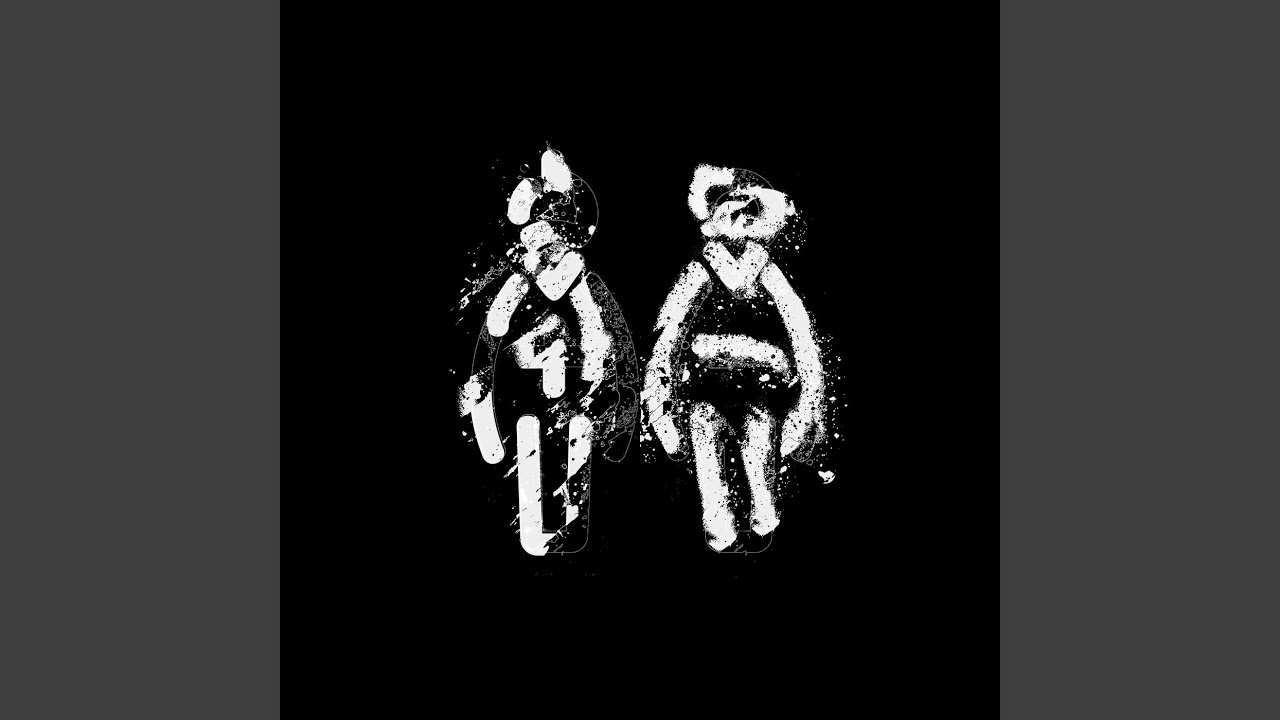
Kein Tier. So Wild. (2025) by Burhan Qurbani

DE / PL / FR | 2025 | 2h 30m | Crime / Drama / Thriller
➡️ Where to Watch: DE
When a Woman Refuses to Remain a Pawn in a Man’s World
Kein Tier. So Wild. takes the architecture of Shakespeare’s Richard III and rebuilds it inside contemporary Berlin’s criminal underworld. At its center is Rashida York, the youngest daughter of an Arab crime family who rises through a violent gang conflict and discovers that helping secure victory does not mean the men around her are prepared to share power.
Rashida refuses the position assigned to her. What follows is not simply a story about a woman breaking into a male-controlled hierarchy but about what happens when exclusion turns ambition into something increasingly ruthless. Shakespeare’s king becomes a contemporary gangster queen, allowing Burhan Qurbani to explore female power without making that power automatically virtuous.
➡️ Movie Insight: Kein Tier. So Wild. places a woman inside a traditional narrative of masculine ambition and allows her to become every bit as dangerous as the men surrounding her. Rashida does not simply demand inclusion; she wants control. Female power consequently becomes complicated, ambitious and morally unstable.
Why This Movie Matters Right Now: Female Power Is Becoming More Complicated On Screen
Female-led stories increasingly move beyond proving that women can occupy positions traditionally controlled by men. A more complicated question follows: what happens when women gain access to those systems and begin exercising power according to their own ambitions?
Rashida is particularly interesting because the film does not construct her primarily as an outsider seeking liberation from power. She wants power herself. The York-Lancaster conflict gives her an opportunity to demonstrate her capability, yet her position as a woman means victory still does not automatically translate into authority.
That contradiction drives her transformation. Rashida confronts a system that recognizes what she can do while refusing to recognize what she believes she deserves.
➡️ Trend Insight: Female Power stories become more interesting when authority is separated from virtue. Women can be ambitious, strategic, manipulative, violent and morally compromised without those characteristics invalidating their centrality. Kein Tier. So Wild. pushes that evolution into the crime world by allowing Rashida to pursue power rather than simply escape oppression.
Should You Watch It?: A Shakespearean Gangster Epic Built Around Ambition
Kein Tier. So Wild. is particularly suited to viewers attracted to crime sagas, contemporary Shakespeare adaptations and ambitious character studies about the corrupting pursuit of authority. Its 150-minute runtime allows Rashida’s ascent to unfold inside a large family network where loyalty, inheritance and gender determine who is expected to lead.
The Richard III foundation also changes how Rashida can be understood. She is neither a straightforward empowerment figure nor simply a criminal protagonist. She occupies the position traditionally reserved for one of Shakespeare’s most ruthless male antiheroes, allowing female ambition to become the engine of tragedy.
➡️ Viewing Recommendation: Kein Tier. So Wild. is strongest for viewers interested in morally complicated women rather than conventional empowerment narratives. Rashida enters a male-controlled criminal hierarchy determined not merely to survive it but to dominate it. The result combines gangster cinema with a much older story about the dangerous attraction of power.
Why Everyone Is Talking About It: Richard III Becomes an Arab Gangster Queen
The film has an immediately provocative creative proposition: Shakespeare’s Richard III is transformed into Rashida York, while the Houses of York and Lancaster become rival Arab families fighting for control within contemporary Berlin.
That transformation changes more than the protagonist’s gender. Royal succession becomes criminal hierarchy, aristocratic family warfare becomes gang conflict and the struggle for the English throne becomes Rashida’s attempt to establish herself within a world that regards leadership as male territory.
The film’s three nominations listed in the supplied IMDb material add recognition to a project already designed around an unusually bold reinterpretation of canonical material.
➡️ Viral Potential: The phrase “Richard III reimagined as an Arab gangster queen” communicates the movie’s distinctive proposition immediately. It combines recognizable cultural material with a radically different protagonist and social environment. That contrast gives the film a strong conversation point around gender, representation, adaptation and who contemporary cinema allows to occupy traditional positions of power.
Why Kein Tier. So Wild. Stands Out: Rashida Is Allowed to Want Too Much
Female characters historically excluded from positions of power are often framed sympathetically when they attempt to enter them. Rashida complicates that expectation because access is not enough. She wants to rule.
That distinction matters. Her ambition gives the character agency without requiring moral purity, while the Richard III framework allows her hunger for authority to become increasingly destructive. The film can therefore examine sexism within the hierarchy while simultaneously refusing to excuse everything Rashida does in response to it.
➡️ Cinema Insight: Rashida represents a more complicated form of female representation because equality extends to moral complexity. A woman can occupy the center of a tragedy without functioning as its moral corrective. Kein Tier. So Wild. gives its female protagonist the freedom to become powerful, ambitious and dangerous at the same time.
Movie Trend: Power Reframed — When Familiar Stories About Male Ambition Are Reconstructed Around Women Occupying Traditionally Masculine Systems of Power
MALE-DOMINATED HIERARCHY → CAPABLE WOMAN → EXCLUSION FROM AUTHORITY → REFUSAL TO OBEY → PURSUIT OF POWER → CONTROL → MORAL CONSEQUENCES
Power Reframed changes the perspective from which familiar power narratives are told. Rather than creating entirely new systems, these stories place women inside institutions historically represented through male characters and examine how the meaning of ambition changes.
Kein Tier. So Wild. makes that mechanism explicit by transforming Richard III into Rashida. The fundamental hunger for authority remains, but gender changes the barriers surrounding it. Rashida must first overcome a hierarchy that considers her useful but not entitled to lead.
Her ascent consequently carries two tensions simultaneously. There is the struggle against a system designed to contain her and the increasingly dangerous question of what she will become once she decides containment is unacceptable.
➡️ Movie Trend: Power Reframed does more than replace male protagonists with women. It asks how familiar narratives of ambition, authority and corruption change when women occupy positions from which they were traditionally excluded. Rashida transforms Richard III without needing to become a more morally acceptable version of him.
Broad Trend: Female Power — When Women Are No Longer Simply Entering Systems of Authority but Defining How They Use Them
EXCLUSION → ACCESS → AUTHORITY → AMBITION → CONTROL → MORAL COMPLEXITY → CONSEQUENCES
Female Power reflects a broader shift from representation based primarily on inclusion toward stories examining what women actually do with authority once they possess it. Power can liberate, protect and transform, but it can also corrupt, isolate and destroy.
That creates space for a wider spectrum of female protagonists. Leadership no longer needs to mean inspirational leadership, ambition does not automatically require sympathetic motivation, and strength does not have to function as evidence of virtue.
Rashida embodies that evolution particularly clearly. Her exclusion is real, but so is her ambition. The film can therefore critique the patriarchal structure surrounding her while allowing the consequences of her pursuit of control to remain equally important.
➡️ Broad Trend: Female Power becomes more culturally interesting when women receive the same narrative freedom traditionally given to powerful men. That includes the freedom to lead and transform systems, but also to manipulate, dominate and fail. Equality in storytelling increasingly means equality of complexity.
Why Power Reframed Is Growing: Female Ambition No Longer Needs to Be Inspirational
For years, female empowerment narratives frequently emphasized overcoming exclusion, demonstrating capability and earning recognition. Those stories remain important, but cinema increasingly has room for another stage: women who already know they are capable and want something much more complicated than validation.
That creates a different progression:
PROVE CAPABILITY → DEMAND AUTHORITY → CLAIM POWER → EXERCISE POWER → CONFRONT CONSEQUENCES
Rashida belongs firmly to the later stages of that progression. Her objective is not simply to convince the York family that she deserves respect. She wants the position at the top.
➡️ Audience Motivation: Power Reframed attracts viewers interested in women whose ambitions cannot be reduced to empowerment slogans. Their authority creates conflict rather than resolving it. That makes female power a source of drama rather than merely the destination of the story.
Viewer Profile: Power Drama Seekers - Viewers Drawn to Ambitious Women Navigating Systems Built Around Men
Audience Dimension | Profile |
Core Audience | Adult crime, prestige-drama and contemporary adaptation viewers |
Lifestyle | Culturally engaged audiences interested in changing representations of leadership and gender |
Cinema Taste | Gangster sagas, Shakespeare adaptations, antiheroes and morally complicated character dramas |
Story Motivation | Watching outsiders challenge established hierarchies and discover the consequences of gaining authority |
Discovery Mindset | Drawn to familiar stories radically reframed through different identities and cultural settings |
Emotional Driver | Fascination with ambition, recognition, control and the cost of power |
Power Drama Seekers are not necessarily looking for inspirational female protagonists. The attraction comes from watching characters negotiate systems of authority where intelligence, ambition, family and identity collide.
➡️ Audience Insight: Rashida offers this audience something more complicated than empowerment. Her exclusion creates sympathy while her methods progressively challenge it. That tension makes power itself the subject rather than simply the reward.
What This Movie Means for the Industry: Female-Led Stories Are Moving Beyond Empowerment
Kein Tier. So Wild. demonstrates how established narrative structures can produce different meanings when the person occupying the center changes. Richard III already provides a recognizable architecture of ambition, family rivalry and destructive power, but transforming Richard into Rashida introduces gender and cultural identity into that architecture.
The resulting formula is:
CLASSIC POWER NARRATIVE + FEMALE PROTAGONIST + MALE-DOMINATED SYSTEM + UNRESTRAINED AMBITION = POWER REFRAMED
This creates opportunities well beyond Shakespeare. Gangster films, political dramas, corporate thrillers, historical epics and family dynasties can all reconsider familiar power structures by changing who is allowed to pursue authority.
➡️ Industry Insight: The next stage of female representation is not necessarily more heroic women. It is a broader range of women with access to the same ambition, contradictions and moral failures long available to male protagonists. Kein Tier. So Wild. illustrates how giving women darker forms of agency can expand rather than diminish female representation.
Creative Analysis: Turning Richard III Into a Contemporary Gangster Queen
Storytelling: Shakespearean Succession Becomes Criminal Warfare
The York-Lancaster structure allows Qurbani and co-writer Enis Maci to preserve the fundamental architecture of Richard III while translating royal succession into contemporary criminal power. Rashida’s ascent becomes the connecting point between Shakespearean tragedy and gangster cinema.
Direction: Berlin Becomes a Modern Kingdom
Qurbani relocates the struggle for authority into contemporary Berlin, allowing streets, courtrooms and family spaces to replace the political geography of Shakespeare’s England. The approach treats the criminal underworld as a kingdom governed by its own hierarchies, inheritance systems and expectations of loyalty.
Performances: Kenda Hmeidan Makes Ambition the Center of Rashida
Kenda Hmeidan carries the film as Rashida York, surrounded by a large ensemble including Verena Altenberger, Hiam Abbass, Mona Zarreh Hoshyari Khah and Mehdi Nebbou. Rashida requires contradictory qualities because her marginalization within the family must coexist with the increasingly ruthless ambition driving her ascent.
Visual Style: Crime Epic Meets Theatrical Tragedy
The contemporary environment allows the film to combine the immediacy of gangster cinema with the heightened quality of Shakespearean tragedy. Rashida’s world may be recognizably modern, but the scale of ambition, betrayal and family conflict gives it the atmosphere of an older dynastic struggle.
Themes: Gender, Ambition and the Right to Rule
The central conflict is not simply whether Rashida is powerful. She already demonstrates her ability to act decisively. The deeper conflict concerns whether the hierarchy surrounding her will ever translate capability into legitimate authority when leadership remains coded as masculine.
What Makes It Different: Female Empowerment Becomes Female Ambition
The film’s most distinctive choice is refusing to stop when Rashida demonstrates that she deserves greater authority. Her journey continues into the much darker territory of wanting power for herself, making the story as interested in the consequences of ambition as in the injustice that initially restricts it.
➡️ Creative Insight: Kein Tier. So Wild. does not modernize Richard III simply by changing the setting. Turning Richard into Rashida changes how ambition itself is perceived. The film uses that transformation to move female representation from the struggle to enter power toward the much more complicated question of what happens after a woman decides she intends to rule.
If You Liked Kein Tier. So Wild.: When Women Claim Power on Their Own Terms
The Bride! (2026) by Maggie Gyllenhaal: When a Woman Refuses the Identity Created for Her
A woman brought into existence according to someone else’s desires begins asserting an identity and agency of her own within a radical reworking of familiar cultural mythology. Like Kein Tier. So Wild., the film takes inherited material and shifts its center of gravity toward a woman who refuses to remain confined to the role others have created for her.
➡️ Why It Connects: Both films reconstruct familiar stories around female characters demanding control over identities originally defined by men. Rashida wants authority inside a criminal dynasty, while the Bride refuses to remain an object created to fulfill somebody else’s expectations.
The Old Woman with the Knife (2025) by Min Kyu-dong: When Female Authority Survives Inside a Violent Male World
Hornclaw is a veteran assassin confronting age, vulnerability and a younger generation inside a profession where violence determines authority. Like Rashida, she occupies territory traditionally dominated by male antiheroes while remaining morally complicated rather than becoming a conventional empowerment figure.
➡️ Why It Connects: Both films place women inside violent hierarchies and allow competence to coexist with contradiction. Their female protagonists do not simply challenge masculine systems from outside; they have learned to exercise power from within them.
Emilia Pérez (2024) by Jacques Audiard: When Reinvention Cannot Erase the Consequences of Power
A powerful cartel leader attempts to reconstruct an established life while the consequences of past authority continue shaping everyone involved. The combination of criminal hierarchy, gender, identity and control creates another unconventional exploration of who possesses power and whether personal transformation can escape its consequences.
➡️ Why It Connects: Both films place gender and criminal authority inside stories driven by morally complicated protagonists. Power creates possibilities for transformation while simultaneously producing consequences that cannot simply be left behind.
➡️ If You Liked Insight: These films reflect the expansion of Female Power storytelling beyond straightforward empowerment. Women claim authority, challenge identities imposed upon them and occupy spaces historically dominated by male antiheroes, while remaining capable of ambition, violence and moral contradiction. Power becomes the source of complexity rather than simply the reward at the end of the story.
Final Verdict: When Breaking the Glass Ceiling Means Claiming the Throne
Kein Tier. So Wild. turns Richard III into a provocative examination of female ambition by placing Rashida inside a hierarchy that values her actions but refuses to imagine her as its legitimate ruler. Her response transforms exclusion into a pursuit of authority that becomes increasingly difficult to separate from domination.
That makes the film more complicated than a conventional empowerment story. Rashida’s gender explains the barriers placed around her, but it does not automatically justify everything she does to overcome them. The tragedy emerges from the collision between legitimate exclusion and destructive ambition.
➡️ Final Verdict: Kein Tier. So Wild. reframes female power by allowing Rashida to want more than equality. She wants the throne, and the film gives her the same dangerous ambition historically reserved for male antiheroes. By transforming Richard III into an Arab gangster queen, Qurbani turns representation into a much more provocative question about who gets to pursue power and what happens when they finally seize it.
Quick Facts: When Richard III Becomes Rashida York
Title | Kein Tier. So Wild. |
International Title | No Beast. So Fierce. |
Director | Burhan Qurbani |
Writers | Enis Maci, Burhan Qurbani |
Stars | Kenda Hmeidan, Verena Altenberger, Hiam Abbass |
Year | 2025 |
Runtime | 2h 30m |
Countries | DE / PL / FR |
Languages | Arabic, German, English |
France Release | March 26, 2025 |
Production Companies | Sommerhaus Filmproduktion, Madants, Getaway Films |
Movie Trend | Power Reframed |
Broad Trend | Female Power |
Core Conflict | Rashida rises through a violent Berlin gang war but refuses to accept the subordinate position her male-dominated family assigns her. |
Creative Hook | Shakespeare’s Richard III becomes a contemporary Arab gangster queen. |
Core Themes | Female power, ambition, patriarchy, family, authority, violence, identity, corruption |
Final Insights: When Female Power Includes the Freedom to Become Dangerous
Female Power is moving beyond stories in which representation itself provides the resolution. Once women occupy the center of narratives about authority, cinema can explore the same questions historically attached to powerful men: how much control is enough, what ambition destroys, whether authority corrupts and what remains after winning.
Kein Tier. So Wild. pushes that development further by giving Rashida both a genuine reason to challenge the hierarchy and the capacity to become increasingly ruthless while doing so. The contradiction matters because complex representation depends on women being allowed to occupy the entire moral spectrum rather than functioning only as corrective alternatives to flawed male power.
➡️ Final Insight: Female Power becomes more meaningful when it includes moral complexity. Rashida does not merely challenge the system; she develops her own appetite for control within it. Kein Tier. So Wild. suggests that the evolution of female-led power stories lies not simply in showing women reaching the throne, but in exploring everything they may become once they decide the throne belongs to them.
Comments