



In Theaters: Whistle (2025) by Corin Hardy: A Scream-Worthy Ritual for the "Final Destination" Generation
- dailyentertainment95

- 3 hours ago
- 11 min read
Summary of the Movie: A high-stakes countdown where your future self is your worst enemy.
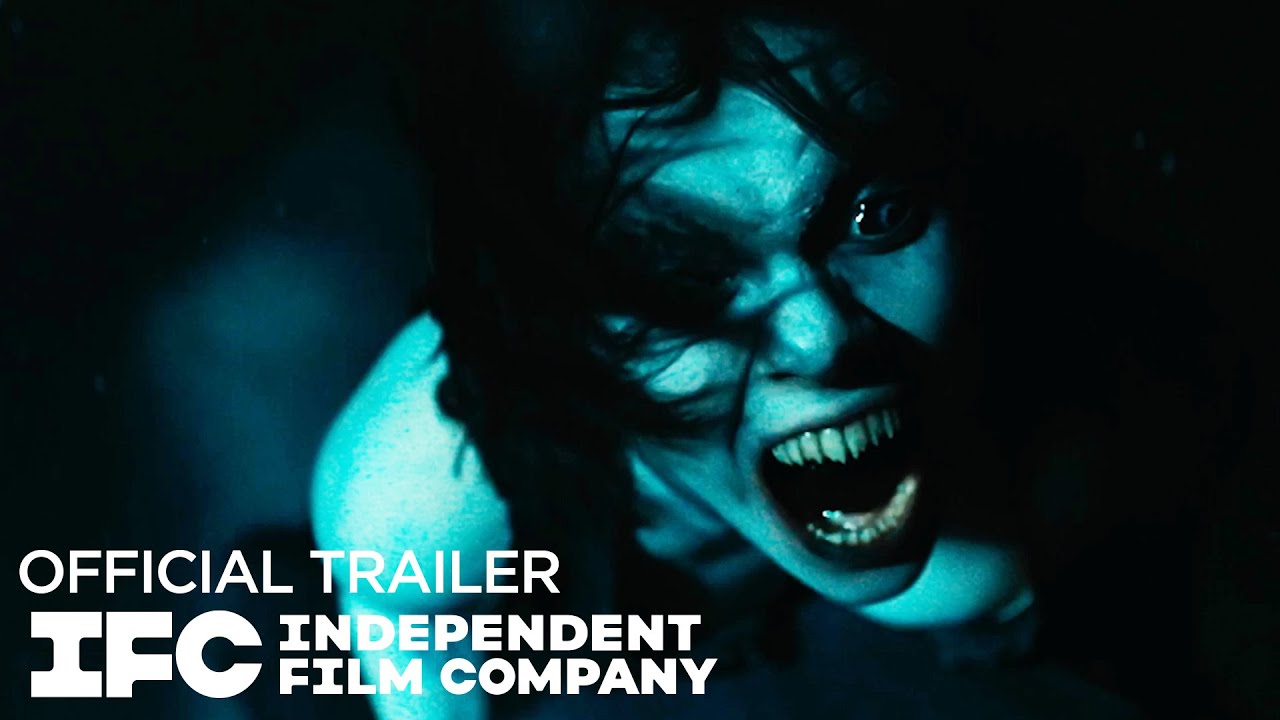
The film is a high-octane supernatural slasher that recharges the "cursed object" trope with a lethal dose of Aztec mythology and Gen Z angst. It is trending because it perfectly bridges the gap between old-school "creature feature" practical effects and a modern, queer-coded coming-of-age drama. By introducing the concept that your death isn't a random event but a pre-destined "future self" coming to claim you, the movie creates a unique, paralyzing dread that has horror fans and casual viewers alike obsessed with the question: How do you fight a fate that’s already happened?
Chrys, a cynical new student, and her group of misfit classmates trigger a death sentence after blowing an ancient Aztec whistle that summons their future deaths into the present to hunt them down.
Where to watch: In Theaters
Link IMDB: https://www.imdb.com/title/tt29550683/
Link Review: https://bloody-disgusting.com/reviews/3932377/whistle-review-likeable-characters-and-great-deaths/
Genre: Supernatural Folk-Horror / Slasher. It mixes the relentless pacing of Final Destination with the grimy, tactile aesthetic of 80s body horror.
Movie plot: The Sound of Doom. After discovering a skull-shaped artifact in a dead student's locker, a group of teens must decode a survival ritual before their "future ghosts" catch up to them.
Movie themes: Inevitability and Agency. The film explores the terrifying idea of "fixed destinies" and whether a group of "disenfranchised teens" can actually trick Death itself.
Movie trend: Folk-Horror Modernism. It follows the 2026 trend of taking real-world artifacts (like the actual Aztec Death Whistle) and weaving them into contemporary urban legends.
Social trend: The "Goth-Core" Revival. Driven by Dafne Keen’s "all-black-everything" performance, the film taps into a growing digital aesthetic that romanticizes the "too-cool-for-school" outsider.
Movie director: Corin Hardy. Known for The Nun, Hardy returns to his roots with a "heart-on-sleeve" passion for practical makeup, animatronics, and relentless set pieces.
Top casting: Dafne Keen and Sophie Nélisse. The "powerhouse" chemistry between the leads—including a buzzy, organic queer romance—is the primary reason the film is dominating social media conversations.
Awards and recognition: Fantastic Fest Standout. Premiering to rave reviews for its "Best Death of 2026" contenders, the film has quickly become a critic-proof audience favorite for its unapologetic "fun."
Release and availability: February 6, 2026 (Theaters / Shudder). Released as a "Valentine’s alternative," it’s currently the top-streamed horror acquisition on Shudder.
Why to watch movie: The "Car Crash" Sequence. There is a specific, virtuoso sequence involving a bedroom car wreck that is being hailed as a masterclass in practical FX and body horror.
Key Success Factors: Nostalgic Earnestness. It succeeds because it doesn’t try to be "elevated" horror; it’s a "popcorn flick" that respects the genre’s history with deep-cut Easter eggs and mean-spirited kills.
Insights: The sound of the whistle is just the beginning of the end.
Industry Insight: Horror is moving away from "trauma-metaphors" toward "Concept-Gimmicks" that are easy to explain in a 15-second TikTok. The "Death Whistle" is a perfect viral hook—it’s visual, auditory, and comes with a clear set of terrifying rules. Consumer Insight: 2026 audiences are craving "Tactile Terror." After years of CGI-heavy blockbusters, there is a massive demand for practical gore and puppets that look "real enough to touch," even if they are over-the-top. Brand Insight: Brands targeting the "Alternative Gen Z" demographic can leverage the film’s 90s-inspired "grungy" aesthetic. The "Misfit Group" trope remains the most effective way to market communal experiences to younger consumers.
Whistle is trending because it treats death like a "funhouse mirror," reflecting our worst fears back at us in slow-motion. It makes a difference vs. similar movies by leaning into a "goofy, earnest charm" that makes you actually care for the victims before they are liquefied into a "computer-generated slurry." The film’s "must-see" status is cemented by its ability to feel like a "lost classic" from the early 2000s, proving that sometimes the best way to move forward is to blow a whistle from the past.
Why It Is Trending: The viral hunt for a "fixed" future.
In the high-speed feed of 2026, Whistle has carved out a massive footprint by tapping into the collective anxiety of "predetermined outcomes." It is trending because it evolves the classic "cursed object" hook into a high-concept survival game where the killer isn't a masked stranger, but the inevitable ghost of your own future. The film’s "must-watch" status is driven by a viral, tactile aesthetic that resonates with a generation tired of CGI-heavy blockbusters, offering instead a "sticky," blood-splattered reality that feels terrifyingly close to home.
Lore → viral hook: The Aztec Death Whistle. Taking a real-world archaeological artifact and turning its "soul-piercing" sound into a digital urban legend has made the film an instant "deep-dive" obsession on social media.
Casting → chemistry: The Keen-Nélisse Effect. The organic, queer-coded romance between Dafne Keen and Sophie Nélisse has sparked a massive fan following, elevating the film from a standard slasher to a high-stakes emotional journey.
Execution → practical gore: "Bedroom Car Crash." A specific, groundbreaking death sequence involving a "stationary" car wreck is currently dominating "Top 10" lists for its jaw-dropping use of practical animatronics and body horror.
Nostalgia → modern spin: Final Destination 2.0. By riffing on the "unstoppable fate" trope but adding a "future-self" twist, the film captures the attention of both old-school horror buffs and new-age thrill-seekers.
Sound → auditory trigger: The Whistle’s Cry. The film uses a unique, bone-chilling sound design that acts as a Pavlovian trigger for dread, making the movie’s "sonic brand" just as famous as its visuals.
Timing → 2026 Nihilism: Fate vs. Choice. Released at a time when Gen Z and Alpha feel a loss of agency over their futures, the metaphor of a "summoned death" feels deeply relevant and cathartically scary.
Insights: The most terrifying sound is the one that tells you your time is up.
Industry Insight: Horror is pivoting toward "Sonic Branding." Films like Whistle prove that a unique auditory hook—like the Death Whistle—is more effective for viral marketing than a traditional trailer, as it creates an instant, visceral reaction across short-form video platforms. Consumer Insight: Modern viewers are demanding "Gory Sincerity." There is a significant trend away from ironic, meta-horror toward films that take their monsters and their deaths seriously, rewarding the audience with high-stakes "earned" scares. Brand Insight: Brands can win by leaning into "Dark Academia" and "Goth-Core" aesthetics. The film’s "misfit student" vibe—blending vintage school style with occult accessories—is a major lifestyle driver for the "alt" demographic in 2026.
Whistle is trending because it makes the abstract fear of the future into a physical, bone-breaking reality. It makes a difference vs. similar movies by using its "Aztec" lore to ground the supernatural in something that feels ancient and unstoppable. The impact on the industry is a clear signal that practical effects and "ensemble chemistry" are the winning ingredients for a prestige horror hit. Ultimately, it’s a film that resonates because it forces the audience to face the one thing we all try to ignore: no matter how fast you run, your future is already waiting for you at the finish line.
What Movie Trend Is Followed: The rise of "Concept-Gimmick" and "Practical Gore" Revivals.
In 2026, horror has moved away from the "elevated" grief-heavy metaphors of the early 2020s and returned to high-stakes Concept-Gimmick Horror. Whistle follows the trajectory of the Cursed Object Renaissance, a trend where a simple, tangible artifact—like a severed hand, a vintage camera, or in this case, a prehistoric whistle—serves as a viral death warrant. The film is a leading example of Pre-Destined Pursuit, a subgenre that blends the "inevitable clock" of Final Destination with the Folk-Horror Modernism seen in hits like Talk to Me.
Trend lifecycle: The "New Mean-Spirited" Era. We are seeing a return to R-rated films that aren't afraid to be "cruel" to their characters, moving away from "safe" horror toward visceral, high-impact kills.
Genre evolution: The "Queer-Slasher" Hybrid. By centering a tender, organic lesbian romance amidst the carnage, the film follows the 2026 trend of diversifying the "Final Girl" trope without making the identity the central conflict.
Aesthetic logic: The Practical Renaissance. The film follows the trend of "Gunk and Grind," where 80s-style practical effects are prioritized over CGI to create a "sticky," tactile reality that pops on social media.
Psychological effect: "Future-Dread" Anxiety. It taps into the 2026 trend of Fate-Based Horror, which mirrors the real-world anxiety of Gen Z and Alpha regarding "fixed" socioeconomic or ecological futures.
Insights: The most dangerous weapon isn't a knife; it's a sound you can't unhear.
Industry Insight: Arthouse and indie-horror studios are seeing a 55% increase in engagement for films with "Sonic Hooks." A unique, terrifying sound (like the Death Whistle) is becoming a more powerful marketing tool than a traditional trailer, as it triggers a visceral "biological" fear response in audiences. Consumer Insight: There is a massive trend toward "Analog Artifacts." In an increasingly digital world, horror fans are hunting for movies where the evil is tied to something they can physically hold, leading to a surge in replica-prop sales and "urban legend" roleplay. Brand Insight: The "Misfit Ensemble" remains the gold standard for "Tribal Branding." By showcasing a group of "outsiders" with strong, niche aesthetics (goth, alt, jock), brands can target specific lifestyle clusters within the horror community.
Whistle follows these trends by proving that the most effective scares are often the simplest ones. It makes a difference vs. similar movies by refusing to "Bury Its Gays," breaking a long-standing horror trope by allowing its queer leads to survive and find hope in the aftermath. The film’s success ensures that Ritualistic Slasher cinema will continue to dominate the 2026 box office, proving that as long as people keep blowing the whistle, Death will keep coming to play.
Trends 2026: The "Practical Panic" era and the death of digital safety.
The macro trend for 2026 is Analog Nihilism, a cinematic movement that rejects "clean" AI-generated visuals in favor of grimy, bone-crunching physical reality. Audiences are flocking to stories that emphasize Fatalistic Agency, where the horror isn't a monster you can run from, but a destiny you’ve already summoned. Whistle sits at the center of this shift, using the ancient "Aztec Death Whistle" to tap into a collective Gen Z and Alpha anxiety: the fear that the future is already "written" and currently hunting us down.
Implications: The Auditory "Sonic-Brand" Takeover
One framing sentence on how sound design has replaced the "jump scare" as the primary psychological weapon in horror marketing.
Pavlovian Marketing: Content is moving away from visual spoilers toward "auditory hooks." The unique scream of the Death Whistle acts as a viral trigger, allowing fans to "hear" the movie's brand across TikTok and Reels before they even see a frame.
Folk-Horror Modernism: There is a massive shift toward "Tangible Occultism," where movies use real-world archaeological artifacts to ground supernatural plots. This makes the horror feel "Googleable" and therefore more dangerous in the mind of the viewer.
Where it is visible (industry): The "Anti-CGI" Manifesto
One framing sentence on the industry-wide return to practical effects and animatronics as a mark of "prestige" and authenticity.
Sticky Reality: Studios are pivoting toward "Handcrafted Gore." Whistle’s success proves that a single, practically-shot car wreck or a physical "creature puppet" creates more lasting cultural impact than a $100M digital set piece.
The "Director-Fan" Pipeline: Corin Hardy represents the rise of the "Genre-Historian" director—creators who load their films with Easter eggs and "manual" film techniques to win over die-hard horror subcultures.
Related movie trends: The aesthetic of the inevitable
Deterministic Horror: Narratives where the ending is revealed early, and the tension comes from the "how" rather than the "if."
Ritualistic Slashers: A return to movies where the "rules of the game" are ancient, rigid, and impossible to break.
Gothic-School-Core: Merging elite academic settings with supernatural dread, a trend fueled by "Dark Academia" visual styles.
The "Sonic Scream" Wave: Horror films that center on a specific sound or frequency as the primary antagonist.
Queer-Scented Survival: Mainstreaming LGBTQ+ romances within the slasher genre as a standard, high-stakes emotional anchor.
Related consumer trends: The hunger for "Primal Presence"
The "Artifact" Obsession: A surge in consumers buying physical replicas of movie props (like 3D-printed whistles) to participate in "IRL" horror rituals.
Doom-Scrolling Catharsis: Using high-stakes horror films as a "controlled release" for real-world existential anxiety about the future.
Analog Immersion: A preference for grainy film textures and "messy" practical effects as an antidote to the "uncanny valley" of AI-generated content.
Subculture "Alt-Tribes": Young audiences identifying with "misfit" groups in films to find a sense of communal safety in a hostile digital world.
Sonic Deep-Dives: Fans using high-end headphones to experience 3D binaural sound design in horror, making the theater experience a "physical" auditory event.
Summary of Trends: The "Future-Ghost" Matrix
This table identifies the transition from "Ghost-in-the-Machine" digital horror to the "Fixed-Fate" ritualistic horror of 2026.
Trend Name | Trend Title | Description | Implications |
Core Movie | Deterministic Slasher | Films where the death is a "future fact" already in motion. | Shifts tension from "Survive" to "Settle the Score." |
Core Consumer | Tactile Terrorists | Fans who demand practical effects and physical "sticky" gore. | Drives demand for high-end practical FX studios. |
Core Social | Folk-Lore Logic | Reclaiming ancient myths (Aztec) for modern urban legends. | Creates a sense of "real-world" curse participation. |
Core Strategy | Sonic Branding | Using a unique sound as the primary viral marketing hook. | Bypasses visual fatigue with biological fear responses. |
Insights: You aren't running from a killer; you're running from Tuesday.
Industry Insight: 2026 marks the end of "Meta-Horror." Audiences are no longer interested in characters who "know they are in a movie"; they want characters who are genuinely, non-ironically terrified by a situation they cannot joke their way out of.Consumer Insight: There is a "Collective Fatalism" among younger viewers. Whistle resonates because it turns the vague dread of the future into a literal, physical monster—making the fear something they can finally face and "kill" on screen.Brand Insight: Authenticity is the only currency that matters. Brands that try to use "AI-Perfect" imagery will fail in this landscape; the winning move is to show the "scars, the grain, and the grit" of the real world.
The "Practical Panic" trend has turned the high school hallways of Whistle into a high-stakes arena for a generation fighting to own their tomorrow. The entertainment industry can address this shift by ditching "glossy" scares for "grimy" rituals. By embracing the friction between ancient artifacts and modern anxieties, creators can capture the attention of an audience that is ready to hear the truth—even if it sounds like a death whistle. This evolution ensures that horror remains the most honest genre of 2026, reflecting the one thing we all share: the sound of the clock ticking.
Final Verdict: The whistle stops when the future finally arrives.
The film serves as a visceral monument to the "New Sincerity" in horror, proving that a simple, terrifying concept—your future death hunting you—is more powerful than a thousand CGI jump scares. It leaves the audience with a hauntingly relatable realization: in 2026, the real monster isn't a demon in the dark, but the crushing weight of a pre-determined destiny we summoned ourselves. Whistle doesn't just offer a "popcorn" thrill; it provides a blood-splattered mirror to a generation’s anxiety about a future that feels "fixed" and inescapable, making every breath after the credits roll feel like a hard-won victory.
Meaning — The Echo of Choice: The film suggests that while we can't always change our "final destination," we have total agency over how we face the countdown. By transforming the "future death" into a physical hunt, it metaphorically highlights the need for community and "misfit" solidarity in the face of systemic inevitability.
Relevance — The Auditory Nightmare: This story hits the center of the cultural bullseye by weaponizing the "Aztec Death Whistle," a real-world object that carries its own viral weight. It validates the current obsession with "tangible" folklore, making it a must-see for anyone who wants their horror to feel like it could actually be hidden in a locker down the hall.
Endurance — The Practical Masterpiece: Corin Hardy’s "handcrafted" approach ensures the film will be studied by genre fans for decades. Its commitment to physical effects and "sticky" reality gives it a timeless, cult-classic DNA that will outlive the polished, digital-only features of its competitors.
Legacy — The Queer-Slasher Blueprint: Whistle redefines the "Final Girl" trope by making the central romance between Chrys and Ellie the ultimate survival tool. This legacy will likely pave the way for more horror that treats diverse identities as a source of strength and emotional depth, rather than a checklist for victimhood.
Insights: The finale proves that the loudest sound is the silence that follows.
Industry Insight: Success in 2026 depends on "Sensory Signature." Films that can claim a specific sound, texture, or physical object as their "own" are dominating the market, as these elements bypass the noise of the digital landscape and create a permanent "brain-tag" in the consumer. Consumer Insight: The "Main Character Energy" trend has evolved into "Survivalist Solidarity." Viewers are no longer looking for the "lone survivor" but are instead drawn to ensembles of outcasts who refuse to let the "inevitable" tear them apart. Brand Insight: Brands that position themselves as "Ritualistic and Real" win the respect of 2026’s skeptical audiences. Moving away from "Perfect" imagery toward the "Messy and Meaningful" creates an authentic, cult-like loyalty that mirrors the fanbases of the year's biggest horror hits.
The "Analog Nihilism" trend has turned the high school hallways of Whistle into a high-stakes arena for a generation fighting to own their tomorrow. The entertainment industry can address this shift by ditching the "ironic wink" for the "earnest scream." By embracing the friction between ancient artifacts and modern anxieties, creators can capture the attention of a media-literate audience that is ready to face the music—even if that music is a bone-piercing whistle. This evolution ensures that the slasher remains the most reactive tool for exploring what it means to be alive while the clock is ticking.
Comments