



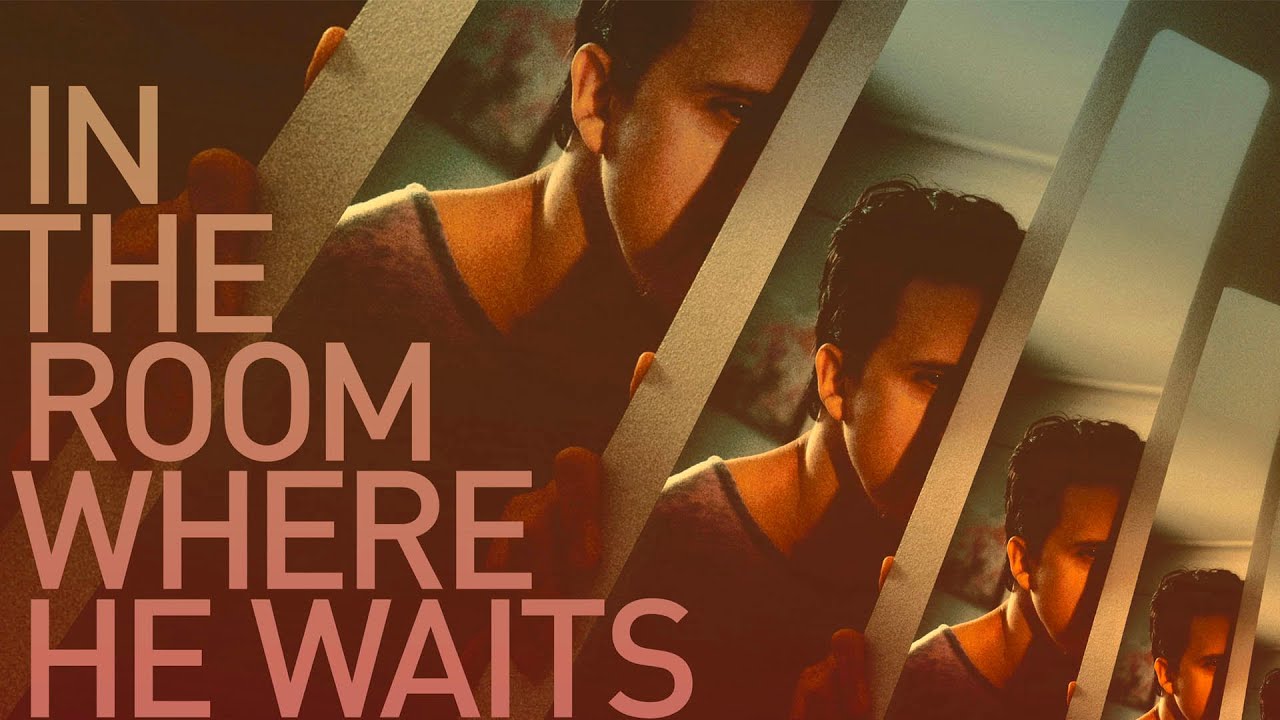

In the Room Where He Waits (2024) by Timothy Despina Marshall: A psychological horror about grief, identity, and internal haunting
- dailyentertainment95

- 3 hours ago
- 5 min read
Where to watch: Streaming platforms
Why It Is Trending: Contained Horror Stories Exploring Queer Identity and Grief
In the Room Where He Waits has gained attention within indie horror circles for its minimalist, single-location storytelling and psychological depth. Directed by Timothy Despina Marshall, the film combines supernatural tension with emotional introspection. The narrative follows a queer theatre actor confined to a hotel room before his father’s funeral, where grief begins to manifest as something more sinister. Its blend of psychological horror and identity exploration reflects a growing trend of emotionally driven genre films.
Elements Driving the Trend: Minimalist Horror Meets Personal Trauma
• Single-Location Storytelling: The film takes place almost entirely within a hotel room, intensifying the psychological tension and sense of isolation.
• Queer Identity Focus: The protagonist’s identity adds emotional depth, connecting personal history with internal conflict.
• Pandemic-Era Production Style: The contained setting reflects production approaches developed during COVID-era filmmaking.
• Psychological Horror Elements: The story blurs the line between supernatural presence and internal trauma.
• Theatrical Influence: The character’s connection to theatre adds layers of performance, identity, and emotional expression.
Virality of Movie (Social Media Coverage): Indie Horror Audiences Drive Online Discussion
Clips and stills from the film circulated among indie horror communities, particularly highlighting its confined setting and psychological themes. Discussions focused on its blend of queer storytelling and horror symbolism.
Critics Reception: Mixed but Notable Attention for Experimental Approach
Critics acknowledged the film’s ambition in combining psychological horror with emotional storytelling. Coverage from genre platforms such as Love Horror highlighted its atmospheric tension and thematic focus.
Awards and Recognitions: Festival Nominations Support Indie Visibility
The film received 2 nominations within festival circuits. These recognitions helped establish its presence within independent horror cinema.
Insights: Horror Cinema Is Increasingly Exploring Internal Emotional States
Modern horror films often use supernatural elements to represent psychological and emotional struggles. Themes of grief, identity, and trauma are increasingly central to the genre. Minimalist storytelling enhances tension by focusing on character and atmosphere. For the film industry, this approach demonstrates how horror can function as both entertainment and emotional exploration.
What Movie Trend Is Followed: Psychological Contained Horror
Psychological contained horror focuses on characters trapped in limited environments where tension builds through internal conflict and perception. These films often blur the boundary between reality and imagination. Audiences engage with stories that explore fear as a reflection of emotional or psychological states. The genre prioritizes atmosphere and character over large-scale action.
The trend has grown as filmmakers experiment with smaller-scale productions and character-driven narratives. Streaming platforms and indie festivals have supported the rise of contained horror films. What feels new is the integration of identity themes, including grief and sexuality, into horror storytelling. These films create deeply personal interpretations of fear.
Trend Drivers: Minimalist Production and Psychological Storytelling Drive the Genre
The rise of contained horror reflects both creative and production-driven shifts within the film industry.
• What Is Influencing Trend: Filmmakers increasingly explore psychological themes within limited settings to create intense, character-driven narratives.
• Macro Trends Influencing: Independent cinema and streaming platforms support smaller-scale productions with high conceptual impact.
• Consumer Trends Influencing: Audiences are drawn to horror films that explore emotional depth and psychological tension.
Audience Analysis: Indie Horror Fans and Psychological Drama Viewers Form the Core Audience
The film appeals to viewers interested in experimental and character-driven horror.
• Audience of Movie: The core audience includes indie horror fans, LGBTQ+ viewers, and festival audiences.
• Audience Motivation to Watch: Audiences are drawn to stories that combine psychological tension with emotional and identity-driven narratives.
Similar Movies Reflecting the Trend: Contained Horror and Psychological Exploration
• The Lighthouse (2019) by Robert Eggers:A psychological drama set in an isolated location exploring madness and identity.
• The Babadook (2014) by Jennifer Kent:A horror film using supernatural elements to explore grief and trauma.
• Saint Maud (2019) by Rose Glass:A psychological horror about isolation, identity, and obsession.
Insights: Contained Horror Is Redefining Genre Storytelling
Minimalist horror films demonstrate how atmosphere and character can drive tension. Psychological narratives allow filmmakers to explore deeper emotional themes. The genre increasingly blends personal identity with supernatural storytelling. For the industry, this trend highlights the creative potential of low-budget, concept-driven cinema.
Final Verdict: A Minimalist Horror That Explores Grief and Identity
In the Room Where He Waits offers a psychologically intense exploration of grief through a contained horror framework. Its focus on identity and internal conflict elevates it beyond traditional genre conventions. The film reflects a growing movement toward emotionally driven horror storytelling. In the long term, it contributes to the evolution of intimate, character-focused horror cinema.
Audience Relevance: Personal Fear and Emotional Isolation
Stories about isolation and internal struggle resonate strongly with modern audiences. The film reflects how personal grief can manifest as psychological tension.
By placing the protagonist in a confined space, the narrative intensifies emotional and mental conflict.
What Is the Message of Movie: Confronting Internal Demons
The film suggests that the most terrifying experiences often come from within. Grief, guilt, and unresolved emotions shape the protagonist’s perception of reality.
Facing these internal struggles becomes essential for emotional survival.
Relevance to Audience: Horror as Emotional Reflection
Modern audiences increasingly connect with horror that reflects real emotional experiences. The film uses supernatural elements to explore personal trauma.
This approach allows viewers to interpret fear on both psychological and symbolic levels.
Social Relevance: Queer Identity and Emotional Vulnerability
The film highlights the intersection of identity and emotional struggle. It reflects the challenges faced by individuals navigating grief within complex personal histories.
By centering a queer protagonist, the narrative expands representation within horror cinema.
Performance: Daniel Monks’ Intense and Emotional Lead Role
Daniel Monks delivers a compelling performance as Tobin, capturing vulnerability and psychological tension. His portrayal anchors the film’s emotional and narrative focus.
Supporting performances from Susie Porter and Annabel Marshall-Roth add depth to the story’s emotional landscape.
Legacy: Expanding Queer Representation in Horror
The film contributes to the growing presence of LGBTQ+ narratives within horror cinema. Its focus on identity and psychological depth reflects broader genre evolution.
Such films demonstrate how horror can explore complex emotional and social themes.
Success (Awards, Nominations, Critics Ratings, Box Office): Indie Recognition and Festival Presence
The film received 2 nominations and gained visibility within indie horror festivals. Its modest box office performance reflects its niche, independent release.
Critical attention highlights its experimental storytelling and thematic ambition.
Insights: The film demonstrates how psychological horror explores identity, grief, and internal conflict through minimalist storytelling.
Industry Insight: Horror cinema increasingly embraces low-budget, concept-driven storytelling. These films thrive within festival circuits and streaming platforms. Audience Insight: Viewers are drawn to horror that combines emotional depth with psychological tension. Such films offer more immersive experiences. Social Insight: Stories exploring identity and mental health resonate with contemporary audiences. Horror provides a framework for examining these themes. Cultural Insight: Queer representation in genre cinema continues to expand, influencing new storytelling approaches.
Psychological horror continues evolving as a space for emotional and social exploration. Films that combine identity, grief, and supernatural elements resonate with modern audiences. As indie cinema grows, such stories gain greater visibility through festivals and streaming platforms. This trend ensures that horror remains one of the most adaptable and expressive genres in contemporary film.
Summary of the Movie: A Confined Horror Story About Grief and Identity
• Movie themes: Grief, identity, and psychological fear. The story follows a theatre actor confronting internal and external forces in a confined space.
• Movie director: Timothy Despina Marshall directs the film, focusing on minimalist and character-driven storytelling.
• Top casting: Daniel Monks leads the film, supported by Susie Porter and Annabel Marshall-Roth.
• Awards and recognition: 2 nominations within indie festival circuits.
• Why to watch movie: The film offers a psychologically intense exploration of grief through a unique horror lens.
• Key Success Factors: Its contained setting and emotional storytelling create a deeply immersive experience.
• Where to watch: Released February 25, 2024 in Australia with festival screenings and independent distribution.
https://www.justwatch.com/us/movie/in-the-room-where-he-waits (US), https://www.justwatch.com/au/movie/in-the-room-where-he-waits (Australia), https://www.justwatch.com/ca/movie/in-the-room-where-he-waits (Canada)
Comments