





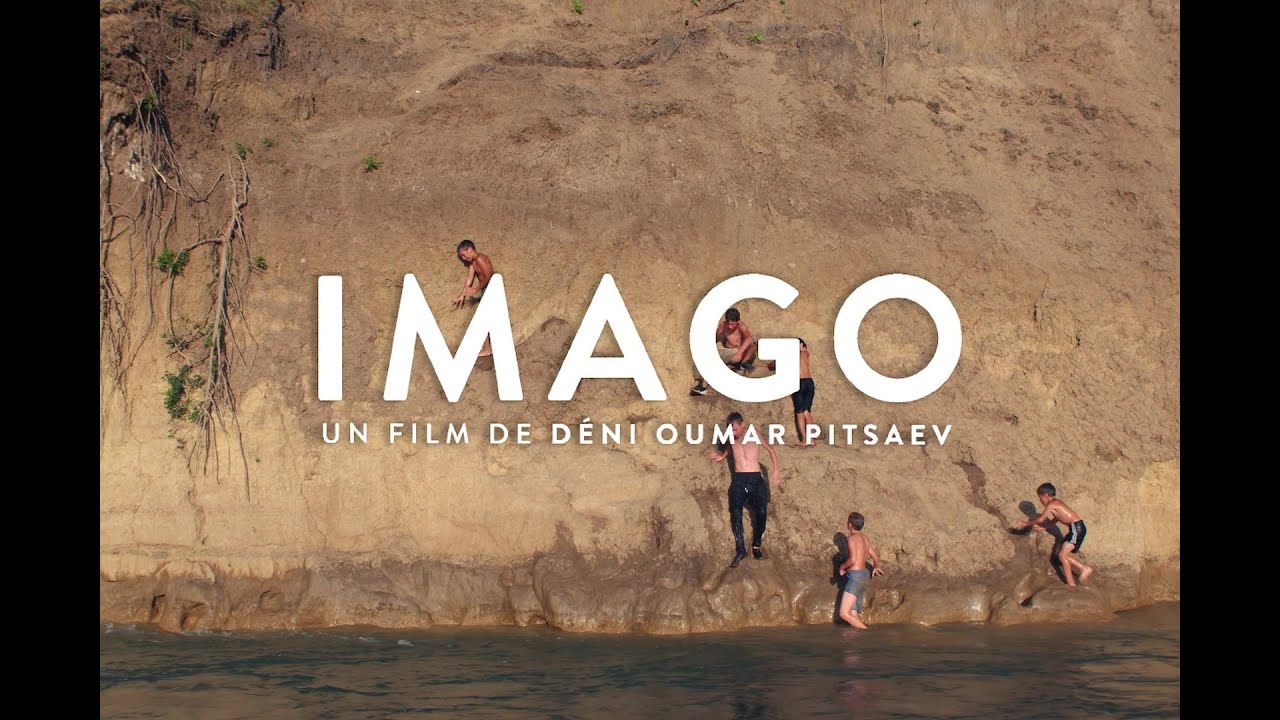
Imago (2025) by Déni Oumar Pitsaev: A personal documentary about returning home, identity, and cultural belonging
- dailyentertainment95

- 2 hours ago
- 5 min read
Why It Is Trending: Personal Documentary Storytelling Exploring Identity and Roots
Imago has drawn attention in international documentary circles for its intimate portrayal of identity and cultural belonging. Directed by and starring Déni Oumar Pitsaev, the film blends autobiographical storytelling with observational documentary filmmaking. The story follows Pitsaev returning to a remote village near the Chechen border in Georgia after inheriting family land. What begins as a personal dream to build a childhood treehouse gradually unfolds into a deeper exploration of family history, cultural identity, and social expectations.
Elements Driving the Trend: Personal Identity Stories in Documentary Cinema
• Autobiographical Filmmaking: The film centers on the director’s own journey, blending personal memory with documentary observation.
• Themes of Cultural Identity: The narrative explores Chechen heritage, regional traditions, and generational expectations.
• Return-to-Home Narrative: The filmmaker’s return to his birthplace becomes a journey of rediscovery and reconciliation.
• Minimalist Documentary Style: The film uses intimate storytelling and everyday interactions rather than structured narration.
• Festival Circuit Visibility: The documentary gained recognition within European documentary festivals and art-house cinema platforms.
Virality of Movie (Social Media Coverage): Documentary Audiences Highlight Cultural Storytelling
Clips and stills from the film circulated among documentary film communities online. Discussions focused on the authenticity of the filmmaker’s personal narrative and cultural exploration.
Critics Reception: Critics Praise the Film’s Intimate Perspective
Critics highlighted the film’s reflective storytelling and personal perspective. Coverage from outlets such as Screen Daily emphasized its authenticity and emotional depth.
Awards and Recognitions: Festival Awards Increase Documentary Visibility
The film received 3 wins and 3 nominations across international documentary festivals. This recognition helped strengthen its presence within global documentary cinema.
Insights: Personal Documentaries Continue Expanding the Genre
Modern documentaries increasingly focus on personal storytelling rather than traditional investigative narratives. Filmmakers use autobiographical perspectives to explore identity, heritage, and memory. This approach creates deeper emotional connections between audiences and subjects. For the film industry, such films demonstrate the evolving role of documentaries as platforms for personal reflection.
What Movie Trend Is Followed: Autobiographical Documentary Storytelling
Autobiographical documentaries focus on filmmakers exploring their own lives, families, or cultural identities. These films often combine personal reflection with observational storytelling. Audiences connect with the authenticity of narratives told directly by the individuals experiencing them. The genre blurs the boundaries between documentary filmmaking and personal memoir.
The trend has expanded as digital filmmaking tools make personal storytelling more accessible. Film festivals increasingly support documentaries exploring identity and heritage. What feels new is the openness with which filmmakers share their personal experiences on screen. These stories create a powerful sense of intimacy and authenticity.
Trend Drivers: Personal Storytelling and Cultural Exploration Shape Documentary Cinema
The growth of autobiographical documentaries reflects broader shifts toward intimate storytelling in global cinema.
• What Is Influencing Trend: Filmmakers increasingly turn the camera toward their own lives and communities.
• Macro Trends Influencing: International film festivals actively support documentary films exploring cultural identity and heritage.
• Consumer Trends Influencing: Audiences appreciate documentaries that feel personal, authentic, and emotionally honest.
Audience Analysis: Documentary Enthusiasts and Festival Audiences Form the Core Viewership
The film primarily appeals to viewers interested in documentary cinema and personal storytelling.
• Audience of Movie: The core audience includes festival attendees, documentary enthusiasts, and viewers interested in cultural identity narratives.
• Audience Motivation to Watch: Audiences are drawn to authentic stories exploring family heritage, personal dreams, and the search for belonging.
Similar Movies Reflecting the Trend: Personal Documentaries About Identity
• Stories We Tell (2012) by Sarah Polley:A deeply personal documentary exploring family secrets and identity through the filmmaker’s own perspective.
• Flee (2021) by Jonas Poher Rasmussen:A powerful documentary about identity, migration, and memory told through personal testimony.
• Man with a Movie Camera (1929) by Dziga Vertov:A landmark experimental documentary demonstrating the power of cinema to capture everyday life and personal perspective.
Insights: Documentary Cinema Is Becoming Increasingly Personal
Personal storytelling has become a defining characteristic of modern documentary filmmaking. Audiences respond strongly to authentic narratives that reveal intimate human experiences. By focusing on individual journeys, documentaries create powerful emotional connections. For the film industry, this shift highlights the growing influence of autobiographical cinema.
Final Verdict: A Personal Documentary About Heritage, Identity, and Belonging
Imago stands as a reflective exploration of identity and cultural roots. Through the director’s personal journey, the film examines how family history and tradition shape individual choices. Its intimate storytelling style reflects the evolving landscape of modern documentary cinema. Ultimately, the film contributes to a broader movement of autobiographical storytelling in global film culture.
Audience Relevance: Returning Home to Understand Identity
Stories about returning to one’s roots resonate with audiences across cultures. The film explores how place, family, and tradition influence personal identity.
Through the director’s journey, viewers witness the emotional complexity of reconnecting with one’s origins.
What Is the Message of Movie: Identity Is Shaped by Family and Place
The story emphasizes how heritage and upbringing influence personal decisions. Returning home forces the protagonist to confront expectations and unresolved family dynamics.
Through this process, the narrative highlights the importance of understanding one’s cultural background.
Relevance to Audience: Universal Search for Belonging
Many viewers relate to the experience of questioning their roots and identity. The film explores the universal desire to understand where one belongs.
Its personal storytelling allows audiences to reflect on their own connections to family and culture.
Social Relevance: Cultural Heritage and Generational Expectations
The film examines how traditions and community expectations influence individual life choices. It highlights tensions between personal freedom and cultural responsibility.
By exploring these dynamics, the narrative reflects broader conversations about identity and tradition.
Performance: Director as Subject in an Intimate Documentary
Déni Oumar Pitsaev appears on screen as both filmmaker and subject. His presence creates an authentic and personal perspective throughout the documentary.
This dual role allows the film to blend observational storytelling with personal reflection.
Legacy: Expanding the Role of Personal Narratives in Documentary Cinema
The film contributes to the growing tradition of autobiographical documentary filmmaking. Personal narratives increasingly shape the future of documentary storytelling.
Such films highlight the emotional depth possible within nonfiction cinema.
Success (Awards, Nominations, Critics Ratings, Box Office): Festival Recognition for Personal Documentary
The film received 3 wins and 3 nominations, reflecting strong festival recognition. Early critical coverage highlighted its authenticity and emotional storytelling.
Its presence within documentary festivals reinforced the film’s position in contemporary nonfiction cinema.
Insights: The film demonstrates how autobiographical documentaries explore identity, heritage, and personal memory.
Industry Insight: Documentary filmmakers increasingly use personal narratives to explore cultural identity and social history. These stories resonate strongly within festival circuits.Audience Insight: Viewers appreciate documentaries that feel authentic and emotionally personal. Such films create deeper connections with audiences.Social Insight: Stories about cultural heritage encourage dialogue about identity and belonging. Documentary cinema provides a powerful platform for these conversations.Cultural Insight: Autobiographical storytelling continues expanding the possibilities of documentary filmmaking.
Personal documentaries are reshaping the documentary genre by emphasizing emotional authenticity. Stories that explore heritage and identity resonate across cultures and generations. As film festivals continue highlighting these narratives, autobiographical documentaries reach wider audiences. This evolution ensures that personal storytelling remains central to contemporary documentary cinema.
Summary of the Movie: A Personal Journey of Identity and Cultural Roots
• Movie themes: Identity, heritage, and belonging. The story follows a filmmaker returning to his birthplace to reconnect with family and cultural traditions.
• Movie director: Déni Oumar Pitsaev directs and stars in the documentary, creating a deeply personal narrative.
• Top casting: Déni Oumar Pitsaev appears as himself, blending the roles of filmmaker and subject.
• Awards and recognition: 3 wins and 3 nominations across international documentary festivals.
• Why to watch movie: The film offers an intimate exploration of identity, family heritage, and the meaning of home.
• Key Success Factors: Its autobiographical storytelling and cultural authenticity create a powerful documentary experience.
• Where to watch: Released October 22, 2025 in France with international documentary festival screenings and limited distribution.
Comments